South Carolina Flounder Charter Fishing Trips
Trying to navigate the best spots and techniques for catching flounder in South Carolina can feel like a labyrinth, especially if you're not familiar with the local tides and habitats. This comprehensive guide will demystify the process of booking and enjoying a South Carolina flounder charter fishing trip, helping you understand what makes these trips so effective and what you need to know before you cast a line.
Why Flounder Charters in South Carolina Are So Popular
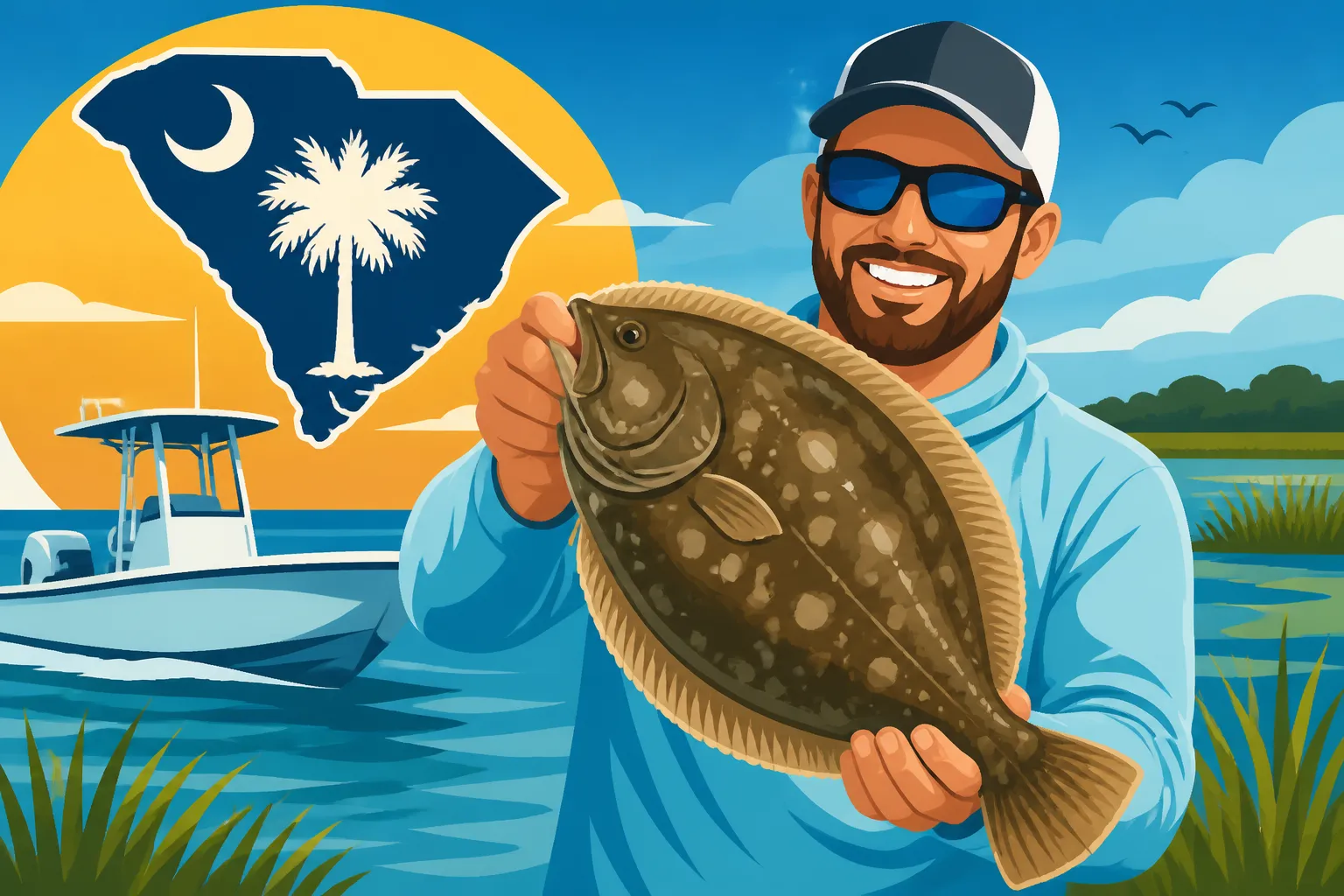
There's something uniquely satisfying about reeling in a flounder. Their camouflaged bodies and ambush predation style make them a challenging and rewarding catch. In South Carolina, with its intricate network of coastal estuaries, tidal creeks, and inshore waters, flounder fishing isn't just a pastime; it's a celebrated tradition. Charter fishing trips dedicated to flounder capitalize on this popularity, offering both seasoned anglers and complete beginners an unparalleled opportunity to target these delicious flatfish.
The Allure of Flounder Fishing
Flounder hold a special place in the hearts of many South Carolina anglers. They're not just fun to catch; they're also widely regarded as one of the best-teating fish in our local waters. Imagine a crisp, pan-fried flounder fillet, caught just hours before – it's an experience that brings people back to the water time and again. Beyond the culinary delight, the challenge of finding and enticing a flounder to bite adds to their appeal. They're masters of disguise, often lying perfectly still on the bottom, blending seamlessly with the sand or mud, waiting for an unsuspecting baitfish or shrimp to swim by. This requires a keen eye from the angler, or more realistically, a seasoned guide who knows exactly where these flatfish like to hide.
The waters of South Carolina offer a diverse environment for flounder, from the shallow, muddy bottoms of tidal creeks to the sandy stretches near inlets and jetties. This variety means that flounder fishing can be productive across different seasons and locations, keeping the chase exciting. The satisfaction of feeling that subtle "thump" on your line, setting the hook, and battling a surprisingly strong flatfish to the surface is a thrill that never gets old. Many anglers specifically seek out flounder for their unique fight and incredible table fare, making them a prime target for guided excursions.
Benefits of a Guided Flounder Trip
While you can certainly try your luck on your own, booking a guided flounder charter significantly boosts your chances of success and enhances the overall experience. A local guide possesses invaluable knowledge of the intricate waterways, the movement of tides, and the specific habits of flounder in different conditions. They've spent countless hours on the water, mapping out productive drifts, identifying hidden结构, and understanding what bait and techniques work best on any given day. This expertise means less time guessing and more time fishing. You can trust that your captain knows exactly where to go and how to approach the fish, rather than spending precious hours searching for them.
Furthermore, a charter trip provides all the necessary equipment. This means high-quality rods and reels, fresh bait, and even tackle that's specifically suited for flounder fishing – often gear that you might not own or know how to rig effectively. For visitors or less experienced anglers, this is a huge advantage, eliminating the need to invest in expensive equipment or worry about what to bring. The captain also handles all the boat operation, navigation, and safety aspects, allowing you to relax and focus entirely on the fishing. They're often equipped with advanced sonar and GPS systems that help pinpoint flounder-holding structure, giving you an edge that bank fishing or a casual outing might not. What's Included in a South Carolina Charter Fishing Trip details more about what you can expect in terms of provisions.
The educational aspect is another huge benefit. A good guide isn't just there to put you on fish; they're often keen to share their knowledge, teaching you about the local ecosystem, flounder behavior, and effective fishing techniques. You'll learn how to properly present bait, identify a flounder bite, and handle your catch, skills that can serve you well on future fishing adventures. It's like getting a private lesson from a seasoned pro, an invaluable experience for anyone looking to deepen their angling prowess. This personal instruction ensures you're not just catching fish, but understanding how to catch them.
Key South Carolina Flounder Hotspots
South Carolina's coast is dotted with phenomenal flounder fishing grounds, each with its unique charm and characteristics. From the northern reaches near Myrtle Beach down to the southernmost estuaries of Hilton Head, there are prime locations that consistently produce these coveted flatfish. Guides often specialize in specific regions, honing their expertise on the local tides and geography.
One of the most renowned areas is the intricate network of creeks and inlets around Murrells Inlet. This location offers a fantastic mix of sheltered waters and productive channels where flounder lie in wait. The oyster beds, mud flats, and marsh grass edges here provide perfect ambush points. Anglers targeting Murrells Inlet often find success drifting live bait along channel edges, particularly during outgoing tides when flounder are positioned to ambush prey being swept out of the marsh.
Further south, the Charleston Harbor area and its surrounding estuaries, including those near Mount Pleasant, are also prime flounder territory. The deep channels, jetty rocks, and extensive marsh systems offer an abundance of habitat. Here, flounder can be found congregating around structure, such as docks, pilings, and submerged debris. The Shem Creek area, for instance, is not only beautiful but also holds a healthy population of flounder. Flounder Fishing Spots Along South Carolina's Barrier Islands highlights more specific locations where these flatfish congregate.
Then there's the beautiful lowcountry around Hilton Head Island and Beaufort, with its vast expanse of spartina marsh and tidal creeks. These pristine waters are a flounder angler's dream, offering countless opportunities for sight fishing in clear, shallow water during warmer months, or targeting deeper holes as the water cools. Charters in these areas often explore the smaller, less-pressured creeks where flounder populations thrive. No matter where you decide to embark on your Flounder Fishing Charter Trips in South Carolina, a good captain will have their favorite, most productive spots scouted out.
What to Expect on a South Carolina Flounder Charter
Embarking on a South Carolina flounder charter is an exciting prospect, but knowing what to expect can help you prepare and make the most of your trip. While specific details might vary slightly between different captains and locations, there are common elements that define most flounder fishing excursions, from the duration of the trip to the equipment and techniques you'll be using.
Typical Trip Lengths and Formats
Most South Carolina flounder charters offer a few standard trip lengths to accommodate different schedules and budgets. The most common options are half-day (typically 4 hours) and full-day (6 to 8 hours) excursions. Half-day trips are a fantastic option for families with younger children, beginners, or those simply looking for a taste of flounder fishing without committing to an entire day on the water. They allow enough time to reach productive spots, get several bites, and enjoy the scenery, but are short enough to avoid fatigue, especially in the summer heat.
Full-day trips, on the other hand, provide more extensive fishing time and often allow the captain to explore a wider range of spots, sometimes moving with the tides to different locations for optimal fishing. This longer duration can be particularly beneficial if the bite is slow in one area, or if you're hoping to catch a larger number of fish. Serious anglers who want to maximize their chances and learn more in-depth techniques often opt for the full-day experience. Some charters might even offer shorter "nearshore" options or "sunset" trips, depending on the season and target species, though flounder are primarily an inshore, daytime pursuit. 4-Hour vs 8-Hour Fishing Charters in South Carolina delves deeper into these choices.
The format of the trip is usually "private," meaning you book the boat for your group exclusively. This ensures personalized attention from the captain and allows you to tailor the trip more closely to your group's preferences. The number of anglers permitted on a charter boat is typically limited by Coast Guard regulations and the comfort level of the vessel, often ranging from 1 to 6 people. Always confirm the maximum capacity when booking, especially if you have a larger group. Sites like FishingBooker allow you to filter by group size to find suitable charters.
Essential Gear and Bait Used
On a South Carolina flounder charter, your captain will provide all the necessary fishing gear, specifically chosen and maintained for targeting flounder. This typically includes light to medium-action spinning rods and reels, spooled with braided line and a fluorocarbon leader. The rods are sensitive enough to detect flounder's often subtle bite, yet stout enough to handle a decent-sized flatfish. The reels are usually easy to operate, even for novice anglers. The tackle will include a variety of jig heads, sinkers, and hooks appropriate for flounder.
When it comes to bait, live bait is king for flounder fishing, and your charter will almost certainly have a livewell full of it. The most common and effective live baits are mud minnows, finger mullet, or live shrimp. These are natural prey for flounder and their active swimming motion attracts attention. Sometimes, cut bait (pieces of fresh fish or shrimp) can also be used effectively, especially when fished on the bottom in known flounder areas. The captain will typically have a supply of whatever bait is freshest and most productive for the current conditions. Best Bait for Flounder in Inshore Waters can give you more insight into preferred choices.
Beyond rods, reels, and bait, the charter will also provide safety equipment like life jackets, a first-aid kit, and communication devices. Many boats will have a cooler with ice for your drinks and snacks, and often another one for your catch. It's always a good idea to confirm what exactly is provided before your trip. For example, some charters might include bottled water, while others expect you to bring your own. Most importantly, the captain's intimate knowledge of how to rig these baits and present them correctly is a huge part of the gear package you're effectively paying for.
Flounder Fishing Techniques Employed by Guides
South Carolina flounder charters employ several proven techniques to maximize your chances of success. Flounder are ambush predators that typically lie on the bottom, camouflaged and waiting for food to swim by. Therefore, presentations that mimic this natural prey movement are key.
One of the most common and effective techniques is drift fishing. The captain will position the boat to drift slowly with the current or tide over productive areas like oyster beds, channel edges, or shallow flats. Anglers will cast their bait, often a live minnow or shrimp on a Carolina rig or a light jig head, and allow it to bounce or drag along the bottom. The subtle movement of the bait as it drifts past a hidden flounder is often irresistible. The key is to maintain bottom contact and feel for that distinctive "thump" or spongy resistance that indicates a flounder has picked up the bait. Flounder Fishing Tips for Beginners in South Carolina emphasizes the importance of patience with this method.
Another effective technique, especially in shallower creeks and around visible structure, is casting and retrieving. Anglers will cast their bait (live or artificial, such as a soft plastic jig) towards likely flounder holding spots like dock pilings, submerged logs, or marsh grass edges, and slowly retrieve it, again keeping it close to the bottom. Sometimes, a "hop-and-stop" retrieve works well, mimicking a struggling baitfish. The captain will guide you on where to cast and how fast to retrieve, often using their intimate knowledge of the current and specific bottom contours. The method often requires precise casting and careful monitoring of the line for any signs of a bite.
Occasionally, if conditions are right, sight fishing for flounder can be an exhilarating experience. This is more common in very clear, shallow waters during higher tides. The guide will position the boat in an area where flounder might be seen lying on the bottom, and anglers will cast directly to them. This requires keen eyesight and a stealthy approach, making it a truly specialized technique that only experienced guides can reliably offer. No matter the method, the captain's role is crucial in teaching and guiding you through these techniques, ensuring your bait is always in the strike zone.
Planning Your South Carolina Flounder Charter
Planning a fishing trip, especially a guided one, involves more than just picking a date. Thinking about your preferences, understanding the costs, and knowing the best times to go can significantly impact your overall experience and success. Booking a South Carolina flounder charter is an investment in a memorable day on the water, so a little preparation goes a long way.
Choosing the Right Charter and Captain
Selecting the right charter and captain is paramount to a successful flounder fishing trip. It's not just about finding someone with a boat; it's about finding a knowledgeable, personable, and safety-conscious professional who aligns with your expectations. Start by considering your group's needs. Are you fishing with young children and need a family-friendly atmosphere? Are you a seasoned angler looking to hone your skills? Or is it a group of friends just looking to have fun and catch some fish? Look for captains who specifically mention flounder fishing as a specialty and have positive reviews focusing on this species.
Online platforms like FishingBooker are excellent resources for finding and comparing charters. You can read reviews from past clients, view photos of the boats and catches, and get a feel for the captain's personality and fishing style. Pay attention to comments about patience, teaching ability, and local knowledge. A good captain will be communicative and happy to answer your questions before you book. Don't hesitate to ask about their experience level, the type of boat they run, and their approach to flounder fishing. Consider factors like proximity to your accommodation; a charter located conveniently will save travel time.
It's also wise to check if the captain is licensed and insured. Reputable charters operate with all the necessary certifications for passenger safety. Discuss what's included in the price – sometimes bait, tackle, and even a cooler with ice are standard, but it's always best to confirm. How to Book a South Carolina Fishing Charter provides more guidance on this process. A great captain can make an average day of fishing feel incredible, while a poor one can sour even a day with good bites.
Understanding Costs and Inclusions
The cost of a South Carolina flounder charter fishing trip can vary significantly based on several factors, including trip length (half-day vs. full-day), the size and amenities of the boat, the captain's experience, and the time of year. Generally, you can expect to pay a base rate for the boat and captain, with additional costs sometimes incurred for fuel surcharges on longer trips, or extra bait if specifically requested. For accurate pricing, always check the charter's direct booking page or a platform like FishingBooker, which provides transparent pricing.
Most charters include the boat, the captain's services, all necessary fishing gear (rods, reels, tackle), and fresh live bait. Critically, the fishing license for everyone on board is typically covered by the charter's blanket license, meaning you usually don't need to purchase individual licenses, though it's always good to confirm this detail. Do You Need a Fishing License for a Hilton Head Charter? or South Carolina Fishing Charter Licenses and Gear Included are great resources to confirm this before your trip. You should also expect a cooler with ice for your drinks and any fish you catch.
What's generally not included are things like food, beverages (beyond perhaps bottled water), sunscreen, hats, sunglasses, and personal items. You should plan to bring these yourself. It's also customary to tip your fishing guide. A common guideline is 15-20% of the trip's total cost, assuming they provided good service. This gratuity is a significant part of a guide's income and is a way to show appreciation for their hard work and expertise. Never assume the tip is included unless explicitly stated. Tipping Your South Carolina Fishing Guide explains the etiquette in more detail.
Best Time of Year for Flounder Fishing
While flounder can be caught year-round in South Carolina, certain seasons offer optimal conditions and higher chances of success. Generally, the warmer months from spring through fall are considered the prime time for flounder fishing.
Spring (March to May) sees flounder becoming more active as water temperatures rise. They begin to move out of their deeper wintering grounds and into the shallower estuaries and creeks to feed. This is a great time to target them, especially as baitfish populations increase. The weather is usually pleasant, making for comfortable days on the water.
Summer (June to August) is often considered peak flounder season. The warm waters mean flounder are actively feeding and can be found in a wider range of habitats, from shallow grass flats to deeper channels and around inlets. While the heat can be intense, early morning or late afternoon trips are highly productive. During these months, flounder are often concentrated around structure, making them a consistent target.
Fall (September to November) is another fantastic time, often preferred by many local anglers. As water temperatures start to cool, flounder begin their migratory push towards deeper ocean waters for winter. This pre-migration feeding frenzy can lead to aggressive bites and larger fish. This is often the time when you have the best chance at a "doormat" flounder. The cooler temperatures and fewer crowds also add to the appeal of fall fishing.
Winter (December to February) can be challenging but not impossible. Flounder move to deeper, more stable water offshore. While inshore catches are less common, persistent anglers with a good guide might still find them in deep holes or protected areas. However, most dedicated flounder charters will focus on the warmer months when the fish are more abundant and accessible inshore. Flounder Fishing Season in South Carolina provides additional detail on seasonal patterns.
Regulations and Responsible Flounder Angling
As with any popular fish species, responsible angling practices and adherence to regulations are crucial for maintaining healthy flounder populations in South Carolina. Knowing and following these rules not only keeps you compliant with the law but also contributes to the long-term sustainability of this valuable fishery for future generations. Your charter captain will be well-versed in these rules, but it’s always good for anglers to understand them too.
South Carolina Flounder Regulations
South Carolina has specific regulations in place to manage its flounder fishery, focusing on minimum size limits and daily bag limits. These regulations are designed to allow flounder to reach maturity and reproduce before being harvested, ensuring a sustainable population. While specific numbers can change, generally there will be a minimum size limit, meaning any flounder caught below that length must be immediately released. There will also be a daily bag limit, which dictates how many flounder a single angler can keep in a 24-hour period.
Additionally, there might be a vessel limit, which sets a maximum number of flounder that can be kept by all anglers on a single boat, regardless of how many people are fishing. This is particularly relevant for charter trips. It's important to note that these regulations can be updated by the South Carolina Department of Natural Resources (SCDNR) based on scientific data and stock assessments. Your charter captain will always be up-to-date on the current rules, but it's a good practice to quickly check the SCDNR website before your trip for the very latest information. Ignoring these rules can lead to significant penalties, including fines and potential forfeiture of your catch. South Carolina Flounder Fishing Regulations Explained offers a more detailed look.
| Flounder Regulation Aspect | Typical Guideline (Always Verify Current SCDNR Rules) | Importance |
|---|---|---|
| Minimum Size Limit | Typically around 15 inches (total length) | Ensures fish can reproduce at least once before harvest. |
| Daily Bag Limit | Often 5 fish per person per day | Prevents overharvesting by individual anglers. |
| Vessel Limit | Frequently 10 fish per boat per day | Limits overall take from a single fishing trip, especially charters. |
| Harvest Method | Recreational fishing (hook and line, gigging during specific seasons) | Regulates acceptable capture methods. |
| Seasonality | Open year-round for hook and line, but gigging may have specific closures. | Manages harvest during vulnerable periods like spawning. |
Note: The figures above are for illustrative purposes based on typical regulations. Always consult the official South Carolina Department of Natural Resources (SCDNR) website for the most current and accurate regulations before any fishing trip.
The Importance of Conservation
Flounder populations, like many other popular inshore species, face various pressures, from habitat loss to environmental changes and fishing pressure. This makes conservation a critical aspect of responsible angling. When you participate in a charter trip, you're not just there to catch fish; you're also part of a larger effort to protect our natural resources. Charter captains, as professional guides, are often strong advocates for conservation and play a vital role in educating anglers on best practices.
Practicing catch and release, especially for fish that are undersized, oversized (if specific slot limits apply), or if you've already met your bag limit, is fundamental. When releasing fish, handle them gently with wet hands, avoid excessive handling, and quickly return them to the water. Learning proper catch-and-release techniques minimizes stress and increases the fish's survival rate. Your captain will guide you on how to safely release fish. If you plan to keep your catch, only keep what you plan to eat, minimizing waste.
Beyond individual actions, supporting organizations dedicated to marine conservation and fisheries management is also important. The fees from fishing licenses and related permits often go directly back into conservation efforts, habitat restoration, and scientific research. By adhering to regulations and promoting ethical angling, we can all contribute to ensuring that South Carolina's flounder fishery remains vibrant and abundant for future generations to enjoy. It’s about more than just catching fish today; it’s about making sure there are fish to catch tomorrow.
Disclaimer
This article is for general informational purposes only and does not constitute professional advice. Laws, prices and regulations vary by location and change over time. Consult a qualified professional for guidance on your specific situation.