Booking a South Carolina Speckled Trout Charter
There’s nothing quite like the thrill of chasing speckled trout in the lowcountry waters of South Carolina. Many anglers dream of those beautiful, iridescent fish, but the thought of navigating unfamiliar creeks, understanding the tides, and finding the best spots can feel overwhelming. This guide is here to demystify the process of booking a South Carolina speckled trout charter, ensuring your next fishing adventure is smooth, productive, and truly memorable.
Why Speckled Trout Charters Are a Fantastic Experience in South Carolina
Speckled trout fishing in South Carolina isn't just about catching fish; it's about immersing yourself in the stunning coastal ecosystem. The serene marshes, the active estuaries, and the calm inshore waters offer a unique backdrop for a day out. But let's be real, going out on your own when you're not intimately familiar with the local waters can be daunting, and sometimes, frankly, a bit disappointing if the fish aren't biting where you expect them to. That's where a dedicated speckled trout charter truly shines, turning potential frustration into a fantastic experience.
The Allure of South Carolina Speckled Trout
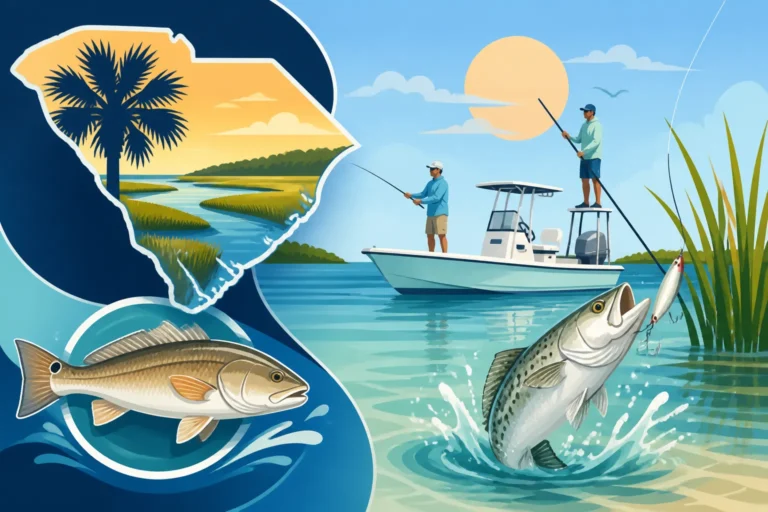
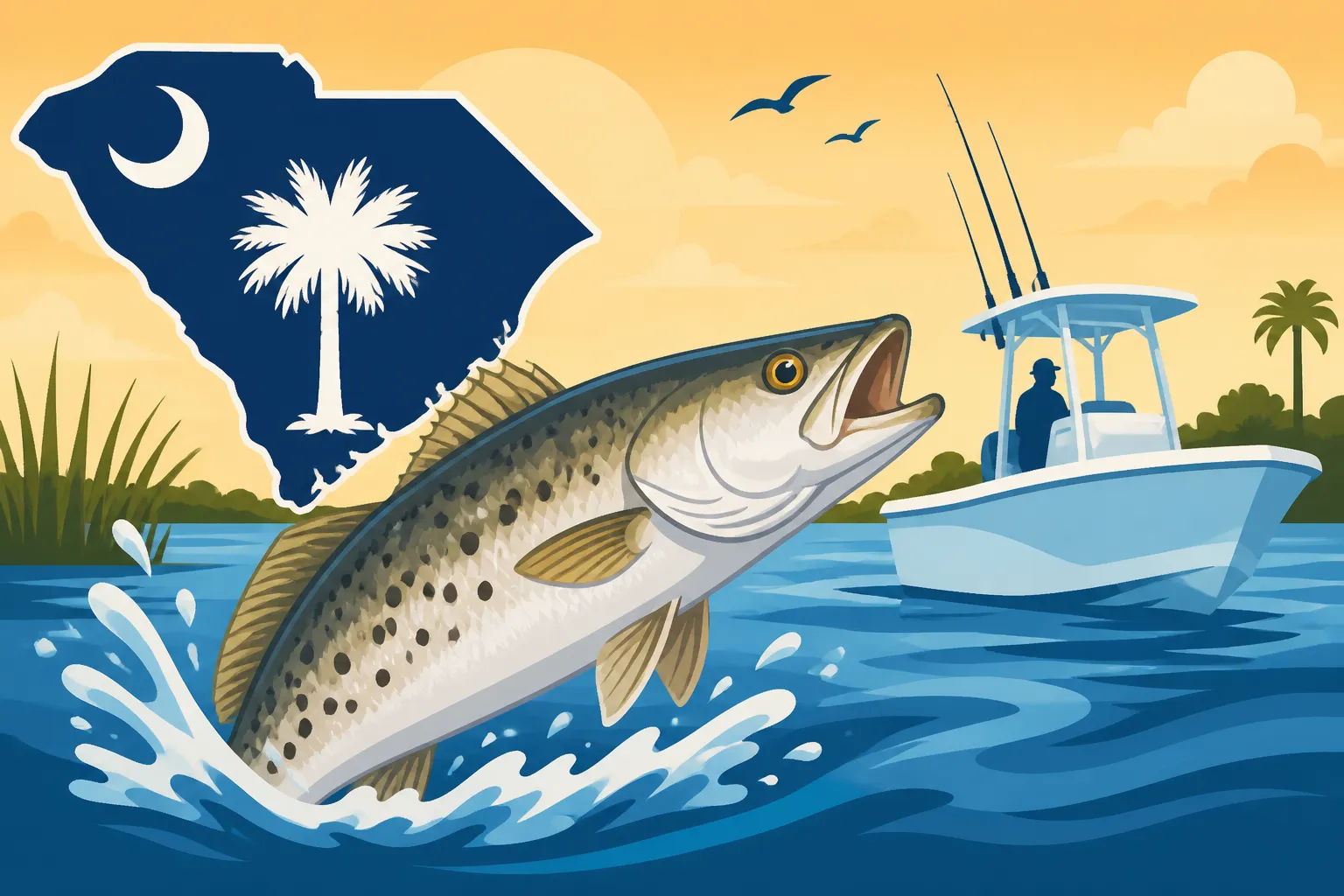
Let's talk about the star of the show: the spotted seatrout, affectionately known as speckled trout. These aren't just any fish; they're known for their aggressive strikes, often leaping and fighting hard, making them an incredibly exciting target for light tackle anglers. Their iridescent silver and green bodies speckled with black dots are truly a sight to behold, especially fresh out of the water. Beyond their fighting spirit, they're also absolutely delicious on the dinner table! South Carolina's expansive inshore waters, from the barrier islands up into the numerous creeks and rivers, provide ideal habitats for these fish, making them a prime target year-round, though their patterns definitely shift with the seasons. It’s a species that appeals to both seasoned anglers looking for a challenge and beginners hoping for consistent action. For many, catching a "speck" is a quintessential Lowcountry fishing experience. Spotted Seatrout in South Carolina Waters: The Full Guide goes into more detail about these fantastic fish.
The Advantages of a Guided Trip for Trout
So, why bother with a charter when you could just grab a rod and head to a pier? Simple: expertise and efficiency. A local guide lives and breathes these waters. They know the ebb and flow of the tides, where the oyster beds are hiding, which grass flats are holding baitfish, and how recent weather patterns might have influenced trout behavior. This isn't just general knowledge; it's hyper-local, specific information gained from countless hours on the water. They have specialized shallow-draft boats that can access areas you might never reach on your own, and they come equipped with all the right gear – rods, reels, baits, and lures that are proven to entice speckled trout. You won't waste precious fishing time fumbling with unfamiliar equipment or trying to figure out where to cast. Plus, a good guide isn't just a driver; they're an educator. They'll teach you techniques, help you identify subtle bites, and handle the less glamorous aspects like baiting hooks and netting fish, allowing you to focus purely on the joy of fishing. It’s an investment in a high-quality, high-success fishing day.
Understanding Your Options for Speckled Trout Charters
When you decide to book a speckled trout charter, you'll quickly realize there are a few key decisions to make that will shape your experience. It's not a one-size-fits-all situation, and understanding these options will help you pick the perfect trip for your preferences and budget. From how long you want to be on the water to how many people are in your group, these choices can significantly impact your day.
Inshore vs. Nearshore Waters for Trout
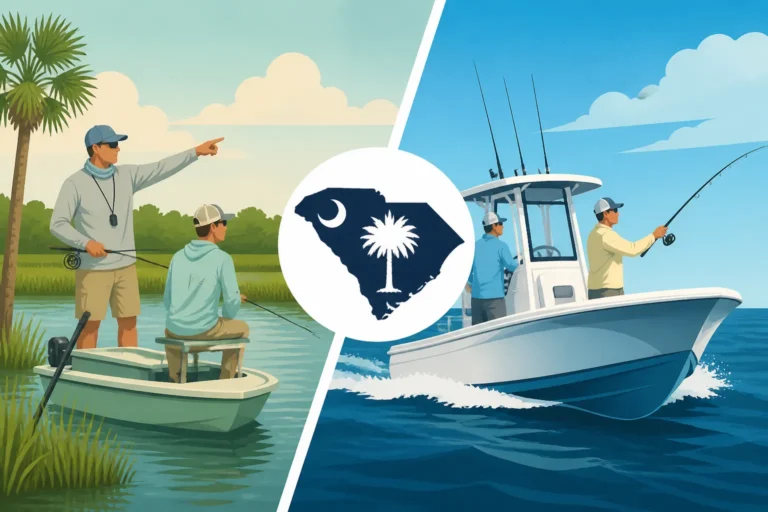
For speckled trout, you're almost exclusively looking at inshore charters. This means you'll be fishing the calm, protected waters of estuaries, tidal creeks, rivers, and bays, typically within sight of land. These environments are prime trout habitat, offering shelter and abundant food sources. The boats used for inshore fishing are generally smaller, often with shallow drafts, allowing them to navigate skinny water and oyster-filled creeks where trout love to ambush bait. You won't be battling big ocean swells, making it a comfortable experience for those prone to seasickness or families with young children.
While some larger trout might occasionally be found in nearshore waters (just outside the inlets in the ocean), the vast majority of dedicated speckled trout charters will focus on the inshore realm. If a charter mentions "nearshore" it might imply targeting species like flounder, redfish, or even smaller sharks in addition to trout. If trout is your primary target, stick to charters explicitly advertising inshore trips. South Carolina Inshore Fishing Charters Explained can give you more context on what these trips entail.
Half-Day vs. Full-Day Trips
This is often a big decision, balancing cost, time, and stamina.
- Half-Day Charters: Typically 3-5 hours. These are fantastic for beginners, families with kids, or those who simply want a taste of the action without committing to a full day on the water. They are usually more budget-friendly. A half-day is often plenty of time to find speckled trout and get some solid fishing in, especially if the bite is on. It allows you to enjoy the morning or afternoon and still have time for other activities. However, if the fish are slow to bite or located a bit further out, a half-day might feel rushed, and the captain might not have time to move to multiple spots.
- Full-Day Charters: Generally 6-8 hours. These offer a more comprehensive fishing experience. Your guide will have ample time to explore different areas, adjust to changing conditions, and try various techniques. If the trout aren't cooperating in one spot, there's plenty of time to move and try another. Full-day trips are often preferred by more serious anglers who want to maximize their chances of a bigger catch or a higher count. They do come at a higher cost and require more stamina, especially during hot summer months.
Here’s a quick comparison:
| Feature | Half-Day Trip (3-5 hours) | Full-Day Trip (6-8 hours) |
|---|---|---|
| Cost | Generally lower overall | Generally higher overall |
| Ideal For | Beginners, families, casual anglers, limited time | Serious anglers, maximizing catch, exploring more areas |
| Pace | Faster, focused on key spots | More relaxed, allows for multiple spots and techniques |
| Energy Level | Less demanding, great for shorter attention spans | More demanding, requires endurance |
| Flexibility | Less adaptable if fishing is slow or conditions change | More adaptable to changing conditions and fish movements |
| Experience | Good introduction to the local fishery | Deep dive into the fishery, more educational opportunity |
Ultimately, both can be highly successful for speckled trout. Consider your group's preferences and what kind of day you envision. Half-Day vs Full-Day Fishing Charters in South Carolina delves deeper into this choice.
Private vs. Shared Charters
The choice between a private and shared charter largely comes down to budget, privacy, and group dynamics.
- Private Charters: This means your group (family, friends, or even just yourself) has the boat and the guide all to yourselves. You dictate the pace, the focus, and the overall vibe of the trip. Want to spend more time casting for trout? Great. Want to release everything you catch? No problem. It offers a personalized experience, especially valuable for families with young children or anglers who want dedicated one-on-one instruction. The cost is for the entire boat, regardless of how many people are in your party (up to the boat's capacity), which can be more expensive for solo anglers or small groups.
- Shared Charters: Also known as "head boats" or "open boat" trips. These are less common for dedicated inshore speckled trout charters, which tend to be more personalized. However, if available, a shared charter means you pay per person, and you'll be fishing alongside other individuals or small groups you don't know. While more budget-friendly, you lose some flexibility as the captain needs to cater to the group as a whole. You might not get as much individual attention, and the focus might be broader than just speckled trout. For trout specifically, most people opt for private charters due to the nature of inshore fishing and the personalized experience it offers.
For booking a South Carolina speckled trout charter, most reputable guides will primarily offer private trips, ensuring a tailored and high-quality experience for your group.
What to Look for When Choosing Your Speckled Trout Guide
Once you've decided on the type of trip you want, the next crucial step is finding the right guide. This isn't just about finding someone with a boat; it's about finding a professional who is passionate, knowledgeable, and dedicated to making your speckled trout adventure a success. A great guide can turn a good day into an unforgettable one.
Experience and Local Knowledge of Trout Habitats
This is paramount. Speckled trout are creatures of habit, but their habits change with the tides, seasons, and even daily weather shifts. You need a guide who isn't just familiar with the general area, but one who intimately understands the specific intricacies of the local creeks, marshes, and estuaries where trout thrive. Ask about their experience specifically targeting speckled trout. Do they know where the oyster beds are? Do they understand how the current influences feeding patterns in different locations? The best guides will have years of experience reading the water, understanding baitfish movements, and pinpointing those elusive "honey holes" where trout congregate. They should be able to explain why they're fishing a particular spot or using a certain lure, which is a fantastic learning opportunity for you. A guide's local knowledge is truly the secret sauce to a successful speckled trout trip.
Boat, Gear, and Safety Considerations
The right equipment makes all the difference. For speckled trout, you'll want a boat that is suitable for shallow, inshore waters. Look for guides with:
- Shallow Draft Boats: Bay boats or flats boats are ideal, allowing access to the shallowest creeks and grass flats where trout often feed, especially during higher tides.
- Well-Maintained Gear: The rods and reels should be light tackle, appropriate for speckled trout, and in good working order. There's nothing more frustrating than a reel that grinds or a rod with a broken tip. Your guide should provide quality live bait (like shrimp or finger mullet) or a variety of proven artificial lures.
- Safety First: A reputable guide will always prioritize safety. This means having all required U.S. Coast Guard safety equipment on board, including life jackets (especially child sizes), a first-aid kit, and communication devices. Don't be shy about asking about their safety protocols. They should also hold all necessary licenses and insurance.
Reading Reviews and Getting Recommendations
In today's digital age, information is readily available, and using it wisely can save you from a disappointing trip.
- Online Reviews: Platforms like FishingBooker (and others) are invaluable for seeing what previous clients have to say. Look for consistent themes:
- Trout-specific success: Do reviews mention good speckled trout catches?
- Guide's demeanor: Is the guide patient, friendly, and good with kids/beginners?
- Communication: Was the booking process smooth and clear?
- Boat and gear condition: Are they clean and well-maintained?
- Value for money: Did people feel they got a good experience for the price?
- Pay attention to recent reviews, as a guide's performance can fluctuate.
- Word-of-Mouth: If you know local anglers or have friends who have fished in South Carolina, ask for their recommendations. Personal endorsements are often the most trustworthy.
- Direct Communication: Don't hesitate to call or email a prospective guide before booking. Ask specific questions about their approach to speckled trout fishing, what they provide, and what you should bring. A good guide will be happy to chat and instill confidence. This is also where platforms like FishingBooker can help by connecting you directly with reputable captains, making it easier to compare options and read verified reviews before you commit.
The Booking Process and What to Expect
You've done your research, found a few potential guides, and now you're ready to secure your speckled trout adventure. The booking process itself is usually straightforward, but understanding the typical steps and what to prepare for can ease any anxieties and ensure you’re set for a fantastic day on the water.
When and How to Book Your Charter
Booking your South Carolina speckled trout charter effectively hinges on two main factors: timing and method.
- When to Book: Speckled trout can be caught year-round in South Carolina, but certain seasons are definitely hotter than others. The fall and spring are often considered prime times, with cooler temperatures, active fish, and usually pleasant weather. During these peak seasons, guides can book up weeks or even months in advance. If you're planning a trip during a holiday weekend or a popular fishing month, booking at least 2-3 months out is highly recommended to secure your preferred date and captain. Even in the slower summer and winter months, booking a few weeks ahead is a good idea. Waiting until the last minute can severely limit your options.
- How to Book: Most reputable guides will have a website or be listed on online booking platforms.
- Directly with the Guide: Many guides prefer direct bookings through their website or a phone call. This allows for personalized communication and ensures you're speaking directly with the person who will be taking you fishing. You'll typically pay a deposit upfront to hold your date.
- Online Booking Platforms: Websites like FishingBooker specialize in connecting anglers with charter captains. These platforms often provide detailed profiles for each guide, customer reviews, clear pricing, and a secure way to book and pay deposits. They can be a great tool for comparing multiple options in one place and ensuring you're working with a legitimate, licensed captain. Many even offer a "best price guarantee" or provide quick confirmation, which is helpful if you're planning a trip from out of town. How to Book a Fishing Charter in South Carolina offers general advice on the process.
Always confirm the date, time, meeting location, and any specific requests you might have (like targeting only trout, or bringing kids). Getting everything in writing or via email confirmation is a good practice.
Typical Costs and What They Include
The cost of a speckled trout charter in South Carolina can vary widely based on duration (half-day vs. full-day), location (some areas might be pricier due to demand), and the guide's reputation. Generally, inshore charters are priced per trip, not per person, up to a certain number of anglers (e.g., up to 3 or 4 people).
- What's Usually Included:
- The Boat and Captain: Obviously, the main components!
- Fishing Gear: Rods, reels, tackle, and typically all the bait you'll need (live or artificial, depending on the captain's strategy and the time of year).
- Safety Equipment: Life jackets, first-aid kit, etc.
- Basic Supplies: Sometimes bottled water or ice for drinks.
- Fishing License (for the boat): Most charters operate under a blanket license that covers everyone on board. However, it's always wise to double-check this with your specific captain. While a charter license usually covers the boat, some regions or captains might still recommend or require individual licenses, so always ask to be safe. Do You Need a Fishing License for a Hilton Head Charter? is a good resource to review.
- Fish Cleaning: Many guides will clean and bag your catch for you at the end of the trip, which is a fantastic perk!
- What's Usually NOT Included:
- Individual Fishing License: While the boat generally has a license, verify if you, as an individual angler, need one. In South Carolina, if you are on a licensed charter boat, you typically do not need an individual license as you are covered under the boat's commercial license. Always confirm with your captain for absolute clarity, as rules can sometimes have nuances.
- Food and Drinks: Beyond basic water, you'll want to bring your own snacks, sandwiches, and beverages.
- Sun Protection: Sunscreen, hats, polarized sunglasses are essential and not provided.
- Rain Gear: If there's a chance of rain, you'll need your own.
- Gratuity (Tip): This is a big one and crucial to factor into your total cost. A tip for your captain is customary and greatly appreciated.
Always clarify what the quoted price includes when booking to avoid any surprises. Reputable guides and platforms like FishingBooker will have clear descriptions of inclusions.
Preparing for Your Speckled Trout Adventure
Preparation is key to a comfortable and successful day. Think about your personal comfort and what you might need while out on the water.
- Clothing: Dress in layers! Even on a warm day, mornings can be cool, and the sun can get intense later on. Quick-dry fabrics are ideal. Consider a long-sleeved fishing shirt for sun protection.
- Sun Protection: This cannot be stressed enough in South Carolina. Bring high SPF sunscreen, a wide-brimmed hat, and polarized sunglasses (these are particularly helpful for spotting fish or structure in the water).
- Food & Drink: Pack snacks, lunch, and plenty of water or other non-alcoholic beverages. A small cooler is often handy.
- Cooler for Fish: If you plan on keeping your catch, bring a cooler to leave in your car. Your guide will likely put your cleaned fish on ice in bags, and you'll want a way to transport them home.
- Camera: To capture those memorable catches!
- Medications: Any personal medications you might need. If you're prone to motion sickness, take preventative measures before you get on the boat. Even inshore waters can sometimes be choppy.
- Small Bag: Keep your essentials in a small, waterproof bag that you can easily access.
- Footwear: Wear comfortable, non-slip shoes. Flip-flops are okay, but something with a bit more grip is safer.
- Rain Gear: Always a good idea to pack a lightweight rain jacket, even if the forecast looks clear. Weather can change quickly on the coast.
Remember, the goal is to be comfortable and prepared so you can focus entirely on the fishing. A comprehensive packing list can be found in What to Pack for a Hilton Head Charter Fishing Trip.
Maximizing Your Speckled Trout Charter Experience
You've booked your charter, packed your bags, and you're ready to go! Now, let's talk about how to make the absolute most out of your time on the water, ensuring you not only catch fish but also have a truly enjoyable and respectful experience.
Communication with Your Captain
Your guide is a wealth of knowledge, but they're not mind-readers. Open and honest communication is essential from the moment you meet.
- Before the Trip: Reconfirm details like meeting time and location a day or two beforehand. Discuss any specific preferences you have (e.g., wanting to focus exclusively on trout, or if you're a complete beginner and need extra help). If you have any physical limitations or concerns, mention them so the guide can accommodate you.
- During the Trip: Ask questions! Why are we fishing this spot? What's the best way to present this bait? What am I looking for in a bite? A good guide loves to share their knowledge, and you'll learn a ton. Be clear about your goals for the day – are you hoping for a trophy, or just a good number of eaters? This helps the captain tailor the experience. Also, speak up if you're feeling unwell or uncomfortable for any reason. Your comfort and safety are paramount.
Respecting Regulations and the Environment
Part of being a responsible angler, especially when targeting a popular species like speckled trout, is understanding and respecting the rules. Your captain will certainly be up-to-date, but it's good for you to be aware.
- Size and Bag Limits: South Carolina has specific regulations for spotted seatrout regarding minimum size and daily bag limits. These rules are in place to ensure a healthy and sustainable fish population. Your guide will be well-versed in these, making sure all legal fish are kept and undersized ones are released safely. South Carolina Spotted Seatrout Minimum Size 14 Inches and South Carolina Spotted Seatrout Daily Bag Limit of 10 Fish provide the details.
- Catch and Release: Many anglers choose to release some or all of their catch, especially larger breeding fish. Discuss your preferences with your guide. If you are releasing fish, learn how to handle them carefully to maximize their survival chances.
- Environmental Stewardship: Always dispose of trash properly. Never throw plastics or other non-biodegradable items overboard. Be mindful of the delicate marsh ecosystems. Good guides are often passionate conservationists, and following their lead helps preserve these resources for future generations.
Tipping Your Guide
Tipping your fishing guide is a long-standing tradition and a crucial part of the charter fishing industry. Think of it like tipping a waiter or hairstylist; it's how you acknowledge excellent service and hard work.
- Standard Practice: The industry standard for tipping a fishing guide is typically 15-20% of the total charter cost. If your guide went above and beyond – worked tirelessly to find fish, was exceptional with your kids, or provided outstanding instruction – you might consider tipping a bit more.
- When to Tip: It's customary to give the tip directly to the captain at the end of the trip, usually after the fish have been cleaned (if that service was provided).
- Why It Matters: Guides work incredibly hard, often starting their day hours before you arrive to prepare bait, check conditions, and get the boat ready. They rely on tips as a significant portion of their income. A generous tip shows your appreciation for their effort, expertise, and the memorable experience they provided. Tipping Your South Carolina Fishing Guide offers more insight into this important etiquette.
By communicating clearly, respecting the rules, and showing appreciation, you'll not only have a fantastic speckled trout fishing experience but also foster a positive relationship with your guide, ensuring you're welcomed back for future adventures in the Palmetto State's incredible waters.
Disclaimer
This article is for general informational purposes only and does not constitute professional advice. Laws, prices and regulations vary by location and change over time. Consult a qualified professional for guidance on your specific situation.