South Carolina 4-Hour vs 8-Hour Charter Fishing Cost
It can be really puzzling when you start looking at fishing charter prices in South Carolina. You see wildly different numbers for what seem like similar trips, and often, the biggest head-scratcher is figuring out if that shorter, more affordable 4-hour trip is genuinely good value, or if you should bite the bullet and go for the full 8-hour experience. This guide is here to cut through that confusion, helping you understand the real differences in cost, experience, and what you can expect from both 4-hour and 8-hour fishing charters on the beautiful South Carolina coast.
Understanding the Basic Cost Structure of South Carolina Fishing Charters
When you're dreaming of a day out on the water, battling a feisty redfish or pulling in a big mahi-mahi, the first hurdle is always the cost. It's not always straightforward, and many anglers, especially those new to charter fishing, feel a bit lost trying to decode the pricing. Let's break down the fundamental elements that determine how much you'll pay, whether you opt for a quick half-day or an immersive full-day adventure.
The Fundamentals of Charter Pricing
It’s easy to assume that a fishing charter’s price is simply a direct hourly rate, but it's far more nuanced than that. The cost you see isn't just about the time you spend fishing; it's a comprehensive package that covers a multitude of expenses and expertise. Think about it – the captain isn't just showing up for a few hours of work; they've got to maintain their vessel, purchase and store top-notch tackle, buy live bait (which isn't cheap!), cover insurance, and of course, bring years of local knowledge to the table. The type and size of the boat also play a huge role, as larger, more powerful vessels capable of offshore excursions naturally come with higher operational costs.
Often, charter prices are quoted for the entire boat, accommodating a specific number of passengers, rather than on a per-person basis. This is a crucial distinction, as it means the total cost of a trip doesn't necessarily double if you bring a second angler. However, there's usually a maximum capacity, and sometimes an additional charge if you bring more than a base number of people. This 'private charter' model ensures you get personalized attention from your guide and the flexibility to fish where and how you want, within the trip's scope. When browsing options on platforms like FishingBooker, pay close attention to whether the price is for the boat or per angler, as this can dramatically change your budget calculations.
Why Shorter Trips Appear Less Expensive Upfront
There's no denying it: a 4-hour charter will almost always have a lower sticker price than its 8-hour counterpart. This immediately makes it attractive to many, especially those looking to dip their toes into charter fishing without a huge financial commitment. It feels like a more accessible option, and for many, it absolutely is. The initial outlay is less daunting, making it an excellent choice for a quick getaway or a spontaneous fishing trip while on vacation.
However, it's important to understand that while the total cost is lower, it doesn't always translate to the "cheapest" experience in terms of potential catch or the variety of fishing you can do. Shorter trips inherently limit the distance a captain can travel from the dock and the amount of time they can spend searching for fish or waiting for a bite. This means that certain desirable species, especially those found further out or requiring more specific conditions, might be entirely off-limits for a half-day outing. You're trading extended opportunities for a lower entry price, which is a perfectly valid choice, but it's a trade-off nonetheless.
The South Carolina 4-Hour Fishing Charter: A Closer Look
Imagine you're on vacation in Charleston or Hilton Head, and you've got a morning or afternoon free. A 4-hour fishing charter might just be the perfect fit. It's a fantastic way to experience the thrill of South Carolina's waters without dedicating an entire day, making it popular with families, first-timers, and those with a packed itinerary.
Ideal Scenarios and Target Species for Shorter Trips
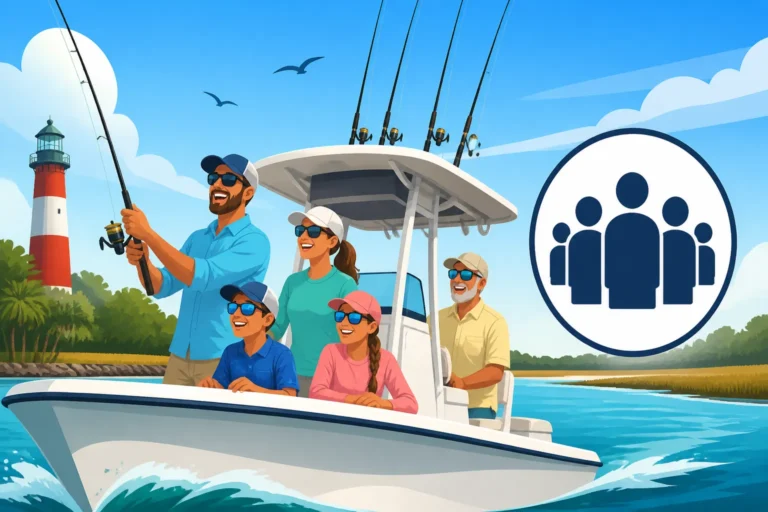
A 4-hour trip is often the sweet spot for many different types of anglers. If you're traveling with young children, their attention spans (and patience for waiting for a bite) might be best suited for a shorter adventure. It’s enough time to get them excited about fishing, potentially catch a few fish, and make lasting memories without anyone getting bored or restless. Beginners also find shorter trips less intimidating. It allows them to learn the basics of casting, reeling, and fighting a fish in a relaxed environment, often close to shore where the action can be more consistent.
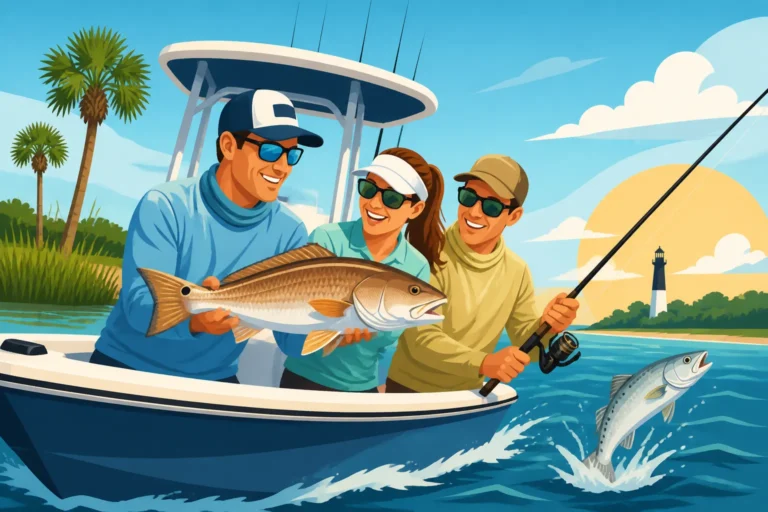
For anglers with limited time or budget, a half-day charter is a no-brainer. You get to experience the expertise of a local guide, use quality gear, and hopefully land some fish, all within a compact timeframe. On these shorter trips, captains typically focus on inshore species that are readily accessible in creeks, estuaries, and nearshore waters. Think about chasing abundant South Carolina Redfish Slot Limit 18 to 25 Inches in the marsh, targeting South Carolina Spotted Seatrout Minimum Size 14 Inches around oyster beds, or even jigging for flounder near inlets. These species provide excellent action and are often found in areas that don't require long runs, maximizing your fishing time. If you're bringing the family, many guides specialize in Kid-Friendly Charters on Hilton Head Island that are perfectly tailored to these shorter, action-packed excursions.
What to Expect in Terms of Experience and Fishability
When you book a 4-hour charter, the emphasis is on efficiency and getting to the action quickly. Your captain will likely have a few go-to spots relatively close to the marina where they know fish are likely to be biting. This means less travel time and more lines in the water. You'll spend your time exploring the intricate network of tidal creeks, protected bays, and perhaps some nearshore reefs or jetties, depending on your location and the captain's assessment of the best bite.
While you might not cover as much ground as an 8-hour trip, the captain's goal is still to put you on fish. They'll use their local knowledge to navigate to productive areas, often relying on recent reports and tidal patterns to increase your chances. You might try a few different spots, but the focus will be on maximizing bites within the limited timeframe. It’s a great introduction to the local fishery and an excellent way to get some immediate gratification. Don't expect to run 50 miles offshore, but do expect a focused effort on inshore targets, providing a solid fishing experience that's both enjoyable and manageable for everyone aboard.
The South Carolina 8-Hour Fishing Charter: Maximize Your Time on the Water
If you're a serious angler or someone who truly wants to immerse themselves in the fishing experience, an 8-hour charter is often the way to go. It offers a completely different level of depth and opportunity compared to its shorter counterpart, allowing for broader exploration and more strategic fishing.
The Advantages of a Full Day Out
For many anglers, the full day on the water is where the real magic happens. An 8-hour trip caters to those who want more than just a quick trip; they want an adventure. This duration is ideal for seasoned fishermen looking to target a wider variety of species, explore more diverse ecosystems, or simply enjoy the extended peace and quiet that comes with a longer day offshore. With double the time, captains can travel further, allowing access to more remote and often less pressured fishing grounds. This opens up possibilities for targeting species that might be out of range for a half-day trip or require more time to locate.
The extended duration also provides a significant advantage in terms of adaptability. If the bite is slow at one spot, there's ample time to move to several others, try different techniques, or wait for a specific tide or feeding window. This flexibility dramatically increases your chances of success, especially when pursuing more elusive or trophy-sized fish. You're not rushing; instead, you're embracing the full rhythm of the fishing day. This is particularly beneficial for complex environments like South Carolina's coastal waters, where conditions can change rapidly and fish patterns can be highly localized.
Exploring Diverse Waters and Targeting Trophy Fish
One of the biggest draws of an 8-hour charter is the ability to venture into truly diverse waters. While a 4-hour trip might stick to the estuaries, an 8-hour trip can easily combine inshore marsh fishing with a run out to nearshore reefs or even further offshore. This means you could start the morning casting for redfish in a shallow creek, then by afternoon, you might be bottom fishing for snapper or trolling for king mackerel a few miles out in the ocean. This versatility is unmatched by shorter trips. If you're interested in South Carolina Offshore Fishing Charters Explained, an 8-hour trip is usually the minimum to consider, offering enough time to reach productive offshore grounds.
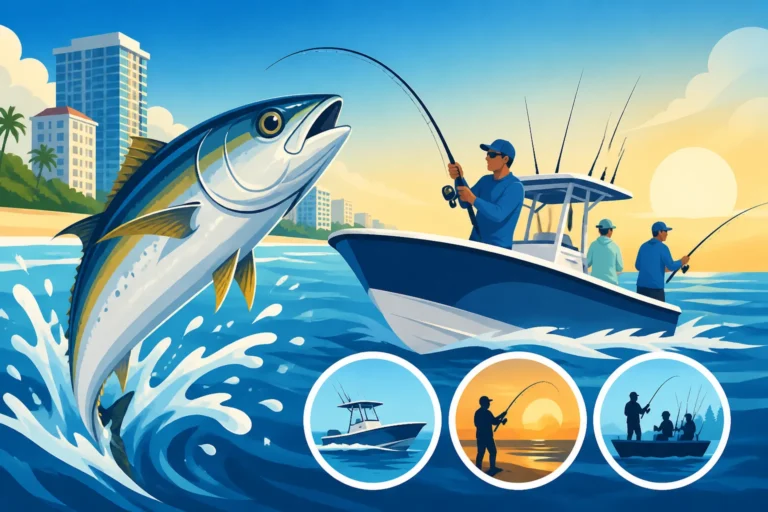
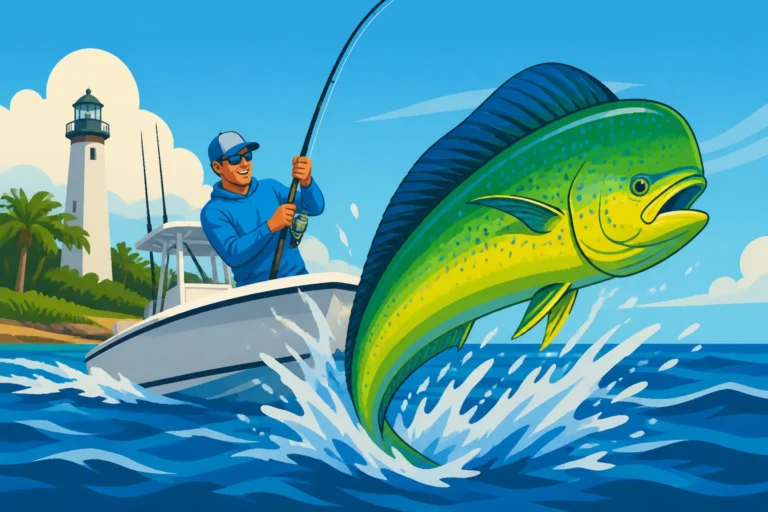
For those dreaming of a trophy catch, an 8-hour trip offers the best odds. Targeting larger game fish like Mahi-Mahi Charter Fishing Trips in South Carolina, Tuna and Wahoo Charters off the South Carolina Coast, or even large sharks, often requires significant travel time to specific offshore structures, temperature breaks, or migratory routes. An 8-hour trip provides the necessary window to get there, spend quality time fishing, and make the journey back safely. Even for inshore fishing, the extra time means you can patiently work a productive grass flat through multiple tide changes, fish a wider array of oyster bars, or specifically seek out a larger class of fish that might be holding in deeper channels or farther up a river system. This extended commitment significantly increases your chances of encountering that once-in-a-lifetime fish.
Deciphering the Cost Difference: What You're Really Paying For
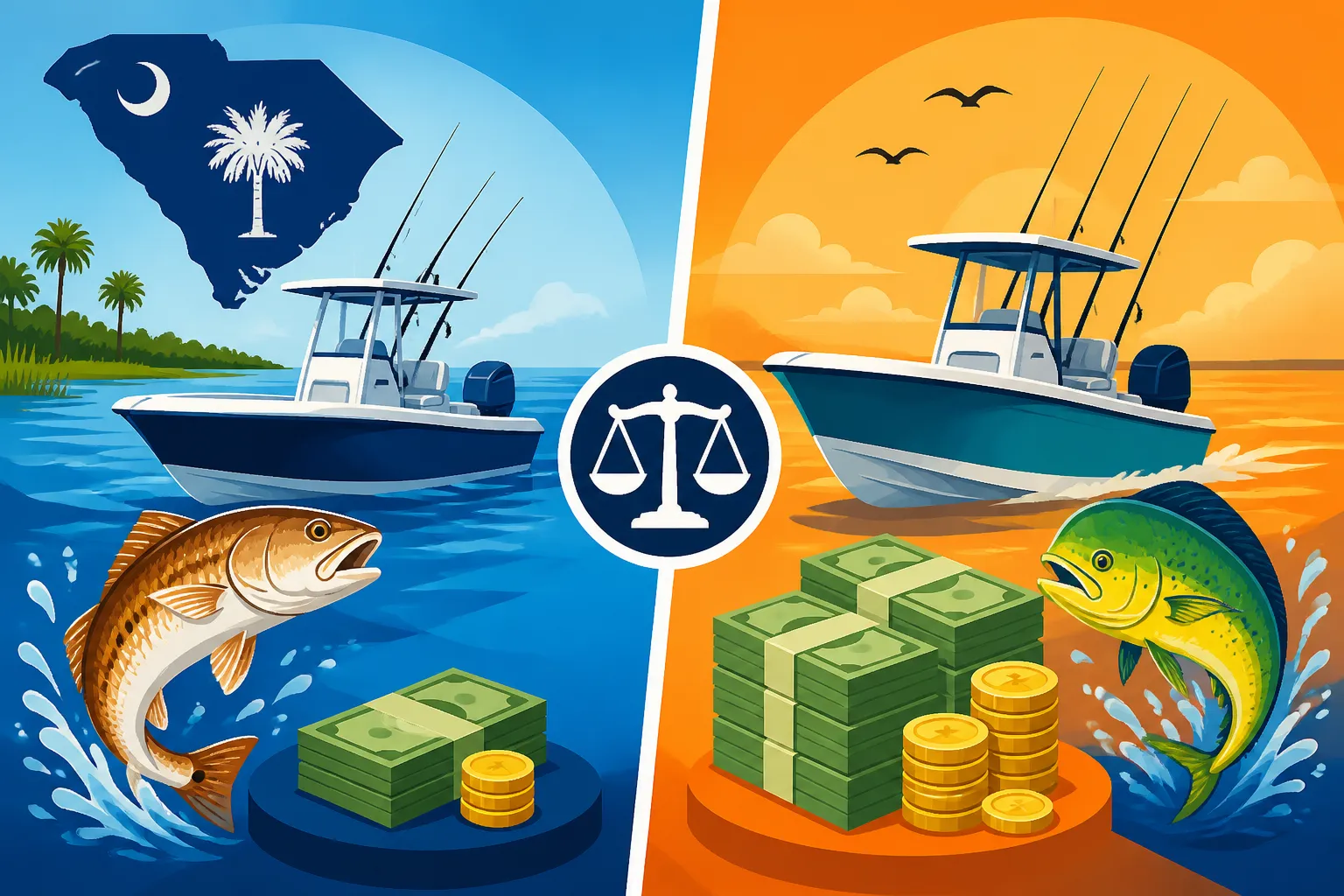
The difference in price between a 4-hour and an 8-hour charter might seem like a simple doubling of the cost, but it's actually much more complex. There are several key factors that contribute to the price gap, and understanding them helps you appreciate the true value of each trip duration. It's not just about the hours; it's about the entire operational scope.
Factors That Influence the Price Gap
The most obvious factor is fuel. An 8-hour trip, especially one that ventures offshore, consumes significantly more fuel than a 4-hour inshore trip. Offshore boats are often larger, with bigger engines, and covering greater distances means burning through hundreds of dollars worth of gasoline or diesel in a single day. This is a primary driver of increased costs for longer trips. Beyond fuel, you're also paying for the captain and crew's extended time and expertise. Eight hours of navigating, guiding, baiting hooks, and managing lines is a full workday, demanding more from the professionals on board.
The longer duration also means more wear and tear on tackle, more bait consumed, and simply more operating expenses in general. Boats need to be serviced regularly, and every hour on the water contributes to that maintenance schedule. Furthermore, an 8-hour trip gives the captain the flexibility to access more distant and potentially more productive fishing grounds that are simply too far for a 4-hour turnaround. This access to premium spots, often holding larger or more numerous fish, is inherently more valuable. It's not just a matter of adding hours; it's about unlocking a broader and deeper fishing experience.
It's also worth noting that while the overall price for an 8-hour trip is higher, the "cost per hour" can sometimes be more efficient than a shorter trip. You might pay, for example, X amount for 4 hours and 1.7X or 1.8X for 8 hours, meaning each hour on the water is technically a better deal on the longer trip, as many of the fixed costs (like getting the boat ready, initial travel, etc.) are amortized over more time.
Beyond the Sticker Price: Value and Experience
When you're comparing the South Carolina 4-hour vs 8-hour charter fishing cost, it’s important to look past the sticker price and consider the overall value and experience you’re seeking. For many anglers, particularly those who are passionate about fishing, the extra investment in an 8-hour trip is entirely justified by the increased opportunities and the richer, less rushed experience. You're not just buying time; you're buying flexibility, access to prime fishing grounds, and a greater chance at a diverse or trophy catch.
What’s included in the price is also a major factor. Most reputable South Carolina fishing charters, regardless of duration, will typically include your fishing license (which is a huge relief for out-of-state visitors), all necessary bait and tackle, and the expertise of your captain. On longer trips, some charters might offer additional amenities like bottled water, snacks, or even lunch, though this isn't universally standard. They also often include the cleaning and filleting of your catch at the end of the day, making it easy for you to take home fresh fish. When researching charters on sites like FishingBooker, make sure to read the 'what's included' section carefully. Understanding these inclusions helps paint a clearer picture of the overall value proposition.
Ultimately, the choice between a 4-hour and an 8-hour charter comes down to your personal preferences, budget, and fishing goals. If you're after a quick, fun introduction to South Carolina fishing, the 4-hour trip is fantastic. But if you're serious about spending a full day chasing a wider variety of fish, exploring more waters, and truly maximizing your chances for a memorable catch, the 8-hour trip offers an unparalleled experience that's often worth the additional investment.
Here's a quick comparison to help you weigh your options:
| Feature | 4-Hour Charter (Half-Day) | 8-Hour Charter (Full-Day) |
|---|---|---|
| Typical Cost | Lower initial price point | Higher initial price point |
| Target Audience | Families with kids, beginners, limited time/budget | Serious anglers, those seeking variety/trophies |
| Fishing Area | Primarily inshore: creeks, estuaries, jetties | Inshore, nearshore, and offshore capable |
| Species Variety | Good for common inshore species (redfish, trout) | Wider range of inshore, nearshore, and offshore |
| Travel Time | Minimal travel to maximize fishing time | Allows for longer runs to distant spots |
| Flexibility | Less time to adapt to conditions or move spots | Ample time for multiple spots, changing tactics |
| Experience | Quick introduction, focused action | Immersive, in-depth, relaxed, adventure-focused |
| Fuel Usage | Relatively low | Significantly higher |
| Value (Per Hr) | Higher per-hour cost in some cases | Often lower per-hour cost, more opportunities |
Remember to factor in other costs like tipping your captain and crew. While not always included in the upfront price, gratuity is a customary way to show appreciation for a great trip, typically ranging from 15-20% of the trip cost. You can learn more about this in How Much to Tip Your South Carolina Fishing Guide. Also, consider the best time of year to maximize your chances, as different seasons are better for specific species. You might find some helpful insights in South Carolina Fishing Seasons Guide. Whether you choose a short trip or a long one, South Carolina's waters offer incredible fishing opportunities year-round!
Disclaimer
This article is for general informational purposes only and does not constitute professional advice. Laws, prices and regulations vary by location and change over time. Consult a qualified professional for guidance on your specific situation.