How to Book a Murrells Inlet Fishing Guide
If you've ever dreamt of casting a line into the rich, teeming waters of Murrells Inlet, you know the excitement is quickly followed by a common question: "How do I even find a good guide?" It's not always easy to sift through countless options, wonder about reputable captains, or know what kind of trip is right for you. This comprehensive guide is here to cut through the confusion and walk you through every step of booking the perfect Murrells Inlet fishing guide for your adventure.
Why Murrells Inlet is a Prime Fishing Destination
Murrells Inlet, often dubbed the "Seafood Capital of South Carolina," isn't just famous for its culinary delights; it's a true angler's paradise. Nestled just south of Myrtle Beach, this unique coastal community boasts a labyrinthine estuary system that provides shelter and sustenance for an incredible array of fish species. If you're looking for a memorable day on the water, whether you're a seasoned pro or bringing the kids for their first cast, Murrells Inlet offers an unparalleled experience.
The Unique Murrells Inlet Estuary System
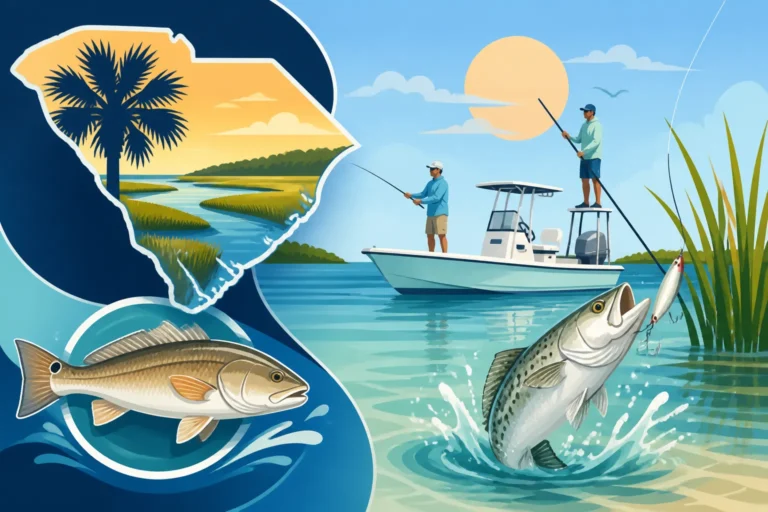
What makes Murrells Inlet so special for fishing is its intricate network of saltwater creeks, tidal flats, oyster beds, and deep channels. This diverse habitat creates a perfect environment for a vibrant ecosystem to thrive. The constant ebb and flow of the tides bring in nutrients, attracting baitfish, shrimp, and crabs, which in turn draw in larger predatory fish. It’s a dynamic, ever-changing environment, offering different fishing opportunities depending on the tide, season, and even the time of day. This complexity is precisely why a local guide is so invaluable – they know these waters like the back of their hand, understanding the subtle nuances that lead to a successful trip.
The marsh grass, a signature of the Lowcountry, provides critical cover and feeding grounds. You’ll find guides expertly navigating shallow water flats, poling silently through skinny water, or anchored in a deeper creek bend, all thanks to the diverse structure of the inlet. It’s a place where you can truly immerse yourself in the natural beauty of the South Carolina coast while pursuing your angling passions.
Target Species and Seasonal Opportunities
One of the greatest joys of fishing Murrells Inlet is the sheer variety of fish you can target throughout the year. It's truly a year-round fishery, though certain seasons certainly shine for specific species. Knowing what you want to catch can help you narrow down your guide choice and the best time to book.
During the warmer months, the inshore waters burst with activity. You'll find a strong presence of Redfish, also known as Red Drum, often seen tailing in the shallows or cruising creek banks. Spotted Seatrout are also abundant, offering exciting topwater action in the mornings and evenings. Flounder can be found camouflaged on the bottom, waiting to ambush unsuspecting prey. Beyond these mainstays, you might also encounter Sheepshead around oyster beds and bridge pilings, or even smaller species like various types of South Carolina Sunfish and Panfish: A Beginner's Guide that are perfect for younger anglers.
As the weather cools, while some species might become a bit more sluggish, the fishing doesn't stop. Redfish remain a strong target, often schooling up in deeper holes or sunning themselves on mud flats. Spotted Seatrout can still be caught, though their patterns might shift, requiring different techniques. Many guides also offer nearshore trips during cooler weather, targeting species that move slightly out of the inlet but remain close to the coast. Understanding these seasonal shifts is something a good guide lives and breathes, and they'll be able to recommend the best time for your desired catch.
Understanding Murrells Inlet Fishing Guide Options
So, you're convinced Murrells Inlet is your next fishing destination. Great! Now, let's talk about the different kinds of guides and trips available, because it’s far from a one-size-fits-all situation. The type of experience you're looking for will heavily influence the guide you choose.
Inshore vs. Nearshore vs. Offshore Guides
The first major distinction you'll encounter when looking for a Murrells Inlet fishing guide is the type of waters they specialize in. This often dictates the boat type, the target species, and the overall experience.
-
Inshore Guides: These captains specialize in the protected waters of the inlet itself – the creeks, bays, and marsh flats. Their boats are typically smaller, shallower draft vessels like bay boats or flats boats, designed to navigate tight spaces and shallow water. This is where you’ll chase Redfish, Spotted Seatrout, and Flounder. Inshore trips are fantastic for families, those prone to seasickness, or anyone who enjoys calmer waters and sight fishing. The scenery is often stunning, offering close-up views of the Lowcountry wildlife. Many of these guides are masters of the Tide-Based Techniques for Inshore Fishing, knowing exactly how the water movement affects fish behavior.
-
Nearshore Guides: Stepping up a notch, nearshore guides venture just outside the inlet, typically within a few miles of the coast. These trips might target species like Spanish Mackerel, King Mackerel, Tarpon (in summer), and various bottom fish like Black Sea Bass. The boats are usually a bit larger and more capable in slightly choppier conditions than inshore boats, but still stay within sight of land. This offers a good compromise for those who want a taste of ocean fishing without the commitment of a full offshore excursion.
-
Offshore Guides: If you dream of battling pelagic giants, an offshore guide is what you need. These charters travel many miles out into the Atlantic, targeting species like Mahi-Mahi, Tuna, Wahoo, Sailfish, and Marlin. Offshore boats are larger, often 30-60 feet, designed for comfort and safety in open ocean conditions. These trips are typically full-day excursions and can be more physically demanding, but the rewards can be truly epic. For more general information on these types of trips, you might want to read South Carolina Offshore Fishing Charters Explained.
Trip Lengths: Half-Day, 3/4-Day, Full-Day
Once you know where you want to fish, you need to decide how long you want to be out there. Fishing trips come in various durations, each with its own benefits and considerations.
-
Half-Day Trips (4-5 hours): These are by far the most popular, especially for families with younger children or anglers who are new to guided trips. A half-day trip allows you to get out on the water, experience the thrill of the catch, and be back in time for lunch or dinner. It's less expensive and less physically demanding. While a half-day might limit the ground you can cover or the variety of species you can target, a good Murrells Inlet fishing guide can still make it incredibly productive, especially for inshore species like Redfish and Spotted Seatrout. Many guides offer morning and afternoon half-day slots. For a deeper dive, check out Half-Day vs Full-Day Fishing Charters in South Carolina.
-
3/4-Day Trips (6-7 hours): This option offers a fantastic middle ground. You get more time on the water than a half-day, allowing the captain to explore more spots, adapt to changing conditions, and potentially target a wider range of species. It's a great choice if you're serious about fishing but don't want the full commitment of an entire day. You'll likely have more opportunities for multiple hook-ups and a more relaxed pace.
-
Full-Day Trips (8+ hours): For the avid angler, the full-day trip is the ultimate experience. This duration allows the guide to run further, fish more diverse locations, and really dial in on the bite. Offshore trips are almost exclusively full-day. Even for inshore, a full-day gives you the best chance to target specific trophy fish, try different techniques, or chase multiple species. Be prepared for a longer day in the elements, and remember that these trips are naturally more of an investment.
Specialty Charters: Fly Fishing, Kid-Friendly, Night Fishing
Beyond the standard offerings, many Murrells Inlet fishing guides provide specialized experiences tailored to specific interests. Don't be afraid to ask if they offer something unique!
-
Fly Fishing Charters: Murrells Inlet's clear, shallow flats are fantastic for fly fishing, particularly for Redfish. These guides are typically expert fly casters themselves and are patient instructors, making them ideal for both experienced fly anglers and those looking to try it for the first time. They often use specialized skiffs that can get into extremely shallow water, offering a unique challenge and rewarding experience.
-
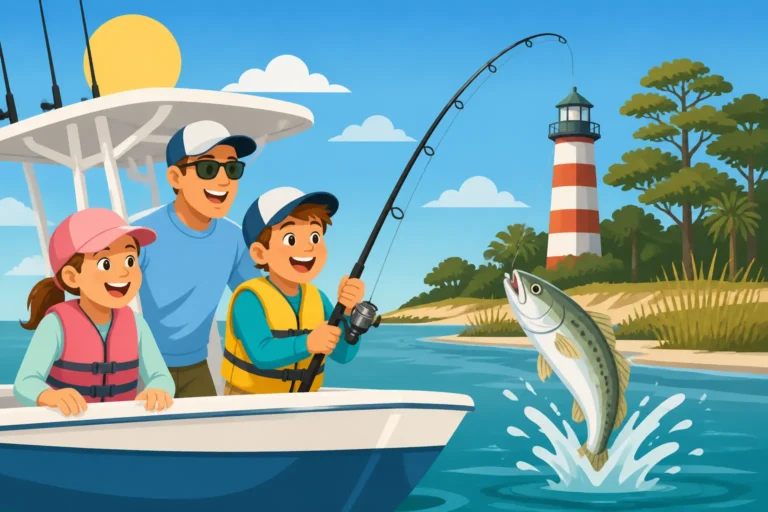
Kid-Friendly Charters: Many guides recognize the importance of introducing the next generation to fishing. Kid-friendly charters often focus on action over trophy size, targeting species like Bluegill, smaller Redfish, or Spotted Seatrout that bite readily. The captains are usually extra patient, have safety gear for children, and might even have special smaller rods for little hands. They understand that the goal is fun and creating lasting memories. If you're planning a trip with youngsters, explicitly ask about their approach to Fishing License Rules for Kids in South Carolina and if they cater to families.
-
Night Fishing Charters: While less common for Murrells Inlet specifically, some guides do offer night fishing, especially for species like Catfish in brackish areas or for certain inshore species that feed actively after dark. This can be a serene and exciting experience, away from the daytime boat traffic, offering a completely different perspective on the fishery.
Step-by-Step: Booking Your Murrells Inlet Fishing Guide
Now that you have a clearer picture of the types of trips and what Murrells Inlet offers, let's get down to the brass tacks: how do you actually book that perfect guide? This process can feel daunting, but breaking it down into manageable steps makes it much easier.
Defining Your Fishing Goals
Before you even start looking, sit down and honestly answer a few questions about what you want from your trip. This self-reflection will be your compass in a sea of options.
- What are your target species? Do you dream of catching a big Redfish, or are you hoping for some delicious Flounder to take home for dinner? Maybe you want to try for a trophy Striped Bass nearshore, or simply put some easy-to-catch panfish in the boat for the kids. Knowing this helps narrow down guides who specialize in those species.
- What's your experience level? Are you a seasoned angler who wants to be challenged, or a complete novice needing patient instruction? Some guides cater more to beginners, others to hardcore fishermen.
- Who is in your group? Is it a solo trip, a buddy trip, a romantic outing, or a family adventure with young children? The group dynamic heavily influences the best type of charter. A guide who is great with experienced anglers might not be the best fit for a fidgety five-year-old.
- What's your budget? Be realistic about what you're willing to spend. Longer trips, larger boats, and offshore excursions will naturally cost more. Having a budget in mind will help you quickly filter out options that aren't a fit.
- What's your availability? Are your dates flexible, or are you locked into a specific window? Peak seasons (like summer) and weekends book up fast, so flexibility can sometimes lead to better guide availability or even a better price.
Researching and Comparing Guides
Once you have your goals in mind, it's time to start your research. This is where the sheer volume of choices can be daunting, but there are excellent resources to help you.
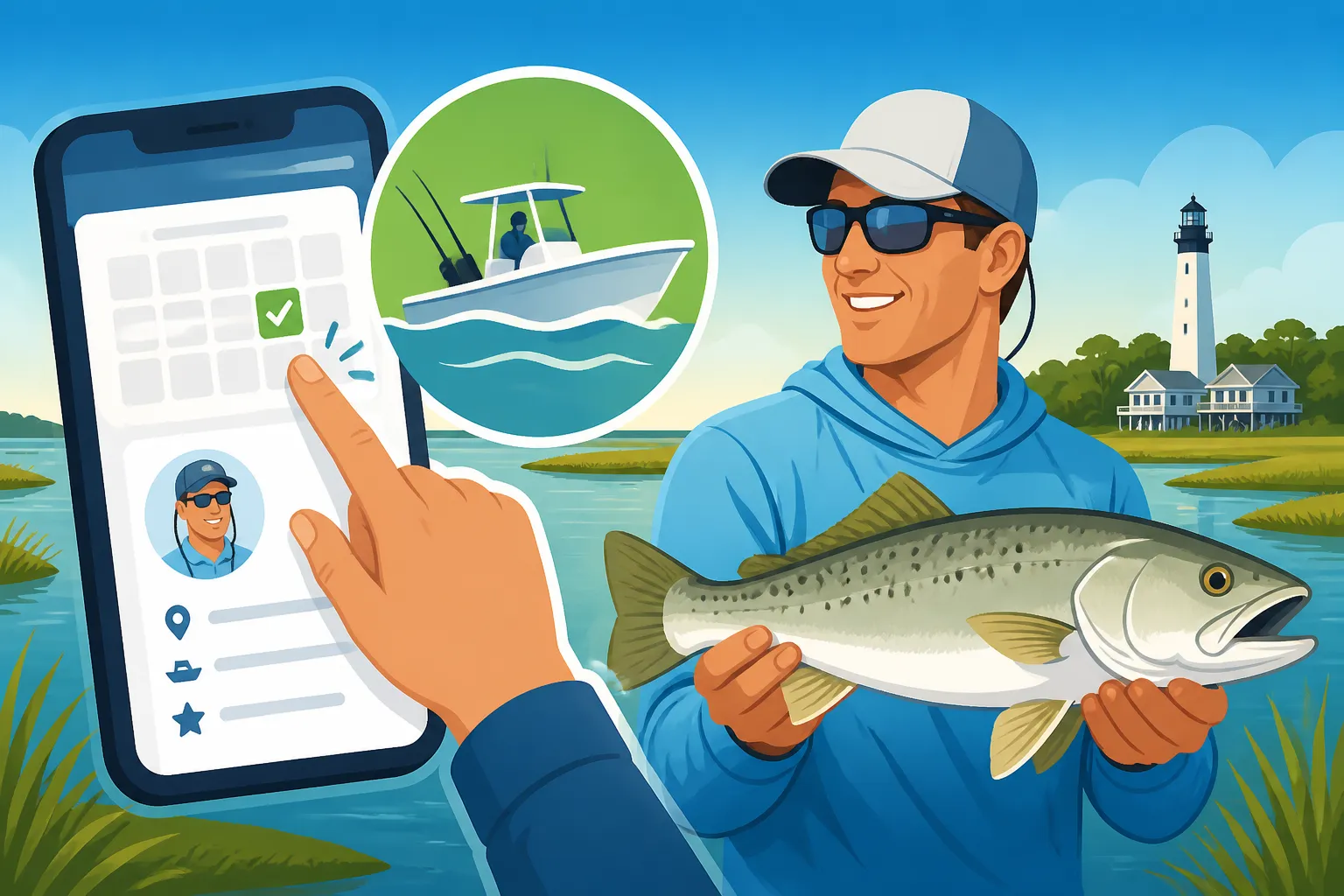
- Online Platforms: Websites like FishingBooker are incredibly useful. They aggregate listings from numerous guides, often with detailed profiles, photos, customer reviews, and direct booking options. This allows you to compare multiple Murrells Inlet fishing guide options side-by-side, filter by target species, trip length, and even boat type. FishingBooker also offers transparency in pricing and availability, which can save you a lot of time. When checking a guide on a platform like this, pay close attention to recent reviews – they often give the best indication of current service and fishing success.
- Local Marinas and Bait Shops: Don't underestimate the power of local knowledge. Visit a local marina or bait shop in Murrells Inlet – the folks working there are often anglers themselves or know many of the local captains personally. They can offer recommendations, give you insights into who's "on the fish," and sometimes even have business cards for local guides.
- Word of Mouth: Ask around! If you know anyone who has fished in Murrells Inlet, get their recommendations. A personal endorsement often carries a lot of weight.
- Social Media and Websites: Many guides have their own websites and active social media pages (Facebook, Instagram) where they post recent catches, availability, and communicate with potential clients. This can give you a good feel for their personality and what kind of trips they run.
When comparing, don't just look at the price. Consider the guide's experience, their specialization, the condition of their boat, and what past clients say about their professionalism and attitude. A slightly more expensive guide with glowing reviews might be a much better value than a cheaper one with a spotty reputation.
Contacting Guides and Asking Key Questions
Once you've shortlisted a few potential guides, it's time to reach out. Don't be shy about asking questions! A good Murrells Inlet fishing guide will be happy to answer them, as it helps ensure a good fit for both parties.
Here are some essential questions to ask:
- Availability: Confirm your desired date and time.
- Pricing: Get the total cost for your chosen trip length and group size. Ask about any hidden fees. This often includes bait, tackle, and sometimes even the fishing license, but always clarify.
- What's included? This is crucial. Does the price include bait, tackle, rods, reels, and a South Carolina Fishing License Guide (for everyone on board)? What about ice, bottled water, or a cooler for your catch?
- Target Species: Confirm what species they'll be primarily targeting given the season and conditions. Ask about their success rates lately.
- Boat and Safety: Ask about their boat (size, type) and safety equipment. All reputable guides will be licensed by the U.S. Coast Guard and carry appropriate safety gear.
- Cancellation Policy: Understand their policy regarding weather, mechanical issues, or client cancellations.
- What should we bring? Get a clear list of recommended items.
- Filleting the Catch: Do they clean and fillet your fish at the end of the trip? Is there an additional charge?
Remember, this is your trip, and you want to ensure it meets your expectations. Don't feel rushed or pressured. A professional guide will appreciate your thoroughness. Using platforms like FishingBooker often streamlines this process, as much of this information is already listed in the guide's profile, saving you back-and-forth communication.
Understanding Deposits and Cancellation Policies
Almost every reputable Murrells Inlet fishing guide will require a deposit to secure your booking. This is standard practice and protects both the client and the captain.
- Deposits: Deposits typically range from 25-50% of the total trip cost. This confirms your commitment to the trip and helps the guide cover initial costs like bait and preparation. Make sure you get a receipt or confirmation of your deposit.
- Cancellation Policies: This is vital to understand. Guides often have strict cancellation policies, especially for weather-related issues.
- Bad Weather: Most guides will cancel or reschedule if the weather (high winds, thunderstorms) makes fishing unsafe or unproductive. This decision is almost always at the captain's discretion, and you typically receive a full refund or the option to reschedule. However, "a little rain" usually isn't cause for cancellation.
- Client Cancellation: If you need to cancel, there's usually a timeframe (e.g., 72 hours, 7 days) before which you can receive a full refund or apply your deposit to a rescheduled trip. Cancelling last minute might mean forfeiting your deposit. Always read and understand the specific policy before booking. This information is usually clearly outlined on booking platforms or provided by the guide directly.
Preparing for Your Murrells Inlet Fishing Charter
You've booked your guide, the excitement is building, and the date is approaching! Now it's time to get ready. A little preparation can make a big difference in the comfort and enjoyment of your day on the water.
Essential Items to Bring Aboard
While your guide will provide the core fishing equipment, there are several personal items you should absolutely bring to ensure a comfortable and productive day.
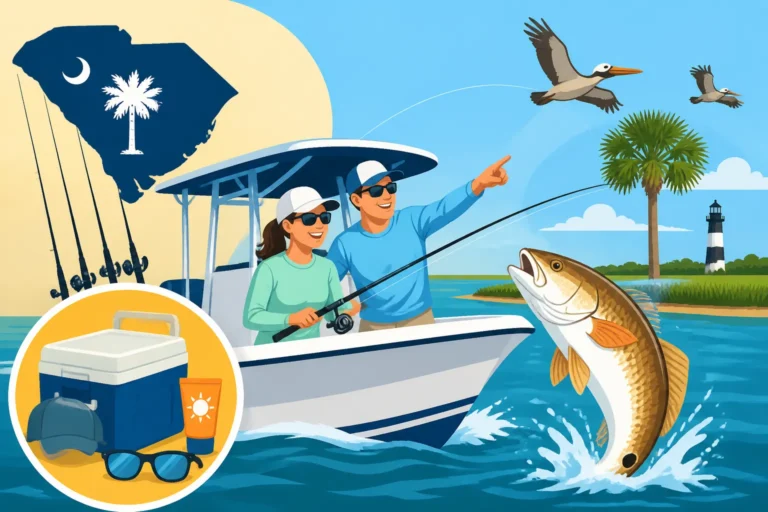
- Sun Protection: This is paramount in South Carolina.
- Sunscreen: High SPF, reef-safe if possible. Apply generously before you leave and reapply throughout the day.
- Hat: A wide-brimmed hat is ideal to protect your face, ears, and neck.
- Sunglasses: Polarized sunglasses are not just for comfort; they help you see fish and structure beneath the water, which can be incredibly helpful.
- Lightweight, Long-Sleeved Clothing: UPF-rated clothing offers the best protection from the sun's harsh rays. Even on warm days, covering up can prevent a nasty sunburn.
- Food and Drink: While some guides might provide bottled water, it's always a good idea to bring your own snacks and drinks. Sandwiches, fruit, and plenty of water are excellent choices. Avoid glass bottles if possible, and bring a small, soft-sided cooler if you prefer.
- Small Bag: A waterproof or water-resistant bag for your personal items (phone, wallet, keys) is a smart idea.
- Medications: If you have any essential medications, make sure they are easily accessible. If you're prone to seasickness, take preventative medication well before you get on the boat.
- Camera: To capture those memorable moments and trophy catches! Just ensure it's protected from water.
- Rain Gear: Even if the forecast looks clear, a light rain jacket is a good idea. Weather can change quickly on the coast.
- Non-Marking Shoes: Wear comfortable, non-slip shoes with light soles. Flip-flops are generally discouraged for safety reasons.
Here's a quick reference table:
| Category | Essential Items | Notes |
|---|---|---|
| Sun Protection | Sunscreen, Hat, Polarized Sunglasses, UPF Clothing | High SPF, wide-brimmed, for eye comfort & fish spotting |
| Hydration/Food | Water, Snacks, Non-alcoholic beverages | Stay hydrated, small soft-sided cooler preferred |
| Personal Gear | Small waterproof bag, Camera | For phone/wallet/keys, capture memories |
| Comfort/Safety | Medications, Rain Jacket, Non-slip shoes | Take seasickness meds before trip, prepare for unexpected weather |
What Your Guide Typically Provides
A professional Murrells Inlet fishing guide comes equipped with almost everything you need to actually fish, ensuring you have a hassle-free experience.
- Boat and Fuel: The most obvious, of course! Their boat is maintained, fueled, and ready to go.
- Fishing Licenses: In most cases, the guide's commercial license covers everyone fishing on their boat, so you won't need to purchase individual South Carolina Fishing License Requirements in South Carolina. However, it's always good to confirm this when booking.
- Rods, Reels, and Tackle: Quality, well-maintained fishing gear specifically suited for the type of fishing you'll be doing. They'll have a variety of setups for different techniques and target species.
- Bait: Live bait, dead bait, artificial lures – your guide will have the freshest and most effective options for the day. This is a significant cost that's usually built into the charter price.
- Safety Gear: All U.S. Coast Guard-mandated safety equipment, including life vests (especially child sizes), first-aid kits, communication devices, and emergency signaling devices.
- Local Knowledge: This is arguably the most valuable thing they provide! Their expertise in navigating the local waters, understanding fish patterns, and knowing where the fish are biting is priceless.
- Ice and Cooler: Most guides will have a cooler with ice for your drinks and to keep your catch fresh.
Tipping Etiquette and Expectations
Just like in other service industries, tipping your Murrells Inlet fishing guide is customary and very much appreciated. They work incredibly hard before, during, and after your trip to ensure you have a great experience.
- General Guideline: A standard tip for a fishing guide is typically 15-20% of the total charter cost. If your guide went above and beyond, provided excellent service, was patient, and put you on the fish, a higher tip is certainly warranted. If the fishing was slow but the guide worked hard, remained positive, and taught you a lot, still consider tipping well for their effort and professionalism.
- When to Tip: Tips are generally given in cash at the end of the trip, directly to the captain.
- Why Tip: Remember, a significant portion of a guide's income comes from tips. They are providing a service that involves specialized skills, expensive equipment, long hours, and considerable effort in preparation and cleanup. Your tip reflects your appreciation for their hard work and expertise. For more insights on this topic, consider reading Tipping Your South Carolina Fishing Guide.
Booking a fishing guide in Murrells Inlet doesn't have to be a bewildering process. By understanding your options, doing a little research (perhaps on platforms like FishingBooker), asking the right questions, and showing up prepared, you'll be well on your way to an unforgettable angling adventure on the beautiful South Carolina coast.
Disclaimer
This article is for general informational purposes only and does not constitute professional advice. Laws, prices and regulations vary by location and change over time. Consult a qualified professional for guidance on your specific situation.