How to Book a Hilton Head Fishing Charter
Trying to plan the perfect Hilton Head Island fishing trip can feel like navigating a maze, especially if you're not a local or you're new to charter fishing. You want to make sure you're booking the right experience, for the right price, with a reputable captain, and without accidentally overlooking crucial details. This guide is here to untangle that process for you, walking you through everything you need to know to successfully book a fishing charter that will make your South Carolina Lowcountry adventure unforgettable.
Understanding Your Hilton Head Charter Options
Before you even think about picking up the phone or clicking "book now," it's super important to understand the different kinds of fishing experiences available on Hilton Head Island. The Lowcountry waters offer a fantastic variety, and knowing what you're looking for will help you narrow down your choices and avoid any disappointment. It's all about matching your expectations with what the local captains can truly deliver.
Inshore vs. Offshore: What's Your Flavor of Adventure?
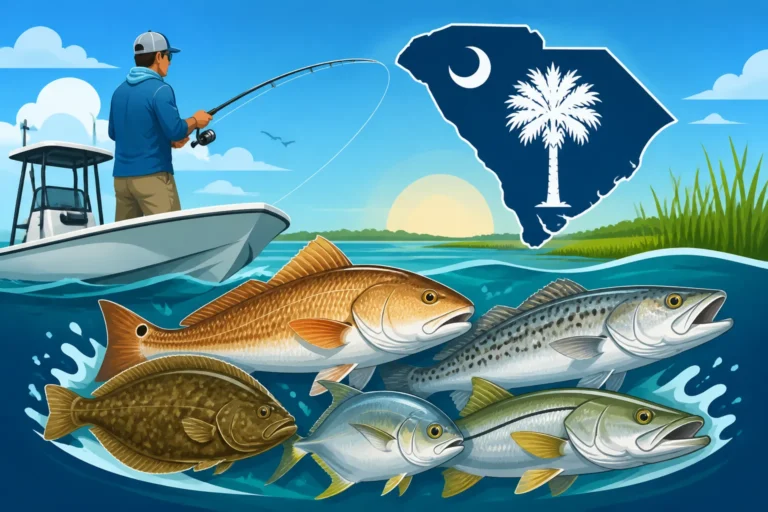
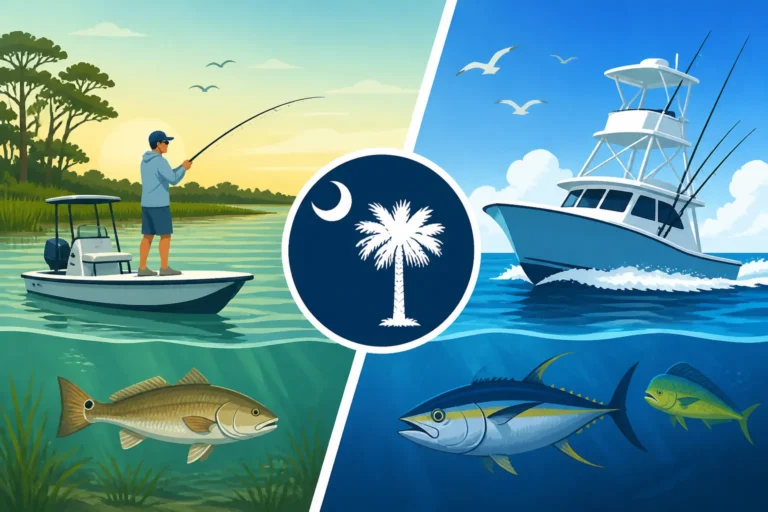
This is often the first big decision. Are you dreaming of calm, protected waters, or the open ocean with bigger swells? Inshore charters operate in the estuaries, creeks, and sounds around Hilton Head, typically staying within sight of land. These trips are fantastic for targeting species like redfish, spotted seatrout, flounder, and sheepshead. The boats are generally smaller, the rides are smoother, and the action can be incredibly consistent, making it a great choice for families with young children or anyone prone to seasickness. The focus is often on light tackle and sight fishing, providing a very hands-on experience. You might be interested in seeing Hilton Head Inshore Fishing Charter Prices to get a sense of the investment for these trips.
On the other hand, offshore charters head out into the Atlantic, ranging from nearshore reefs and wrecks to much deeper waters further out. Here, you're chasing pelagic species like mahi-mahi, wahoo, tuna, and various types of snapper and grouper. These trips involve longer boat rides, larger boats designed to handle open ocean conditions, and are generally more expensive due to fuel costs and specialized gear. They offer the thrill of battling truly large, powerful fish and the stunning experience of being far out at sea. Be prepared for a potentially choppier ride and longer travel times to reach the fishing grounds. For a deeper dive into what to expect financially, check out Hilton Head Offshore Fishing Charter Prices. Both types of trips offer incredible experiences, but they cater to very different preferences and comfort levels.
Half-Day, Full-Day, or Something in Between?
Once you've decided between inshore and offshore, the next consideration is how long you want to be on the water. Most charters offer a range of trip lengths, typically starting at 3 or 4 hours (half-day) and extending to 6, 8, or even 10+ hours (full-day or extended trips). A half-day trip is excellent for beginners, families with small children, or those with limited time. It gives you a taste of the action without committing to an entire day, and often you can still catch a good number of fish. These shorter trips focus on getting to active fishing spots quickly and maximizing your time with lines in the water.
A full-day trip, usually 6 to 8 hours, offers a much more comprehensive experience. It allows the captain more time to travel to different spots, try various techniques, and target a wider range of species. For offshore fishing, a full-day trip is often necessary to get to the productive grounds. While more expensive and a bigger time commitment, it significantly increases your chances of a successful and diverse catch, and allows for a more relaxed pace on the water. There are also often "3/4 day" options that split the difference, giving you a bit more time than a half-day without the full commitment. Thinking about which is right for your schedule and budget is crucial, and our article comparing Half-Day vs Full-Day Fishing Charters in South Carolina might offer some useful insights.
Private vs. Shared Charters: Group Dynamics Matter
This choice significantly impacts both the cost and the atmosphere of your trip. A private charter means you book the entire boat for your group, whether it's just you and a friend or a larger family party. This offers maximum flexibility: you can dictate the target species, the pace of the trip, and even adjust the departure and return times within reason. The captain and mate are focused entirely on your group's experience, providing personalized instruction and attention. While the per-person cost might seem higher at first glance, for a group of 4-6 people, it often becomes quite comparable to booking individual spots on a shared trip.
Shared or "headboat" charters are typically larger vessels that take multiple individual bookings or smaller groups. You'll be fishing alongside other anglers you don't know. These are generally more budget-friendly per person and can be a good option if you're a solo angler or a small couple looking to save money. However, you'll have less say in where you go or what you target, and the captain's attention is spread among more people. The fishing experience can also be less intimate. Consider your group size and budget carefully when making this decision. Our guide on Private vs Shared Fishing Charters in South Carolina can help you weigh the pros and cons for your specific situation.
| Charter Type | Best For | Typical Duration | Cost Structure | Experience Level |
|---|---|---|---|---|
| Inshore | Families, beginners, light tackle, calm waters | 3-6 hours | Generally lower total cost | Beginner-Intermediate |
| Offshore | Experienced anglers, trophy fish, open ocean | 6-10+ hours | Generally higher total cost | Intermediate-Advanced |
| Half-Day | Quick trips, short attention spans, budget-conscious | 3-4 hours | Lower per trip | All levels |
| Full-Day | Maximize catch, multiple spots, immersive experience | 6-8+ hours | Higher per trip | All levels |
| Private | Customization, dedicated guide, group privacy | Varies | Per boat | All levels |
| Shared | Budget-friendly, solo anglers, meeting new people | Varies | Per person | All levels |
Navigating the Booking Process: Step-by-Step
Once you have a clearer idea of the kind of fishing trip you want, it's time to dive into the actual booking. This phase requires a bit of detective work and careful communication to ensure you secure the best possible charter for your Hilton Head adventure. Don't rush this part; a little preparation here can save a lot of headaches later.
Researching Reputable Guides and Companies
This is arguably the most critical step. You're entrusting your safety and your fishing success to a captain, so you want someone experienced, licensed, and highly recommended. Start by looking for local charter companies and independent guides operating out of Hilton Head Island. Online platforms like FishingBooker are excellent resources, allowing you to browse multiple captains, compare their boats, read reviews from past clients, and see their available dates all in one place. These platforms often provide detailed profiles for each captain, highlighting their specialties and what they offer. Look for guides with consistent positive feedback, clear communication, and a strong track record of putting clients on fish.
Beyond online platforms, ask for recommendations from locals, bait and tackle shops, or even friends who have fished in the area before. A personal referral can be gold. Once you have a few potential captains in mind, visit their individual websites or social media pages if they have them. This can give you a better feel for their personality and recent catches. Pay attention to how long they've been operating in the area and what species they specialize in – some captains are absolute pros at finding redfish in the backcountry, while others excel at trolling offshore for pelagics.
What to Ask Before You Book
Don't be shy about asking questions! A good captain will appreciate your thoroughness. First and foremost, confirm what exactly is included in the price. Does it cover bait, tackle, and ice? Most charters do, but it’s always good to verify. Secondly, inquire about the fishing license situation. In South Carolina, passengers on a licensed charter boat are typically covered by the captain's boat license, but it's important to confirm this with your specific guide to avoid any issues. Our article Do You Need a Fishing License for a Hilton Head Charter? provides more detail on this topic. Ask about the maximum number of passengers allowed, especially if you have a larger group, and clarify the species they typically target during your chosen season.
It's also crucial to understand their cancellation policy. What happens if the weather turns bad? Most reputable captains will reschedule or offer a refund for unsafe weather conditions, but policies can vary. Ask about their policy regarding no-shows or cancellations from your end. Finally, don't forget to inquire about fish cleaning. Many captains will clean and fillet your catch for you at the end of the trip, often for a small fee or as part of the gratuity, which is a huge bonus! Knowing all these details upfront helps set clear expectations for everyone involved.
Deposits, Payments, and Confirmation
The booking process usually involves a deposit to secure your date. This deposit can range from a percentage of the total trip cost to a flat fee. Always ensure you receive a confirmation, either via email or a written agreement, detailing your booking date, time, trip length, agreed-upon price, and any specific inclusions or exclusions. If you're using a booking platform like FishingBooker, these details are usually clearly outlined and handled through their system, providing an extra layer of security and clarity. The remaining balance is typically paid on the day of the trip, usually in cash directly to the captain, but some may accept cards or other digital payment methods. Confirm the preferred payment method for the balance beforehand.
It's a good practice to confirm your trip with the captain a few days before your scheduled date. This allows for any last-minute adjustments due to weather forecasts or other unforeseen circumstances. This confirmation call is also a great opportunity to ask any final questions you might have about meeting points, parking, or what to bring.
Preparing for Your Hilton Head Fishing Adventure
You've booked your charter – congratulations! Now comes the exciting part: getting ready for the big day. A little preparation on your part can make a huge difference in your comfort and enjoyment on the water. Fishing, even with a guide, can be unpredictable, so being prepared for various scenarios is key to having a fantastic time.
What to Bring and What's Provided
While most fishing charters provide the essential gear like rods, reels, bait, and tackle, there are definitely things you'll want to bring along to make your trip more comfortable. Sun protection is paramount in South Carolina! Think wide-brimmed hats, sunglasses (polarized ones are a game-changer for seeing fish!), and plenty of sunscreen. Even on cloudy days, the sun's reflection off the water can lead to a nasty burn. Dress in layers, as mornings can be cool and afternoons quite warm, especially on the water. Non-skid shoes are also a must for safety on a wet boat deck.
Beyond personal items, consider bringing a small cooler with drinks and snacks. Staying hydrated is important, and a few easy-to-eat snacks can keep your energy up during a long day of fishing. Some charters might provide bottled water, but it's not a guarantee. Don't forget any personal medications you might need, especially if you're prone to seasickness. It's always a good idea to take motion sickness medication before you board the boat, as it's often too late once you start feeling queasy. If you're wondering what else to pack, our detailed guide on What to Bring on a South Carolina Fishing Charter has a comprehensive checklist to help you out.
Understanding South Carolina Fishing Regulations on Charters
Even though your captain's license usually covers you for the trip, it's still good to have a general understanding of the fishing regulations in South Carolina. This primarily includes bag limits (how many fish of a certain species you can keep) and size limits (the minimum or maximum length a fish must be to be kept). For instance, species like redfish have specific slot limits, meaning they must fall within a certain size range to be legal to keep. Fish that are too small or too large must be released.
Your captain is the expert here and will ensure your trip operates within all state and federal guidelines. They'll also educate you on how to properly handle and release fish that aren't keepers to maximize their survival rate. Being aware of these rules helps you appreciate the conservation efforts in place and understand why certain fish are kept and others are released. For a deeper look into specific species, you can check out resources like South Carolina Redfish Slot Limit for Charter Anglers. It's a great feeling to know you're fishing responsibly and sustainably.
The Importance of Communication with Your Captain
Open and honest communication with your captain or guide is absolutely vital for a successful trip. Before you even set foot on the boat, make sure you've clearly communicated your goals for the day. Are you hoping to catch a specific species, or are you just looking for a fun day on the water with plenty of bites? Do you have any physical limitations or preferences (e.g., preference for calmer waters, specific fishing techniques you want to try)? Your captain is there to provide the best possible experience, but they can only do that if they understand what "best" means to you.
During the trip, don't hesitate to ask questions about techniques, bait, or why the captain is choosing a particular spot. Most guides love sharing their knowledge and teaching newcomers. Also, be upfront if you're feeling unwell, too hot, too cold, or just need a break. Your captain wants you to be comfortable and safe. A simple conversation can often resolve minor issues before they become major problems, ensuring everyone has a good time.
The Day of Your Trip: Making the Most of It
The day has finally arrived! All your planning and anticipation are about to pay off. To ensure everything goes smoothly and you maximize your enjoyment, there are a few final steps to consider for your actual fishing day. Being prepared, respectful, and appreciative will contribute greatly to a positive experience for both you and your captain.
Arriving on Time and Being Prepared
Punctuality is incredibly important when charter fishing. Your captain has a schedule, tides to consider, and sometimes other trips booked later in the day. Arrive at the designated meeting point at least 15-20 minutes before your scheduled departure time. This gives you ample time to find parking, use the restroom, and get organized without rushing. A prompt departure means more time fishing and less time worrying about logistics.
When you get to the boat, have your gear (cooler, bags, etc.) ready to load. The captain or mate will usually assist you. Listen carefully to any safety briefings or instructions they provide before leaving the dock. These are for your well-being, and understanding them is crucial, especially on a moving vessel. A prepared and timely group helps set a positive tone for the entire trip.
Tipping Your Guide
Tipping your fishing guide is a standard practice in the charter industry and is greatly appreciated. These professionals work incredibly hard, not just during your trip but also in preparation and maintenance of their boats and gear. A customary tip typically ranges from 15-20% of the total trip cost, assuming you had a good experience. If the captain and crew went above and beyond – maybe they stayed out a little longer, were exceptionally helpful with the kids, or really worked hard to find the fish on a tough day – consider tipping a bit more.
It's best to have cash ready for the tip at the end of the trip. Hand it directly to the captain or mate who assisted you. It’s a tangible way to show your appreciation for their hard work, expertise, and the memorable experience they provided. Our article on Tipping Your South Carolina Fishing Guide offers more detailed insights into this important aspect of charter etiquette.
Handling Your Catch
So you've reeled in some keepers – awesome! At the end of the trip, most Hilton Head fishing charters will clean and fillet your fish for you, often including this service in the trip cost or asking for a small additional fee, which can be part of the tip. This is a huge convenience, as it means you take home ready-to-cook fillets rather than whole fish.
Bring a separate cooler filled with ice (distinct from your drink cooler) to transport your fresh fillets home. This ensures your catch stays cold and in prime condition. Listen to any instructions from the captain or mate about how best to store your fish for travel. There's nothing quite like enjoying a delicious meal of fish you caught yourself, and proper handling ensures it tastes its best!
Disclaimer
This article is for general informational purposes only and does not constitute professional advice. Laws, prices and regulations vary by location and change over time. Consult a qualified professional for guidance on your specific situation.