Charleston Harbor Inshore Fishing Trips
Navigating the expansive, tide-driven waters of Charleston Harbor for a successful fishing trip can feel like a daunting challenge for both newcomers and seasoned anglers alike. The intricate network of creeks, vast open bays, and shifting currents often leaves people wondering where to find the fish and how to approach such a dynamic environment. This comprehensive guide will unravel the secrets of Charleston Harbor, providing you with all the insights needed to plan and execute incredible inshore fishing trips, whether you’re heading out with a guide or on your own.
Understanding Charleston Harbor's Inshore Ecosystem
Charleston Harbor isn't just a body of water; it's a vibrant, interconnected ecosystem teeming with life. Understanding its unique characteristics is the first step toward unlocking its fishing potential. From the smallest baitfish to the largest predators, every inhabitant plays a role, and their movements are heavily dictated by the environment.
Tidal Creeks and Saltmarsh Habitats
The sprawling saltmarshes that fringe Charleston Harbor are truly the heart of its inshore fishery. These marsh systems are a nursery ground, a pantry, and a highway all rolled into one. As the tide pushes in, flooding the grass, myriad baitfish, shrimp, and crabs move into the protective cover of the Spartina grass. This incoming tide is a buffet bell for predators like redfish and spotted seatrout, who will follow the water, nosing into the flooded marsh to ambush unsuspecting prey. When the tide recedes, these smaller creatures are flushed out, congregating in the deeper guts and creek mouths, creating prime feeding opportunities as the predators lie in wait. Understanding this ebb and flow is paramount; a good captain knows exactly which creek system will be holding fish based on the stage of the tide.
Oyster Beds and Structure Fishing
If the saltmarsh is the heart, then the oyster beds are the arteries of the Charleston Harbor ecosystem. These natural reefs provide invaluable structure, shelter, and food sources for countless species. Oyster rakes, shell banks, and even individual clusters become micro-ecosystems where crustaceans, small fish, and other invertebrates thrive. Fish like sheepshead, with their distinctive human-like teeth, absolutely love to pick at the barnacles and oysters attached to these structures. Redfish will cruise along oyster lines, using them as ambush points, while spotted seatrout often position themselves nearby, waiting for an easy meal to be swept by the current. Fishing around these structures requires careful navigation and presentation, as they can quickly snag your line, but the rewards are often well worth the effort.
Deep Channels and Inshore Eddies
While the shallow creeks and oyster beds get a lot of attention, the deeper channels and associated eddies within Charleston Harbor also hold significant fishing opportunities. The confluence of the Cooper and Ashley Rivers, along with various other dredged channels, creates substantial depth variations. These deeper zones can be crucial during colder months when fish seek stable temperatures or during warmer periods when they need cooler, more oxygenated water. Eddies formed behind points or around submerged structures in these channels can concentrate bait and, consequently, predator fish. Striped bass, though more commonly associated with freshwater lakes, can be found in the brackish reaches of these rivers, especially during cooler seasons, often holding in these deeper, current-protected areas. Understanding how currents interact with depth is key to locating these fish.
Target Species for Inshore Trips in Charleston Harbor
Charleston Harbor offers a fantastic variety of game fish for the inshore angler. While a charter captain might specifically target one or two, you’ll often find yourself reeling in a mixed bag, which just adds to the excitement!
Redfish Spottail Bass
Ah, the mighty redfish! Also affectionately known as spottail bass, these copper-colored beauties are arguably the most sought-after inshore species in Charleston. They are robust fighters, capable of long, powerful runs, especially when hooked in the strong currents of the harbor. You'll find them cruising shallow grass flats, grubbing around oyster beds, and lurking in the deeper creek bends. Their average size in the harbor typically falls within the slot limit, but larger "bull reds" can be caught in the deeper channels, particularly during their spawning aggregation. For anglers, knowing the rules is important; South Carolina Redfish Slot Limit 18 to 25 Inches and South Carolina Redfish Daily Bag Limit Per Person are crucial regulations to keep in mind to ensure sustainable fishing. Live mud minnows, shrimp, or cut bait on a Carolina rig are perennial favorites, but they'll readily strike soft plastics and even topwater lures when conditions are right.
Spotted Seatrout Speckled Trout
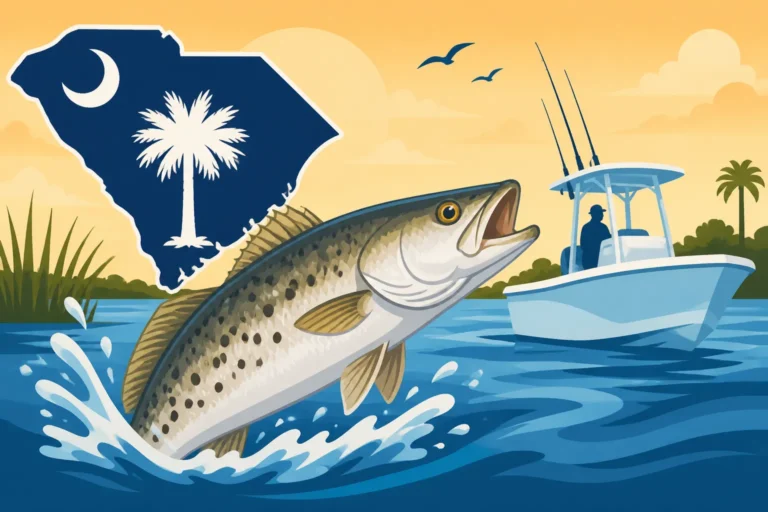
Graceful and feisty, the spotted seatrout, or "speckled trout," is another inshore superstar in Charleston Harbor. These sleek, iridescent fish are often found patrolling grass lines, drifting over shallow oyster reefs, and ambushing baitfish in open water. They prefer slightly calmer, clearer water than redfish, but their territories often overlap. While they don't have the brute strength of a redfish, their aggressive strikes and aerial acrobatics make them incredibly fun to catch. The minimum size for keeping a spotted seatrout in South Carolina is 14 inches, with a daily bag limit of 10 fish. South Carolina Spotted Seatrout Minimum Size 14 Inches and South Carolina Spotted Seatrout Daily Bag Limit of 10 Fish are important to remember to ensure you're fishing legally. Popping corks with live shrimp are a classic and highly effective method, but soft plastic jigs, twitch baits, and even small spoons can entice a strike.
Flounder
The masters of camouflage, flounder are a unique and delicious target species in Charleston Harbor. These flatfish lie patiently on sandy or muddy bottoms, often near structure like oyster beds, docks, or channel drop-offs, waiting to ambush passing baitfish. Their unique eye placement and ability to blend seamlessly into their surroundings make them incredibly effective predators. You often won't feel a hard strike, but rather a subtle "thump" or added weight on your line as they inhale the bait. When you hook one, they put up a surprisingly strong fight for their shape! The season for flounder fishing in South Carolina is something to keep an eye on, as regulations can change, so always check the latest rules before heading out. Live mud minnows or finger mullet on a Carolina rig fished slowly along the bottom are deadly. Artificials like Gulp! shrimp or paddle tail jigs bounced along the bottom can also be highly effective. For more specific details, consider reading about the Flounder Fishing Season in South Carolina.
Other Notable Inshore Catches
Beyond the "big three" of redfish, trout, and flounder, Charleston Harbor offers opportunities for a few other fantastic inshore species. Sheepshead are absolute structure magnets, with their distinctive striped bodies and dental work perfectly adapted for crushing barnacles and oysters. You'll find them around bridge pilings, jetties, and dock pilings, and fishing for them requires a stealthy approach and small, tough baits like fiddler crabs or pieces of shrimp. You can explore Charleston Harbor Sheepshead Fishing Spots for prime locations. Black drum, often mistaken for redfish, are another common catch, especially around deeper oyster beds and channel edges, responding well to similar baits as redfish. In the cooler months, especially further up the rivers, you might even encounter striped bass, though they tend to prefer the slightly fresher water.
Essential Techniques and Tackle for Charleston Inshore Fishing
Successfully navigating Charleston Harbor's inshore waters means having a solid grasp of basic techniques and the right tackle to get the job done. It doesn't have to be overly complicated, but a few fundamentals will dramatically improve your chances.
Live Bait Rigs
When it comes to inshore fishing in Charleston, live bait is often king. Nothing beats the natural appeal of a wriggling shrimp or a lively mud minnow to entice a bite. The most common live baits include live shrimp, mud minnows, and finger mullet, all readily available at local bait shops or sometimes caught with a cast net. A basic popping cork rig, where a live shrimp is suspended a foot or two below a floating cork, is incredibly effective for spotted seatrout and redfish, especially when cast along grass lines or over oyster beds. The "pop" of the cork simulates a feeding fish, drawing attention to your bait. For bottom-dwelling species like redfish and flounder, a Carolina rig is the go-to. This involves a weight, a swivel, and a leader with a hook, allowing your bait to drift naturally near the bottom. Sometimes, simply free-lining a live bait with no weight in current-rich areas can be incredibly effective, allowing the bait to mimic an injured prey item. For detailed rig setups, you might find Live Bait Rigs for Inshore Redfish particularly helpful.
Artificial Lure Strategies
While live bait certainly has its place, successfully fishing with artificial lures is incredibly rewarding and often more active. Soft plastics, especially paddle tails and jerk shads in natural colors like pearl, chartreuse, or motor oil, are incredibly versatile. They can be rigged on a jig head and bounced along the bottom, retrieved with a steady swim, or twitched aggressively to mimic a fleeing baitfish. Spoons, especially gold or silver weedless varieties, are fantastic for covering water and triggering aggressive strikes from redfish. Topwater lures, worked with a "walk-the-dog" retrieve, are thrilling options during low-light conditions, providing explosive strikes from both redfish and trout. The key to artificials is often matching the hatch – trying to imitate the size and color of the baitfish currently in the water. For more specific lure choices for target species, check out Best Lures for Tailing Redfish in Grass Flats.
Rods, Reels, and Line Choices
For Charleston inshore fishing, you'll generally want to stick with medium-light to medium power spinning gear. This provides enough backbone to fight powerful fish while still being sensitive enough to detect subtle bites. A 7-foot rod with a fast action tip is a versatile choice, paired with a 2500-4000 series spinning reel. For line, braided line in the 10-20 lb test range is a popular choice due to its sensitivity, strength, and thin diameter, which aids in casting. However, a fluorocarbon leader (15-30 lb test, 2-3 feet long) is essential at the business end, as it's nearly invisible underwater and more abrasion-resistant against oyster shells and fish teeth. Proper drag settings on your reel are crucial; too tight, and you'll break off; too loose, and you won't be able to turn a strong fish away from structure. A smooth, well-maintained drag system is your best friend when battling a determined redfish.
Choosing and Booking a Charleston Inshore Fishing Charter
While exploring Charleston Harbor on your own can be an adventure, booking an inshore fishing charter offers a significant advantage, especially for visitors or those new to the area.
Benefits of a Guided Trip
Let's be honest, fishing a new area, especially one as intricate as Charleston Harbor, can be overwhelming. That's where a seasoned local charter captain truly shines. They possess invaluable local knowledge gained over years on the water, knowing exactly where the fish are likely to be based on tides, seasons, and recent conditions. They have access to secret honey holes that aren't on any map and can deftly navigate the complex network of creeks and channels. Furthermore, a charter typically provides all the necessary gear, bait, and often even covers your South Carolina Fishing License Guide requirements, taking the hassle out of preparing. Beyond the fish, a guided trip offers incredible learning opportunities, allowing you to pick up techniques and insights from a professional. Plus, they handle the boat, the safety equipment, and often the fish cleaning – leaving you free to focus solely on the thrill of the catch.
What to Look for in a Charter Captain
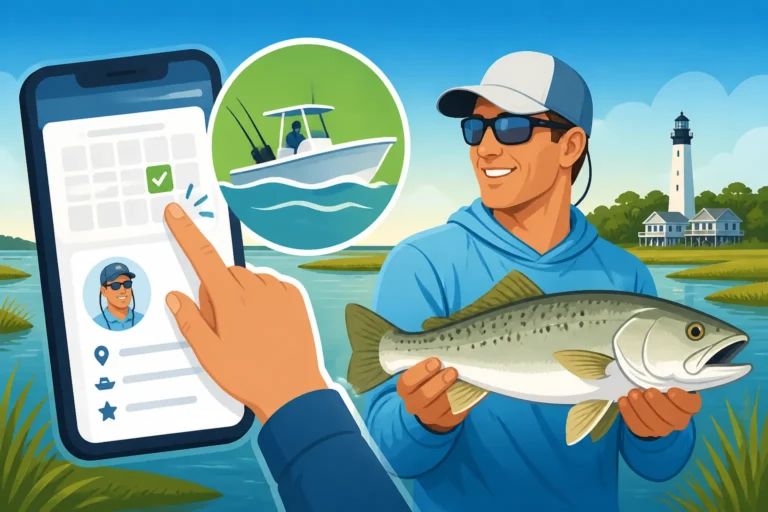
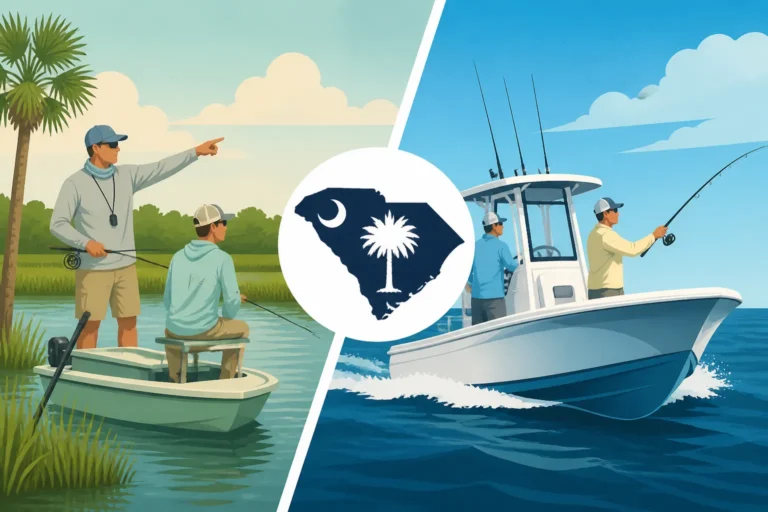
Choosing the right captain is key to a memorable experience. Look for someone with a strong local reputation, evidenced by positive reviews on platforms like FishingBooker or referrals from trusted sources. Their experience and knowledge of Charleston Harbor's unique ecosystem are paramount. Consider the type of boat they run – is it suited for shallow water access or more open bay fishing? A dedicated inshore boat, like a bay boat or skiff, is ideal for navigating the skinny water and tight creeks where redfish and trout thrive. Don't hesitate to ask questions about their guiding philosophy, what species they typically target, and their catch-and-release practices. A good captain is not just a driver; they're an educator and an entertainer. For more general advice on securing your trip, consulting How to Book a Fishing Charter in South Carolina can provide a broader perspective.
Preparing for Your Inshore Charter
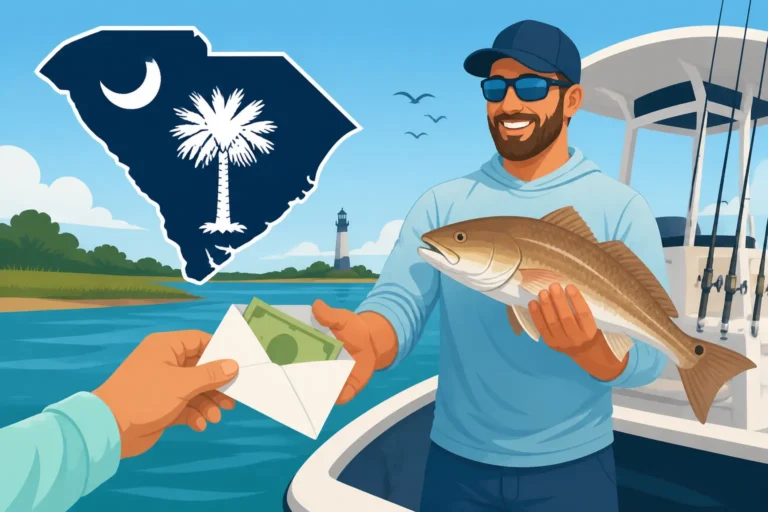
Once you've booked your Charleston inshore fishing charter, a little preparation goes a long way. Most charters will provide all the fishing gear, bait, and often even a cooler with ice for your drinks and any kept fish. However, you'll want to bring essentials like sunscreen, a hat, polarized sunglasses (crucial for spotting fish in clear water!), and comfortable, non-slip shoes. Layers of clothing are always a good idea, as temperatures can change quickly on the water. Don't forget snacks and drinks to stay hydrated. It’s customary to tip your fishing guide; a good rule of thumb is 15-20% of the trip cost, especially if they worked hard and you had a great time. For specifics on gratuity, review Tipping Your South Carolina Fishing Guide. Inquire about trip lengths; Half-Day vs Full-Day Fishing Charters in South Carolina will give you an idea of how much time you'll spend on the water and what to expect.
Best Times for Charleston Harbor Inshore Fishing
Fishing in Charleston Harbor is truly a year-round affair, but the best times for specific species and techniques often align with seasonal changes, tidal patterns, and even daily weather shifts.
Seasonal Considerations
Each season brings its own set of opportunities to Charleston Harbor. Spring is fantastic as water temperatures rise, igniting a feeding frenzy after the cooler winter months. Redfish and trout become very active, often moving into shallower areas. Summer offers exciting early morning and late evening bites to avoid the heat, with species like tarpon sometimes making an appearance further inshore. Fall is arguably the most consistent season, with cooler temperatures, active fish bulking up for winter, and spectacular "redfish tailing" opportunities on the grass flats as they feed aggressively. Winter can be challenging due to cold fronts, but fish often school up in deeper holes, making them easier to target once found. For a deeper dive into annual cycles, refer to the South Carolina Fishing Seasons Guide.
Tidal Influences and Optimal Windows
The tides are the pulse of Charleston Harbor's inshore fishery. Understanding how incoming and outgoing tides affect fish behavior is paramount. An incoming tide often pushes baitfish into the marsh, bringing predators with them. As the tide recedes, bait is flushed out, and fish will stage at creek mouths, oyster rakes, and channel edges, ready to ambush. The period of moving water, whether incoming or outgoing, is almost always more productive than slack tide, when currents are minimal and fish tend to become less active. Good captains watch tide charts meticulously and plan their trips around these optimal windows. For instance, Does Tide Timing Matter for South Carolina Redfish? explores this relationship in detail. Different areas of the harbor fish better on different tides, and a local guide will know these nuances.
Time of Day and Weather
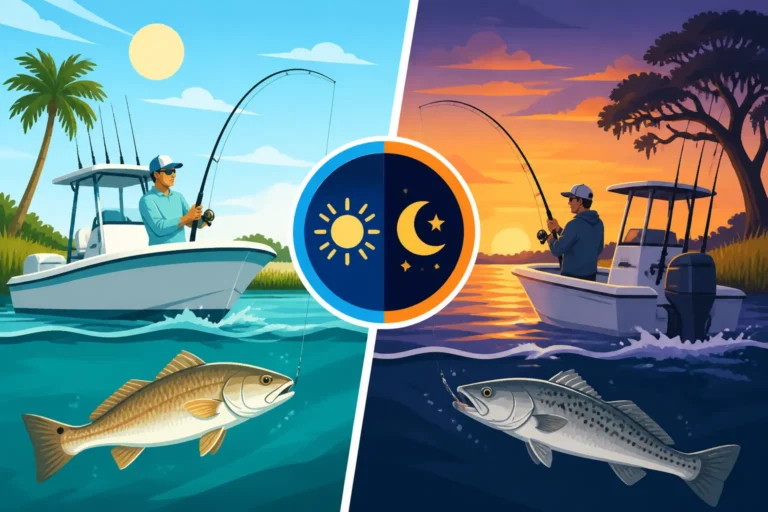
Just like anywhere else, the time of day and prevailing weather conditions play a huge role in fishing success in Charleston Harbor. Early mornings and late evenings (dawn and dusk) are almost universally productive, as lower light levels encourage predatory fish to feed and baitfish to move more freely. These times also offer cooler temperatures during the hotter summer months. Overcast days can sometimes extend this productive window. High sun and clear skies can push fish into deeper, shadier cover. Pay attention to cold fronts and sudden drops in barometric pressure, as these can temporarily shut down the bite. Conversely, a steady, mild rain can often improve fishing, especially for redfish, by reducing visibility and stirring up bait. Knowing your Dawn and Dusk Fishing Techniques can give you an edge.
| Species | Preferred Habitat | Best Bait / Lure | Typical Fight Style | Conservation Notes |
|---|---|---|---|---|
| Redfish | Saltmarsh grass, oyster beds, creek mouths | Live shrimp, mud minnows, cut bait, soft plastics | Strong runs, powerful head shakes | Slot limit (18-25"), 3 per person, check vessel limits. |
| Spotted Seatrout | Grass lines, shallow flats, open water | Live shrimp, popping corks, soft plastics, twitch baits | Aggressive strike, some acrobatics, lighter fight | Minimum size (14"), 10 per person. |
| Flounder | Sandy/muddy bottoms, structure | Live mud minnows, Gulp! shrimp, jig & soft plastic | Strong initial pull, dogged fight, often "heavy" | Season and size limits often apply, check current rules. |
| Sheepshead | Oyster beds, bridge pilings, jetties | Fiddler crabs, pieces of shrimp | Stubborn, strong pull, very structure-oriented | Often specific bag limits, check local regulations. |
Conservation and Responsible Angling in Charleston Harbor
As a community of anglers, it's our collective responsibility to ensure the health and vibrancy of Charleston Harbor's fishery for generations to come. Responsible angling isn't just about following rules; it's about being a steward of the environment.
Understanding Regulations and Limits
This is non-negotiable. South Carolina has specific regulations designed to protect its fish populations, especially popular species like redfish, trout, and flounder. These include minimum and maximum size limits (slot limits), daily bag limits per person, and sometimes vessel limits. For instance, redfish have a slot limit of 18-25 inches, meaning fish outside this range must be released. Always verify the most current regulations before you go, as they can change seasonally or annually. While many fishing charters will cover your South Carolina Fishing License Guide requirements, it’s good practice to understand the general licensing framework. Ignorance of the law is never an excuse, and violating these rules can lead to hefty fines and penalties.
Catch and Release Best Practices
Even if a fish is within the legal slot limit, practicing catch and release, especially for larger breeding fish, is highly encouraged. When you do catch a fish you intend to release, handling it properly is crucial for its survival. Minimize the time the fish is out of the water. Use de-hooking tools to quickly and safely remove hooks, especially if the fish has swallowed the bait. Avoid touching the fish's gills or eyes, and support its body horizontally, never vertically by the jaw or tail, which can damage internal organs. For redfish, reviving them boatside until they can swim away strongly is a great practice. Every successful release contributes to the future of the fishery.
Respecting the Ecosystem
Charleston Harbor is a precious resource, and treating it with respect goes beyond just fish. Always dispose of your trash properly; never leave hooks, lines, or any other debris in the water or on the marsh. Be mindful of prop scars in shallow grass flats, as these can take years to recover. Give wildlife, such as dolphins, manatees, and nesting birds, plenty of space. If you're out in your own boat, understand no-wake zones and channel markers. Being a responsible angler means appreciating the entire ecosystem, not just the fish you hope to catch. It's about preserving the beauty and bounty of this incredible South Carolina fishery for everyone.
Disclaimer
This article is for general informational purposes only and does not constitute professional advice. Laws, prices and regulations vary by location and change over time. Consult a qualified professional for guidance on your specific situation.