What’s Included in a South Carolina Charter Fishing Trip
Embarking on a South Carolina fishing charter is an incredible way to experience the state's abundant waters, but many folks feel a bit lost wondering exactly what they're paying for. It’s a common frustration to stare at a booking page and see a price without a clear rundown of what's provided, leaving you to guess what you need to bring. This comprehensive guide will walk you through the typical inclusions of a South Carolina fishing charter, helping you understand what to expect and what you might need to supply yourself for a smooth, stress-free day on the water.
The Basics: What Every South Carolina Fishing Charter Should Provide
When you book a South Carolina fishing charter, there are certain fundamental elements you should always expect to be covered. These are the non-negotiables that form the backbone of a legitimate and safe guided fishing experience. Think of these as the standard package deal that any reputable captain will have ready for you.
Essential Gear and Tackle
This is probably the biggest relief for most anglers, especially those traveling from out of state or just starting out: the charter typically supplies all the necessary fishing gear. We're talking rods, reels, lines, and all the terminal tackle you'll need for the target species. You won't have to worry about packing your favorite bass rod for a redfish trip or wondering if your reel is saltwater-ready. The captain knows exactly what works in their local waters and for the fish you're chasing.
Imagine showing up to the dock, excited for a day of fishing, but realizing you left your tackle box at home. With a charter, that worry simply evaporates. They'll have a variety of setups on board, from lighter spinning gear for speckled trout to heavier conventional rods for bigger offshore species. It’s all part of the service, ensuring everyone, from seasoned pros to absolute beginners, has the right tools for the job. This also means fewer headaches about maintaining your own equipment or buying specialized gear you might only use once.
Your Fishing License Situation
This is a really important one, and it's where many anglers get confused. In South Carolina, if you're fishing on a licensed charter boat, you generally do not need to purchase your own individual fishing license. The boat itself, or rather the captain holding a valid U.S. Coast Guard license, operates under a blanket recreational fishing license that covers everyone on board. This is a huge convenience, saving you the time and effort of navigating the South Carolina Fishing License Guide yourself.
However, it's always smart to double-check this with your chosen charter beforehand, just to be absolutely certain. While it's the standard practice, a quick confirmation call or email can give you peace of mind. This means you can focus on the fishing experience rather than bureaucratic hurdles. For those fishing on their own boat or from shore, remember that South Carolina Fishing License Requirements in South Carolina are very specific, so don't get caught without one!
Safety Equipment and Protocols
Safety is paramount on any boat, and fishing charters are no exception. By law, every licensed charter boat must carry a full complement of U.S. Coast Guard-approved safety equipment. This includes personal flotation devices (PFDs, or life jackets) for everyone on board, fire extinguishers, flares, a first-aid kit, and communication devices like a VHF radio. Your captain is also trained in safety procedures and emergency response.
They’re not just there to put you on fish; they’re responsible for getting you back to shore safely. Before you even leave the dock, a good captain will typically give a quick safety briefing, pointing out where the PFDs are stored and explaining what to do in an unlikely emergency. This level of preparedness allows you to relax and enjoy the trip, knowing that you're in capable hands. Don't hesitate to ask your captain about their safety protocols if you have any questions or concerns; a professional will always be happy to explain.
Beyond the Essentials: Common Inclusions and What to Expect
Once the fundamental gear and safety aspects are covered, South Carolina fishing charters typically go a few steps further to ensure a productive and enjoyable outing. These inclusions enhance the overall experience and are often what differentiate a good charter from a great one.
Bait, Lures, and Ice
You're not expected to show up with a bucket of live shrimp or a tackle box full of specialized lures. Charters almost always include all the necessary bait and lures for your trip. For inshore trips targeting redfish and trout, this often means live bait like shrimp, mullet, or mud minnows, along with an assortment of artificial lures like soft plastics, topwater plugs, and jigs. Offshore trips might involve different types of live bait or a spread of trolling lures and rigged ballyhoo.
The captain has spent hours, sometimes even days, preparing the bait and selecting the right lures for the conditions and target species. They know what the fish are biting on that particular day, at that particular tide, in that specific location. Additionally, a good charter will have plenty of ice on board – usually in a large cooler – for keeping your drinks cold and, crucially, for preserving your catch. This means you won't have to scramble for ice on your way to the dock.
Expertise and Local Knowledge
This is, arguably, the most valuable inclusion of a charter fishing trip – the captain's expertise and deep local knowledge. You're not just renting a boat; you're hiring a seasoned professional who lives and breathes South Carolina fishing. They know the channels, the oyster beds, the ledges, the wrecks, and the secret spots that hold fish. They understand the tides, the currents, the seasonal patterns, and how different weather conditions affect fish behavior.
This invaluable knowledge drastically increases your chances of a successful and memorable trip. They can teach you techniques, help you identify bites, and even share stories of epic catches and local folklore. Instead of spending hours fruitlessly searching for fish, your captain will take you directly to the productive areas. This local insight is particularly beneficial for those trying to target specific species like redfish, where understanding South Carolina Redfish Slot Limit Rules and their habits is crucial.
Catch Care: Filleting and Bagging
So, you've had a fantastic day and caught some beautiful fish. Now what? Most South Carolina fishing charters will take care of your catch once you're back at the dock. This typically includes cleaning and filleting your fish, preparing them so they're ready for you to take home and cook. This is a huge convenience, saving you the mess and effort of doing it yourself.
They'll often bag the fillets for you, sometimes even on ice, ensuring they stay fresh for your journey home. It’s always a good idea to bring your own cooler to transport your fillets, as the boat’s coolers are typically for the duration of the trip. Confirming their fish cleaning policy beforehand is a good practice, but it's a widely offered service. Just keep in mind that South Carolina Redfish Vessel Limit Explained and other bag limits still apply, and a good captain will always adhere to these rules. If you're wondering how much fish you can realistically take home, check out South Carolina Fishing Bag Limits Explained.
Variables and Add-Ons: What Might Cost Extra or Be Optional
While most charters cover the essentials, there are certain things that may or may not be included, or could be offered as an additional service. Understanding these variables helps manage expectations and avoid any surprises when planning your trip.
Food, Drinks, and Personal Comforts
Generally, fishing charters provide water, and sometimes a few sodas, but they usually don't include full meals or a wide selection of beverages. It's almost always a good idea to bring your own snacks, lunch, and any specific drinks you prefer. Think about what you'd typically pack for a day trip or a picnic. This gives you control over your dietary needs and preferences.
For longer trips, like a full-day offshore adventure, packing a hearty lunch is especially important. Some charters might offer catering or specific drink packages for an additional fee, but this is less common and usually needs to be arranged in advance. Don't forget sunscreen, sunglasses, a hat, and appropriate clothing for the weather – these personal comfort items are always on you!
Fish Cleaning Services (Sometimes)
While many charters include basic cleaning and filleting in the price of the trip, it’s not universally guaranteed, especially with some budget-friendly options. Occasionally, a captain might offer cleaning services for an extra fee, particularly if you've caught a substantial amount of fish or if the trip was shorter and priced lower to reflect fewer inclusions. This is more the exception than the rule, but it's worth clarifying when you book.
Some anglers prefer to clean their own fish, which is totally fine, but most appreciate the convenience of having the captain or mate handle it. If you're booking through a platform like FishingBooker, the listing details usually specify these inclusions, making it easier to compare before you commit. Regardless, if you're keen on taking home fresh fillets, make sure you bring a separate cooler for the ride home. For more on this, check out Cleaning and Filleting Your Catch After a South Carolina Charter.
Tipping Your Hardworking Crew
This is an area that often causes anxiety for first-time charter guests. While not an "inclusion" in the traditional sense, tipping your captain and mate is a customary and expected part of the charter experience, and it's definitely not included in the base price of your trip. These professionals work incredibly hard, from maintaining their boat and gear to scouting fishing spots, cleaning fish, and ensuring your safety.
A standard tip for a fishing charter is typically 15-20% of the total trip cost. If the crew went above and beyond, or if you had an exceptional day, feel free to give more. It's a direct way to show your appreciation for their effort and expertise. It’s a good idea to factor this into your overall budget when planning your trip. For a deeper dive into this topic, you can refer to Tipping Your South Carolina Fishing Guide.
Understanding Different Trip Types and Their Inclusions
The type of fishing trip you book will also significantly influence what's included and what you can expect from the experience. South Carolina offers a diverse range of charter options, each tailored to different preferences and fishing goals.
Inshore vs. Offshore Charter Inclusions
The fundamental difference between inshore and offshore charters naturally leads to varying inclusions.
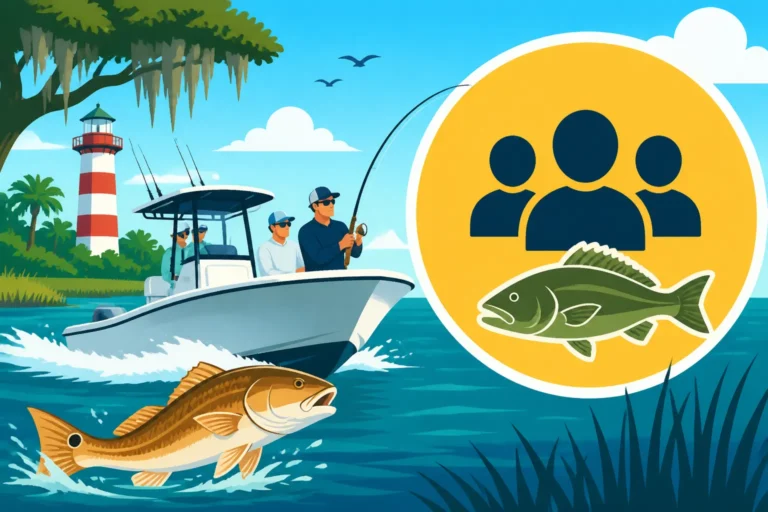
Inshore Charters typically operate in the calmer, shallower waters of estuaries, creeks, and sounds, targeting species like redfish, speckled trout, and flounder. These trips often focus on light tackle fishing, sight fishing, or drift fishing with live bait. The boats are generally smaller, nimbler, and designed for navigating tight spaces. Given the proximity to shore, these trips might feel a bit more relaxed, and the focus is often on the immediate fishing action.
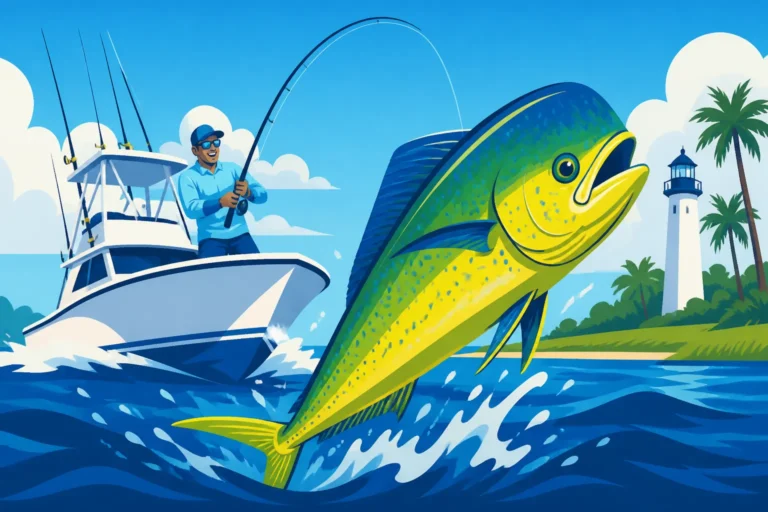
Offshore Charters venture into the deeper waters of the Atlantic, sometimes many miles out, chasing pelagic species like Mahi-Mahi, Wahoo, Tuna, and various types of snapper and grouper. These trips require larger, more robust boats with advanced navigation and fish-finding electronics. The gear is heavier, designed to handle big, powerful fish. These trips involve more fuel, specialized equipment, and often longer travel times, which is reflected in their pricing and the scope of what's included. Often, offshore charters will have more extensive safety equipment for open water, and the bait might be different (e.g., trolling lures vs. live shrimp). Choosing between the two really depends on your fishing goals and comfort level, but you can learn more by reading Choosing Between Inshore and Offshore Trips in South Carolina.
Half-Day vs. Full-Day Charter Expectations
The duration of your trip also impacts what's effectively "included" in your experience, even if the explicit list doesn't change much.
Half-Day Charters are typically 4-5 hours long. They're perfect for families with younger children, beginners, or those with limited time. The focus is usually on getting you to productive spots quickly and maximizing fishing time. You might not travel as far or target as many different species, but you'll still get a great taste of South Carolina fishing. These trips are usually more about the immediate action and less about deep exploration.
Full-Day Charters are generally 8 hours or longer. These trips allow for more travel time to distant fishing grounds, more opportunities to chase different species, and more time to adjust to changing conditions. For offshore trips, a full day is almost a necessity to reach the really productive deep-water spots. With more time, captains can explore various techniques and locations, increasing the chances of a trophy catch. If you’re serious about fishing or want a more comprehensive experience, a full day is often the way to go. Consider Half-Day vs Full-Day Fishing Charters in South Carolina to weigh your options.
Here's a quick comparison of what you can generally expect:
| Inclusion / Trip Type | Half-Day Charter (4-5 hours) | Full-Day Charter (8+ hours) |
|---|---|---|
| Fishing Rods & Reels | ✅ Included | ✅ Included |
| Bait & Lures | ✅ Included | ✅ Included |
| Fishing License | ✅ Covered by boat | ✅ Covered by boat |
| Safety Gear | ✅ Included | ✅ Included |
| Ice for Drinks/Fish | ✅ Included | ✅ Included |
| Fish Cleaning | ✅ Often Included | ✅ Always Expected |
| Snacks & Drinks | ❌ Bring Your Own | ❌ Bring Your Own |
| Tipping Crew | ✅ Expected | ✅ Expected |
| Range of Species | Limited but Focused | Wider, More Diverse |
| Travel Distance | Closer to port | Farther, more exploration |
| Learning Time | Moderate | Extensive |
Specialty Charters: What's Unique About Them
Beyond the standard inshore and offshore trips, South Carolina also offers specialty charters that cater to specific interests, and their inclusions might vary slightly to reflect this focus. For example, some charters specialize in fly fishing for redfish, which means they'll have specific fly rods and flies, and their approach will be entirely different from a bait-fishing trip.
Other examples include shark fishing charters, often popular in the summer, or night fishing trips for big catfish on lakes like Santee Cooper. These specialized trips will include the unique gear and bait necessary for that specific type of fishing. Always clarify with a specialty charter exactly what specific equipment they provide. If you're interested in booking such a trip, resources like FishingBooker often list these specialized options with detailed descriptions of their unique inclusions.
Preparing for Your Trip: What You Should Bring
Even with a comprehensive list of inclusions, there are still a few essential items you should always bring on a South Carolina fishing charter to ensure your comfort and enjoyment. Being prepared means you can focus entirely on the fishing!
Personal Essentials for a Day on the Water
The South Carolina sun can be intense, even on cloudy days, and the weather can change quickly.
- Sun Protection: Sunscreen (reef-safe if possible!), a wide-brimmed hat, and polarized sunglasses are non-negotiables. Polarized sunglasses don't just protect your eyes; they help you spot fish under the water, which is a huge advantage.
- Appropriate Clothing: Dress in layers. Even if it starts warm, mornings can be cool on the water, and offshore trips can get windy. Quick-drying fabrics are always a good choice.
- Rain Gear: A lightweight rain jacket, even on a clear forecast day, is a smart addition. You never know when a pop-up shower might occur.
- Footwear: Wear comfortable, non-slip shoes. Flip-flops might seem appealing, but closed-toe shoes with good grip are safer on a wet deck.
- Medications: If you have any personal medications, make sure they are easily accessible.
- Motion Sickness: If you’re prone to seasickness, take preventative measures before getting on the boat. Once you’re feeling sick, it’s often too late.
These items ensure you're comfortable throughout the day, allowing you to enjoy every moment of your South Carolina Fishing Charters: The Complete Guide adventure. For first-timers, checking out First-Time Charter Fishing Tips for South Carolina Visitors can offer even more valuable advice.
Keeping Your Catch Fresh on the Ride Home
As mentioned, most charters will clean and bag your fish. However, bringing your own cooler (empty) for the ride home is crucial. The boat's coolers are for the duration of the trip, and you’ll want a dedicated, insulated container to transport your freshly filleted fish. Fill it with ice right before you leave the dock, and your delicious catch will stay perfectly chilled until you get home.
Don't underestimate the importance of this step, especially on a warm South Carolina day. Freshly caught fish deserves to be treated well to ensure the best possible flavor on your dinner table. Your captain will appreciate that you’ve come prepared to handle your catch responsibly.
Confirming Inclusions Before You Book
The best way to avoid any surprises is to confirm everything with your charter captain or booking agent before you finalize your reservation. Don't be shy about asking questions! A reputable charter service will be transparent and happy to provide all the details.
Key questions to ask might include:
- "Is the fishing license included for all passengers?" (Usually yes, but confirm)
- "What kind of bait and tackle do you typically use for [target species]?"
- "Is fish cleaning and filleting included, or is there an extra charge?"
- "What should we bring in terms of food and drinks?"
- "Are there any additional fees I should be aware of, like fuel surcharges or gratuity recommendations?"
Many booking platforms, like FishingBooker, list these details clearly, but a direct conversation can clarify any specific nuances for your particular trip. Being informed means you can fully relax and enjoy your time on the water, catching fish and making memories.
Making the Most of Your Charter Experience
A South Carolina fishing charter is more than just a boat ride; it’s an immersive fishing experience led by a professional. To ensure you have the best possible time, a few extra considerations can go a long way.
Communication is Key with Your Captain
Your captain is your guide and expert for the day, and open communication with them will enhance your trip significantly. Before the trip, discuss your expectations: are you hoping to catch a lot of fish, target a specific species, or learn new techniques? Are there any physical limitations within your group? This helps the captain tailor the trip to your preferences.
During the trip, don't be afraid to ask questions about the fishing techniques, the area, or the fish you're catching. Most captains love to share their knowledge and stories. If you need a break, feel unwell, or have any concerns, communicate them immediately. A good captain will always prioritize your comfort and safety. This collaborative approach ensures that both you and the crew have a productive and enjoyable day.
Respecting Regulations and the Environment
South Carolina has strict fishing regulations designed to protect fish populations and ensure sustainable fishing for future generations. Your charter captain is an expert on these rules, including South Carolina Redfish Slot Limit 18 to 25 Inches and South Carolina Spotted Seatrout Daily Bag Limit of 10 Fish. They will ensure that all fish kept are legal in size and within bag limits. It is crucial for all anglers on board to respect these regulations.
Beyond regulations, being mindful of the environment is also paramount. This means not littering, handling fish gently if you plan to release them, and generally being a responsible steward of the natural resources. South Carolina's pristine waters are a treasure, and everyone has a role in keeping them healthy. Your captain will usually reinforce these practices, and by following their lead, you contribute to a positive and sustainable fishing culture.
Disclaimer
This article is for general informational purposes only and does not constitute professional advice. Laws, prices and regulations vary by location and change over time. Consult a qualified professional for guidance on your specific situation.