Mahi-Mahi Charter Fishing Trips in South Carolina
There's nothing quite like the thrill of chasing after a magnificent mahi-mahi in the open ocean, but for many anglers, especially those new to offshore adventures, the idea of booking a charter can feel overwhelming. You might wonder when the best time is, where these vibrant fish hide, or what on earth you need to bring. This comprehensive guide is here to untangle all those questions, helping you prepare for an unforgettable mahi-mahi charter fishing trip off the stunning coast of South Carolina.
The Irresistible Allure of Mahi-Mahi in South Carolina Waters
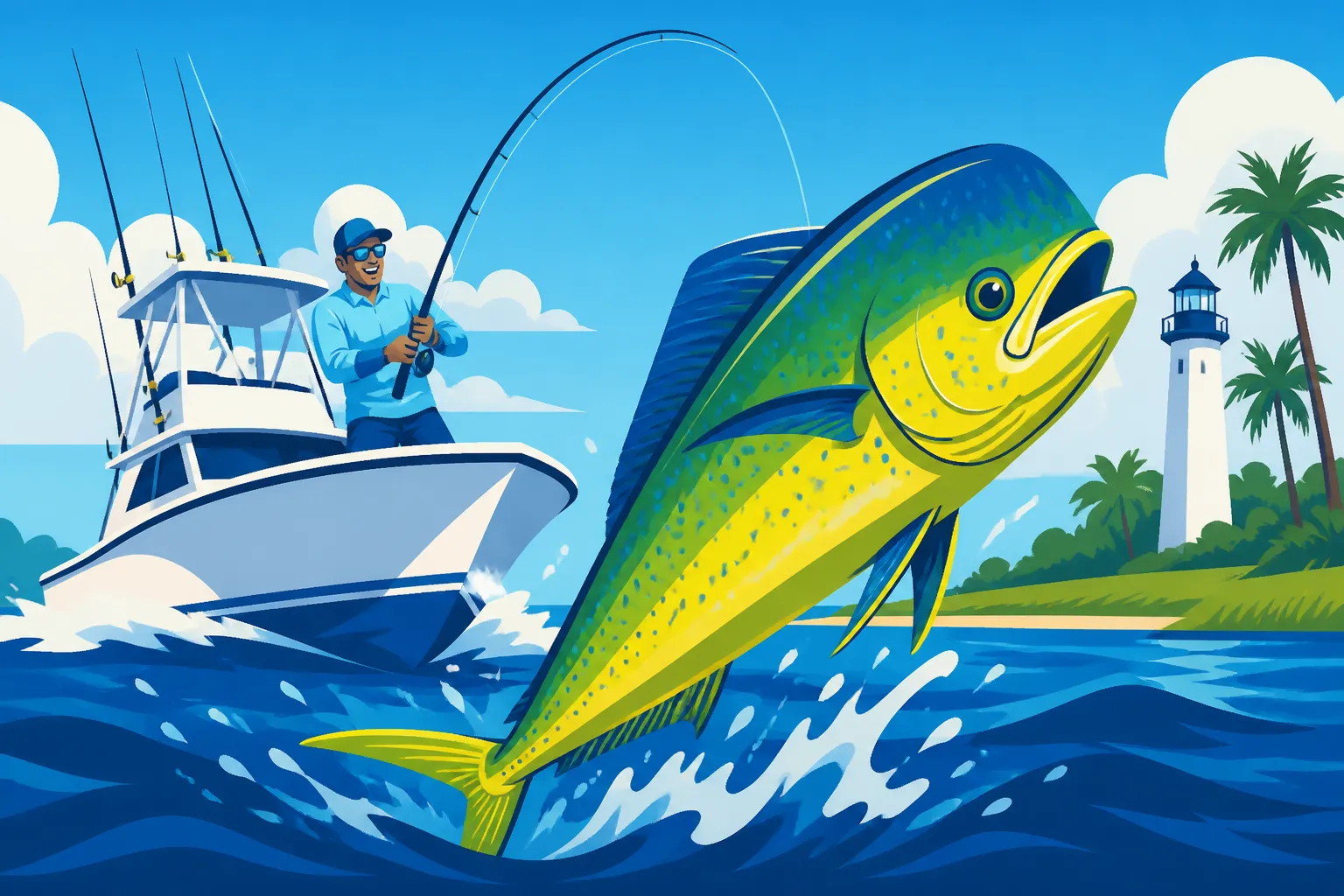
Mahi-mahi, also widely known as dolphin fish (though entirely unrelated to marine mammals) or dorado, are truly one of the ocean's most spectacular game fish. Their vibrant, iridescent colors – electric blues, greens, and yellows – make them stand out, especially when they're fresh out of the water. But it's not just their stunning appearance that makes them so sought after; it's their incredible fighting spirit and the delicious, firm, white meat they provide.
Why Mahi-Mahi Are Such a Coveted Catch
Imagine a fish that leaps and cartwheels across the water, pulling hard on your line with surprising strength, changing colors like a neon sign, and then, after an exhilarating battle, provides a fantastic meal. That's a mahi-mahi experience. They're often found in schools, which means where you find one, you often find more, leading to exciting multiple hook-ups that can turn a calm moment into absolute chaos on deck – the good kind of chaos, of course! Their aggressive feeding habits make them eager to strike a well-presented bait or lure, adding to the thrill.
Beyond the fight, the culinary appeal of mahi-mahi is immense. Their flesh is mild, flaky yet firm, and incredibly versatile, lending itself perfectly to grilling, baking, frying, or even ceviche. Many anglers consider a mahi-mahi caught on a charter trip to be the ultimate prize, offering both an adrenaline rush on the water and a delectable dinner later on.
Identifying Mahi-Mahi and Their Preferred Offshore Habitat
Mahi-mahi are pretty distinctive. They have a compressed body, a long dorsal fin running almost the entire length of their back, and an unmistakable blunt, almost flat head in males (often called "bulls"), which becomes more rounded in females. Their coloration is legendary: bright gold sides, green and blue spots on their backs and fins, fading to white or yellow on their bellies. These colors can shift and intensify with excitement or stress, making them truly mesmerizing to watch.
In South Carolina, mahi-mahi are an offshore species, meaning you won't find them lurking in the shallow estuaries or near the coast. They prefer the warm, clear blue waters of the open ocean, particularly areas influenced by the Gulf Stream. They are pelagic fish, constantly on the move, but they have a strong affinity for floating structure. This includes sargassum weedlines, which are vast mats of floating seaweed that drift offshore, acting as mini-ecosystems. Smaller baitfish, crabs, and other marine life congregate under these weedlines, providing a natural larder for predatory mahi-mahi. They also hang around floating debris, temperature breaks, and even artificial fish aggregating devices (FADs) or buoys far out at sea. Understanding this habitat preference is key to a successful charter trip.
Timing Your Mahi-Mahi Adventure for Optimal Success
Knowing when to go fishing for mahi-mahi in South Carolina is almost as important as knowing where. These are warm-water fish, and their presence off our coast is highly seasonal, dictated by ocean currents and water temperatures.
Peak Seasons for Mahi-Mahi in South Carolina
The prime time for mahi-mahi fishing in South Carolina generally kicks off in late spring, around April or May, and runs strong through the summer months, often tapering off in early fall, usually around October. For many, June, July, and August represent the absolute sweet spot. During these months, the Gulf Stream pushes its warm, nutrient-rich waters closer to our coastline, bringing with it the baitfish and, consequently, the mahi-mahi.
Early season (late spring) often sees a mix of sizes, sometimes with larger "gaffer" mahi appearing. As summer progresses, the numbers can swell, and you might encounter more schoolie-sized fish (smaller but still a blast to catch) mixed in with bigger ones. While you can sometimes catch a straggler outside of this window, if your heart is set on mahi-mahi, aiming for the summer peak is your best bet. Many charters start advertising their specific "mahi-mahi trips" during this season. If you're planning your trip, you'll want to check out Best Time of Year to Book a South Carolina Fishing Charter to get a broader sense of seasonal opportunities.
Understanding Weather and Sea Conditions for Offshore Trips
Offshore fishing is highly dependent on the weather, and a mahi-mahi trip is no exception. Unlike inshore fishing where you might be able to duck into a creek during a pop-up shower, being miles offshore requires a stable forecast. Charter captains meticulously watch for calm seas, light winds, and favorable ocean conditions.
A strong wind, especially from the wrong direction, can create choppy, uncomfortable, or even dangerous conditions far out at sea. This doesn't just affect safety; it also impacts fishing success. It's much harder to spot weedlines or feeding fish in rough water, and the fish themselves may not feed as aggressively. Pay close attention to marine forecasts when planning your trip. Be prepared for your captain to make the call to reschedule if conditions aren't safe or conducive to a good fishing experience. This is for your safety and to maximize your chances of success. It's always a good idea to chat with your chosen charter about their South Carolina Charter Fishing Cancellation and Weather Policy before you book.
Where to Find Mahi-Mahi in South Carolina Waters
Mahi-mahi are not found just anywhere offshore. They are hunters of specific ocean features, and a good captain knows exactly where to look for these hotspots.
Offshore Structures, Weedlines, and Temperature Breaks
The key to finding mahi-mahi often lies in locating floating structure or significant oceanographic features. Sargassum weedlines are perhaps the most famous. These expansive mats of golden seaweed provide shelter and food for a myriad of small marine life, which in turn attracts larger predators like mahi-mahi. A good captain will spend time cruising along these weedlines, looking for signs of life like jumping baitfish or even mahi-mahi swimming near the surface.
Beyond weedlines, mahi-mahi will often congregate around any floating debris – a lost buoy, a discarded pallet, or even a log. These objects act as miniature FADs. Furthermore, temperature breaks, where warm currents meet cooler water, create nutrient-rich upwellings that concentrate baitfish and, consequently, hungry mahi. These temperature breaks can sometimes be identified by subtle color changes in the water. Experienced captains use advanced satellite imagery and years of local knowledge to pinpoint these elusive, ever-moving hotspots. You'll definitely be out in the blue water, well beyond sight of land, so if you're looking for more general offshore targets, check out South Carolina Offshore Fishing Charters Explained.
Common Departure Points for Offshore Charters
South Carolina's long coastline offers several excellent departure points for offshore mahi-mahi charters. The choice of port often depends on where you're staying and which part of the coast offers the quickest access to the productive offshore grounds.
- Charleston: As a major port city, Charleston boasts a large fleet of offshore charter boats. Its proximity to deeper waters makes it a fantastic starting point for runs to the Gulf Stream. If you're coming from the Charleston area, you'll find plenty of options, and you can delve deeper into Charleston Fishing Charters: South Carolina's Harbor Trips to learn more.
- Hilton Head Island: Further south, Hilton Head is another popular hub for offshore fishing. Anglers here can access productive waters relatively quickly, making it a great choice for vacationers. Many excellent captains operate out of Hilton Head, offering trips specifically tailored for pelagic species. For more details on this area, check out Hilton Head Island Fishing Charters, South Carolina.
- Myrtle Beach / Murrells Inlet: Up the northern coast, these areas also have robust charter fleets. Murrells Inlet, in particular, is known as the "Seafood Capital of South Carolina" and offers direct access to the ocean, with many experienced captains ready to take you offshore.
Regardless of your departure point, a good mahi-mahi charter will involve a significant run offshore, often 30-70 miles, to reach the prime fishing grounds.
What to Expect on a South Carolina Mahi-Mahi Charter
Booking an offshore charter, especially for a target species like mahi-mahi, is an investment in an experience. Knowing what to expect can help you prepare and fully enjoy the day.
Typical Trip Duration and Fishing Techniques
Mahi-mahi charters are almost exclusively full-day affairs, typically lasting 8 to 12 hours. The reason for this extended duration is the considerable travel time involved in getting to and from the offshore grounds. A 60-mile run out and back eats up a good chunk of time, even on a fast boat. Half-day trips generally don't allow enough time to reach the productive mahi-mahi waters, making them more suitable for inshore or nearshore targets. If you're weighing your options, you might find Half-Day vs Full-Day Fishing Charters in South Carolina helpful.
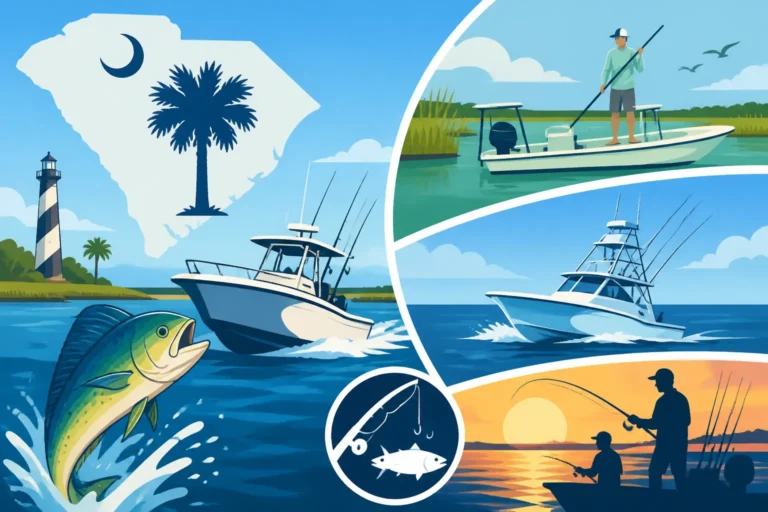
Once on the fishing grounds, the primary technique for mahi-mahi is trolling. This involves dragging multiple lines behind the boat at a slow speed, typically using natural baits like ballyhoo, often rigged with colorful skirts or lures, or sometimes just artificial trolling lures. The idea is to cover a lot of water and mimic baitfish swimming through the open ocean. When a mahi-mahi strikes, the crew will often quickly get another line, or a "pitch bait," into the water to capitalize on the school's presence. Mahi-mahi are known for their aggressive schooling behavior, and it's common to hook multiple fish once you find a school.
Gear, Crew, and Amenities Provided
One of the greatest benefits of booking a charter is that almost everything you need is provided. Your charter will supply all the necessary fishing gear, including appropriate rods, reels, lines, and tackle. They'll also have a bait well full of fresh or live bait (like ballyhoo) and a vast array of artificial lures. Safety equipment, such as life vests, first aid kits, and communication devices, is also standard and legally required.
Beyond the fishing essentials, most charters come equipped with comfortable seating, a head (marine toilet), and often an air-conditioned cabin for respite from the sun or a quick nap during the run out. The crew, consisting of the captain and usually one or more mates, are the backbone of the operation. They are experts at navigating, rigging baits, assisting with hook-ups, gaffing fish, and ensuring your safety and enjoyment. They'll handle the vast majority of the work, allowing you to focus on the fishing. To get a better idea of what else is typically covered, read our guide on What's Included in a South Carolina Charter Fishing Trip.
What to Bring and What to Leave Behind
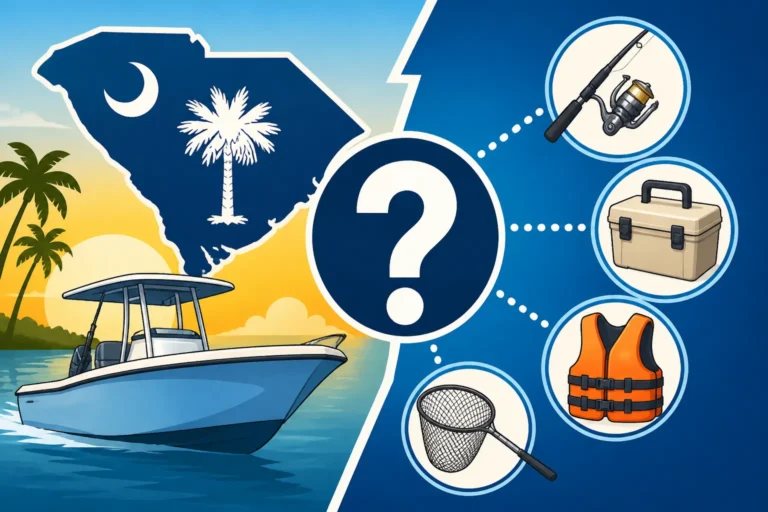
While the charter provides the essentials, there are definitely some items you'll want to bring along to make your trip more comfortable:
| Category | Recommended Items to Bring | Items to Avoid or Limit |
|---|---|---|
| Protection | Sunscreen (non-spray preferred), Hat, Sunglasses (polarized), Lightweight long-sleeve shirt, Rain gear (lightweight) | Spray sunscreen (can make decks slippery), Dark-soled shoes (scuff marks) |
| Food & Drink | Water, Snacks, Lunch, Soft drinks (no glass bottles) | Excessive alcohol (limits judgment, safety risk), Hard liquor |
| Comfort | Non-skid shoes, Camera, Small bag for personal items, Dramamine/motion sickness medication (take in advance) | Large coolers (unless coordinated with captain), Valuables that can't get wet |
| Optional | Small towel, Cash for gratuity | Anything you're unwilling to get fish blood or bait on |
Always confirm with your captain if you have specific questions about what you can bring. Many charters prefer you use their cooler space for drinks and snacks to keep the deck clear. Remember, it’s a working boat, so dress comfortably and be prepared for potential splashes and fish scales. For a general list, check out What to Bring on a South Carolina Fishing Charter.
Choosing and Booking Your South Carolina Mahi-Mahi Charter
Deciding to go after mahi-mahi is the exciting first step, but then comes the practical matter of choosing and booking the right charter. With so many options, it can feel like a labyrinth.
Factors to Consider When Selecting a Charter
Not all charters are created equal, and finding the right fit for your group and expectations is crucial. Here are some key factors to consider:
- Experience and Reputation of the Captain: Look for captains with a proven track record of successful offshore trips, specifically for mahi-mahi. Read reviews, ask for references, and don't hesitate to ask how long they've been running offshore trips in South Carolina. Local knowledge is paramount for pelagic species.
- Boat Size and Type: For offshore mahi-mahi, you'll want a boat that's stable, fast, and comfortable enough for a long day at sea. Center consoles are popular for smaller groups, while larger sportfishing yachts offer more amenities and space. Consider the number of people in your group and choose a boat that can comfortably accommodate everyone.
- Private vs. Shared Charters: Most mahi-mahi trips are private charters, meaning you book the entire boat for your group. This offers flexibility and personalized attention. However, if you're a solo angler or a small party looking to save costs, some charters might offer "split trips" where you share the boat with other individuals. Make sure you clarify this when booking.
- Inclusions and Exclusions: Always confirm what's included in the price. Is bait, tackle, and ice part of the package? What about fishing licenses? Most offshore charters will cover your South Carolina Fishing License Guide requirements for the day, but it's always good to confirm. Ask if fish cleaning is included or an additional charge.
Navigating Costs and Booking Platforms
Mahi-mahi charters, being full-day offshore excursions, are generally more expensive than inshore trips due to fuel costs, crew salaries, and boat maintenance. Prices can vary significantly based on boat size, duration, and the captain's reputation. It's important to understand that you're paying for expertise, equipment, and access to premium fishing grounds. To get a general sense of the investment, you can explore South Carolina Charter Fishing Costs and Trip Types.
When it comes to booking, you have a few options. You can contact individual charter captains directly, which often allows for direct communication and negotiation. Alternatively, online booking platforms have revolutionized the process, offering a convenient way to browse, compare, and book charters. For instance, FishingBooker is a popular platform that lists numerous South Carolina charters, allowing you to filter by location, target species (like mahi-mahi), boat type, and read reviews from previous customers. This can be incredibly helpful for comparing options, checking availability, and getting a clear overview of what each trip entails. You can see various packages, compare the details, and make an informed decision, all in one place on platforms like FishingBooker. It simplifies the process considerably for anglers trying to find the perfect fit. Using a platform like FishingBooker also often provides a layer of security regarding deposits and cancellation policies.
From Ocean to Table: Enjoying Your Mahi-Mahi
The thrill of the catch is just one part of the mahi-mahi experience. What happens after the fish is in the boat is just as important, from proper handling to understanding regulations and, of course, savoring your delicious bounty.
Handling and Care of Your Catch
Once a mahi-mahi is boated, immediate and proper handling is crucial to preserve its quality for the dinner table. Most charter boats will have large fish boxes filled with ice. The fish should be immediately placed on ice, ideally in an ice-water slurry, to cool it down rapidly. This prevents spoilage and maintains the firmness and flavor of the meat.
Upon returning to the dock, your crew will typically handle the cleaning and filleting of your catch. Many experienced mates are incredibly skilled at this, turning a whole fish into beautiful, boneless fillets in minutes. It's customary to tip the mate for this service, especially if it's not explicitly included in the charter price. You can learn more about this process in our guide Cleaning and Filleting Your Catch After a South Carolina Charter.
South Carolina Mahi-Mahi Regulations and Limits
Before you even step on the boat, it's wise to have a general understanding of South Carolina's fishing regulations for mahi-mahi. While your charter captain will be fully aware of and adhere to all current rules, knowing them yourself ensures you're a responsible angler.
Regulations for offshore species, including mahi-mahi, typically involve size limits (a minimum length to ensure the fish have a chance to reproduce) and bag limits (the maximum number of fish an individual or boat can keep per day). These rules are in place to ensure the sustainability of the fishery. These regulations can change, so always rely on the most up-to-date information provided by the South Carolina Department of Natural Resources (SCDNR) or your charter captain. For general information on statewide rules, you can consult South Carolina Fishing Bag Limits Explained.
Preparing and Cooking Your Fresh Mahi-Mahi
Bringing home fresh mahi-mahi is a culinary treat that few other fish can match. Its firm, white, mild-flavored flesh makes it incredibly versatile. Here are a few popular ways to prepare your catch:
- Grilling: Mahi-mahi takes beautifully to the grill. A simple marinade of olive oil, lemon juice, garlic, and herbs is often all it needs. Grill over medium-high heat until opaque and flaky.
- Baking or Broiling: For a hands-off approach, bake or broil fillets with a touch of butter, white wine, and your favorite seasonings.
- Pan-Searing: A quick sear in a hot pan with a little oil creates a lovely crust while keeping the inside moist and tender.
- Fish Tacos: Flaked grilled or pan-seared mahi-mahi makes for incredible fish tacos, especially when topped with fresh salsa and a creamy sauce.
No matter how you prepare it, enjoying mahi-mahi that you caught yourself adds an incomparable layer of satisfaction to the meal. It's the perfect way to cap off an exciting day on the South Carolina waters.
Disclaimer
This article is for general informational purposes only and does not constitute professional advice. Laws, prices and regulations vary by location and change over time. Consult a qualified professional for guidance on your specific situation.