Flounder Fishing Charters in South Carolina
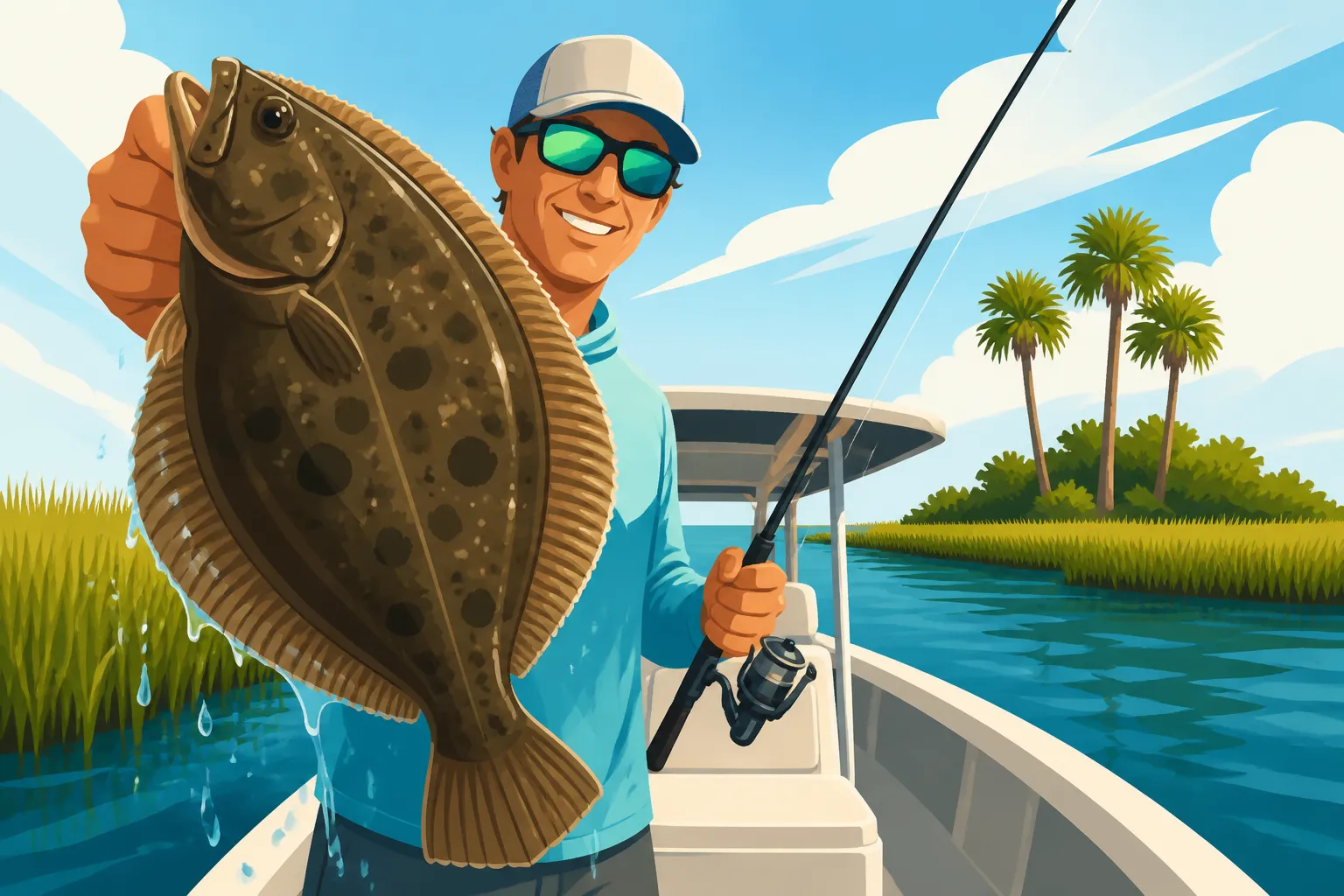
Oh, the elusive flounder! There's nothing quite like the thrill of feeling that subtle thump on your line and then wrestling a big flatfish up from the bottom. But let's be honest, finding those delicious bottom-dwellers can sometimes feel like trying to find a needle in a haystack, especially if you're not intimately familiar with South Carolina's intricate inshore waters. If you're tired of guessing games and want to seriously up your flounder fishing success, this guide is your go-to resource for understanding and booking a flounder fishing charter in the Palmetto State.
Why Flounder Fishing Charters Are a Smart Move in South Carolina
Flounder fishing isn't just about dropping a line in the water; it's an art, a science, and a bit of local folklore all rolled into one. While you can certainly catch flounder on your own, a dedicated charter significantly enhances your chances and overall experience. You're not just paying for a boat ride; you're investing in expertise, access, and convenience.
Expertise That Cuts Through the Learning Curve
Let's face it, South Carolina's coastal waterways are vast and complex. From the marsh creeks of the Lowcountry to the inlets near Myrtle Beach, each area has its own nuances, tides, and hidden honey holes where flounder like to lie in wait. A professional fishing guide, especially one specializing in flounder, has spent years—often decades—learning these intricacies. They know where the flounder are holding based on the time of year, tide cycle, water temperature, and even recent weather patterns.
Imagine spending a full day on the water, burning expensive gas, and constantly moving from spot to spot with little to show for it. That's a common frustration for anglers tackling new waters. A good charter captain, however, has an intimate knowledge of the local ecosystem and can pinpoint productive areas with efficiency. They can tell you exactly why a particular oyster bed or a specific creek mouth is prime flounder territory at that moment, offering insights you'd take years to acquire on your own. This isn't just about catching fish; it's an invaluable learning experience that can inform your future solo trips.
Access to Prime Flounder Real Estate
Many of the best flounder fishing spots aren't easily accessible from public ramps or bank fishing locations. They might be remote creek bends, deep channels adjacent to oyster beds, or specific ledges within sprawling estuaries that require a shallow-draft boat and precise navigation skills. Trying to reach these spots in your own vessel, particularly if you're not familiar with shifting sandbars and treacherous low-tide conditions, can be risky and time-consuming.
Charter boats are typically well-equipped for these specific environments. Their captains know the safe routes through skinny water and where the deepest pockets are, even if they look like featureless flats to the untrained eye. This means you're spending more time fishing in productive areas and less time navigating or worrying about running aground. They often have secret spots that are consistent producers, which they've discovered through countless hours on the water.
All the Gear, None of the Hassle
One of the biggest advantages of a fishing charter is that all the necessary gear is provided. For flounder fishing, this often means specialized rods and reels that are sensitive enough to detect their subtle bite, an array of live baits like mud minnows or finger mullet (which can be tricky and time-consuming to catch yourself), and various artificial lures that mimic natural prey. You don't have to worry about buying expensive equipment, maintaining it, or even cleaning it afterward.
This convenience is particularly appealing for visitors to South Carolina or those who only fish occasionally. You simply show up, step aboard, and everything is ready for you. The guide will even rig your lines, bait your hooks, and instruct you on the best techniques. It takes all the guesswork and preparation out of the equation, letting you focus purely on the joy of fishing. Plus, most charters also provide the necessary South Carolina Fishing License Guide for everyone on board, so you don't even need to worry about individual permits, though it's always wise to confirm this when booking.
What to Expect on a South Carolina Flounder Charter
Booking a flounder fishing charter means stepping into a carefully planned angling adventure. While every captain has their own style, there are some common elements you can generally anticipate, ensuring you're ready for a productive and enjoyable day on the water.
Typical Trip Lengths and Target Species
Most inshore flounder charters in South Carolina offer half-day trips (typically 4 hours) or full-day trips (usually 6-8 hours). For flounder, a half-day trip is often sufficient, especially if you're targeting a specific tide window that the captain knows will be hot. However, a full-day trip allows for more exploration, a wider range of tides, and sometimes the opportunity to target other species if flounder aren't biting or if you've already filled your limit.
While flounder are the primary target, South Carolina's inshore estuaries are teeming with other exciting fish. It's very common to catch redfish (also known as red drum) and spotted seatrout (often called "specks") while fishing for flounder, especially if you're using live bait. Many captains will actively pursue what's biting best, or they might dedicate a portion of the trip to chasing these other species. For instance, you might start the day jigging for flounder in a creek and then move to a grass flat to sight-fish for Redfish Slot Limit Rules for South Carolina Anglers later in the tide cycle. Always discuss your preferences with the captain beforehand to ensure everyone is on the same page.
Fishing Techniques for Flounder on a Charter
Flounder fishing often involves specific techniques designed to present bait or lures close to the bottom where these ambush predators lie. Your charter captain will guide you through these methods, making sure you're doing everything correctly.
- Bottom Fishing with Live Bait: This is arguably the most common and effective method. You'll typically be using a Carolina rig with a live mud minnow, finger mullet, or even a small shrimp. The goal is to keep the bait on or very near the bottom, slowly dragging or bumping it along as the boat drifts or is slowly motored. The retrieve is critical; flounder often hit subtly, and you need to distinguish their bite from a snag. Your guide will teach you the "drag, pause, feel" technique, explaining how to wait for the flounder to commit before setting the hook.
- Jigging: Using soft plastic jigs tipped with bait or just scented can also be highly effective. The jig is bounced along the bottom, mimicking a wounded baitfish. This can be more active and requires a good feel for the rod tip. The captain will likely demonstrate the correct jigging motion and retrieve speed, which can vary greatly depending on water depth, current, and flounder activity.
- Casting and Retrieving Artificials: While less common for dedicated flounder trips, some guides might incorporate casting artificial lures like MirrOlures or Gulp! shrimp into shallow areas, especially if you're also targeting trout or redfish. The key is to keep the lure near the bottom and work it slowly. No matter the technique, the guide's role is to put you in the right spot and provide real-time coaching to maximize your chances. Flounder Fishing Tips for Beginners in South Carolina will often focus on these precise methods.
Catching, Keeping, and Filleting Your Flounder
Once you've felt that unmistakable thud, fought the fish, and brought it to the boat, the excitement really begins! The captain or mate will typically handle the fish, ensuring it's safely brought aboard and measured against current South Carolina Flounder Fishing Regulations Explained for size and bag limits. Flounder have sharp teeth and spines, so it’s best to let the pros handle them to avoid injury and stress to the fish.
If the flounder is a keeper, it will usually go into a livewell or cooler on ice to keep it fresh. At the end of the trip, most South Carolina fishing charters offer complimentary fish cleaning and filleting services. This means you leave with delicious, ready-to-cook fillets, neatly bagged and often iced down. It's a fantastic perk, especially after a long day of fishing, and saves you the messy job at home. Be sure to confirm this service when you book, as some captains may charge a small fee, though it's rare for flounder trips.
Choosing the Right Flounder Fishing Charter for Your Trip
Selecting the perfect charter can make all the difference between a good trip and a truly memorable one. With many options available in South Carolina, knowing what to look for will help you narrow down your choices and find a captain who aligns with your fishing goals.
Captain's Experience and Specialization
When it comes to flounder fishing, experience truly matters. Look for a captain who specifically highlights flounder fishing as a specialty, rather than just a general inshore trip. A captain with years of local experience will know the seasonal patterns, the best baits, and the most productive spots for flounder. Don't be shy about asking about their flounder success rates or how many years they've been guiding in the specific area you're interested in. Online platforms like FishingBooker often allow you to filter guides by their target species, making it easier to find flounder specialists.
Beyond just catching fish, consider the captain's overall demeanor. Do they sound patient and eager to teach, or are they more focused on simply getting limits? If you're a beginner, a patient teacher will be invaluable. If you're an experienced angler looking for a challenge, you might prefer a guide who focuses on advanced techniques. Read reviews, look at their gallery photos (do they have many flounder?), and don't hesitate to call and chat with them directly before booking. A good conversation can give you a real feel for their personality and approach.
Boat Size, Equipment, and Safety Measures
The type of boat used for flounder charters is usually a shallow-draft bay boat or skiff, perfect for navigating the estuarine environments where flounder thrive. Make sure the boat appears well-maintained, clean, and has enough space for your group to fish comfortably. Good charters will have modern electronics, including depth finders and GPS, which are essential for locating structure and navigating safely.
Beyond the boat itself, confirm the quality of the fishing equipment. Are the rods and reels well-maintained? Do they use fresh line? Are they using quality live bait? These small details contribute significantly to your success and enjoyment. Safety is paramount, so ensure the captain is licensed and insured, and that the boat carries all required safety equipment, including life jackets, first aid kits, and communication devices. A reputable charter will always prioritize your safety on the water.
Cost and What's Included in the Price
Charter costs can vary based on trip length, boat size, and the captain's reputation. While it's tempting to go for the cheapest option, remember that you often get what you pay for. A slightly higher price might mean a more experienced guide, better equipment, or inclusion of valuable live bait. When comparing prices, always clarify exactly what's included.
Typical inclusions should be:
- Fishing license: Most charters cover this for all passengers.
- Rods, reels, tackle: All necessary fishing gear.
- Bait: Live bait for flounder can be expensive, so ensure it's included.
- Fuel: Standard for all charters.
- Fish cleaning: Often complimentary.
Things that might not be included are usually gratuity for the captain/mate (a customary 15-20% is appreciated for good service), food, drinks, sunscreen, or any personal items. Always ask for a clear breakdown of costs and what's covered before booking to avoid any surprises. Check out our detailed guide on South Carolina Charter Fishing Costs and Trip Types for more insights into pricing.
Top South Carolina Destinations for Flounder Charters
South Carolina's coast is blessed with an abundance of shallow, estuarine waters that make for prime flounder habitat. While flounder can be found almost anywhere along the coast, some areas are particularly renowned for their charter fishing opportunities and consistent flounder action.
Hilton Head Island and Beaufort
The Hilton Head and Beaufort area, often referred to as the Lowcountry, offers some of the most diverse inshore fishing in South Carolina. Its intricate network of tidal creeks, expansive marsh flats, and oyster-laden banks provide ideal ambush points for flounder. The waters here are generally protected, offering calm conditions even when it's windy offshore, making it a great choice for families or those prone to seasickness.
Charters operating out of Hilton Head have access to productive areas like Broad River, Calibogue Sound, and numerous smaller creeks that snake through the spartina grass. These areas are rich in the baitfish that flounder prey upon. The captains here are experts at navigating the tides to find those perfect ambush spots. Beaufort, with its historic charm and less crowded waters, also provides excellent access to similar fishing grounds, often offering a more tranquil experience. You'll find many reputable guides using platforms like FishingBooker to showcase their availability in these prime locations.
Charleston and Mount Pleasant
Charleston Harbor and the surrounding tidal creeks of Mount Pleasant, Isle of Palms, and Folly Beach are another powerhouse for flounder fishing charters. Charleston's vast harbor system, with its deep channels, jetties, and expansive mud flats, holds a significant population of flounder. The diverse bottom structure and strong tidal flows create excellent feeding opportunities for these flatfish.
Charters from Mount Pleasant can quickly access the fertile waters of Shem Creek, the Wando River, and Capers and Bulls Bay, all known for producing good numbers of flounder, redfish, and trout. The captains here are skilled at working the edges of shipping channels, bridges, and oyster reefs. The area's popularity means there's a good selection of guides, but it also means booking in advance is a wise move, especially during peak seasons. You might want to explore specific "Flounder Fishing Spots Along the South Carolina Coast" when planning your trip here.
Murrells Inlet and Myrtle Beach
Further north, Murrells Inlet stands out as a fishing paradise, particularly for inshore species like flounder. This natural inlet, often called the "Seafood Capital of South Carolina," is a thriving ecosystem of tidal creeks, oyster beds, and mud flats, all sheltered from the open ocean. It's a fantastic place for flounder, and many charters here specialize in targeting them.
The captains in Murrells Inlet have an intimate knowledge of the labyrinthine creeks and shallow backwaters that make this area so productive. They often work specific drop-offs and channel edges where flounder stage to ambush baitfish. While Myrtle Beach itself is more known for its surf and pier fishing, charters often depart from nearby marinas to access the inshore systems of Murrells Inlet or even head slightly offshore to target flounder on nearshore reefs and wrecks when conditions are right. For details on local hotspots, consider checking guides like Murrells Inlet Redfish Fishing Spots in South Carolina.
Preparing for Your Flounder Fishing Adventure
A little preparation goes a long way in ensuring your flounder fishing charter is as enjoyable and productive as possible. Knowing what to bring and what to expect will help you relax and focus on the fishing.
What to Bring on Your Charter Trip
Even though the charter provides most of the essential fishing gear, there are several personal items you should definitely bring to ensure comfort and safety on the water.
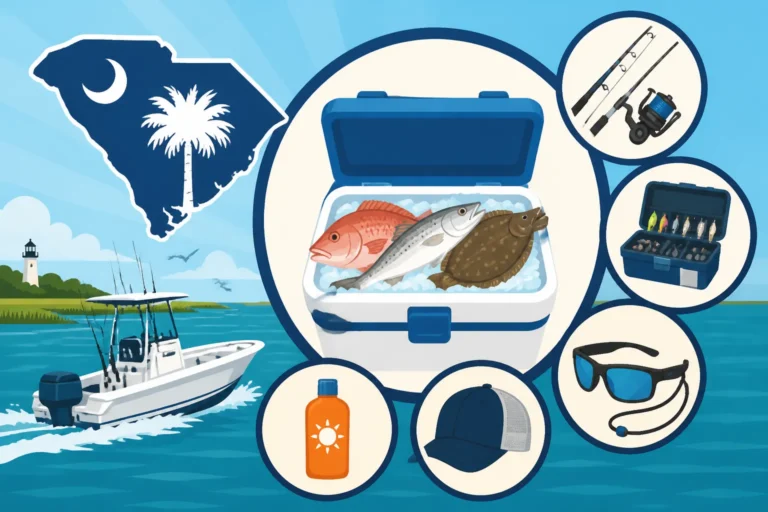
- Sun Protection: South Carolina sun can be intense, even on cloudy days. Bring a wide-brimmed hat, polarized sunglasses (essential for seeing fish and structure underwater), and plenty of high-SPF sunscreen. Long-sleeved, breathable shirts and fishing buffs can also provide excellent sun protection.
- Appropriate Clothing and Footwear: Dress in layers, as mornings can be cool, and afternoons warm up quickly. Choose light, quick-drying fabrics. Wear comfortable, non-slip shoes or sandals that you don't mind getting wet. Avoid dark-soled shoes that can scuff the boat.
- Food and Drinks: While some charters might offer bottled water, it's always a good idea to bring your own snacks, lunch, and beverages, especially for longer trips. A small cooler with ice is usually welcome onboard to keep your items fresh.
- Medication and Personal Items: If you require any personal medications, don't forget them. Motion sickness medication, if you're prone to it, should be taken before you board the boat. A small bag for personal items, a camera to capture those trophy flounder, and any specific comfort items are also good to have.
- Cooler for Your Catch (Optional): While the captain will likely clean and bag your fish, having your own cooler in your car to transport your fillets home will keep them fresh and perfectly chilled.
Understanding the Role of Tipping Your Guide
Tipping your fishing guide is a customary and important part of the charter experience in South Carolina, much like tipping a waiter in a restaurant. Guides work incredibly hard to ensure you have a successful and enjoyable trip, from maintaining their boat and gear to scouting fishing spots, providing instruction, and cleaning your catch.
A standard gratuity for a good trip is typically 15-20% of the total charter fee. If your guide went above and beyond—perhaps they were exceptionally patient with kids, taught you a lot, or found fish in tough conditions—you might consider tipping more. Always bring cash for tipping, as it's the easiest and most appreciated method. It’s always best to give the tip directly to the captain at the end of the trip. If you have questions about this, our article on Tipping Your South Carolina Fishing Guide provides more detail.
Booking and Cancellation Policies
When you book a flounder fishing charter, you'll typically be required to put down a deposit to secure your date. This deposit is usually non-refundable if you cancel within a certain timeframe (e.g., 7-14 days before the trip). It's crucial to understand the captain's cancellation policy before committing.
Weather is a significant factor in fishing, and reputable captains prioritize safety above all else. If the captain determines that conditions are unsafe or unfishable (e.g., high winds, thunderstorms), they will usually offer to reschedule your trip or provide a full refund of your deposit. This decision is at the captain's discretion, as they are the experts on local water conditions. Don't be surprised if your trip is called off for weather; it means your captain is looking out for your safety and comfort. Always ask about their specific South Carolina Charter Fishing Cancellation and Weather Policy when you make your reservation.
Understanding Flounder Regulations on a Charter
Navigating fishing regulations can be tricky, but on a charter, your captain will handle the specifics. However, having a basic understanding can enhance your appreciation for conservation efforts and ensure you know what to expect.
South Carolina Flounder Size and Bag Limits
Flounder populations are closely monitored, and regulations are put in place to ensure sustainable fishing for future generations. These regulations can change, so it's vital to refer to the latest information from the South Carolina Department of Natural Resources (SCDNR). Your charter captain will always be up-to-date on the most current rules.
Generally, flounder will have a minimum size limit (e.g., 15 inches) and a daily bag limit per person (e.g., 5 fish). There may also be a vessel limit, which restricts the total number of fish that can be kept on a single boat, regardless of how many anglers are on board. For example, a boat with multiple anglers might be limited to a total of 10 flounder for the day. This is particularly relevant for charters where multiple people are fishing. Your captain will explain all applicable limits and ensure compliance. They are fishing professionals and strictly adhere to all South Carolina Flounder Fishing Regulations Explained.
Catch and Release Practices
While everyone hopes to catch keeper-sized flounder for the dinner table, there will inevitably be times when you catch fish that are too small or that you choose to release. Your charter captain will demonstrate proper catch-and-release techniques to minimize stress and maximize the survival rate of released fish. This includes handling the fish gently, using barbless hooks when possible, and quickly returning them to the water.
Sometimes, especially during certain times of the year or in specific areas, flounder may be more abundant but smaller than the legal size. Responsible anglers and guides understand the importance of protecting these juvenile fish. If you're interested in learning more about specific limits or the biology of these fish, our guide on Flounder Fishing Season in South Carolina can provide further context.
The Captain's Role in Compliance
Ultimately, the charter captain is responsible for ensuring that all fishing regulations are followed on their vessel. This means they will instruct you on what fish can be kept, how many, and how to measure them. If there's any doubt about a fish's size, they will make the final call. They also track the total number of fish caught to ensure the vessel limit isn't exceeded.
This compliance means you can relax and enjoy the fishing without constantly worrying about legalities. The captain's extensive knowledge of local rules, coupled with their passion for conservation, ensures that your fishing experience is both rewarding and responsible. They protect both the fishery and your experience, making sure you adhere to guidelines like the South Carolina Fishing Bag Limits Explained.
| Trip Type | Duration | Ideal For | Flounder Focus | Typical Target Species |
|---|---|---|---|---|
| Half-Day | 4-5 hours | Beginners, Families, Specific Tide | Strong | Flounder, Redfish, Spotted Seatrout |
| 3/4 Day | 6 hours | More Experienced, Multi-Species, More Spots | Strong, More Varied | Flounder, Redfish, Spotted Seatrout, Sheepshead |
| Full-Day | 7-8 hours | Dedicated Anglers, Extensive Exploration | Strong, Broad | Flounder, Redfish, Spotted Seatrout, Tarpon (seasonal) |
Disclaimer
This article is for general informational purposes only and does not constitute professional advice. Laws, prices and regulations vary by location and change over time. Consult a qualified professional for guidance on your specific situation.