Hilton Head Island Fishing Charters, South Carolina
Navigating the myriad of fishing opportunities in a new destination can feel overwhelming, especially when you're dreaming of reeling in a big one but aren't sure where to cast your line or what gear you even need. Many hopeful anglers find themselves frustrated, wondering how to tap into the local knowledge that seems to unlock the best catches. This comprehensive guide is designed to demystify fishing charters on Hilton Head Island, offering you a clear path to planning an unforgettable angling adventure in South Carolina's stunning Lowcountry waters.
Why Choose a Fishing Charter on Hilton Head Island?
Hilton Head Island, with its intricate network of tidal creeks, vast estuaries, and immediate proximity to the Atlantic Ocean, presents an incredible fishing paradise. However, for visitors or even locals without their own boat and deep local insight, these abundant waters can feel inaccessible. That's where a fishing charter truly shines, offering an unparalleled gateway to success and enjoyment.
The Allure of Hilton Head's Diverse Waters
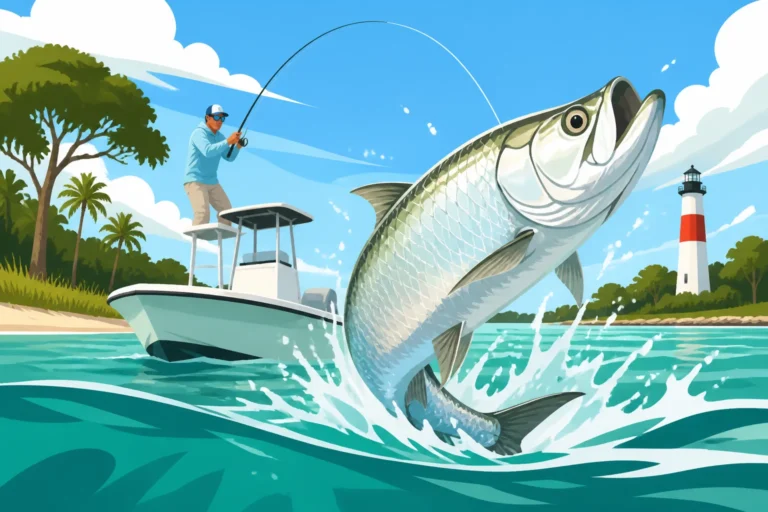
Imagine stepping aboard a comfortable boat, the morning sun glinting off the calm, glassy surface of a tidal creek as your captain expertly navigates through marsh grass. One of the biggest draws of Hilton Head is its diverse aquatic landscape. You're not limited to just one type of fishing experience here. Within a short boat ride, you can transition from the skinny water flats where redfish tail in search of fiddler crabs to the deeper channels of the sounds where spotted seatrout and flounder lurk. Further out, the nearshore reefs hold black sea bass and king mackerel, while the deep blue offshore waters are home to tuna, mahi-mahi, and wahoo. This variety means that no matter your preference or the time of year, there's always a productive fishery to explore. The sheer richness of these ecosystems, teeming with baitfish and game fish, makes every trip a potential adventure.
Hassle-Free Fishing for Every Skill Level
For many, the thought of fishing involves a mental checklist: buying a South Carolina Fishing License Guide, gathering rods, reels, bait, tackle, and then figuring out where to go. A charter eliminates almost all of that pre-trip stress. When you book a charter, you're essentially hiring a floating, fully equipped fishing operation complete with an experienced guide. All the necessary gear – rods, reels, bait, tackle – is provided and meticulously maintained. The captain is a seasoned expert, intimately familiar with the local waters, tides, and fish behavior. This makes it an ideal option for complete novices who have never held a rod, offering a relaxed and supportive environment to learn the ropes. But it's equally appealing to seasoned anglers who might be traveling without their own equipment or are eager to glean professional tips and tricks for mastering a new fishing ground. You simply show up, ready to fish, and let the pros handle the rest.
Maximizing Your Chances of a Great Catch
Let's be honest, everyone wants to catch fish. And while fishing is never a guarantee, going with a charter dramatically increases your odds. Hilton Head captains spend countless hours on the water, tracking weather patterns, migratory movements, and the subtle cues that indicate where fish are feeding. They know the secret spots – the oyster beds where redfish congregate, the submerged structures that hold flounder, or the offshore ledges where pelagic species hunt. This invaluable local knowledge, combined with specialized equipment like fish finders and GPS, means you're not just blindly casting. You're fishing in proven areas with the right techniques and bait for the conditions. They can also quickly adapt if one spot isn't producing, moving to another honey hole to keep your lines tight. This expertise transforms a hopeful outing into a highly targeted and often very successful fishing expedition.
Understanding Hilton Head's Fishing Seasons and Target Species
Just like any great agricultural region has its planting and harvest times, South Carolina's waters have distinct fishing seasons. Knowing what species are biting and when is key to planning a successful charter trip. The Lowcountry's mild climate often means year-round opportunities, but certain times truly shine for specific fish.
Prime Times for Inshore Action
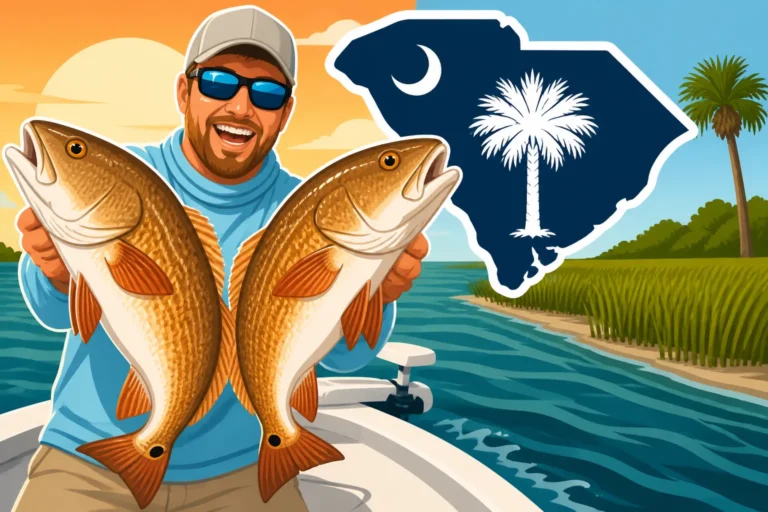
Hilton Head's inshore waters—those intricate creeks, marsh flats, and estuaries—are a haven for a variety of popular game fish. The spring and fall are often considered prime time for inshore species. As the water temperatures begin to rise in March and April, redfish become incredibly active, pushing into the shallow flats. This is a fantastic time for sight fishing, where you can literally see the "red drum" tailing in the grass as they feed. Spotted seatrout also become more aggressive, especially in the cooler months, congregating in deeper holes or along oyster rakes. Flounder, another highly sought-after inshore species, are abundant from late spring through fall. Summer, while hot, still offers excellent inshore fishing, particularly during the cooler early morning and late evening hours. Even winter offers opportunities for robust redfish if you know where to find them hunkered down. Many captains specialize in these Best Inshore Fishing Spots in South Carolina, guiding you to areas teeming with life.
Offshore Opportunities Throughout the Year
While the inshore bite often steals the spotlight, Hilton Head's offshore fishing is equally impressive and offers a different kind of thrill. The species you target here will vary significantly by season. In the warmer months, roughly from late spring through early fall, the pelagic species truly shine. This is when mahi-mahi (dolphin fish), wahoo, and various tuna species are migrating through, providing fast-paced action. Sailfish and marlin, while not as common as in more tropical waters, are also a possibility for those venturing far offshore. As the water cools in the late fall and winter, the focus often shifts to bottom fishing for species like vermilion snapper, triggerfish, and the ever-popular black sea bass. These deeper water species offer consistent action and delicious table fare even when other fisheries slow down. For those looking to wrestle with larger, more powerful fish, offshore charters are a fantastic option any time of year, with the specific target just shifting with the calendar.
Seasonal Targets: From Redfish to Mahi-Mahi
Let's break down some of the most popular catches and when you're most likely to encounter them:
| Species | Best Season(s) | Typical Location | Fishing Style | Key Characteristics |
|---|---|---|---|---|
| Redfish | Spring, Fall, Winter | Inshore flats, creeks | Light tackle, bait/lures | Powerful fight, copper color, "spot" on tail. Great year-round. |
| Spotted Seatrout | Fall, Winter, Spring | Inshore creeks, bays | Light tackle, bait/lures | Delicate bite, aggressive strike. Often found schooling. |
| Flounder | Spring, Summer, Fall | Inshore, nearshore | Bottom fishing, gigging | Master of camouflage, flat body, delicious eating. |
| Black Sea Bass | Year-round | Nearshore reefs, wrecks | Bottom fishing | Aggressive, good fighters on light tackle, excellent eating. |
| King Mackerel | Summer, Fall | Nearshore, offshore | Trolling, live bait | Fast, powerful runs, sharp teeth. |
| Mahi-Mahi | Summer, early Fall | Offshore | Trolling, sight fishing | Vibrant colors, acrobatic jumps, delicious eating. Found around weed lines and debris. |
| Tuna | Summer, early Fall | Offshore | Trolling, jigging | Strong fighters, sought-after for sushi. Various species (blackfin, yellowfin). |
| Sharks | Summer | Nearshore, offshore | Bottom fishing, chumming | Thrilling fight, many species present. Often catch-and-release focused. |
Understanding this seasonal variability is crucial when you're making your booking. If you have your heart set on a specific species, discussing the best time of year with your chosen charter captain or checking seasonal calendars (many are available on platforms like FishingBooker) will ensure your trip aligns with your angling goals. You'll find that South Carolina Fishing Seasons Guide provides even more detailed insights into these patterns.
Types of Fishing Charters Available on Hilton Head
Hilton Head Island offers a spectrum of fishing experiences, from calm backwater excursions perfect for families to exhilarating deep-sea battles far offshore. Matching the type of charter to your group's skill level, interests, and desired catch is vital for a successful trip.
Inshore Charters: Exploring Creeks and Estuaries
Inshore charters are arguably the most popular option on Hilton Head, and for good reason. They typically operate in the calm, protected waters of the sounds, tidal creeks, and marsh flats that crisscross the island. This makes them ideal for families with younger children or those prone to seasickness, as the ride is generally very smooth. The target species here are primarily redfish, spotted seatrout, and flounder, though you might also encounter sheepshead, drum, and various other species.
These trips often involve light tackle fishing, using live bait like shrimp or mud minnows, or artificial lures such as soft plastics and popping corks. The emphasis is on sight fishing in shallow water, casting into oyster beds, or drifting along grass lines. An inshore charter provides a fantastic opportunity to experience the unique beauty of the Lowcountry ecosystem up close, spotting dolphins, marsh birds, and other wildlife. Captains who specialize in inshore fishing are incredibly knowledgeable about the local tides and how they influence fish behavior, often taking you to hidden gems that only locals know.
Nearshore Charters: The Bridge Between Inshore and Offshore
For those who want a taste of the ocean without committing to a full deep-sea adventure, nearshore charters strike a perfect balance. These trips venture a few miles offshore, typically to artificial reefs, natural ledges, and wrecks located within sight of land. The waters here can be a bit choppier than inshore but are usually much calmer than the true offshore depths.
Target species on a nearshore trip include black sea bass, Spanish mackerel, king mackerel, flounder, and various snapper and grouper species. Depending on the time of year, you might also hook into cobia or even a smaller shark. Fishing techniques often involve bottom fishing with cut bait or squid for sea bass and snapper, or trolling spoons and lipped plugs for mackerel. Nearshore trips offer a chance for a wider variety of species and often bigger fish than inshore, providing a step up in excitement and challenge. They are a great choice for groups looking for more action and the feel of saltwater fishing without a lengthy boat ride.
Offshore Charters: Deep Sea Adventures
If you're an experienced angler seeking a true adrenaline rush and the chance at trophy-sized fish, an offshore charter is your ticket. These trips venture many miles out into the Atlantic, sometimes 20 to 60 miles or more, to the continental shelf or Gulf Stream. The ride can be long and the seas can be rough, so this option is best for those with sturdy sea legs.
The rewards, however, can be immense. Offshore charters target large pelagic species such as mahi-mahi, wahoo, various tuna species (yellowfin, blackfin), king mackerel, and even billfish like sailfish and marlin. Bottom fishing in deeper waters can also yield large snapper and grouper. Techniques typically include high-speed trolling with artificial lures or rigged baits, live baiting with larger baits, or even jigging. Offshore trips are generally full-day excursions due to the travel time involved, but the opportunity to battle powerful, fast-swimming fish in the vast expanse of the open ocean is an experience unlike any other. These trips are often more expensive but offer unparalleled excitement for dedicated anglers. You can learn more about South Carolina Offshore Fishing Charters Explained for a deeper dive.
What to Look for When Booking a Hilton Head Fishing Charter
Booking a fishing charter isn't just about finding a boat with an opening. It's about finding the right fit for your group, your budget, and your angling ambitions. A little homework upfront can make all the difference between a good trip and a truly memorable one.
Choosing the Right Captain and Crew
The captain and crew are the heart and soul of any charter. Their expertise, personality, and professionalism will largely dictate the success and enjoyment of your trip. Look for captains with extensive local experience – someone who has spent years on Hilton Head's waters and understands its unique tides, currents, and fishing patterns. Online reviews on platforms like FishingBooker or local tourism sites are invaluable here, giving you insights into other anglers' experiences. Do they consistently put clients on fish? Are they patient and good with kids? Do they have a friendly demeanor?
It's also important that the captain is licensed and insured, ensuring safety and compliance with all regulations. Don't hesitate to call and chat with potential captains before booking. This conversation allows you to gauge their personality, discuss your expectations, and ask any specific questions about target species, fishing techniques, or what happens if the weather turns sour. A good captain will be happy to talk you through the options and help you choose the best trip for your group.
Understanding Trip Lengths and Pricing Structures
Charter prices can vary significantly based on trip length, type of fishing, and the size of the boat. Most charters offer a range of options:
- Half-Day (4 hours): These are often the most affordable and popular, especially for inshore trips or families with younger children. They're great for getting a taste of fishing without committing to a full day. You can find more specific details on 4-Hour vs 8-Hour Fishing Charters in South Carolina.
- 3/4 Day (6 hours): A good compromise, offering more fishing time than a half-day but less commitment than a full day. Excellent for nearshore trips.
- Full-Day (8 hours or more): Essential for offshore adventures, allowing ample time to reach distant fishing grounds and maximize fishing time.
Pricing is usually for the boat, not per person, though some shared charters or "head boats" might charge per person. Always clarify what the price includes (e.g., bait, tackle, licenses, ice, drinks) and what is extra (e.g., fish cleaning, gratuity). Understand the booking deposit and cancellation policy, especially regarding weather. It’s also wise to check typical South Carolina Charter Fishing Costs and Trip Types to get a general idea of what to expect.
Essential Gear, Licenses, and Amenities Included
A reputable charter will provide all necessary fishing gear – rods, reels, and tackle appropriate for the target species. They will also supply bait, whether it's live shrimp for inshore redfish or rigged ballyhoo for offshore trolling. Crucially, most South Carolina fishing charters operate under a blanket license, meaning you, as a passenger, typically do not need to purchase your own individual fishing license. Always confirm this when booking, but it's a huge convenience.
Beyond the essentials, consider other amenities:
- Coolers and Ice: Most charters provide these for your drinks and snacks, and to keep your catch fresh.
- Safety Equipment: Life vests (especially for kids), first aid kits, communication devices, and other safety gear are standard and legally required.
- Fish Cleaning: Many captains or mates will clean and bag your catch for you at the end of the trip, often for a small fee or as part of the gratuity.
Confirming these details upfront ensures there are no surprises on the day of your trip and allows you to pack appropriately. Don't be afraid to ask for a What to Bring on a South Carolina Fishing Charter checklist from your captain, as they often have specific recommendations.
Preparing for Your Hilton Head Fishing Adventure
You've booked your charter, chosen your target species, and the date is approaching! Now it's time to get ready. A little preparation can make a big difference in your comfort and enjoyment on the water.
What to Bring on Your Charter
While your charter provides the core fishing equipment, there are several personal items you should absolutely bring to make your trip more comfortable:
- Sun Protection: The sun on the water is intense. Bring high SPF sunscreen, a wide-brimmed hat, sunglasses (polarized are a huge plus for spotting fish), and lightweight, long-sleeved clothing.
- Snacks and Drinks: While some charters may offer water, it's always a good idea to bring your preferred beverages and plenty of snacks. Fishing can build up an appetite!
- Cooler (for your catch): If you plan on keeping fish, bring a separate cooler in your car to transport your fillets home. The boat will have a cooler for fish during the trip, but you'll need one for the drive.
- Comfortable, Non-Slip Shoes: Boat decks can get wet and slippery. Opt for closed-toe shoes with good grip.
- Rain Gear: Weather can be unpredictable. A lightweight rain jacket can save the day.
- Medication: If you're prone to seasickness, take preventative medication well before the trip starts. Bring any other personal medications you might need.
- Camera: To capture those memorable catches!
- Small backpack: To keep your personal items organized and secure.
This is a general list, and your captain might have specific recommendations. Always check with them!
Best Practices for a Smooth Trip
A charter trip is a team effort, and your actions can contribute to a more enjoyable experience for everyone on board.
- Arrive on Time: Punctuality is crucial. Your captain has a schedule, and tides wait for no one.
- Listen to Your Captain and Mate: They are the experts on safety, fishing techniques, and local regulations. Their instructions are for your benefit and success.
- Communicate: If you're feeling unwell, need a break, or have questions, speak up!
- Be Patient: Fishing isn't always non-stop action. There will be lulls. Enjoy the scenery, the company, and the anticipation.
- Respect the Environment: Don't litter. Dispose of all trash properly. If you're handling fish, do so carefully, especially if planning to release them.
Following these simple guidelines ensures a safer, more productive, and more enjoyable trip for you, your group, and the crew.
Managing Expectations and Enjoying the Experience
It's easy to get caught up in the dream of landing a monster fish, but it's important to set realistic expectations. While charters maximize your chances, fishing is still fishing – there are no guarantees. Weather, water conditions, and fish behavior can all play a role. Focus on the overall experience: the beauty of the Lowcountry, the thrill of the chase, the time spent with family and friends, and the opportunity to learn from an experienced guide.
Even on slower days, the camaraderie, the stunning natural environment, and the sheer joy of being on the water are often enough to make the trip worthwhile. Celebrate every fish caught, big or small, and appreciate the expertise of your captain. If you go in with a positive attitude and an open mind, you're guaranteed to have a great time, regardless of the size of your cooler at the end of the day.
Common Questions About Hilton Head Fishing Charters
First-time charter guests often have a lot of questions, and that's perfectly normal! Addressing these common concerns upfront can help you feel more prepared and confident for your trip.
Tipping Etiquette for Your Guide
Tipping your captain and mate is customary and highly appreciated, much like tipping in a restaurant. They work incredibly hard, from preparing the boat and bait before you arrive to cleaning your fish and tackle after you leave, all while ensuring your safety and enjoyment.
A general guideline for gratuity is 15-20% of the total charter cost. If they went above and beyond, showed exceptional patience, or put you on a fantastic bite, consider tipping towards the higher end of that scale, or even more. Always try to tip in cash directly to the captain or mate at the end of the trip. If you had an outstanding experience, a glowing review on a booking platform like FishingBooker or their direct website is also a fantastic way to show your appreciation. It's important to budget for this in your overall trip planning. For more detailed information, check out Tipping Your South Carolina Fishing Guide.
Catch and Release vs. Keeping Your Fish
Many anglers cherish the experience of catching a fish and then releasing it to fight another day, especially for certain species or when pursuing larger, breeding fish. Other anglers look forward to bringing home fresh seafood for dinner. On a Hilton Head fishing charter, you can usually do both, but there are important rules to follow.
- South Carolina Regulations: All fish kept must adhere to South Carolina Redfish Slot Limit Rules, bag limits, and seasons. Your captain is an expert on these regulations and will ensure all catches are legal. They will measure and identify fish as they are caught.
- Responsible Harvesting: Most captains encourage responsible harvesting, meaning only keeping what you will eat and releasing the rest. This practice helps ensure sustainable fisheries for future generations.
- Trophy Catches: For very large or rare fish, especially species like sailfish or certain sharks, catch and release is often the preferred and sometimes mandatory practice. If you catch a true trophy, your captain can help you get photos and even arrange for a replica mount if you desire.
Always discuss your preferences with your captain at the beginning of the trip. They can advise you on what species are good for eating, what the current limits are, and how to properly release fish if that's your goal.
Family-Friendly Options and Kids on Board
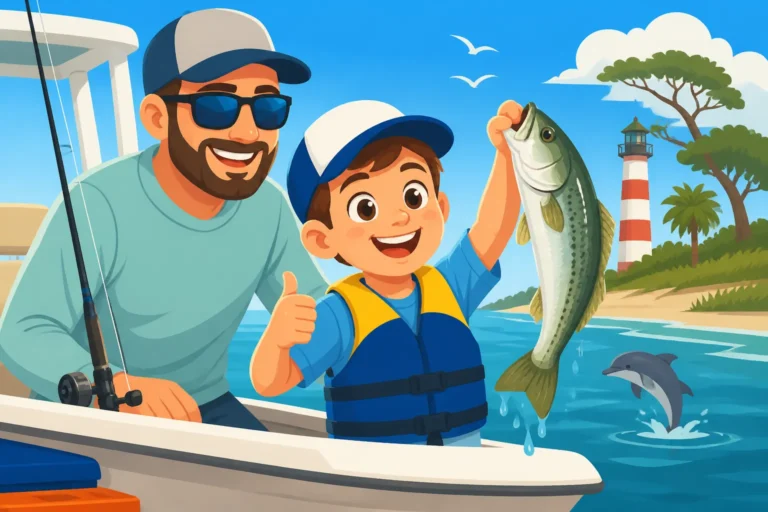
Hilton Head is a fantastic family destination, and many fishing charters cater specifically to groups with children. These Family-Friendly Fishing Charters in South Carolina understand that kids have shorter attention spans and may need a different approach to keep them engaged.
- Shorter Trips: Half-day or even 3-hour "kid-specific" trips are popular, focusing on consistent action with easy-to-catch species like pinfish, croaker, or smaller trout.
- Patient Captains: Look for captains known for their patience and ability to teach children. They'll help kids bait hooks, cast, and celebrate their catches.
- Safety First: Life vests are mandatory for all children under a certain age (typically 12 in South Carolina) and are always available on board. A good captain will prioritize safety above all else.
- Hands-On Fun: Many charters allow kids to help with baiting, netting, or even driving the boat (under strict supervision), making the experience interactive and memorable.
Booking an inshore trip is usually the best option for families with young children due to the calmer waters. Discuss the ages and attention spans of your children with the captain when booking to ensure they can tailor the experience to be as enjoyable as possible for everyone.
Beyond the Boat: Exploring Hilton Head's Angler Resources
Your fishing adventure doesn't have to end when you step off the charter. Hilton Head Island offers numerous ways to continue your angling passion or simply reflect on your successful trip.
Local Bait and Tackle Shops
For those inspired to try fishing on their own or who just enjoy browsing, Hilton Head has several excellent local bait and tackle shops. These stores are treasure troves of local knowledge, current conditions, and all the gear you could possibly need. Places like Boone's Fishing Supply or Palmetto Bait & Tackle are staples for local anglers.
Visiting a bait and tackle shop is a great way to:
- Get Up-to-Date Information: Staff are often seasoned local anglers who can tell you what's biting, where, and with what bait.
- Stock Up on Essentials: From hooks and sinkers to specialty lures and fresh live bait, they have it all.
- Grab Souvenirs: Many shops offer branded apparel or unique local fishing-related items.
- Connect with the Community: These shops are often hubs for local fishing enthusiasts, offering a glimpse into the broader angling culture of Hilton Head.
Even if you primarily rely on charters, a quick stop at a local tackle shop can enhance your appreciation for the sport and the local scene.
South Carolina Fishing Regulations Review
Whether you're fishing from a pier, a public dock, or considering your own future fishing trips, it's always smart to be familiar with South Carolina's fishing regulations. While your charter captain handles this on your trip, understanding these rules is crucial if you plan to fish independently.
Key areas to be aware of include:
- Licensing: While charter passengers are often covered, individuals fishing from shore, a private boat, or a public pier typically need a South Carolina Fishing License Requirements in South Carolina.
- Bag and Size Limits: These vary by species and are designed to ensure sustainable fish populations. For example, understanding South Carolina Redfish Slot Limit 18 to 25 Inches is vital for inshore anglers.
- Gear Restrictions: Certain types of gear or methods might be restricted in specific areas or for certain species.
The South Carolina Department of Natural Resources (SCDNR) website is the official source for all current regulations. Many bait and tackle shops also provide free regulation summaries. Being informed helps protect the fishery and keeps you on the right side of the law.
Extending Your Fishing Passion on Hilton Head
Hilton Head's charm extends beyond its beautiful beaches and world-class golf courses; it's a true angler's paradise. After experiencing a charter, you might find yourself wanting more. Consider exploring some of the island's many fishing piers, such as the one at the foot of the Cross Island Parkway or the Sea Pines Liberty Fishing Pier, which often offer decent fishing for croaker, whiting, and even smaller game fish. Many resorts and rental properties also have access to lagoons or small ponds that can be fun for catching bluegill or small bass with light tackle, especially for kids.
The island also hosts various fishing tournaments throughout the year, from redfish tournaments to offshore billfish competitions, providing exciting spectacles for spectators and challenging events for competitive anglers. Whether you dream of casting a line from the surf, wading a quiet creek, or heading miles offshore, Hilton Head offers endless opportunities to deepen your connection with the water and the thrill of the catch.
Disclaimer
This article is for general informational purposes only and does not constitute professional advice. Laws, prices and regulations vary by location and change over time. Consult a qualified professional for guidance on your specific situation.