Flounder Hot Spots Along South Carolina’s Barrier Islands
There's nothing quite like the thrill of targeting flounder in South Carolina, is there? That moment when you feel that distinct "thump" on your line, the tell-tale sign of a flatfish taking your bait, it's pure magic. But if you've ever spent hours casting into seemingly perfect waters only to come up empty, you know the frustration of trying to pinpoint where these masters of camouflage hang out, especially around our many beautiful barrier islands. This guide is here to cut through the guesswork, helping you understand where and how to find those elusive flounder along South Carolina's barrier island coastlines.
Understanding Flounder Behavior on Barrier Islands
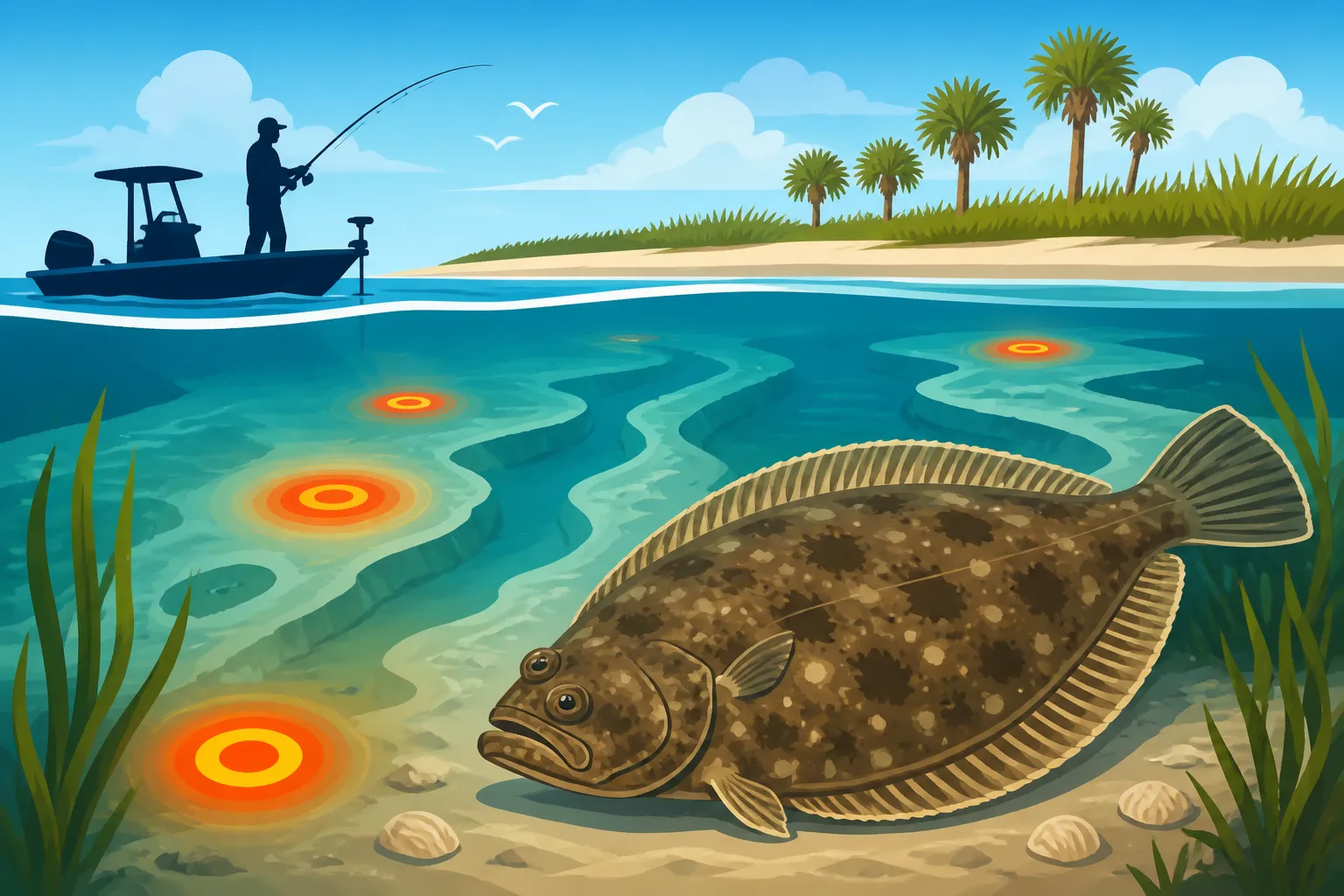
Flounder are fascinating creatures, perfectly adapted to their sandy, silty environments. They're ambush predators, blending seamlessly into the bottom, waiting for an unsuspecting baitfish or shrimp to swim by. This means they aren't just randomly distributed; they have preferred hangouts dictated by currents, structure, and tide. When you're fishing South Carolina's barrier islands, recognizing these patterns is your first step to consistent success.
The Importance of Structure
When you're looking for flounder, think structure. These fish love to lie in wait alongside or directly on top of something that breaks the current and offers a hiding spot. This could be natural or man-made, but the principle is the same: protection and an ambush point.
Consider the rock jetties that guard the inlets of places like Folly Beach or the Isle of Palms. These massive rock piles create eddies and slack water lines where baitfish often congregate, and where flounder can set up shop without expending too much energy. The rocks themselves offer excellent camouflage. Similarly, think about the docks and piers that jut out from barrier islands like Hilton Head. The pilings create current breaks, and the shade they cast can be an added attraction on bright days. Old oyster beds, submerged logs, and even slight changes in bottom contour can be prime real estate for a hungry flounder. When scouting a spot, look for these features. If you're wading, pay attention to depressions, sand bars, and especially the edges of grass flats where the sandy bottom meets the spartina grass. These are classic flounder zones.
Reading the Tides for Flounder Success
Tide is everything when it comes to inshore fishing in South Carolina, and flounder are no exception. They are highly attuned to the movement of water, which brings food to them and helps them position themselves strategically. Generally speaking, flounder are most active on moving tides – either incoming or outgoing – as this is when baitfish are carried past their ambush points.
An incoming tide pushes bait into creeks, channels, and along the edges of grass flats, giving flounder ample opportunity to feed. As the tide goes out, it pulls bait from these same areas, often concentrating them in deeper channels or cuts. Many experienced anglers find that the last two hours of the outgoing tide and the first two hours of the incoming tide are particularly productive. This is when the water movement is often at its strongest, creating those ideal current breaks and flushing out prey. Slack tide, when the water isn't moving much, can be slower, but don't count it out entirely, especially if you're fishing deeper holes or areas with strong underlying currents. Learning to Does Tide Direction Change Where Trout Feed? is a related skill that will help your flounder fishing too. Pay attention to how the water moves around structures you identify – that's where the flounder will be.
Preferred Habitats
Beyond just structure and current, flounder have a distinct preference for certain bottom types. They are masters of camouflage on sandy or muddy bottoms. You'll rarely find them over hard oyster reef sections or rocky areas unless there's a patch of sand right next to it. They bury themselves, leaving only their eyes exposed, waiting.
On barrier islands, this means targeting the sandy edges of marsh creeks, the sandy troughs between oyster rakes, the areas where a sand bar drops off into a deeper channel, or even just the sandy bottom around a boat ramp or a pier. They don't want to fight the current, so they'll seek out depressions or the lee side of structures where the current is slightly reduced, allowing them to conserve energy while waiting for a meal. Understanding these preferred habitats is key to placing your bait in the strike zone. You're not just fishing water; you're fishing bottom.
Top Barrier Island Flounder Hot Spots
South Carolina is blessed with numerous barrier islands, each offering unique opportunities for flounder anglers. While conditions can vary, certain areas consistently produce quality flounder due to their unique geological and hydrological features. These are some of the tried-and-true locations that seasoned local anglers often gravitate towards. When considering Best Flounder Fishing Spots Along the South Carolina Coast, these barrier islands are always at the top of the list.
Hilton Head Island
Hilton Head Island is a true Lowcountry gem, known for its beautiful beaches and abundant inshore fishing. For flounder, its numerous creeks, deep channels, and extensive dock systems make it a prime location.
- Calibogue Sound: This large sound on the island's southern end is a major artery for tidal flow and a fantastic flounder fishery. Focus on the sandy edges of the main channel, particularly where smaller creeks flow into the sound. The current can be strong here, so fishing around the slack periods of the tide can be beneficial, or target the eddies behind prominent points. Look for subtle depth changes or areas where shell hash is mixed with sand.
- Broad Creek: Running through the heart of Hilton Head, Broad Creek is lined with docks, boat lifts, and deeper holes. Flounder love to hang out around these structures. Drifting live mud minnows or finger mullet along the dock lines, or casting soft plastics into the deeper pockets, can be incredibly effective. Always remember to be respectful of private property when fishing near docks.
- Backwater Creeks and Inlets: Throughout Hilton Head, there are countless smaller creeks and tidal flats accessible by kayak or shallow-draft boat. These often feature oyster rakes with sandy pockets nearby, creating perfect ambush points. Pay attention to outgoing tides around the mouths of these creeks, as flounder will often stage there, waiting for bait to be flushed out. Check out Inshore Fishing Charters near Hilton Head, South Carolina if you prefer to go with a local expert.
Folly Beach & Isle of Palms
These two barrier islands, flanking Charleston Harbor, are famous for their beaches, surf fishing, and most importantly for flounder anglers, their impressive jetties.
- Folly Beach Pier and Jetties: The Folly Beach Pier itself can be a great spot, but the real draw for flounder are the surrounding jetties. The intricate network of rocks creates countless current breaks, eddies, and sandy pockets where flounder thrive. Fishing the edges of the jetties, both on the ocean and inlet sides, can yield excellent results. A common technique is to cast parallel to the jetty, letting your bait drift with the current along the rocks. Be cautious of strong currents and boat traffic in this area.
- Charleston Harbor Jetties (Isle of Palms Side): On the northern side of Charleston Harbor, the Isle of Palms offers its own section of the jetties, presenting similar opportunities. These areas are vast, so finding specific depressions or current seams is key. Many anglers will target the calmer water on the harbor side of the jetties during strong ocean swells, or fish the surf side on calmer days. Live baits are almost always king here, presented slowly along the bottom.
- Breach Inlet: Connecting the Isle of Palms and Sullivan's Island, Breach Inlet is a notoriously strong current area, but it's also a flounder highway. The sandy bottoms adjacent to the fast-moving water, especially on the calmer sides of sandbars or where small creek mouths meet the inlet, are prime spots. Fishing here requires heavier weights to hold bottom and careful attention to tide changes.
Edisto Island & Hunting Island
Moving south, Edisto Island and Hunting Island offer a more natural, less developed coastal fishing experience, with plenty of pristine marsh and creeks perfect for flounder.
- Edisto River Mouth & Inlet: Edisto Island sits at the mouth of the Edisto River, one of South Carolina's last free-flowing blackwater rivers. This confluence of freshwater and saltwater creates a rich ecosystem. The vast marsh system, with its numerous creek mouths and tidal flats, is ideal for flounder. Target the channels and sloughs within the marsh, particularly on outgoing tides when bait is funneled out. The deeper holes around the main inlet are also productive.
- Hunting Island State Park: This beautiful state park boasts an extensive beachfront and a marshy backside teeming with life. While the surf can produce flounder (especially in the troughs near the beach), the true hot spots are often found in the tidal creeks and around the Fishing Pier within the park. The pier itself offers access to deeper water and structure, and fishing the sandy bottom near the pilings can be fruitful. For those with kayaks or small boats, exploring the backwater creeks is highly recommended. Look for sandy drop-offs and oyster beds.
Essential Flounder Fishing Techniques and Gear for Barrier Islands
Finding the right spot is half the battle, but knowing how to present your bait effectively and having the right gear is equally important. Flounder are ambush predators, so your presentation needs to be slow, deliberate, and right on the bottom.
Best Baits and Lures
Flounder are opportunistic feeders, but they definitely have their favorites. Live bait is almost always the most effective choice because its natural movement triggers a flounder's predatory instinct.
- Live Bait:
- Mud Minnows (Killifish): These are absolute flounder candy. They're hardy, easy to find in cast nets in marsh creeks, and flounder simply can't resist them. They're probably the single most productive bait for flounder in South Carolina.
- Finger Mullet: Another excellent choice, especially larger ones for bigger flounder. Mullet can be cast netted in shallow waters and are very active on the hook.
- Shrimp: Live shrimp work wonders, though they're not quite as durable as minnows. They're particularly effective when drifted with the current. Just be aware that everything else in the water loves shrimp too, so you might get picked at by pinfish or croaker.
- Artificial Lures:
- Soft Plastics: Grubs, paddle tails, or Gulp! shrimp imitations on a jig head can be incredibly effective, especially when tipped with a small piece of shrimp or a scented attractant. The key is to keep them bouncing slowly along the bottom. Brands like Amazon often have great deals on a variety of colors and sizes.
- Bucktail Jigs: These classic lures, often tipped with a soft plastic trailer or a strip of natural bait, are excellent for probing deeper channels and around jetties. A slow, steady retrieve with occasional hops off the bottom mimics a fleeing baitfish.
For a deeper dive into bait selection, you might find Best Bait for Flounder in Inshore Waters helpful.
Rigging for Flounder
The most common and effective rig for flounder fishing is some variation of a Carolina rig or a slip sinker rig, which allows your bait to move naturally along the bottom.
- Carolina Rig: This rig consists of an egg sinker (or bullet sinker) threaded onto your main line, followed by a swivel, and then a leader (usually 12-24 inches of fluorocarbon) tied to your hook. The weight allows your bait to sink quickly and stay near the bottom, while the leader allows the bait to swim freely and naturally behind it. This is crucial for enticing a flounder that's lying in wait. The amount of weight depends on the current – you want just enough to hold bottom but still allow for a slow drag.
- Jig Head: For artificials or even live shrimp, a simple jig head is often all you need. The weight of the jig head will vary depending on depth and current. You'll want to choose a size that allows you to feel the bottom with a slow retrieve or gentle hops.
- Adjusting for Structure: When fishing around oyster beds or rocky jetties, you might want to shorten your leader slightly to reduce snagging, or use a weedless hook if possible. However, the goal is always to keep that bait on or very near the bottom where flounder are hiding.
Techniques: The Slow and Steady Approach
Flounder fishing is not about speed; it's about patience and presentation.
- Drifting: Whether from a boat or kayak, drifting with the current is one of the most effective ways to cover ground and present your bait naturally. Let your rig bounce or drag slowly along the bottom. Keep your rod tip slightly elevated and be ready to drop it when you feel that tell-tale "thump."
- Slow Retrieve/Drag: If you're casting from shore, a pier, or anchored boat, a very slow retrieve is key. Cast out, let your bait sink to the bottom, and then slowly reel in, occasionally pausing or giving your rod tip a gentle twitch to lift the bait off the bottom before letting it settle again. Imagine you're mimicking a vulnerable baitfish moving along the bottom.
- "The Flounder Thump": This is where patience comes in. When a flounder takes your bait, it's often not a violent strike. You'll feel a solid "thump" or a sudden increase in weight. Resist the urge to set the hook immediately! Flounder often grab the bait by the tail first. Give them 5-10 seconds to fully mouth and turn the bait before setting the hook with a firm, sweeping motion. This wait is probably the hardest part, but it's essential for a solid hookset.
Barrier Island Considerations for Flounder Anglers
Beyond the actual act of fishing, there are important practical and ethical considerations when targeting flounder around South Carolina's barrier islands. Being prepared and respectful of the environment and regulations will ensure a successful and enjoyable trip for everyone.
Local Regulations and Ethics
The regulations for flounder fishing in South Carolina can change, and it's absolutely crucial to stay up-to-date. Flounder populations are managed carefully, and there are often specific size limits, bag limits, and sometimes even seasonal closures. Ignoring these rules can lead to hefty fines and directly impact the future of the fishery.
- Check Before You Go: Before every trip, take a moment to verify the current rules. The South Carolina Department of Natural Resources (SCDNR) website is your best friend for this. Knowing the South Carolina Flounder Fishing Regulations Explained is paramount.
- Size and Bag Limits: You need to know the minimum legal size for flounder and how many you're allowed to keep per person per day. Keep a measuring tape handy, and if a fish is undersized, release it gently and quickly.
- Handling Your Catch: Flounder are delicate. If you're releasing a fish, try to handle it as little as possible, using wet hands to protect its slime coat. If you plan to keep a fish, dispatch it humanely and keep it on ice to preserve its quality.
- Respect Private Property: Many barrier islands have private docks, marsh access, and shoreline. Always be mindful of "No Trespassing" signs and respect homeowners' privacy. If you're fishing from a public access point near private land, be a good neighbor.
| Barrier Island | Primary Flounder Structure Type | Best Tide for Flounder | Typical Access Points | Notes |
|---|---|---|---|---|
| Hilton Head Island | Docks, Creeks, Channels | Incoming/Outgoing Flow | Public ramps, rental kayaks, charter boats | Calmer waters, many residential areas, great for families. |
| Folly Beach | Jetties, Pier, Inlet | Strong Current Flow | Pier, public beach access, boat ramp (nearby) | Strong currents, potential for surf fishing too, popular spot. |
| Isle of Palms | Jetties, Inlet, Creeks | Strong Current Flow | Public beach access, boat ramp (nearby) | Similar to Folly, but less crowded jetty access, good marsh. |
| Edisto Island | Marsh Creeks, River Mouth | Outgoing Flow | State park, public boat ramps, kayak launches | More rustic, less development, extensive marsh. |
| Hunting Island State | Pier, Beach Troughs, Marsh | Incoming/Outgoing Flow | State park pier, beach access | Excellent for combining fishing with a family beach trip. |
Access and Safety
Barrier islands can present unique challenges for access and safety. Planning ahead will help ensure a smooth and safe fishing adventure.
- Public Access Points: Research public boat ramps, fishing piers, and beach access points before you go. Some areas may have parking fees or restrictions. For instance, many state parks, like Hunting Island, offer excellent public access.
- Wading Safety: If you plan to wade, understand the tidal currents and bottom conditions. Some areas can have soft mud or sudden drop-offs. Always shuffle your feet to avoid stepping on stingrays, especially in warmer months. A good pair of wading boots or sturdy closed-toe shoes are essential.
- Sun Protection: The South Carolina sun is no joke, even on cloudy days. Bring plenty of sunscreen, a wide-brimmed hat, and polarized sunglasses. Amazon offers a fantastic range of fishing-specific sun protection gear, from performance shirts to neck gaiters.
- Hydration: Always bring plenty of water, especially during the warmer months. Dehydration can sneak up on you quickly when you're focused on fishing.
- Bug Spray: Especially when fishing marsh creeks or at dawn/dusk, mosquitoes and no-see-ums can be relentless. Pack a good insect repellent.
- Weather Awareness: Coastal weather can change rapidly. Keep an eye on the forecast, especially for pop-up thunderstorms or strong winds, which can make boat navigation or wading dangerous.
By understanding flounder behavior, pinpointing the right spots, using effective techniques, and adhering to regulations and safety, you'll greatly increase your chances of landing some delicious flounder on South Carolina's beautiful barrier islands. Happy fishing!
Disclaimer
This article is for general informational purposes only and does not constitute professional advice. Laws, prices and regulations vary by location and change over time. Consult a qualified professional for guidance on your specific situation.