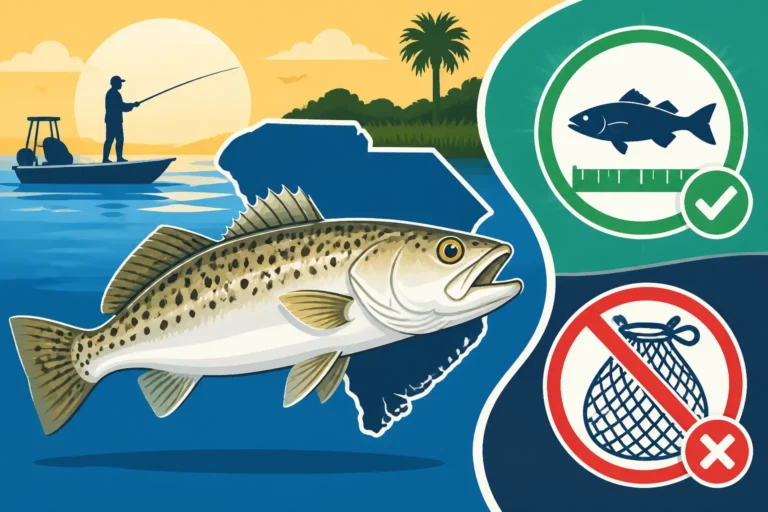
Best Time of Day to Catch Spotted Seatrout
Oh, the elusive spotted seatrout! We've all been there, standing on a dock or casting from a boat, patiently waiting, only to come up empty-handed while hearing tales of someone else's epic haul. It's frustrating when you're out there, putting in the time, but the fish just aren't biting. The truth is, when it comes to chasing those beautiful, speckled fighters in South Carolina's inshore waters, timing is often everything. This guide is all about helping you understand the "when" so you can finally crack the code on catching more spotted seatrout.
Understanding Spotted Seatrout Behavior Through the Day
Spotted seatrout aren't just swimming around aimlessly, biting whenever they feel like it. Like most predatory fish, their activity is heavily influenced by a combination of factors, chief among them being light levels and tidal movement. If you want to consistently find them, you've got to think like a trout and understand what drives their daily routine.
Activity Patterns and Predation
Think about it from a seatrout's perspective: they are ambush predators. They love to hide along grass lines, oyster beds, and channel edges, waiting for an unsuspecting shrimp or baitfish to swim by. This predatory nature means they're most active when conditions favor their hunting strategy. Bright, high sun can make them feel exposed, and their prey can see them coming from a mile away. Conversely, too dark, and they might struggle to locate their meals efficiently.
This leads to a natural rhythm. During periods of lower light, such as dawn and dusk, the world becomes a little hazier, and the advantage shifts to the predator. Baitfish are less wary, and the seatrout can blend into the shadows, striking with greater surprise. You'll notice a distinct increase in surface activity, baitfish scattering, and sometimes even the tell-tale "pop" of a seatrout ambushing its meal near the surface.
Feeding Habits and Environmental Influences
Spotted seatrout have pretty keen eyesight, but they don't necessarily want to hunt under the harsh glare of a midday sun. That intense light penetrates the water more deeply, making them more visible to larger predators (like dolphins or bigger fish) and making their ambush attacks less effective. It also makes their own eyes work harder, and they generally prefer conditions where they can maximize their vision without being overly exposed.
Water temperature also plays a role, albeit a less dramatic one day-to-day than light or tide. However, during extreme heat or cold, trout will seek out more comfortable depths. But on a typical day, the subtle changes in light and the movement of water are the primary drivers of when and where they feed. Knowing this helps us anticipate their movements and adjust our tactics.
The Impact of Light Penetration
Imagine trying to hunt in a brightly lit room versus a dimly lit one where shadows abound. That's essentially what a spotted seatrout experiences. In low-light conditions, the water is naturally murkier, providing cover for the trout to stalk their prey. Baitfish, too, are often more active and less cautious during these times, moving out from cover to feed.
This is why those twilight hours are so often productive. The sun isn't directly overhead, casting harsh glares. Instead, the light is diffused, creating an environment where a silver-sided seatrout can disappear into the background and then explode onto its unsuspecting prey. It's a fundamental aspect of their survival, and understanding it is your first step to consistent success.
Dawn and Dusk: The Golden Hours for Seatrout
If there's one piece of advice seasoned anglers will give you about catching spotted seatrout, it's this: be on the water during the first few hours of light and the last few hours before dark. These are, without a doubt, the prime times to target these speckled beauties.
Why These Times Are Prime
The reasons for the productivity of dawn and dusk are tied directly to everything we just discussed about seatrout behavior. The transition periods of sunrise and sunset offer the perfect blend of light conditions. The light is soft, diffused, and changing rapidly, creating shadows and reducing visibility for prey, while still allowing the seatrout to see their targets clearly. This low-light advantage makes them incredibly confident and aggressive feeders.
During these times, baitfish often become more active, venturing out of their nighttime or midday hiding spots. Shrimp start moving, and smaller fish emerge from the grass. It's a buffet for predators, and spotted seatrout are usually first in line. The air temperature is also often cooler, which can lead to slightly cooler water temperatures, making the fish more comfortable and willing to exert energy.
Strategy for Dawn: Be an Early Bird
To truly capitalize on the dawn bite, you need to be an early bird. This means getting up before the sun, having your boat loaded, your gear rigged, and your coffee brewed, ready to hit your chosen spot as the first hint of light streaks across the sky. Don't wait until the sun is fully up; by then, you might have missed the most intense part of the bite.
Focus your efforts on areas where you know seatrout like to ambush: grass lines, oyster rakes, creek mouths, and shallow flats adjacent to deeper channels. These are the highways and dinner tables for both seatrout and their prey. Topwater lures can be incredibly effective during these low-light conditions, as the fish are often looking up for an easy meal silhouetted against the sky. The sound and commotion of a topwater plug can draw strikes from a surprising distance. Consider a popping cork with a soft plastic or live shrimp underneath for a more subtle, yet equally effective, presentation.
Strategy for Dusk: Capitalizing on Fading Light
The dusk bite mirrors the dawn bite in many ways, offering another fantastic window of opportunity. As the sun begins to dip towards the horizon, the intense midday glare fades, and the water starts to cool ever so slightly. Just like at dawn, baitfish become more active, and seatrout feel more comfortable moving into shallower water to feed aggressively.
Your strategy for dusk should be similar to dawn. Target those same ambush points, but perhaps focus on areas that have had a chance to warm up during the day. As the light fades, the seatrout might become even more brazen. Continue using topwater lures until the light is almost gone, then switch to soft plastics, suspending twitchbaits, or live bait fished under a popping cork. Best Lures for Spotted Seatrout in Grass Flats can give you some excellent ideas for what to tie on. It's a magical time on the water, often offering spectacular sunsets to go along with some of the best fishing.
The Role of Tides: More Critical Than Time of Day?
While dawn and dusk are undoubtedly excellent times, in South Carolina's coastal waters, the tide can often be an even more defining factor than the clock itself. Many experienced anglers will tell you they'd rather fish a good tide at midday than a bad tide at dawn. The movement of water brings food, oxygen, and sets up ambush points, dictating where and when seatrout will be feeding most actively.
Incoming Tide: The Lifeline
For many inshore species, including spotted seatrout, a strong incoming tide is often considered the most productive. As the tide floods into the estuaries, it brings with it a fresh influx of baitfish, shrimp, and other crustaceans from the ocean. This creates a feeding frenzy as the water rises and pushes bait into shallower areas, over oyster beds, and along the edges of grass flats.
Seatrout will position themselves to take advantage of this current, often facing into the flow, waiting for food to be swept past them. Look for them along current breaks, deeper channels leading into bays, and the edges of marsh grass. As the water rises, they'll move further into the grass to ambush prey that might be trying to hide in the newly flooded areas. This is when a well-placed soft plastic or a lively shrimp under a popping cork can be irresistible.
Outgoing Tide: Still Productive, Different Strategy
The outgoing tide is also very productive, but often requires a slightly different approach. As the water recedes, it pulls baitfish and shrimp out of the marsh grass and off the flats, funneling them into deeper channels, creek mouths, and around oyster bars. Seatrout will often set up at these "pinch points" or ambush locations, waiting for the current to deliver their next meal.
Focus on the mouths of creeks, feeder ditches, and anywhere water is draining from the flats. Oyster beds at the edge of deeper water become key as they hold both bait and trout seeking cover or a feeding station. Fishing the edges of these channels with artificials like soft plastics on jig heads or suspending twitchbaits, or live bait freelined, can be extremely effective.
Slack Tide: The Great Pause
Ah, slack tide – that brief period where the water movement slows down significantly between the incoming and outgoing phases. For many anglers, this is often the least productive time to fish for spotted seatrout. With less current, there's less movement of bait, and the trout tend to become less active and might retreat to deeper holes or areas with more cover.
While it's not impossible to catch fish during slack tide, don't expect a hot bite. If you find yourself on the water during slack tide, try slowing down your retrieve, using more natural presentations like live bait, or targeting deeper holes where fish might be staging. It's often a good time to move to a new spot, re-rig your lines, or enjoy a snack, knowing that the bite will pick up again once the current gets moving. Does Tide Direction Change Where Trout Feed? delves into this even more.
Combining Time and Tide: The Ultimate Strategy
The absolute best approach for consistently catching spotted seatrout is to combine the "golden hours" of dawn and dusk with a strong moving tide. If you can hit an incoming or outgoing tide right at sunrise or sunset, you've hit the jackpot. This convergence of optimal light conditions and active bait movement creates a perfect storm for aggressive seatrout feeding.
Here's a quick reference table to help visualize this:
| Time of Day | Tide Phase | Likely Seatrout Activity | Strategy Notes |
|---|---|---|---|
| Dawn | Incoming | Extremely High | Aggressive topwater, soft plastics, live bait. Fish grass lines, creek mouths. |
| Dawn | Outgoing | Very High | Focus on pinch points, draining creeks, oyster bars. Use soft plastics, twitchbaits. |
| Mid-Morning | Incoming | High | Still good, but fish might move deeper or into denser cover as sun rises. |
| Mid-Morning | Outgoing | High | Similar to incoming, fish channels and drainage areas. |
| Midday | Slack | Low | Most challenging. Target deeper holes, slow retrieves, live bait. |
| Midday | Moving | Moderate | Focus on shaded areas, deep structure. Less active, but still catchable. |
| Afternoon | Incoming | High | Fish similar to mid-morning, look for signs of bait. |
| Afternoon | Outgoing | High | Same as mid-morning, concentrate on drainage points. |
| Dusk | Incoming | Extremely High | Aggressive feeding, topwater, soft plastics, live bait. Last chance for a bite! |
| Dusk | Outgoing | Very High | Active feeding in drainage areas, channels. Excellent for soft plastics. |
| Night | Any | Moderate (Specialized) | Requires specific techniques (e.g., dock lights). Not typical prime time. |
This table shows you the powerful synergy between these two critical factors. Always check your local tide charts and plan your trips around these windows of opportunity.
Midday and Night Fishing for Seatrout: When to Break the Rules
While dawn and dusk, especially with a moving tide, are typically the most productive, that doesn't mean you can't catch spotted seatrout at other times. Sometimes, life just happens, and midday or night fishing is your only option. The good news is, with a few adjustments, you can still find success.
Midday Challenges and Opportunities
Fishing for seatrout during the bright midday sun can be tough. The intense light often drives them to deeper, cooler water or into dense cover like thick marsh grass or under docks and overhanging trees that provide shade. They become much less active, conserving energy and waiting for more favorable conditions.
However, there are still opportunities. Focus your efforts on deep channels, shadowed areas created by structures like docks or bridges, or the cooler water found around deep oyster beds. You'll likely need to slow down your presentation considerably. Soft plastics bounced slowly along the bottom or live bait fished with minimal weight can entice a strike from a lethargic trout. Another effective tactic is to target areas with strong current flow, even at midday, as the moving water might still push bait past their hiding spots.
Night Fishing for Seatrout: A Different World
Night fishing for spotted seatrout isn't as common as daytime angling, but it can be incredibly productive, especially around artificial lights. Dock lights, bridge lights, and even streetlights near the water's edge create an illuminated zone that attracts plankton, which in turn attracts baitfish, and inevitably, seatrout. The darkness provides cover for the trout, allowing them to ambush prey congregating in the light.
When night fishing, target the edges of these illuminated areas. Trout will often sit just outside the brightest part of the light, darting in to grab an unsuspecting baitfish. Soft plastics, suspending twitchbaits, or live shrimp fished under these lights can be deadly. Keep your tackle light, your presentations subtle, and be prepared for some exciting strikes under the cover of darkness. Is Seatrout Gigging Legal in South Carolina in December? touches on specific regulations, so always be mindful of those if you're out after dark.
Adaptability is Key: Don't Always Stick to the Clock
Ultimately, fishing is about adaptability. While general rules exist, every day on the water is different. Weather patterns, bait movements, water clarity, and even boat traffic can all influence how and when seatrout bite. Don't be afraid to experiment. If the dawn bite isn't happening, try moving to a different type of structure. If the tide isn't quite right, try a different presentation.
The more you observe, learn, and adjust, the better angler you'll become. Pay attention to what the fish are telling you. Are they busting on the surface? Are they tight to the bottom? Are they in the current or hiding out of it? These clues, combined with your knowledge of optimal times and tides, will put you on the path to consistent success.
Essential Gear and Techniques for Different Times
Having the right gear and knowing how to use it effectively at different times of the day can make a huge difference in your success rate. You don't need a boatload of specialized equipment, but a few key items and techniques can definitely give you an edge.
Lure Selection: Colors for Low Light vs. Bright Light
The colors of your lures might seem like a minor detail, but they can be crucial, especially when light conditions change throughout the day.
- Low Light (Dawn/Dusk/Overcast): During these times, lures that offer a strong silhouette or reflect ambient light well are often best. Darker colors like black, dark purple, or motor oil can create a good silhouette against the sky. Lures with holographic finishes or those that glow can also be highly effective. Chartreuse and pearl are also consistent producers in stained or low light. Consider checking out various soft plastic colors on Amazon to build a versatile selection for different conditions.
- Bright Light (Midday/Clear Water): When the sun is high and the water is clear, more natural and translucent colors often work best. Silver, white, clear with sparkle, or light natural shrimp/baitfish patterns can be very effective. Lures that mimic the natural forage in the area will typically outperform brighter, less natural colors.
Remember, it's not just color; action matters too. Topwater lures are fantastic during low light for their visual and auditory appeal, while suspending twitchbaits or soft plastics on jig heads allow you to work different depths.
Bait Choices: Live vs. Artificial
Both live bait and artificial lures have their place in seatrout fishing, and the "best" choice can vary by time of day and angler preference.
- Live Bait: Live shrimp are universally loved by spotted seatrout and are often irresistible, especially when the fish are less active (like during midday or slack tide). Finger mullet, mud minnows, or small pilchards are also excellent choices. Fished under a popping cork or freelined, live bait offers natural action and scent that artificials can't fully replicate. You can find excellent live bait hooks and rigs on Amazon that will improve your presentation.
- Artificial Lures: Soft plastics rigged on jig heads are arguably the most versatile artificial for seatrout. Paddle tails, split tails, or jerk shads in various colors can imitate everything from shrimp to small baitfish. Suspending twitchbaits are also incredibly effective, especially in cooler water or when fishing around structure, as their darting action and suspended pause can provoke strikes. Topwater plugs, as mentioned, are thrilling during low-light periods.
Tackle for Success: Rods, Reels, Lines
You don't need heavy-duty offshore gear for spotted seatrout. They're typically found in shallower inshore waters, and a lighter setup will offer more sport and sensitivity.
- Rods: A 6'6" to 7'6" medium-light to medium action spinning rod is ideal. This length provides good casting distance and accuracy, while the action offers enough backbone to fight a decent trout but enough sensitivity to feel subtle bites.
- Reels: Pair your rod with a 2500 or 3000 series spinning reel, spooled with 10-15 lb braided line. Braided line offers superior casting distance and sensitivity, allowing you to feel even the lightest tap.
- Line & Leader: Always use a fluorocarbon leader of 15-20 lb test. Fluorocarbon is nearly invisible underwater, more abrasion-resistant, and helps prevent wary seatrout from seeing your main line. A good spool of fluorocarbon leader material is another item you can easily stock up on through Amazon.
- Terminal Tackle: A selection of jig heads (1/8 oz to 1/4 oz are most common), popping corks (both fixed and sliding), and a few small swivels and split rings will cover most situations.
Remember, keeping your hooks sharp and your knots strong are fundamental to success, no matter the time of day! Inshore Trout Fishing Techniques for Beginners can guide you further on these setups.
Disclaimer
This article is for general informational purposes only and does not constitute professional advice. Laws, prices and regulations vary by location and change over time. Consult a qualified professional for guidance on your specific situation.