Redeye Bass Fishing Tips for Upstate South Carolina
If you've ever found yourself exploring the crystal-clear, fast-moving waters of South Carolina's Upstate, you've likely heard whispers of the elusive redeye bass. These feisty fish offer a unique challenge and a truly rewarding experience, but they aren't always easy to pin down. This guide will walk you through everything you need to know to successfully target and catch redeye bass in the beautiful mountain streams and rivers of our beloved Palmetto State's Upstate region.
Understanding the Redeye Bass: Habitat and Behavior in Upstate SC
The redeye bass, often mistaken for other bass species, is a true gem of the Upstate's cooler, oxygen-rich waters. They aren't your typical largemouth found in sluggish ponds; these fish thrive in a specific, often rugged environment, and understanding their preferences is your first step to success.
Identifying Redeye Bass vs. Other Species
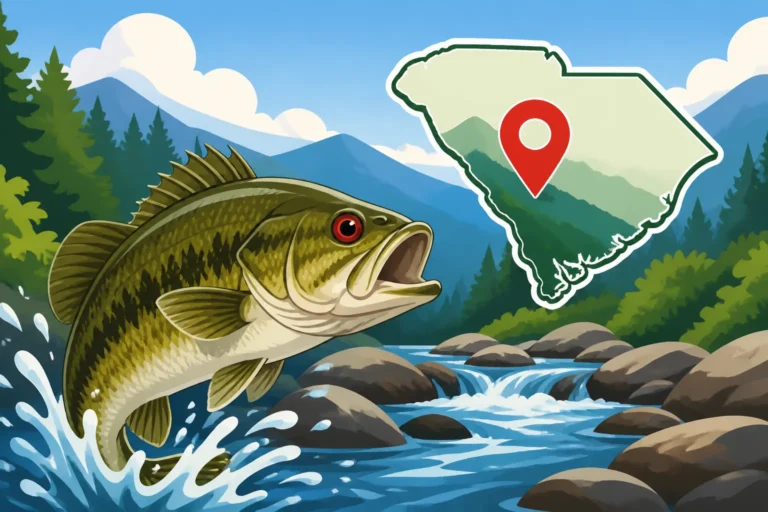
It's easy to confuse a redeye bass with a spotted bass or even a smallmouth, especially for the untrained eye. However, a few key features set them apart. The most obvious, of course, is that distinct red or orange eye color. Beyond that, redeyes typically have a more slender body profile compared to a largemouth, and their jaw usually doesn't extend past the back of their eye. They often display prominent dark lateral blotches that may connect to form a stripe, but unlike a spotted bass, the redeye usually lacks the rough patch of teeth on its tongue. Taking the time to properly identify your catch is crucial, not just for bragging rights, but also for adhering to any specific regulations that might apply. For a deeper dive into identification, check out our guide on How to Identify a Redeye Bass.
Preferred Environments in Upstate South Carolina
Redeye bass are true connoisseurs of clear, cool water. You won't typically find them lounging in muddy, slow-moving creeks. Instead, picture pristine mountain streams, bubbling rivers, and rocky stretches where the current provides a constant flow of oxygen. They love structure: think submerged rocks, fallen timber, undercut banks, and swift eddies where they can ambush prey. These environments are often found in the headwaters and upper reaches of rivers that originate in the Blue Ridge Mountains, like those feeding into Lake Keowee or Lake Jocassee. The colder water temperatures are key, which is why they tend to be concentrated in the higher elevations. This preference for cooler, cleaner water also means they often share their home with another native favorite, the brook trout, though they occupy slightly different niches within the ecosystem.
What Redeye Bass Eat: Their Diet and Foraging Habits
Like most predatory fish, redeye bass are opportunistic feeders. Their diet largely consists of whatever small aquatic life is available in their fast-moving habitats. This includes a variety of insects—both terrestrial insects that fall into the water and aquatic insects in their nymph and larval stages. They'll also readily consume small baitfish, crayfish, and even smaller salamanders or frogs if the opportunity arises. Understanding their diet helps you select the right lures and baits. When the water is clear, they rely heavily on sight, and a realistic presentation can make all the difference. They are ambush predators, often holding tight to cover and darting out to snatch their meal, so thinking like a hungry redeye can really inform your approach.
Essential Gear and Tackle for Redeye Bass in Mountain Streams
Fishing for redeye bass isn't about brute force; it's about finesse and matching your gear to the unique challenges of their environment. Heavy bass tackle will feel clunky and prove ineffective in these delicate, often tight, stream settings.
Light Spinning Tackle for Precision and Sensitivity
When I head out for redeyes, my go-to is always light spinning tackle. We're talking about ultra-light or light-action rods, typically in the 5 to 6.5-foot range. A rod with a fast action tip is ideal, as it gives you the sensitivity to feel subtle bites and the backbone to handle a surprising fight from these strong little fish. Pair that with a small, lightweight spinning reel (a 1000 or 2000 series is usually perfect) spooled with 4-6 pound test monofilament or fluorocarbon line. Braided line can work too, but the clear water conditions sometimes call for a fluorocarbon leader for invisibility. This lighter setup allows for longer, more accurate casts with small lures, which is paramount in tight stream conditions where you might be casting into small pockets of water or around heavy cover. You can find excellent quality light spinning combos that won't break the bank on platforms like Amazon, offering a great balance of sensitivity and durability.
Fly Fishing Gear: An Elegant Approach
For those who love the art of fly fishing, redeye bass offer an exciting target. Their habitat overlaps significantly with trout, making similar fly gear highly effective. A 3 or 4-weight fly rod, about 7.5 to 8.5 feet long, is usually perfect. Pair it with a matching reel and a weight-forward floating line. The key here is presenting small flies delicately. Dry flies mimicking terrestrial insects like crickets, grasshoppers, or beetles can be incredibly effective, especially in late spring and summer. Nymphs and wet flies that imitate aquatic insect larvae or crayfish patterns are also highly productive, especially when drifted naturally through deeper pools or riffles. The challenge and reward of fooling a redeye on a fly rod in its natural environment is an experience every angler should try.
Lure and Bait Selection: Matching the Hatch (or the Munch)
Choosing the right lure or bait is critical. Since redeyes primarily feed on small prey, your presentations need to reflect that.
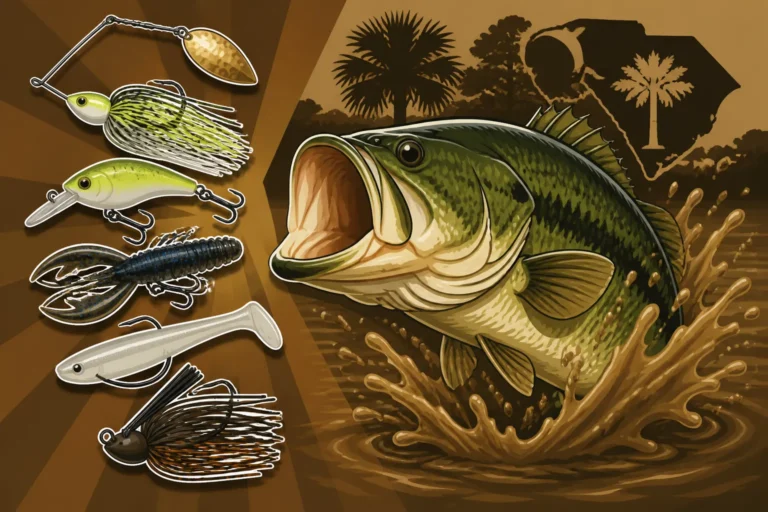
- Small Spinners: These are classic for a reason. Inline spinners with a small blade (sizes #0 to #2) in silver, gold, or even black/chartreuse patterns are deadly. They cast well, have an irresistible flash, and can be retrieved effectively even in current. I’ve picked up many of my favorites on Amazon over the years.
- Small Crankbaits: Micro crankbaits, especially those with a tight wobble and shallow diving lip, can imitate small baitfish or crayfish. Colors that mimic natural forage, like crawfish or shad patterns, often produce the best results.
- Soft Plastics: Tiny grubs, small worm imitations, or creature baits rigged on a light jig head (1/16 to 1/8 ounce) can be incredibly versatile. They allow for a subtle presentation, letting the current do some of the work, and can be bounced along the bottom or slowly retrieved.
- Live Bait: If allowed by local regulations (always check first!), live baits like small worms, crickets, or even small minnows can be irresistible. A simple hook, a tiny split shot, and a bobber often do the trick in slower pools.
Here's a quick comparison of popular lure types for redeye bass:
| Lure Type | Best Conditions | Pros | Cons |
|---|---|---|---|
| Inline Spinners | Clear water, moderate current | Easy to cast, consistent action, visual appeal | Can twist line if not using a swivel |
| Micro Crankbaits | Slightly deeper water, varied current | Mimics baitfish/crayfish, good vibration | Can snag easily in rocky areas |
| Small Grubs/Jigs | All conditions, especially subtle bites | Versatile, natural presentation, sensitive | Requires good feel for bites, can be slow |
| Dry Flies | Surface activity, warmer weather | Exciting visual bites, delicate presentation | Limited to surface feeding, specialized gear |
| Nymphs/Wet Flies | Subsurface, cooler water, varying depths | Mimics insect larvae, natural drift | Can be harder to detect bites |
Proven Techniques for Catching Redeye Bass in South Carolina
Successfully catching redeye bass in the Upstate is all about approach, presentation, and understanding the water you're fishing. It's often a more active, exploratory style of fishing than simply casting and waiting.
Casting Upstream and Drift Fishing
One of the most effective techniques in flowing water is to cast upstream and let your lure or bait drift naturally downstream with the current. This mimics how natural food sources move in the stream, making your offering look less suspicious to the fish. If you're using a spinner or crankbait, start your retrieve as it begins its drift, just fast enough to get the lure working, but slow enough to appear natural. For soft plastics or nymphs, allow them to tumble and bounce along the bottom, occasionally twitching your rod tip to impart a little action. Pay close attention to your line for any subtle hesitations or movements that might indicate a bite; redeyes can be very gentle takers. This is a common tactic also employed when fishing for trout in similar streams, so if you're familiar with that, you're halfway there!
Covering Water and Targeting Structure
Redeye bass are typically not evenly distributed throughout a stream; they're concentrated around prime feeding and hiding spots. Therefore, you need to be an active angler, constantly moving and casting to new areas. Focus on obvious structures like large boulders, fallen logs, log jams, and undercut banks. These spots provide current breaks and ambush points. Don't forget about the seams where faster current meets slower water, or the tailouts of deeper pools. Any change in the bottom contour or current flow can hold a fish. Make several casts to each promising spot from different angles before moving on. Sometimes a slight change in presentation or angle is all it takes to trigger a strike.
Sight Fishing in Clear Water
Because Upstate South Carolina streams are often incredibly clear, sight fishing can be a very productive and exciting technique, especially on sunny days. Polarized sunglasses are absolutely essential here. They cut the glare and allow you to peer into the water, spotting fish holding near structure or actively feeding. Once you spot a fish, you can make a precise cast directly to it, often triggering an immediate strike if your presentation is spot on. However, be cautious! Redeyes are wary, and a heavy footfall on the bank or a shadow cast over the water can send them scattering. Approach quietly and make your first cast count. Sometimes, you'll see a flash of red as they dart out from behind a rock to inspect your lure, and that's when the adrenaline really kicks in.
Best Times and Locations for Redeye Bass Fishing in the Upstate
Knowing when and where to find redeye bass significantly increases your chances of success. It's not just about having the right gear; it's about understanding their seasonal patterns and preferred haunts.
Seasonal Patterns and Water Temperature
While you can catch redeye bass year-round in South Carolina's Upstate, certain seasons offer better opportunities. Spring and fall are generally considered prime time. In spring, as water temperatures rise from their winter lows, redeyes become more active, feeding aggressively after a period of dormancy. This is also when they'll typically spawn, making them somewhat easier to locate as they move into shallower areas. Fall brings cooler temperatures, increased oxygen levels, and a strong feeding drive as they prepare for winter. Summer can be productive, particularly in the mornings and evenings when temperatures are coolest, or after a good rain has slightly stained the water and brought a fresh flush of food. During the dog days of summer, they'll retreat to the coldest, most oxygenated parts of the stream, often in deeper pools or swift riffles. Winter fishing is possible but challenging, as their metabolism slows, and they become less active.
Prime Stream Characteristics
When scouting for redeye bass, look for streams that fit their preferred profile: clear, cool, and rocky with a good current. Think of the headwater tributaries and smaller rivers that spill down from the Blue Ridge Mountains. Areas with a mix of riffles (shallow, fast-moving water), runs (deeper, flowing sections), and pools (deeper, slower sections) are ideal, as these provide varied feeding and resting opportunities. Pay special attention to areas with good canopy cover, as this keeps the water cooler and offers shade from overhead predators. Don't be afraid to explore smaller creeks that might not appear on major fishing maps; these hidden gems often hold healthy populations of redeyes. For more information on where to find these elusive fish, you might find our guide on Where to Catch Redeye Bass in South Carolina's Mountain Streams helpful.
Public Access Points in the Upstate
The Upstate offers numerous public lands that provide access to prime redeye bass habitat. State parks, national forests, and wildlife management areas often contain designated fishing access points or trails that lead to remote stream sections. Some popular areas might include sections of the Chattooga River (check regulations carefully, as parts are managed differently), the Chauga River, and various tributaries of the Keowee and Jocassee drainages. While I can't give specific current access points, a quick search for "public fishing access Upstate SC" or "national forest fishing South Carolina" will yield maps and information on where to legally access these beautiful waters. Always respect private property boundaries and pack out everything you pack in to keep these wild places pristine. You can also look into Best River Fishing Spots in the South Carolina Upstate for broader river options.
Conservation and Responsible Fishing for Redeye Bass
As anglers, we have a responsibility to protect our natural resources, especially sensitive species like the redeye bass. Practicing responsible fishing habits ensures that these unique fish continue to thrive for future generations.
Practicing Catch and Release
Redeye bass, while not typically targeted for their table fare due to their smaller size, are highly valued as a sport fish. Practicing catch and release is paramount to maintaining healthy populations, especially in smaller, more fragile stream ecosystems. If you do plan to release a fish, handle it minimally and gently. Wet your hands before touching the fish to protect its slime coat, and try to keep it in the water as much as possible. Use barbless hooks or pinch down the barbs on your lures to make hook removal quicker and less damaging. If a fish is deeply hooked, cut the line as close to the hook as possible rather than trying to rip it out. These small actions make a huge difference in the survival rate of released fish.
Adhering to Local Regulations
It goes without saying that understanding and following all local fishing regulations is non-negotiable. This includes possessing a valid South Carolina fishing license, which is required for anyone over a certain age. You can find comprehensive information in our South Carolina Fishing License Guide. Be aware of any specific creel limits (though most redeye fishing is catch and release, some areas might have specific rules), size limits, or tackle restrictions that may apply to the particular stream or river you are fishing. Regulations can sometimes vary by water body, so always double-check with the South Carolina Department of Natural Resources (SCDNR) website or a local tackle shop before you head out. Ignorance of the law is never an excuse, and penalties for violations can be significant, as detailed in Penalty for Fishing Without a License in South Carolina.
Protecting the Habitat
Beyond the fish themselves, protecting the redeye's pristine habitat is crucial. This means practicing Leave No Trace principles: pack out all your trash, avoid disturbing stream banks, and be mindful of aquatic vegetation. Avoid introducing non-native species, whether deliberately or accidentally (e.g., live bait from another watershed). Support local conservation efforts and organizations that work to protect and restore these valuable freshwater ecosystems. Many of the same principles apply when fishing for South Carolina's Native Brook Trout: A Blue Ridge Mountain Original, as their habitats often intertwine. By being a thoughtful and responsible angler, you contribute to the longevity of redeye bass fishing in our beautiful Upstate region.
Good luck on your redeye bass adventures! It's a truly special experience to chase these spirited fish in the stunning mountain waters of South Carolina.
Disclaimer
This article is for general informational purposes only and does not constitute professional advice. Laws, prices and regulations vary by location and change over time. Consult a qualified professional for guidance on your specific situation.