Redfish vs Black Drum: How to Tell Them Apart
It’s a common scenario for anglers reeling in a catch along the beautiful South Carolina coast: you’ve got a sturdy, copper-colored fish on the line, and while your gut says "redfish," there’s a little voice wondering if it might actually be a black drum. These two species, both staples of our inshore waters, share some striking similarities but also possess distinct differences that are crucial for proper identification, especially when it comes to understanding regulations and even how to best prepare your meal. This guide will walk you through everything you need to know to confidently tell a redfish from a black drum.
Visual Identification: Key Physical Differences
Getting a good look at your catch is the first step to telling these two apart. While both are members of the drum family (Sciaenidae) and have that classic "drum" shape, their specific features reveal their true identity. It’s not just about color; it’s about their whole anatomy.
Body Shape and Coloration
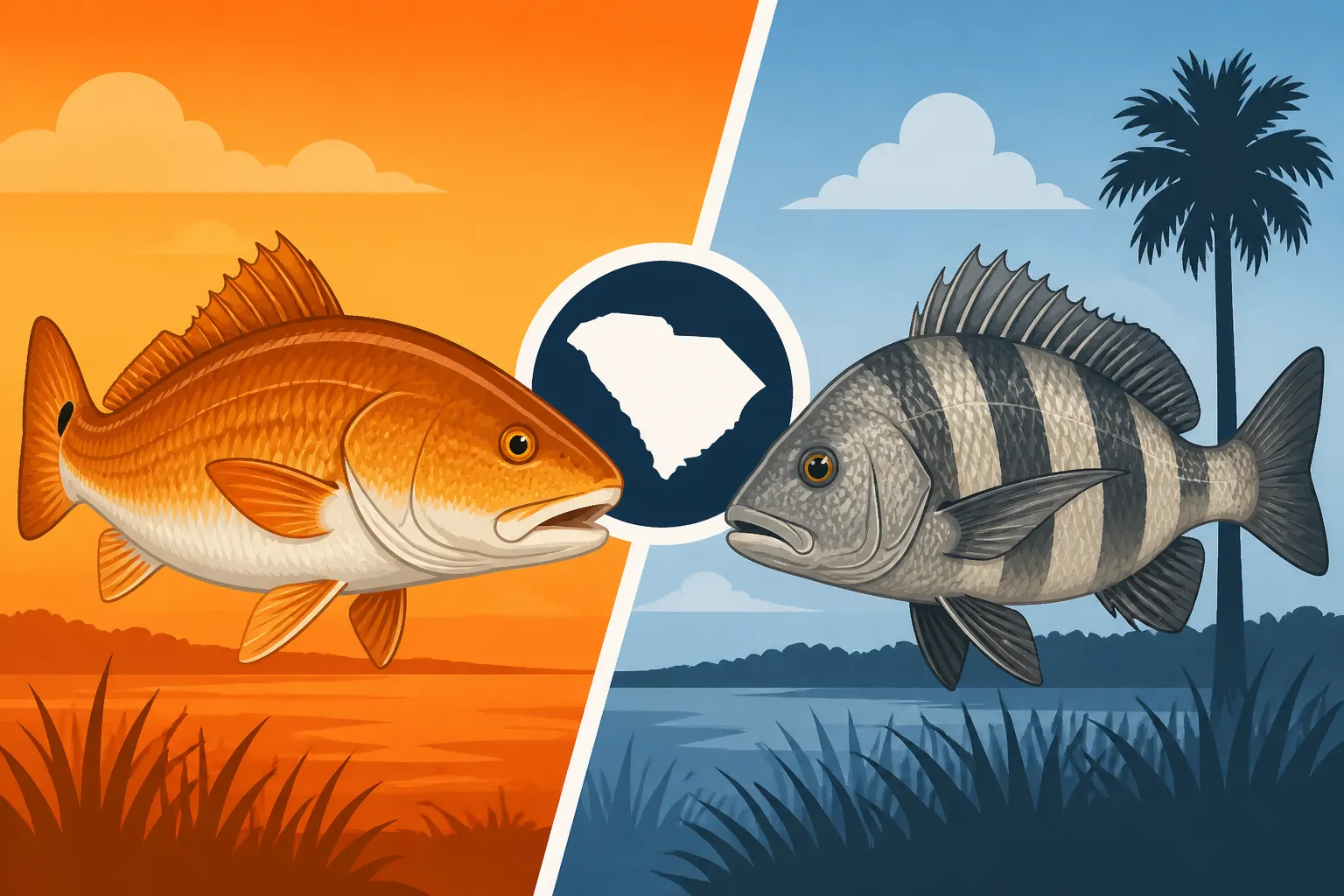
Redfish, also known as red drum, typically have a more elongated, torpedo-shaped body. They're built for speed and power in shallow waters. Their coloration is usually a beautiful bronze or coppery-red, sometimes almost a dark rust, fading to white on their belly. The intensity of their color can vary greatly depending on their specific habitat, with fish from clear, grassy flats often appearing brighter than those from darker, muddier waters. The most definitive characteristic of a redfish, however, is the single, prominent black spot (or sometimes multiple spots) on their caudal peduncle, which is the narrow part of the body leading to the tail fin. This spot is almost always present, though its size and number can differ.
Black drum, on the other hand, possess a much deeper, stockier body. They look heavier and more robust, with a high, arched back. Their color is generally a dark gray or silver, sometimes almost black, with a lighter belly. Juvenile black drum often display several distinctive dark vertical bars across their body, which tend to fade as they mature, sometimes disappearing completely in very large adults. Unlike redfish, black drum do not have the prominent black spot at the base of their tail. If you see a fish that looks like a drum but lacks that iconic redfish spot, it's a huge clue you've got a black drum on your hands.
Mouth and Jaw Structure
One of the most telling distinctions between these two species lies in their mouths and jaw structures, which are perfectly adapted to their preferred diets. The redfish has a mouth that is slightly underslung, meaning its upper jaw extends slightly beyond its lower jaw. This design is ideal for rooting around in the substrate or picking off prey just above the bottom, like shrimp, crabs, and small baitfish. If you observe a redfish feeding in shallow water, you’ll often see it "tailing," with its tail sticking out of the water as it digs its nose into the bottom, using that underslung jaw to scoop up food.
The black drum, conversely, has a mouth that is distinctly downward-pointing and inferior. It's perfectly suited for bottom-feeding, almost like a vacuum cleaner for the seafloor. What truly sets the black drum’s mouth apart are the barbels – small, whisker-like sensory organs located on its lower jaw. These barbels are packed with taste buds and allow the black drum to detect crustaceans, mollusks, and worms buried in the mud and sand, even in murky water. If you feel a rough, abrasive mouth, almost like sandpaper, that's another characteristic of the black drum's crushing plates, designed to crack open shells. You won't find these barbels on a redfish.
Tail and Fin Distinctions
While both fish have robust tails, there are subtle differences in their fin structures. The redfish typically has a broad, powerful caudal (tail) fin that is slightly forked. This design contributes to its burst of speed when chasing prey or evading predators in shallower waters. Their dorsal and anal fins are relatively tall and triangular. The single, or sometimes multiple, black spot(s) are consistently located on the caudal peduncle, right before the tail fin.
The black drum's tail fin is generally less forked, appearing more rounded or truncate. Its body is deeper overall, and its fins, while strong, are proportioned to its more sedentary, bottom-oriented lifestyle. The second dorsal fin is typically longer and lower than that of a redfish. Again, the absence of the distinct black spot near the tail is a key identifier. If you're struggling with visual ID in low light or if the fish is covered in mud, feeling for those barbels around the mouth or observing the general body profile can be a lifesaver. Keep a good fish identification guide handy, maybe even one you found on Amazon, to compare features in real time.
Habitat and Behavior: Where and How They Live
Understanding where these two species prefer to hang out can be a huge clue to identifying them even before you get them on the line. While there's some overlap, they generally stick to their own preferred niches within our coastal ecosystems.
Preferred Water Types and Depths
Redfish are the quintessential inshore angler's prize, known for their preference for shallow, brackish, and saltwater environments. You'll find them cruising expansive grass flats, lurking around oyster beds, probing mangrove edges, and navigating the winding marsh creeks that define much of the South Carolina coast. They thrive in water depths ranging from just a few inches during high tide for tailing to several feet in deeper channels and bays. They are highly dependent on healthy seagrass beds and marsh habitat, which provide both food and protection. Anglers often target them in places like Murrells Inlet or the vast tidal creeks near Mount Pleasant. For more on where to find them, check out Best Redfish Fishing Spots Along the South Carolina Coast.
Black drum, while also an inshore species, tend to favor slightly different locales. They are much more tolerant of varying salinities and can be found in a wider range of habitats, from very brackish estuaries and rivers to nearshore ocean waters. You'll often find them in deeper channels, around bridge pilings, jetties, artificial reefs, and over muddy or sandy bottoms where their preferred shellfish prey resides. They are less likely to be seen tailing in skinny water but will congregate in deeper holes or scour channels. Think of them as the structure-loving bottom dwellers, whereas redfish are the shallow-water prowlers. They are frequently caught around major inlets and deeper stretches of rivers that flow into the ocean.
Seasonal Movements and Schooling Patterns
Both redfish and black drum exhibit seasonal movements, though their patterns differ somewhat. Juvenile redfish are notorious for forming large, tight schools in the shallow marsh creeks, especially during cooler months. As they mature, they often move to larger bays and eventually offshore as "bull reds." These larger fish can still be found in schools, particularly during spawning aggregations, but they are generally less tightly knit than the smaller, younger fish. Redfish are often quite active and can be seen busting bait on the surface, especially at dawn or dusk, creating a visible commotion that gives away their presence.
Black drum, especially the smaller and medium-sized individuals, often school in impressive numbers. These schools can be found around specific structures or on large stretches of bottom, often mixed with other drum species like croaker or spot. Larger black drum, particularly the real trophy-sized ones, tend to be more solitary or found in smaller groups. They don't typically exhibit the same kind of surface-feeding frenzies as redfish; their activity is usually confined to the bottom. Their movements are often dictated by the availability of shellfish and crustaceans, meaning they might move with the tides to access new feeding grounds. For a general overview of seasonal patterns, you might find South Carolina Fishing Seasons Guide helpful.
Feeding Grounds and Structure Preferences
Redfish are opportunistic feeders and will patrol a variety of structures. Their primary feeding grounds include oyster reefs, which hold a bounty of crabs and shrimp, and the edges of Spartina grass, where they ambush small fish and crustaceans. They also readily consume mud minnows and fiddler crabs in these shallow environments. The structure itself is key – not just the pilings or rocks, but the living structure of the marsh.
Black drum are true bottom-feeders, and their feeding grounds reflect this. They seek out areas with abundant shellfish, like oyster beds (where they can literally crush shells with their powerful pharyngeal teeth) and clam beds in muddy or sandy bottom environments. Man-made structures such as bridge supports, docks, and rock jetties also provide excellent habitat, concentrating their food sources and offering protection. They are less interested in chasing down fast-moving baitfish and more focused on uncovering stationary, shelled prey. Anglers targeting black drum often find success near major bridges or deep channels in places like Charleston Harbor.
Diet and Feeding Habits: What They Eat
The mouth shape and presence of barbels on the black drum aren't just for show; they are direct indicators of vastly different diets and feeding strategies between these two species. Understanding what they eat is key to choosing the right bait and improving your chances of a catch.
Primary Food Sources
Redfish are carnivores with a varied diet that shifts slightly as they grow. Smaller redfish in the marshes primarily feast on shrimp, small crabs (like fiddler crabs and blue crabs), and a variety of small baitfish such as mullet and menhaden. As they get larger and move into deeper waters, their diet expands to include larger baitfish and bigger crustaceans. They are visual predators, actively chasing and ambushing prey. Their underslung jaw is perfectly designed for slurping up unsuspecting shrimp from the bottom or snatching a small crab from an oyster rakes.
Black drum, in stark contrast, are bottom-dwelling molluscivores and carcinivores. Their diet is heavily biased towards shellfish and crustaceans. Their robust, downward-pointing mouth and powerful crushing plates are designed to crack open hard-shelled prey. Oysters, clams, mussels, and various species of crabs (fiddlers, blue crabs, mud crabs) make up the bulk of their diet. They will also consume marine worms and small, slow-moving bottom fish. They are not typically fast-chasing predators but rather methodical foragers, using their barbels to locate hidden meals on the seafloor.
Foraging Behaviors
Redfish exhibit a dynamic and often visible foraging style. In shallow water, especially during high tides that push bait onto grass flats, you'll often witness what's known as "tailing." This is when a redfish's head is down, rooting in the mud or grass for crabs and shrimp, causing its tail to break the surface of the water. They are also known to cruise silently along marsh edges, ambushing unsuspecting prey, or to school up and herd baitfish into tight balls before striking. Their strong eyesight and lateral line system make them efficient hunters in varied conditions.
Black drum employ a more subterranean approach to feeding. With their barbels acting as highly sensitive detectors, they systematically comb the bottom, using their strong jaws to crush shells once a meal is located. You won't see them tailing in the same way as redfish, nor will they typically be seen chasing bait on the surface. Instead, their presence is often indicated by subtle disturbances on the bottom, such as mud plumes or small depressions left from their foraging efforts. They are persistent and thorough eaters, often lingering in an area where food is plentiful. This specialized feeding behavior means that while both may be found in areas with oyster shells, the black drum is actively eating the oysters, while the redfish is more likely to be after the crabs hiding within the reef.
Fishing Techniques: How to Target Each Species
Since redfish and black drum have different habits and diets, it stands to reason that the most effective ways to catch them will also vary. Adjusting your baits, rigs, and presentation can dramatically improve your success rate for each species.
Recommended Baits and Lures
For redfish, a diverse bait arsenal is your best bet. Live bait is incredibly effective, with live shrimp, mud minnows, and finger mullet being top choices. You can often find great deals on bait traps or even live baitwells on Amazon if you're looking to upgrade your setup. Artificial lures are also highly productive. Gold spoons, soft plastic paddletails (rigged weedless or on a jighead), topwater plugs (especially during low light), and noisy popping corks with a live or artificial shrimp underneath are all excellent for tempting redfish. They respond well to erratic movements that mimic injured baitfish or scurrying crabs.
Black drum, with their bottom-feeding habits, are almost exclusively caught on natural bait. Live bait such as fiddler crabs, cut shrimp, blue crab pieces, and even chunks of clam or oyster are highly effective. Unlike redfish, black drum are generally not interested in artificial lures because they don't actively chase fast-moving prey; they’re looking for a stationary, scent-rich meal on the bottom. If you're targeting black drum, focus on natural baits that appeal to their specific diet. For heavier tackle and durable lines suitable for these often strong fish, you can browse a wide selection on Amazon.
Effective Rigs and Presentation
When targeting redfish, your rig choices will often depend on the specific environment. In shallow grass flats, a weedless rig with a soft plastic or a popping cork setup (to keep bait just above the grass) is ideal. For fishing around oyster beds or structure, a Carolina rig with a small egg sinker and a short fluorocarbon leader can present live bait effectively. When fishing with live shrimp under a popping cork, the "pop" helps attract attention, mimicking a shrimp flicking on the surface, drawing redfish in. Pay attention to stealth; redfish in shallow water are easily spooked.
For black drum, a simple but sturdy bottom rig is usually all you need. A Carolina rig or a standard two-drop bottom rig with pyramid or egg sinkers (heavy enough to hold bottom in current) will present your bait directly where black drum feed. Because they rely heavily on scent and detect food on the bottom, it's crucial to keep your bait stationary and in their strike zone. Use strong circle hooks appropriate for the size of drum you're targeting, as their mouths can be tough. Don't be afraid to use heavier weights to ensure your bait stays put, especially in areas with stronger currents like inlets or river mouths.
Best Times and Tides to Target
Redfish are often most active during periods of moving water, particularly on incoming or high tides when they push into the shallow marsh grass to feed. Early morning and late afternoon are prime times, especially during cooler months. Overcast days can extend their active feeding periods. During the hottest parts of summer, they might be more active around dawn and dusk, or even at night in some areas. Planning your trip around the tides is paramount for redfish success, particularly if you're exploring the skinny water. Detailed tidal charts are your friend! For a deeper dive into seasonal redfish patterns, explore Redfish Fishing in South Carolina: Rules, Spots, and Tips.
Black drum, while still influenced by tides, are generally less tide-dependent in terms of specific high or low water events for feeding access. They can be caught throughout the tidal cycle, especially when fishing deeper channels or around structures where they congregate. However, moving water (incoming or outgoing tide) is still generally better than slack tide, as it concentrates bait and washes out food from the bottom. They are often less affected by sunlight than redfish and can be caught effectively midday. Many anglers report great success with black drum after dark around lit docks or bridges.
Regulations and Conservation: What Anglers Need to Know
Understanding the regulations for redfish and black drum is not just about avoiding fines; it's about contributing to the conservation of these vital South Carolina fish populations. The rules can be quite specific and vary between species, so always check the latest guidelines from the South Carolina Department of Natural Resources (SCDNR).
Size and Bag Limits
For redfish, South Carolina typically implements a slot limit. This means there's a minimum and maximum size for fish you can keep, with any fish smaller or larger than the slot needing to be released. This slot limit is designed to protect juvenile fish until they've had a chance to reproduce and to protect the large, mature "bull reds" that are the primary spawners. The daily bag limit also specifies how many fish an individual angler can keep per day. It’s absolutely critical to measure your fish accurately as soon as you catch it. You can learn more specifics about these rules in South Carolina Redfish Slot Limit Rules.
Black drum often have different, usually more lenient, size and bag limits compared to redfish. They are generally not subject to a slot limit, but rather a simple minimum size limit and a daily bag limit. This difference reflects their different life histories, population structures, and perceived fishing pressure. Always double-check the current regulations before heading out, as they can change. It’s also important to be aware of any possession limits, which dictate the total number of fish you can have in your cooler or on your vessel at any given time, regardless of when they were caught.
Vessel Limits and Special Rules
Beyond individual bag limits, redfish sometimes have vessel limits in South Carolina. A vessel limit dictates the total number of a specific species that can be kept on a single boat, regardless of how many licensed anglers are on board. This is an additional conservation measure, particularly for popular species like redfish, to prevent overharvesting by groups of anglers. For example, even if three anglers are on a boat, if the vessel limit is six redfish, they cannot collectively keep more than six, even if their individual bag limits would allow for more. For specific details on this, you can refer to South Carolina Redfish Vessel Limit Explained.
Black drum generally do not have vessel limits, but there could be other specific rules depending on the area or season. For instance, any fishing method that might specifically target or incidentally catch large numbers of black drum (like certain netting or commercial operations) could have special restrictions. It's also important to remember that all anglers, regardless of species targeted, generally need a valid South Carolina fishing license unless specifically exempt (e.g., during free fishing days or for very young children). Familiarize yourself with all general fishing license requirements in South Carolina.
Conservation Status and Importance
Both redfish and black drum are incredibly important to South Carolina's coastal ecosystem and its recreational fishing industry. Redfish are often considered a "poster child" for inshore conservation, and their management strategies, including slot limits, are aimed at ensuring healthy, self-sustaining populations. Their popularity among anglers means they receive significant attention from biologists and conservation groups. The health of redfish populations is often an indicator of the overall health of the marsh and estuarine environments they inhabit.
Black drum, while perhaps not as glamorous as redfish to some anglers, play a crucial role as bottom-feeders, helping to process and recycle nutrients within the ecosystem. Their ability to consume hard-shelled organisms helps maintain the balance of various invertebrate populations. Responsible angling practices, such as adhering to limits, using appropriate gear, and practicing careful catch-and-release, are vital for both species. Never keep more than your legal limit, and if you're releasing fish, do so quickly and carefully to maximize their chances of survival.
Culinary Aspects: Eating Redfish vs. Black Drum
After all that effort of identifying and catching your fish, you might be wondering how they stack up on the dinner plate. Both redfish and black drum are edible, but there are distinct differences in their taste, texture, and ideal cooking methods.
Taste and Texture Profiles
Redfish are generally highly regarded for their firm, white, flaky flesh and mild, somewhat sweet flavor. They are a versatile fish, holding up well to various cooking methods without becoming mushy. Smaller, "slot-sized" redfish (those within the legal harvest window) are typically preferred for their superior texture and flavor. The flesh is lean and absorbs seasonings wonderfully, making it a favorite for many coastal restaurants and home cooks alike.
Black drum, particularly smaller individuals (often referred to as "puppy drum" in some areas, though this term is also used for small redfish), also offer good eating. Their flesh is white and can be quite flavorful, but it tends to be a bit coarser and less flaky than redfish. Larger black drum, especially those over 15-20 pounds, are often considered less desirable for eating. Their flesh can become tough, stringy, and sometimes have a stronger, more "fishy" flavor. There's also a higher chance that very large black drum will have parasitic worms in their flesh (though these are harmless to humans if cooked properly). For this reason, many anglers choose to release the really big black drum and focus on keeping smaller ones for the table.
Best Cooking Methods
Redfish is incredibly versatile in the kitchen. "Blackened redfish" is a classic preparation, where fillets are coated in spicy seasoning and seared in a screaming hot cast-iron skillet. They also grill beautifully, bake well, and can be pan-fried with a light breading. The firm texture allows them to be cubed for fish tacos or used in stews without falling apart. The skin-on fillet, particularly when grilled or pan-seared, can add extra flavor and help hold the fish together.
Black drum, especially the smaller ones, lend themselves well to frying, baking, or steaming. Because their flesh can be a bit coarser, a good marinade or a flavorful sauce can work wonders. When frying, a crispy batter can complement the texture. For larger fish, some anglers prefer to cut out the "bloodline" before cooking to reduce any strong flavors. If you catch a truly massive black drum, many choose to release it due to the potential for tougher meat and worms, but if you do decide to keep it, consider cutting it into steaks and slow-cooking it, or even using it for a robust fish chowder where the texture is less critical.
Handling and Preparation Tips
No matter which species you've caught, proper handling from the moment it comes out of the water is key to preserving its culinary quality. Bleed your fish immediately after landing it by cutting a gill arch; this significantly improves flavor and keeps the flesh whiter. Get your fish on ice as quickly as possible. A well-iced cooler or fish bag (you can find plenty of options on Amazon for these) will prevent spoilage and maintain freshness.
When filleting, both fish are relatively straightforward. For redfish, aim for clean, skin-on or skin-off fillets, removing the rib cage and any dark meat along the lateral line. For black drum, especially larger ones, you might want to inspect the fillets for any worms or parasites; while harmless when cooked, removing them makes for a more appealing presentation. Trimming away the darker, fattier portions of the fillet can also help with flavor on larger black drum. If you’re keeping a legal redfish, consider brining it briefly before cooking to enhance its natural flavor and moisture.
Redfish vs. Black Drum: Quick Comparison
To help you quickly distinguish between these two popular South Carolina fish, here's a handy comparison table summarizing their key differences:
| Feature | Redfish (Red Drum) | Black Drum |
|---|---|---|
| Body Shape | Elongated, torpedo-shaped, streamlined | Deep, stocky, high-backed, robust |
| Coloration | Coppery-red to bronze, white belly | Dark gray to silver, often vertical bars (juveniles) |
| Distinguishing Mark | One or more prominent black spots on caudal peduncle (near tail) | No black spot on caudal peduncle |
| Mouth | Slightly underslung, no barbels | Downward-pointing, inferior, with sensory barbels on chin |
| Tail Fin | Slightly forked, powerful | More rounded or truncate, less forked |
| Primary Diet | Shrimp, crabs, small baitfish | Shellfish (oysters, clams), crabs, marine worms |
| Feeding Behavior | Active hunters, tailing in shallows, ambushing prey | Bottom foragers, using barbels to detect buried food |
| Typical Habitat | Shallow grass flats, oyster beds, marsh creeks | Deeper channels, bridge pilings, jetties, muddy bottoms |
| Culinary Value (generally) | High, firm, flaky, mild flavor (especially slot-sized) | Good (smaller fish), coarser, stronger flavor (larger fish) |
| Key Conservation | Slot limits, bag limits, vessel limits | Minimum size, bag limits (generally more lenient) |
Now that you're armed with this knowledge, you should feel much more confident the next time you hook into one of these fantastic South Carolina game fish. Happy fishing!
Disclaimer
This article is for general informational purposes only and does not constitute professional advice. Laws, prices and regulations vary by location and change over time. Consult a qualified professional for guidance on your specific situation.