Does Tide Direction Change Where Trout Feed?
Tide direction and incoming water movement determine where spotted seatrout feed in South Carolina estuaries and coastal creeks.
Match the method to the moment.
Seasonal patterns, proven tactics, rigging and presentation basics, bait choices, and how to adapt as conditions change.
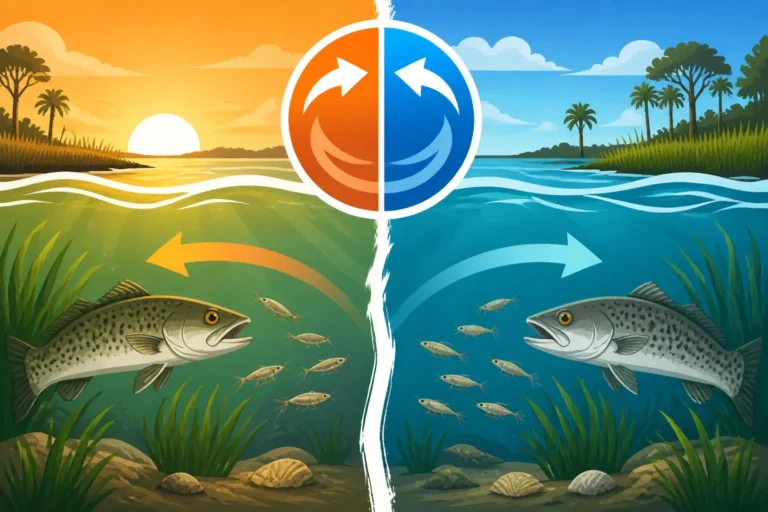
Tide direction and incoming water movement determine where spotted seatrout feed in South Carolina estuaries and coastal creeks.
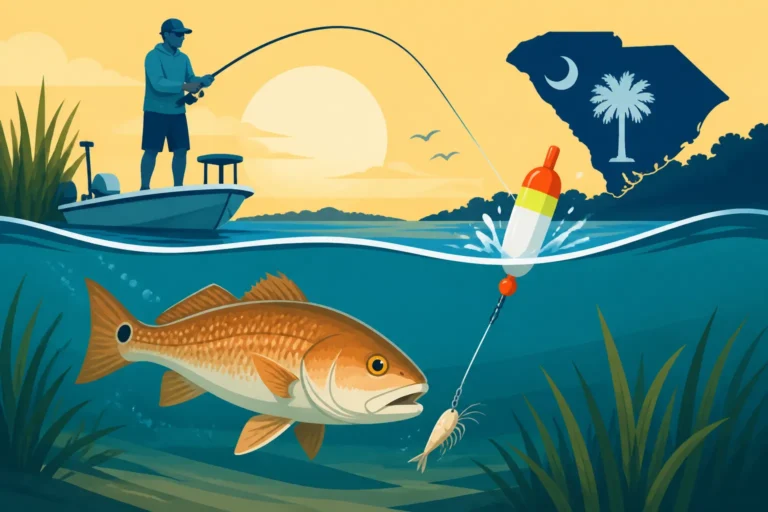
Popping cork rigs with rattling beads create surface commotion that helps South Carolina anglers target redfish in shallow grass beds.
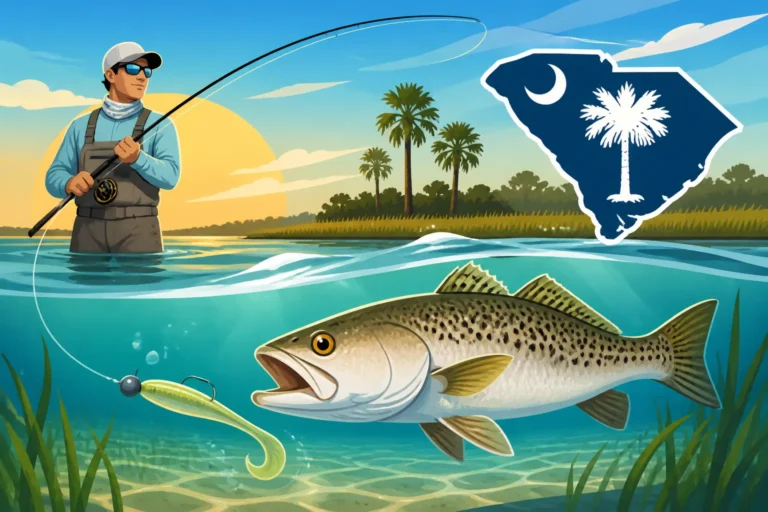
Inshore trout fishing techniques explain how beginners catch spotted seatrout using live shrimp on grass flats and oyster beds.
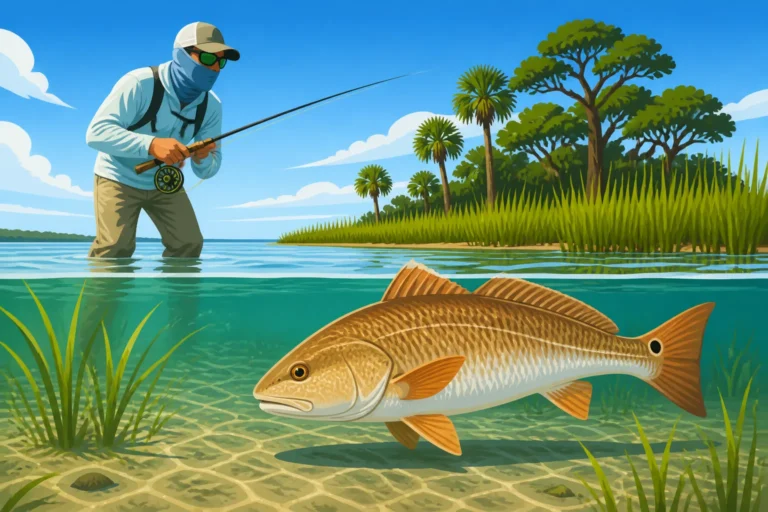
Sight fishing for redfish in South Carolina shallow water requires stealth tactics, tidal pattern knowledge, and proper gear selection.
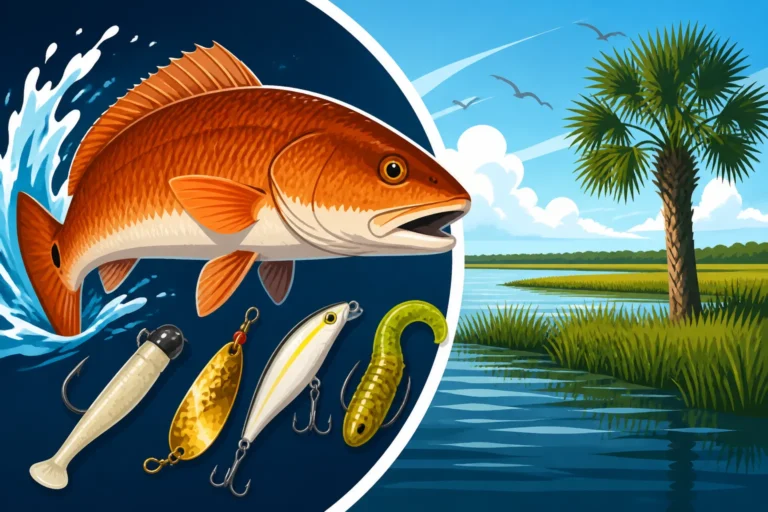
Redfish, or red drum, eat fiddler crabs, blue crabs, mullet, menhaden and shrimp, so matching the hatch with a lure that mimics local forage improves results.
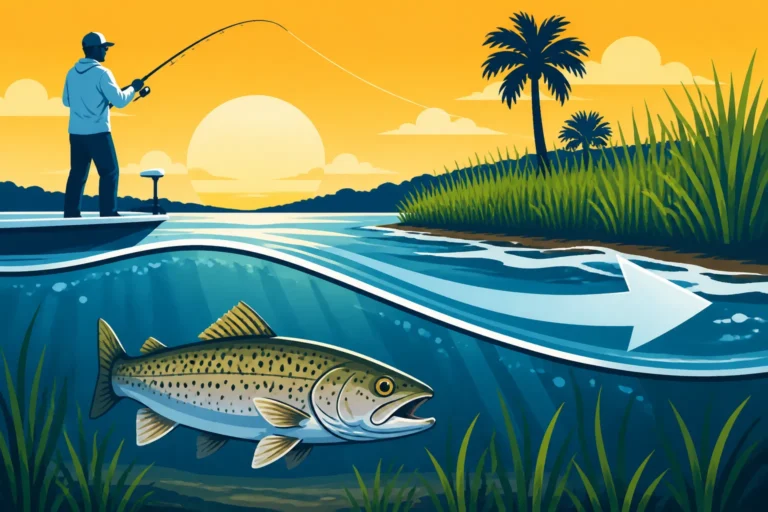
Spotted seatrout behavior during falling tides in South Carolina explains where anglers should cast along coastal waters.
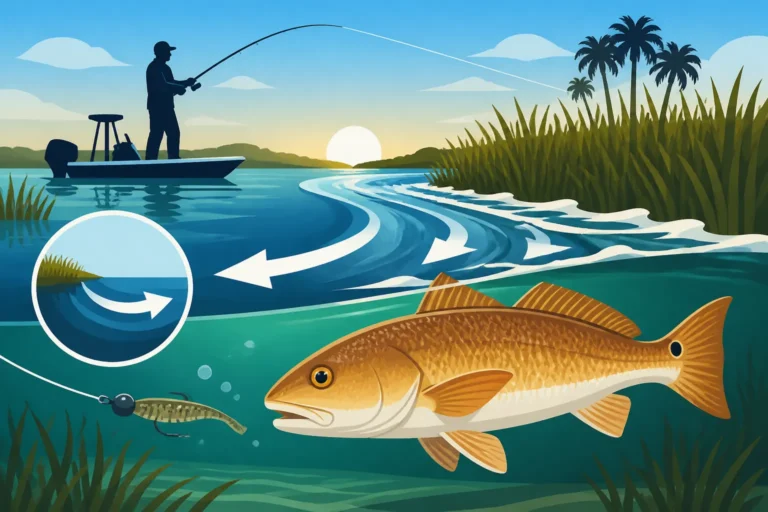
South Carolina redfish movement during incoming tides explains how to find feeding fish in coastal estuaries and marshes.
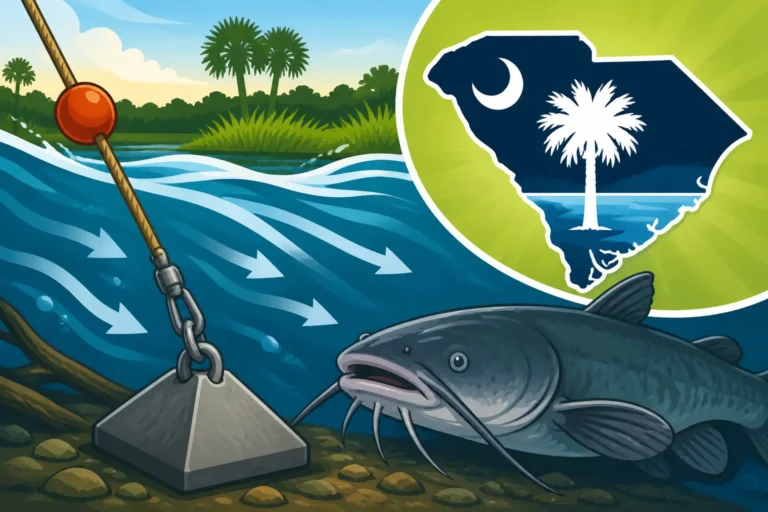
Catfish boat anchoring in South Carolina rivers explains how to hold steady against strong currents and maintain optimal bait positions.
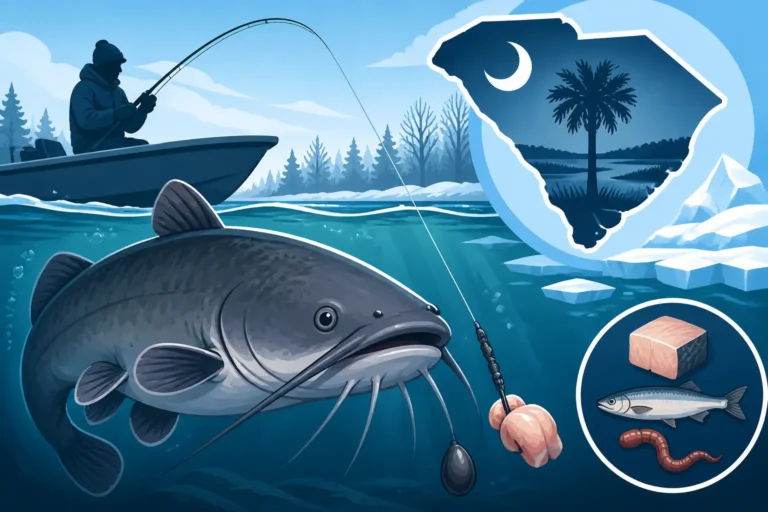
Cold water catfish behavior and winter fishing techniques in South Carolina reservoirs like Lake Moultrie help anglers catch slow fish.

Catfish feeding times in South Carolina lakes and ponds depend on light levels and water temperature during dawn and dusk.