Simple Bank Fishing Tips for Beginners
It's easy to feel intimidated when you first decide to try fishing, especially if you don't own a boat or aren't sure where to start. Many folks imagine they need fancy equipment or secret spots to catch anything, but that's just not true! This guide will break down the simplest, most effective bank fishing tips for beginners in South Carolina, helping you cast your line with confidence and enjoy the peace and thrill of a successful day by the water.
Getting Started with Bank Fishing: The Basics You Need
Bank fishing is one of the most accessible and rewarding ways to get into the sport, especially here in South Carolina with our abundant ponds, rivers, and lakes. You don't need a boat, a trailer, or even a huge budget to start enjoying the water. For many of us, it was our very first introduction to fishing, and it remains a cherished way to connect with nature.
Why Bank Fishing is a Great Starting Point
One of the biggest advantages of bank fishing is its incredible accessibility. Think about it: no need for a boat ramp, no worries about trailering or maintaining a vessel, and no expensive marine electronics. You simply find a suitable spot, walk up, and start fishing. This makes it perfect for a spontaneous afternoon outing, a quick escape after work, or a family trip with the kids. It’s also incredibly cost-effective, allowing you to invest in basic, versatile gear rather than specialized, pricey equipment.
Beyond the practicalities, bank fishing offers a unique sense of peace and connection. You're right there, on the shore, feeling the breeze, hearing the birds, and truly immersing yourself in the environment. It's a fantastic way to slow down, practice patience, and observe the natural world around you. For beginners, it’s a low-pressure environment to learn casting, understand how fish behave, and get comfortable with handling tackle without the added complexities of navigating a boat.
Essential Gear for Your First Trip
When you're just starting out, simplicity is key. You don't need to break the bank on a ton of gear. A basic spinning rod and reel combo is your best friend. Look for something that's easy to handle, perhaps a medium-light action rod about 6 to 7 feet long, paired with a reliable spinning reel spooled with 6 to 10-pound test monofilament line. This setup is versatile enough for most freshwater species you'll encounter from the bank. You can often find decent beginner combos that come pre-spooled with line, which is a real time-saver. Many reputable brands offer affordable starter kits that are perfect for new anglers.
Next up, a small tackle box or bag to keep your essentials organized. Inside, you’ll want a selection of hooks (sizes 6-1/0 are usually good), split-shot sinkers in various weights, and a few clip-on bobbers. Don't forget a pair of needle-nose pliers for hook removal and line cutting – they’re invaluable. A small cooler for your bait and any fish you might keep, plus some drinks and snacks, will make your day much more comfortable. For those who prefer the convenience of online shopping, browsing a site like Amazon can give you a great idea of what's available and help you compare different starter kits or individual items to build your first setup.
Finding Your Perfect Bank Fishing Spot in South Carolina
One of the biggest "secrets" to successful bank fishing isn't a secret at all: it's about finding the right spot. South Carolina offers an incredible diversity of fishing environments, from sprawling lakes to winding rivers and serene ponds. Knowing what to look for can drastically improve your chances of a bite and make your trip more enjoyable.
Key Indicators of a Productive Bank Spot
Fish, much like us, appreciate good cover and a steady food supply. When you're scouting for a bank fishing spot, look for areas with "structure." This could be anything from fallen trees and submerged logs to rock piles, weed beds, or even old docks and bridge pilings. These features provide shelter for fish from predators and strong currents, and they also attract baitfish and insects, creating a natural feeding ground. Imagine yourself as a fish – where would you feel safe, find food, and perhaps escape the midday sun?
Another crucial element is depth changes. Fish often congregate where shallow water drops off into deeper areas, or where a channel runs close to the bank. These transition zones offer them easy access to both shallow feeding grounds and deeper, cooler refuge. Areas where creeks flow into larger bodies of water, or where there's a noticeable current break, can also be hotspots. Pay attention to changes in water color or current speed, as these often indicate underwater topography that attracts fish. Sometimes, simply observing other anglers can give you clues about popular and productive spots.
Public Access and Hidden Gems
South Carolina has a wealth of public fishing access points, making it relatively easy to find a place to cast a line. State parks often provide excellent bank fishing opportunities, with designated areas, piers, and well-maintained trails leading to the water. Public boat ramps, while primarily for boats, frequently have shoreline access nearby that's perfect for bank anglers. Even many city or county parks have ponds open for public fishing. Just remember that you'll need a valid South Carolina Fishing License Guide While many spots are well-known, don't be afraid to explore. Sometimes, those less obvious pull-offs along rural roads or smaller, overlooked ponds can hold some real hidden gems.
Before you head out, it’s always a good idea to do a little research. Check local government websites or the South Carolina Department of Natural Resources (SCDNR) for information on public access points, fishing regulations, and any specific rules for the body of water you plan to visit. Understanding South Carolina's Freshwater Fishing Regulations or Saltwater Fishing Rules in South Carolina is crucial, even if you’re just wetting a line for the first time. Websites like Go Outdoors South Carolina are great resources, and don't forget to check out articles like State Park Fishing Spots in South Carolina for specific recommendations. Always respect private property and leave no trace behind to keep these areas open for everyone to enjoy.
Simple Techniques That Actually Work from Shore
You don't need a degree in advanced angling to catch fish from the bank. For beginners, focusing on a few fundamental techniques will yield consistent results and build your confidence. These methods are straightforward, require minimal gear, and are incredibly effective for a wide range of common South Carolina fish species.
Mastering the Bobber and Bait
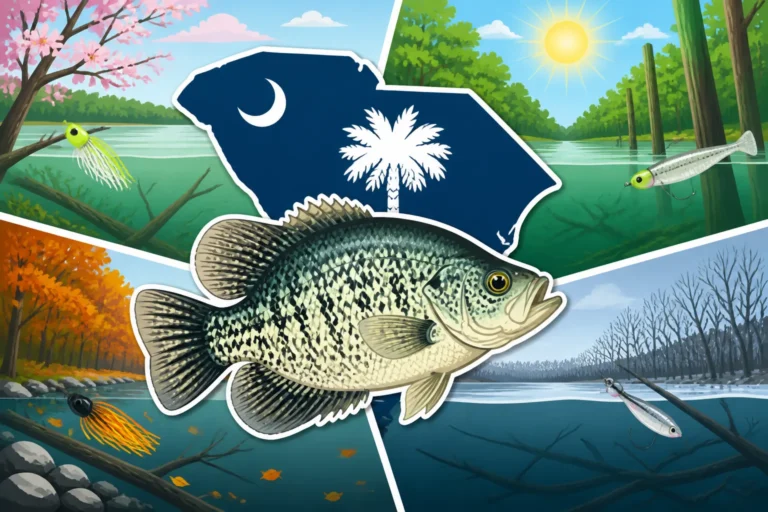
The classic bobber and bait setup is a fantastic starting point for any bank angler, especially when targeting panfish like bluegill and crappie, or even smaller bass. The beauty of it lies in its simplicity. You attach a bobber to your line, usually a foot or two above your hook, and then pinch on a small split-shot sinker a few inches above the hook to help your bait sink. The bobber acts as a visual indicator – when it dips or disappears, you know you've got a bite! It's incredibly exciting to watch that bobber vanish underwater.
For bait, keep it natural and readily available. Earthworms are universally effective and can be found in your backyard or bought at almost any bait shop. Crickets are another fantastic choice, particularly for bluegill and other sunfish. Even simple canned corn can attract fish in certain freshwater environments. This method is incredibly relaxing and excellent for teaching kids patience and how to recognize a bite. If you're looking to specifically target those fun-to-catch panfish, check out our guide on Bluegill Fishing Tips for South Carolina Ponds or Simple Bream Fishing Techniques for Kids.
Basic Lure Fishing for More Active Species
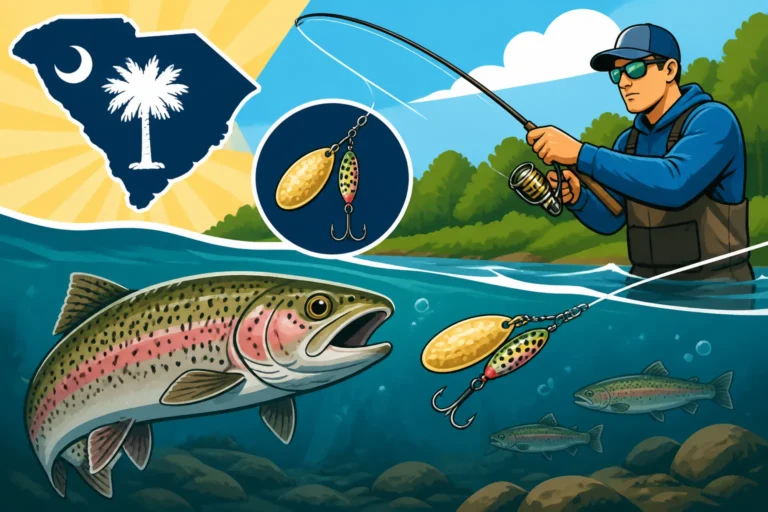
Once you're comfortable with the bobber, you might want to try lure fishing. This technique allows you to cover more water and actively search for fish, often attracting larger or more aggressive species like bass. You don't need a huge arsenal of lures; starting with a few versatile options is plenty. Spinnerbaits are excellent for beginners because they're easy to cast, retrieve, and their flashing blades and vibrating skirts create a lot of commotion, drawing fish in. Just cast it out and reel it steadily back in.
Small crankbaits are another great option. These lures dive to a certain depth when retrieved and mimic baitfish. Again, a simple cast and retrieve is usually all it takes. For something a little more subtle, soft plastic worms rigged "Texas style" are incredibly effective for bass. This involves threading a worm onto a hook so the hook point is embedded in the plastic, making it weedless. You can bounce it along the bottom or slowly drag it. Many beginner anglers find success with these simple setups, and you can easily find a great selection of these lures on Amazon, often in multi-packs, perfect for stocking your first tackle box. For a deeper dive into these methods, consider reading up on How to Rig a Texas-Rig Worm for Bass or How to Fish a Spinnerbait for Bass.
Understanding the Best Times and Conditions
Beyond gear and technique, understanding when to fish can significantly boost your success from the bank. Fish behavior is heavily influenced by factors like time of day and weather, and knowing how to adapt can turn a slow day into a memorable one.
The Magic Hours: Dawn, Dusk, and Night Fishing
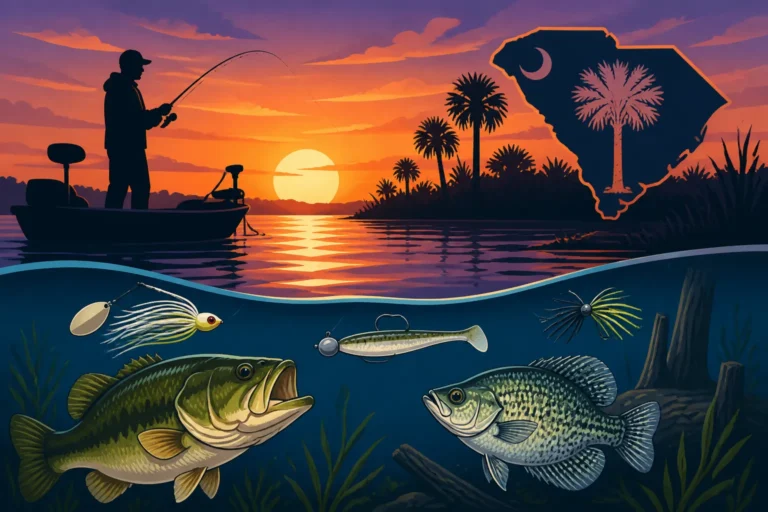
If you ask seasoned anglers for their top tip, many will point to the "magic hours" – dawn and dusk. As the sun rises and sets, the light is lower, temperatures are often milder, and many fish species become more active, moving into shallower water to feed. This is especially true for bass, crappie, and many saltwater species if you're fishing coastal banks or piers. Early mornings offer a serene start to the day, often with less competition from other anglers, while evenings provide a beautiful backdrop as you wind down.
Don't overlook night fishing, either, particularly during warmer months. Catfish, in particular, are nocturnal feeders and can offer incredible action after dark. Many other species, including some larger bass, will also hunt under the cover of night. Just remember to bring a headlamp, be aware of your surroundings, and let someone know where you'll be. It’s a different experience, but incredibly rewarding. To learn more about fishing at these prime times, check out our articles on Dawn Fishing Techniques for Freshwater Lakes and Night Fishing Techniques for Freshwater Anglers.
Weather Wisdom: Fishing After Rain or Cold Fronts
Weather plays a huge role in fish behavior. A light, steady rain can sometimes be excellent for fishing, as it washes insects and nutrients into the water, creating feeding opportunities. Overcast days are also often preferred over bright, sunny ones, as they reduce glare and can make fish feel more comfortable moving into shallower areas. However, heavy rains that cause muddy, fast-moving water can make fishing tough. In these situations, fish often move to calmer areas or tighter to cover. You might need to use baits that create more vibration or scent to attract them in the murky water.
Cold fronts, on the other hand, often shut down fishing for a day or two after they pass. The sudden drop in temperature and high-pressure system can make fish lethargic and less willing to feed. During these times, slowing down your retrieve, using smaller baits, and focusing on deeper pockets of water where temperatures are more stable can sometimes coax a bite. Don't let bad weather forecasts completely deter you, though; sometimes, the fishing before a major front can be phenomenal! For more detailed advice on adapting to weather, explore topics like Fishing Techniques After Heavy Rain or Fishing Techniques After a Cold Front.
Quick Reference: Beginner Baits & Their Targets
To help you get started, here's a simple table summarizing some common beginner baits and the fish species you're most likely to catch with them from the bank in South Carolina's freshwater environments.
| Bait Type | Target Species (Primary) | Gear Recommendation | Notes |
|---|---|---|---|
| Live Worms | Bluegill, Crappie, Catfish, Small Bass | Bobber rig, light sinker, small hook | Universal appeal, easy to find, great for all ages |
| Crickets | Bluegill, Other Sunfish | Bobber rig, small hook | Excellent for panfish, especially in warmer months |
| Corn | Carp, Catfish, Some Panfish | Bottom rig, small hook | Simple, effective for bottom feeders, check regulations |
| Spinnerbaits | Largemouth Bass, Striped Bass | Light-medium rod, steady retrieve | Covers water, creates flash and vibration, good for active fish |
| Small Crankbaits | Largemouth Bass, Crappie, Perch | Light-medium rod, varied retrieve | Mimics baitfish, dives to specific depths |
| Soft Plastics | Largemouth Bass, Spotted Bass | Texas rig, jighead, slow retrieve | Versatile, weedless options, great for structure fishing |
Remember, bank fishing in South Carolina is about enjoying the process, the beautiful scenery, and the simple pleasure of a tug on your line. You don't need a boat or a ton of experience to have a fantastic time and catch some fish. Start simple, observe your surroundings, and you'll quickly discover the joy of fishing from shore. Happy casting!
Disclaimer
This article is for general informational purposes only and does not constitute professional advice. Laws, prices and regulations vary by location and change over time. Consult a qualified professional for guidance on your specific situation.