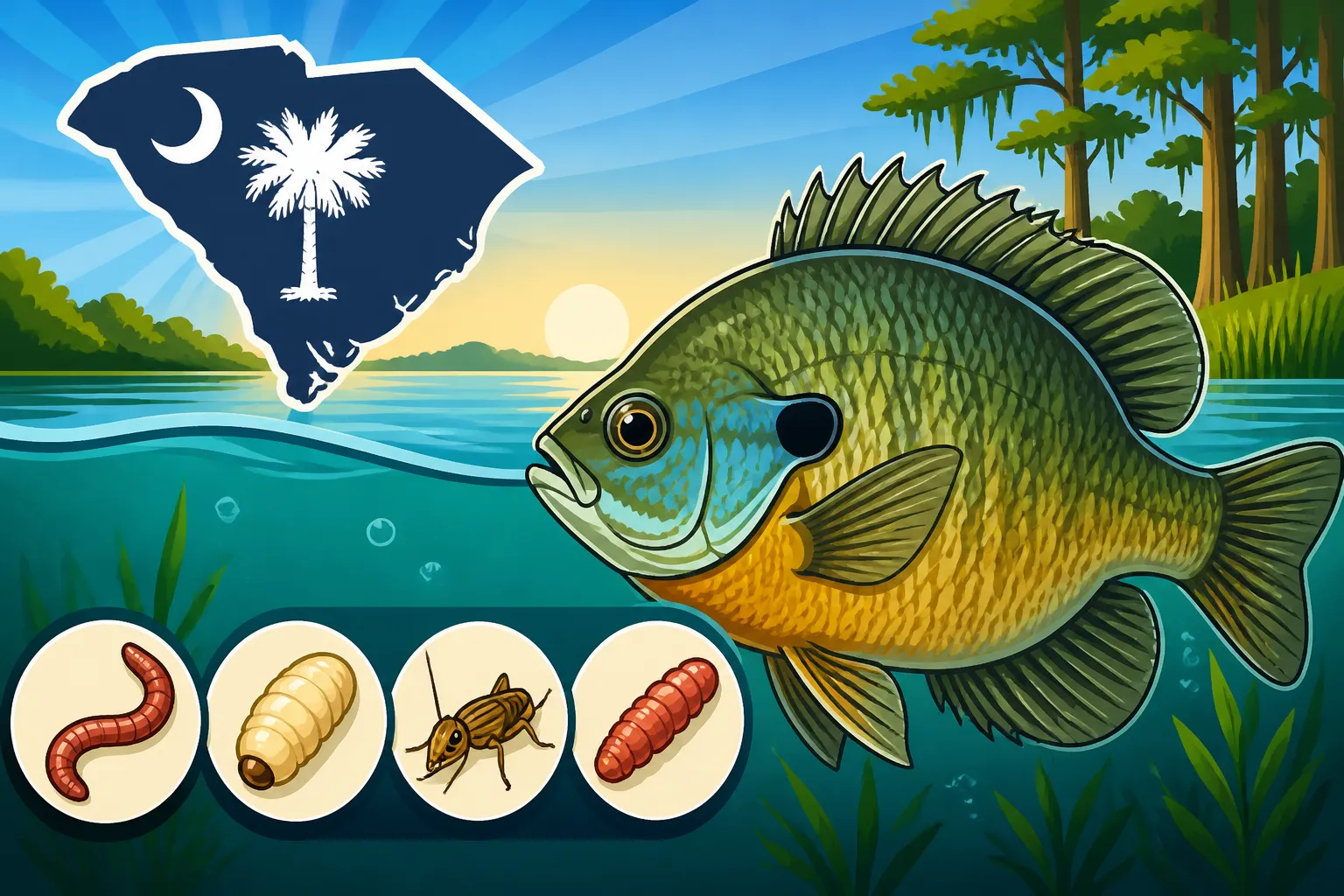
Best Bait for Catching Bluegill
There's nothing quite like the thrill of a bluegill tugging on your line, especially if you're introducing someone new to the joys of fishing. But sometimes, even these eager panfish can be a little particular about what they'll bite. Knowing the best bait for catching bluegill can transform a slow day into a memorable one, ensuring you consistently entice these feisty little sunfish from their watery homes across South Carolina. This guide will dive deep into everything you need to know about choosing and presenting the perfect bluegill bait, guaranteeing more successful outings.
Why Bluegill are the Ultimate Beginner Fish and Fun for Pros Too
Bluegill are often the first fish many of us ever catch, and for good reason! They're abundant, relatively easy to find, and incredibly willing to bite, making them the perfect species for anyone starting their fishing journey. But don't let their reputation as a "beginner fish" fool you; even seasoned anglers find immense joy in targeting bluegill, especially with ultra-light tackle, turning every strike into a spirited battle.
Bluegill's Abundant Nature and Eager Bite
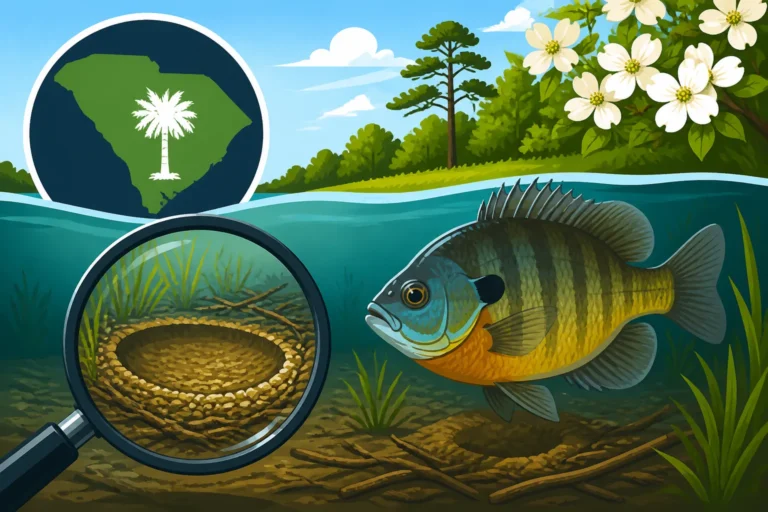
Across South Carolina, from the smallest farm pond to the sprawling waters of the Santee Cooper lakes, bluegill (often referred to as bream, sunfish, or copper noses) thrive. Their widespread distribution means that no matter where you are in the Palmetto State, a bluegill fishing opportunity is likely close at hand. This accessibility is a huge draw for families and casual anglers who don't want to travel far or invest in specialized gear.
What truly sets bluegill apart is their enthusiastic feeding behavior. Unlike some more finicky species, bluegill are opportunistic eaters, constantly on the lookout for a meal. This means they're often quick to strike at a well-presented bait, providing consistent action throughout your fishing trip. Their willingness to bite makes them an excellent target for children, keeping them engaged and building confidence in their angling skills.
Beyond their eagerness, bluegill are also communal fish, often found in schools around structures like docks, submerged logs, weed lines, or brush piles. Once you find one, you've likely found a whole group, leading to continuous catches. This schooling behavior further enhances the fun, making it possible to land multiple fish in a short amount of time, turning an ordinary afternoon into an exciting bluegill bonanza.
Perfect for Family Outings and Learning the Ropes
Bluegill fishing is synonymous with family-friendly outdoor adventures. The simple setup required—a basic rod and reel, a bobber, some line, a hook, and a bit of bait—makes it incredibly approachable. You don't need a fancy boat or expensive electronics; many of South Carolina's public ponds, lakes, and even slow-moving rivers offer fantastic bank fishing opportunities for bluegill.
For youngsters, the constant visual of a bobber dipping under the surface is pure magic, igniting a lifelong passion for fishing. It teaches patience, observation, and the thrill of the catch in a low-pressure environment. Plus, bluegill are generally easy to handle, and their small size makes them manageable for little hands to hold and release (or keep for a delicious fish fry!). Our guide on Kid-Friendly Bluegill Fishing Techniques has more tips for fishing with children.
Even for adults, bluegill fishing serves as a wonderful way to unwind and reconnect with nature. It’s a chance to simplify your approach, enjoy the peaceful surroundings, and focus on the fundamental joy of fishing. It’s also an excellent way to practice casting accuracy and develop a feel for subtle bites, skills that transfer to targeting larger, more elusive species down the line. Many seasoned anglers will attest that a day spent catching bluegill on ultra-light tackle can be just as exhilarating as battling a trophy bass.
The Classic, Can't-Miss Baits for Bluegill
When it comes to bluegill, sometimes the old-school methods are truly the best. These classic baits have stood the test of time for a reason: they consistently entice bluegill to bite, providing reliable action for anglers of all skill levels. If you're looking for surefire success, start with these tried-and-true options.
Live Bait Wonders: Worms and Crickets
For bluegill, nothing quite beats the natural appeal of live bait. The movement, scent, and texture are simply irresistible to these opportunistic eaters. Worms and crickets are the two titans of the bluegill bait world, and every angler should have them in their arsenal.
Worms: The undisputed champion of bluegill baits is the humble worm. Red wigglers are particularly effective due to their lively wiggling action on the hook and the natural scent they release. You can often find them at local bait shops, garden centers, or even in your own compost pile. Nightcrawlers also work well, though they can be quite large for a bluegill's small mouth, so pinching off a one-inch piece is usually the best approach. Thread a small piece onto a tiny hook (size 8 or 10 is ideal), leaving a bit of the worm dangling to create maximum enticing motion. A slow-sinking worm mimics the natural food bluegill scavenge from the bottom or around vegetation, making it an easy meal they can't pass up.
Crickets: In the warmer months, especially when bluegill are more active and feeding aggressively near the surface or around grass, crickets become a superstar bait. Their erratic kicking on the water's surface often triggers an immediate, aggressive strike. They can be a bit more delicate to hook than worms, but their effectiveness is undeniable. Gently thread the hook through the thorax, taking care not to kill the cricket, as a lively, chirping cricket provides far more appeal. You can find cricket cages and small cricket boxes on Amazon to keep them healthy and active throughout your fishing trip. Crickets are particularly effective for active bluegill in clear water, where their surface commotion can draw fish from a distance.
Prepared Baits: Bread, Corn, and More
While live baits often reign supreme, there are plenty of effective prepared baits that can also fill your cooler with bluegill. These options are often cheaper, easier to store, and less "squeamish" for those who aren't keen on handling live critters.
Bread: Yes, plain old bread can be a bluegill magnet! It's incredibly cheap, readily available, and surprisingly effective. The key is to make small, compact balls that stay on the hook. Take a small piece of white bread, remove the crust, and roll it tightly into a pea-sized ball around your hook. It will soften and slowly dissolve in the water, releasing tiny particles that attract bluegill. Bread works best in calmer waters where it won't wash away too quickly. It’s particularly good for targeting bluegill that are feeding visually or have become accustomed to human activity, like around picnic areas or public docks.
Canned Corn: Another household staple that bluegill love is canned corn. The bright yellow kernels are visually attractive, and their subtle sweetness can draw in curious fish. Use a single kernel, hooking it through the broader end so it stays securely on your small hook. Corn is a fantastic bait for still-fishing under a bobber and is surprisingly durable in the water. It’s also a clean, easy-to-handle option, making it a great choice for kids who might not want to touch worms or crickets. Just make sure it's plain canned corn, not creamed or flavored varieties.
Commercial Dough Baits and Pellets: For those who want convenience, there's a wide array of commercial dough baits and pellets specifically designed for panfish. Brands like Berkley PowerBait often have scented formulas that are highly attractive to bluegill. These usually come in small jars or tubs and are easy to mold onto a hook. Some are even designed to float, creating an enticing presentation just off the bottom. You can find a wide selection of these prepared baits, along with tackle organizers and small tackle boxes, on Amazon, making it simple to stock up before your next fishing adventure. These baits can be a lifesaver when live bait isn't available or when you simply want a mess-free alternative.
| Bait Type | Pros | Cons | Best Use |
|---|---|---|---|
| Red Wigglers | Highly active, universally appealing | Can be delicate, messy to handle | All seasons, still fishing, bottom fishing |
| Nightcrawlers | Large, good scent (use pieces) | Too large whole for bluegill mouths | All seasons, targeting larger bluegill |
| Crickets | Excellent surface commotion, lively | Fragile, harder to keep alive, seasonal | Warm months, surface fishing, near vegetation |
| Bread Balls | Cheap, readily available, clean | Dissolves quickly, less durable | Calm waters, visual feeders, urban ponds |
| Canned Corn | Clean, visually appealing, durable | Less natural action, subtle scent | Still fishing under bobber, easy for kids |
| Dough Baits | Scented, convenient, easy to use | Can be artificial, less natural action | Anytime, good alternative when live bait is scarce |
| Mealworms | Small, active, good for small bluegill | Can be pricey, sometimes less appeal | Cooler water, finicky eaters |
| Waxworms | Fatty, good for smaller panfish | Fragile, may attract smaller fish | Smaller bluegill, finicky bites |
Beyond the Basics: Advanced and Natural Bluegill Bait Options
While the classics are classics for a reason, sometimes it pays to think outside the box or embrace a more sophisticated approach. For the adventurous angler or one facing finicky fish, exploring artificial lures, flies, or even foraging for natural treats can unlock new levels of bluegill fishing success.
Insect Impersonators: Artificial Lures and Flies
For those who enjoy a more active style of fishing or want to avoid dealing with live bait altogether, tiny artificial lures and flies can be incredibly effective. They require a bit more skill in presentation but offer the reward of feeling the strike directly through your rod.
Micro Jigs: These tiny lures, often just 1/32 to 1/16 ounce, are fantastic for bluegill. They typically feature a small lead head with a skirt of feathers, marabou, or soft plastic. The key to micro jigs is a slow, subtle presentation. Cast them near cover (like lily pads, docks, or submerged timber) and let them slowly fall, twitching your rod tip occasionally to impart a jigging action. The small profile perfectly mimics aquatic insects and larvae, which are a natural food source for bluegill. Colors like chartreuse, white, black, or natural insect patterns are often the most productive. For a beginner, mastering the retrieve with these small lures can be a bit of a learning curve, but the results are often worth it.
Tiny Spinners: Classic inline spinners like those from brands such as Mepps or Panther Martin, in their smallest sizes (0 or 1), can be deadly for active bluegill. The spinning blade creates flash and vibration that attracts bluegill from a distance, mimicking a frantic minnow or insect. Cast them out and retrieve slowly and steadily, just fast enough to keep the blade spinning. These work especially well when bluegill are aggressively feeding in open water or along weed edges. They're a great option for covering a lot of water quickly and are relatively easy for new anglers to use effectively.
Flies: For the fly-fishing enthusiast, bluegill are an absolute blast on a fly rod. Dry flies (like a small popper or a foam spider) can provide exhilarating topwater action, while wet flies and nymphs (such as a G.H. Prince Nymph or a Hare's Ear Nymph) fished just below the surface can be incredibly effective when bluegill are feeding on subsurface insects. Our guide on Fly Fishing Basics for Stocked Trout covers some similar techniques that can be adapted for bluegill. The light tackle and visual aspect of fly fishing for bluegill make it a truly rewarding experience, allowing for precise presentations and a very direct connection to the fish.
Foraging for the Freshest Bluegill Treats
Sometimes, the best bait isn't found in a tackle shop or online; it's right under your nose, or more accurately, under a rock or in the garden. Bluegill are natural foragers, and baits collected directly from their environment can often outperform anything else, especially for wary fish.
Grubs and Larvae: Bluegill absolutely love grubs and insect larvae. If you have a compost pile, turn over some rotting logs, or even dig in rich garden soil, you're likely to find these protein-rich morsels. Beetles larvae, mealworms, and waxworms (which you can also purchase at bait shops or on Amazon) are prime examples. These soft-bodied treats are packed with scent and energy, making them irresistible. Hook them gently through one end, allowing them to wiggle naturally. They are particularly effective when bluegill are feeding on the bottom or around submerged wood, where these insects often fall from above.
Grasshoppers and Crickets (Wild-Caught): While store-bought crickets are great, there's something about a freshly caught grasshopper or cricket that drives bluegill wild. During summer and early fall, taking a few minutes to catch some grasshoppers in a grassy field before heading to the pond can yield incredible results. Their larger size and frantic struggles on the surface make for an exciting topwater bite. Hook them lightly through the collar or behind the head so they remain lively. This approach connects you more deeply with the natural environment and often produces some of the most aggressive strikes from larger bluegill.
Tiny Bits of Other Foods: Don't underestimate the curiosity and opportunistic nature of bluegill. Small pieces of hot dog, bits of cheese, or even tiny chunks of marshmallow can sometimes surprise you with their effectiveness. These baits might not be traditional, but their strong scent and unique texture can appeal to a bluegill's inquisitive nature. These are often last-resort baits when you've run out of everything else, but they can be surprisingly productive, especially in heavily pressured waters where fish might be used to odd offerings. Always keep the pieces very small to match a bluegill's mouth size.
Rigging Your Bait and Presenting It for Success
Having the best bait is only half the battle; knowing how to rig it properly and present it effectively is crucial for consistent success. Bluegill are often found in shallow, cover-rich environments, and a well-executed presentation can make all the difference in getting those strikes.
Simple Setups: Bobbers and Basic Rigs
For bluegill, simplicity is key. You don't need complicated knots or elaborate tackle. A straightforward setup will often outfish more complex rigs, especially for beginners and casual anglers.
Bobber Fishing: This is the quintessential bluegill rig, especially when you're targeting bluegill in South Carolina ponds. A small bobber (either a slip bobber or a fixed clip-on bobber) allows you to suspend your bait at a desired depth and provides a visual indicator of a bite. Start by setting your bobber about 1-3 feet above your hook. The ideal depth will vary depending on how deep the bluegill are holding, which often means experimenting. If you see them feeding near the surface, set it shallow. If they're around submerged structure, set it deeper. Our guide on How to Fish a Bobber for Bream goes into more detail. The beauty of a bobber rig is its simplicity: cast it out, watch the bobber, and wait for it to disappear!
Small Hooks and Light Line: Bluegill have relatively small mouths, so using a small hook is essential. Sizes 8, 10, or even 12 are generally ideal. Anything larger might make it difficult for them to get the hook into their mouth. As for line, light monofilament fishing line (4-6 lb test) is perfect. It's subtle enough not to spook the fish and strong enough to handle spirited bluegill. Using small split shot weights, pinched a few inches above the hook, will help your bait sink quickly and stay in the strike zone, especially if you're battling a bit of wind or current. For those just starting out, check out our guide on How to Catch Bluegill for Beginners for more foundational tips.
Targeting Cover: Bluegill love cover. They use it for protection from predators and as ambush points for feeding. When fishing with a bobber or a simple bottom rig, cast your bait as close as possible to structures like submerged logs, weed beds, lily pads, docks, or overhanging trees. These are prime locations where bluegill will be congregating. Pay attention to shaded areas on sunny days, as bluegill often retreat to cooler, darker spots. Remember, a careful, quiet approach is best to avoid spooking the fish in these shallow areas.
Finesse Techniques for Tricky Biters
While bluegill are generally eager, there are times when they can be a bit finicky. Cold fronts, pressured waters, or very clear conditions can make them hesitant. This is when a more finesse approach can turn a slow day around.
Subtle Presentations: Sometimes, the slightest movement is all it takes. Instead of a big, splashy cast, try a gentle lob that barely disturbs the water. When using live bait like a small worm, let it slowly drift naturally through the water column. If you're using a micro jig, a very slow, almost imperceptible retrieve with tiny twitches can be more effective than aggressive jigging. Bluegill often nip at baits before fully committing, so a light touch and patience are vital. The idea is to make the bait look as natural and effortless as possible, mimicking a wounded insect or a piece of forage drifting along.
Varying Depth: Bluegill can be found at various depths depending on water temperature, time of day, and available cover. If you're not getting bites at your initial depth setting, don't be afraid to adjust. Start shallow and gradually move deeper. If you're fishing a pond with submerged timber, for instance, you might find bluegill holding right at the top of the structure, or deep down within it. Pay attention to where the bites occur and try to replicate that depth. A slip bobber is particularly useful for this, allowing you to easily adjust the depth without retying your entire rig.
Stealth and Patience: Bluegill, especially larger ones, can be surprisingly wary, particularly in clear, shallow water. Avoid making loud noises, heavy footsteps on the bank, or casting your shadow directly over your fishing spot. Stay a little further back from the water's edge and make soft, accurate casts. Once your bait is in the water, be patient. Bluegill often take a moment to investigate before striking. Sometimes, just letting your bait sit for a few minutes will get a bite where a quick retrieve would have failed. Our article on Best Time of Day to Catch Bluegill offers more insights into their feeding patterns and how to time your efforts. Remember, a calm approach often yields the best results when the bluegill are being a bit shy.
Disclaimer
This article is for general informational purposes only and does not constitute professional advice. Laws, prices and regulations vary by location and change over time. Consult a qualified professional for guidance on your specific situation.