Can You Catch Crappie at Night?
Many anglers in South Carolina wonder if crappie fishing is solely a daytime pursuit, often packing up their gear as the sun dips below the horizon. This common misconception means missing out on some of the most productive and peaceful fishing experiences the Palmetto State has to offer. The truth is, you absolutely can catch crappie at night, and for many seasoned anglers, the hours after dark are when the real magic happens. This guide will walk you through everything you need to know to successfully target crappie under the cover of night, turning those slow daytime bites into memorable nighttime hauls.
Why Night Fishing for Crappie is So Effective in South Carolina
There's a certain tranquility to fishing at night. The heat of the day subsides, the crowds thin out, and the lake takes on a whole new personality. For crappie anglers, these factors contribute to what can be an incredibly productive outing. It's not just about the peace and quiet, though; there are several biological and behavioral reasons why crappie become more accessible after dark.
The Allure of Light: Drawing in the Baitfish and Crappie
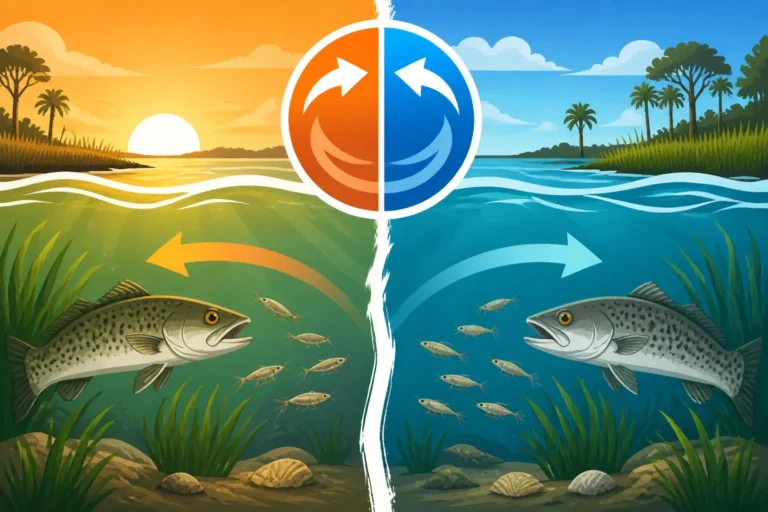
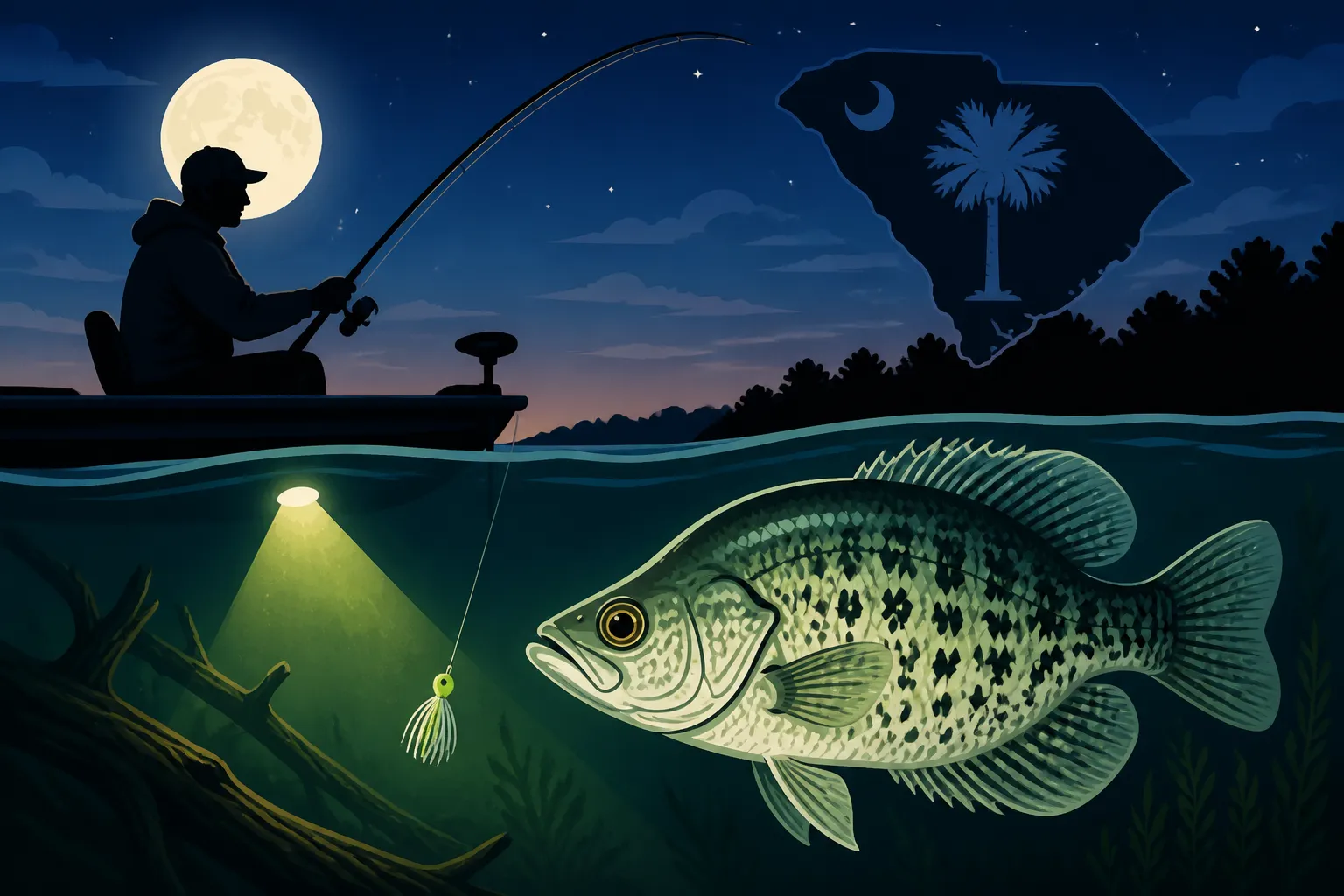
The primary reason night fishing for crappie is so effective boils down to one simple, yet powerful, tool: light. When you deploy a submersible or above-water fishing light, you're not just illuminating your immediate area; you're setting off a chain reaction in the aquatic food web. Microscopic plankton, attracted to the light, begin to gather. Soon after, small baitfish like shad and minnows, which feed on plankton, move in to feast. And where the baitfish go, the crappie inevitably follow.
Imagine a still, warm summer night on Lake Murray. You’ve deployed a bright green submersible light off the side of your boat. Within minutes, you start to see tiny specks shimmering in the illuminated water – those are the plankton. Slowly, bigger shadows begin to dart through the glow; these are the schools of baitfish, drawn in by the easy meal. It’s almost like watching a miniature underwater ecosystem come alive right before your eyes. Then, those tell-tale, subtle taps on your line signal that the crappie have arrived, ready to capitalize on the concentrated food source you’ve created. This natural aggregation makes them much easier to locate and target than during their more scattered daytime movements.
Crappie Behavior After Dark: From Skittish to Opportunistic
Crappie, also known as "speckled perch" or "papermouths," are naturally a bit skittish during daylight hours, especially in clear water. They rely on their camouflage and the cover of structure to ambush prey. However, as darkness falls, their behavior shifts. With less direct light, they become bolder, less wary of predators, and more inclined to move out from deep cover in search of a meal. The reduced visibility makes them feel safer, turning them into opportunistic hunters.
The cooler temperatures of night also play a significant role, particularly during the scorching South Carolina summers. Crappie, like many fish, are more comfortable and active in cooler water. The surface temperatures often drop significantly after sunset, making the entire water column more hospitable. What might be a frustrating daytime struggle to find a bite, with crappie holding tight to deep, dense brush piles, can transform into a nighttime bounty. They'll actively cruise the lighted areas, taking advantage of the easy buffet. This shift means less chasing and more steady action, making for a truly rewarding angling experience.
Essential Techniques and Tackle for South Carolina Night Crappie
Successfully catching crappie at night isn't just about showing up with a rod and reel. It requires a bit of planning, the right equipment, and an understanding of specific techniques that capitalize on their nocturnal behavior. Don't worry, it's not overly complicated, but a few key adjustments can make all the difference.
Lighting Up Your Fishing Zone: Different Approaches
The cornerstone of night crappie fishing is undoubtedly your lighting system. You need to effectively attract baitfish and, by extension, the crappie. There are a couple of main routes you can go, each with its own advantages.
Submersible Lights: These lights are designed to be lowered directly into the water, emitting a glow from below the surface. They are incredibly effective because they attract plankton and baitfish directly into your fishing zone without drawing as many flying insects to your boat. Green is a popular color for submersible lights, as it penetrates water well and is highly attractive to baitfish. You might find several great options on Amazon, ranging from compact, battery-powered units to more robust 12-volt models that plug into your boat's power. The depth at which you suspend your light can be crucial; often, just a few feet below the surface is enough to start the food chain, but sometimes going deeper, near the thermocline, can be more effective, especially in summer.
Above-Water Lights: While less common for dedicated crappie attraction, traditional above-water lights (like powerful LEDs or even Coleman lanterns) can still be useful. They provide ambient light for you to see what you're doing on the boat, rig lines, and unhook fish. If you don't have a submersible light, a bright light shining on the water can still attract some baitfish, though less efficiently than a submerged one. The main downside is that they also attract a swarm of bugs, which can quickly become a nuisance. A good strategy is to use a bright submersible light to draw the fish and a dimmer, carefully positioned above-water light to illuminate your immediate workspace, perhaps with bug-repellent features or away from your direct line of sight.
Here's a quick comparison of common lighting options:
| Light Type | Pros | Cons | Ideal Use |
|---|---|---|---|
| Submersible LED | Highly effective for attracting fish, few bugs | Requires power source (battery/boat), can be pricey | Primary crappie attraction, especially green lights |
| Above-Water LED | Illuminates boat deck, easy setup, versatile | Attracts bugs, less effective for direct fish attraction | Ambient light for rigging/handling, secondary fish attraction |
| Old-School Lantern | Inexpensive, portable (propane/battery) | Very bug-heavy, limited light penetration | Backup light, minimal fish attraction, deck illumination |
Lures and Baits That Shine After Dark
When the lights are glowing, and the crappie are circling, what do you present them with? While crappie aren't particularly picky, some baits and lures perform better in low-light conditions.
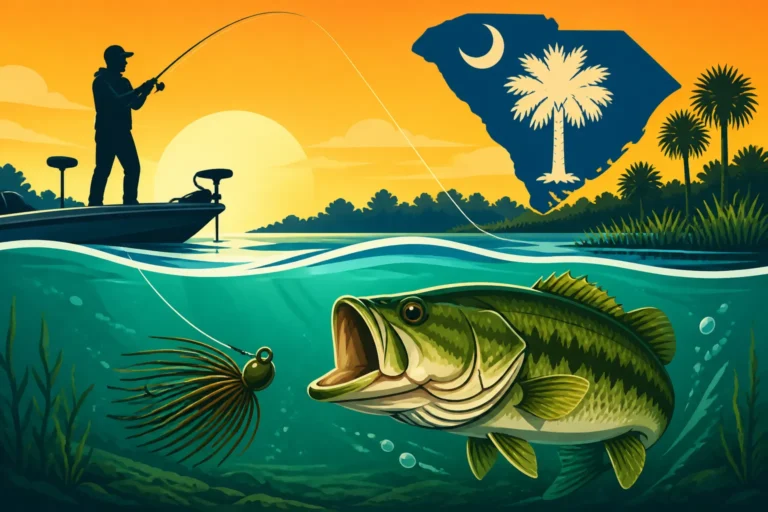
Jigs: Small jigs, typically 1/32 to 1/16 ounce, are staples for crappie fishing. At night, consider jigs with darker colors (like black, blue, or purple) that create a stronger silhouette against the illuminated background. Even better are glow-in-the-dark jigs or those with reflective Mylar strands that catch and amplify the light. You can also tip your jigs with a crappie nibble or a dab of scent to add an extra layer of attraction. The key technique with jigs under lights is often a slow, vertical presentation. Drop your jig to the desired depth, then use a subtle lift-and-drop motion, or simply hold it still. Oftentimes, the crappie will hit it on the fall or when it's perfectly suspended. It's a fantastic feeling to feel that subtle "tick" on your line in the dark when you know you've dialed in the right depth and color.
Live Minnows: You really can't go wrong with live minnows, especially at night. They are the perennial favorite of crappie for a reason – they're natural prey. Under a fishing light, a lively minnow struggling on a hook becomes an irresistible target. Rig them on a small hook (size 4 or 6) either through the lips or just under the dorsal fin, paired with a small split shot and a bobber, or simply tight-lined. The bobber rig is particularly effective at night because you can use a lighted bobber, making it easy to see the slightest bite. Watching that tiny red or green glow dip below the surface in the quiet of the night is an adrenaline rush every time. You can often buy live minnows at local bait shops across South Carolina, and sometimes find good deals on bulk fishing supplies on Amazon for other tackle needs.
Rigging for Success: Rods, Reels, and Line Choices
Your tackle setup for night crappie doesn't need to be radically different from your daytime setup, but a few considerations can enhance your success and comfort in the dark.
Rods and Reels: A light to medium-light action spinning rod, typically 6 to 7 feet long, is ideal. This rod provides the sensitivity needed to detect those subtle crappie bites, which can be even harder to feel in the dark. Pair it with a small spinning reel (size 1000 or 2000) spooled with light line. The lightness of the setup also helps prevent fatigue during long periods of holding the rod in anticipation.
Line Choice: Most anglers opt for a light monofilament or fluorocarbon line, generally 4 to 6-pound test. Monofilament has a bit more stretch and is easier to manage in the dark, while fluorocarbon offers greater sensitivity and is nearly invisible underwater. The choice often comes down to personal preference. For some, a hi-vis line can be helpful for detecting subtle movements near the surface, but this isn't strictly necessary as you'll primarily be watching your lighted bobber or feeling for bites. Regardless of your choice, regularly check your line for nicks and fraying, as crappie have soft mouths and light lines can break easily if compromised. You can always replenish your line supply easily from retailers like Amazon to ensure you're ready for your next trip.
Rigging Variations: For crappie under lights, a simple slip bobber rig is often the most effective. It allows you to present your bait at a precise depth, which is critical when crappie are schooling at a particular level. For those preferring to feel the bite directly, tight-lining (fishing without a bobber, letting the weight of the jig or minnow carry the line down) can also be productive, especially if you have a sensitive rod. Many anglers will set up multiple rods with different depths or bait presentations until they find what the crappie are hitting. This strategic approach to how to Jig for Crappie in Deep Water or using the right techniques for Tightlining for Crappie in Deep Water can significantly improve your catch rate.
Navigating the Night and Finding Those Hot Spots
Night fishing, while rewarding, presents its own unique set of challenges, especially when it comes to navigation and safety. Knowing where to go and how to stay safe is just as important as knowing your crappie techniques.
Prime Locations for South Carolina Night Crappie
The best night fishing spots for crappie are often the same places they congregate during the day, but with an added advantage: the ability to draw them in. Look for areas with significant submerged structure, as crappie love to hide and ambush prey.
Brush Piles and Submerged Timber: These are crappie magnets, offering cover and feeding opportunities. Many South Carolina lakes are rich with these, from the massive Santee Cooper Lakes (Lake Marion and Lake Moultrie) to Lake Hartwell and Lake Murray. If you have a fish finder, use it during the day to mark these spots with GPS coordinates, making them easy to find in the dark. Dropping a light near a known brush pile or standing timber can be incredibly effective. The light draws in the bait, and the crappie are already there, waiting in the shadows. For example, some of the Best Crappie Spots on the Santee Cooper Lakes involve precisely these kinds of submerged habitats, and they only get better at night. Similarly, those familiar with the Lake Murray Fishing Guide for South Carolina Anglers know that deep humps and timber are prime locations, and these become even more productive after dark when crappie ascend to feed.
Bridge Pilings and Docks with Lights: Man-made structures also attract crappie. Bridge pilings provide current breaks and vertical structure where crappie can hold. Docks, especially those with existing lights, are natural fish attractors. Many homeowners on lakes like Lake Greenwood or Lake Keowee leave their dock lights on, creating ready-made night fishing hotspots. Always be respectful of private property and ensure you have permission if you're fishing from or near private docks. Even public fishing piers can be fantastic night crappie spots, as their lights often do the work for you. The key is to find areas where light can draw in prey, and crappie have nearby cover to retreat to.
Safety First: Staying Secure on the Water After Dark
Fishing at night carries inherent risks, and safety should always be your top priority. Visibility is drastically reduced, and navigating familiar waters can become disorienting.
Navigation Lights: Ensure your boat's navigation lights are fully functional and turned on. This isn't just a recommendation; it's a legal requirement and crucial for avoiding collisions with other vessels, which might also be fishing or navigating in the dark. A clear, visible stern light and bow lights (red/green) are non-negotiable.
Personal Flotation Devices (PFDs): Everyone on board should have easy access to a PFD, and ideally, wear one, especially if you're moving around the boat or fishing in unfamiliar waters. The unexpected can happen, and a PFD can save a life. Consider inflatable PFDs for comfort, allowing for freedom of movement while fishing.
Communication and Emergency Gear: Always let someone know your float plan – where you're going, when you expect to return. Carry a fully charged cell phone (in a waterproof bag), a VHF radio, and emergency signaling devices like flares or a whistle. A first-aid kit is also a must-have. Even a simple mishap can be exacerbated by darkness, so being prepared for the unexpected is vital. Imagine a sudden fog rolling in on Lake Moultrie, obscuring all landmarks. Without proper navigation and communication gear, a peaceful night of fishing can quickly turn into a harrowing experience. Prior planning prevents panic.
The Patient Angler: Adjusting to Night Conditions
Night fishing often requires a different mindset than daytime angling. The pace tends to be slower, and your other senses become heightened. Patience is your best friend.
Slower Pace, More Focus: The initial setup – deploying lights, getting your baits ready – can take a little longer in the dark. Once everything is in place, embrace the slower pace. Rushing can lead to tangles, dropped gear, or missed bites. Take your time, focus on the subtle indications of a bite, and enjoy the quiet. The lack of visual distractions often allows for deeper concentration on what your line is telling you.
Using Other Senses: Since sight is limited, you'll rely more on sound and feel. Listen for the splash of baitfish, the subtle sounds of nature, and the gentle lapping of water against your boat. Feel for the faintest tap on your line; crappie bites can be incredibly light, especially at night. It's often more of a "pressure" than a distinct "thump." Learning to interpret these subtle cues takes practice, but it's incredibly rewarding when you master it. The quiet solitude enhances this sensory experience, making each detected bite even more thrilling. This is where patience really pays off.
Common Misconceptions and Troubleshooting Night Fishing
Despite its effectiveness, night crappie fishing still faces some common skepticism. Understanding why these myths persist and how to troubleshoot challenges will make you a more confident and successful nocturnal angler.
"Crappie Don't Bite at Night": Debunking the Myth
The idea that crappie don't bite after dark is perhaps the most widespread misconception. Many anglers associate fishing with daylight, and frankly, the thought of being out on the water in pitch black can be intimidating. However, as we've discussed, crappie are often more active and less wary at night, especially when a good light source is introduced. The consistent success of countless anglers targeting crappie under the moonlit skies of South Carolina directly contradicts this myth.
The key is understanding that their behavior shifts. They're not necessarily "asleep"; rather, they're using the cover of darkness to their advantage, becoming ambush predators around concentrated food sources. Think of it like a grocery store opening up in the middle of the night – they're going to take advantage of the easy access to food. So, if someone tells you crappie don't bite at night, smile, nod, and then plan your next evening trip. The proof will be in your cooler. You'll soon discover that the Best Time of Year to Catch Crappie often extends well into the night, particularly during the warmer seasons when daytime fishing can be sluggish.
When the Bite is Slow: Adjusting Your Strategy
Even with the best lights and perfect technique, there will be nights when the crappie just aren't biting aggressively. Don't get discouraged; instead, view it as an opportunity to troubleshoot and refine your approach.
Varying Depth and Presentation: Crappie often suspend at specific depths. If you're not getting bites, try adjusting your bait's depth by a foot or two at a time. They might be holding deeper than your light, or closer to the surface chasing bait. Experiment with different presentations: a slow, steady retrieve, a subtle jigging motion, or just letting the bait sit perfectly still. Sometimes, the slightest change in retrieve speed or a completely static presentation can trigger a strike.
Changing Baits and Colors: If live minnows aren't working, switch to jigs. If a particular jig color isn't productive, try another. Some nights, crappie might prefer a natural minnow profile, while others they might be drawn to the flash of a chartreuse jig. It's not uncommon to hear stories of anglers having no luck for an hour, only to switch to a different colored jig, perhaps a glow-in-the-dark model from Amazon, and suddenly find the crappie turning on.
Moving Your Location: If all else fails, consider moving to a different spot. Perhaps the current is not right, or the crappie simply aren't in that particular area. Even a short move can make a significant difference. Have a few marked brush piles or docks in mind, and if one isn't producing, try another. Remember, night fishing is often about patience, but it's also about intelligent adaptation.
The Best Times for Night Crappie Success
While you can technically fish for crappie at night year-round, certain seasons and conditions tend to be more productive in South Carolina.
Warmer Months are Prime: Late spring through early fall are generally the best times for night crappie fishing. The warmer water temperatures during the day mean crappie are often more comfortable and active during the cooler nights. This is when the baitfish are also highly active, creating abundant feeding opportunities around your lights. During cooler months, crappie might hold deeper, but the light still works to draw them up and in.
Moon Phases and Weather: Many anglers debate the impact of moon phases. Some prefer a new moon for darker nights, believing it makes their artificial lights even more effective. Others like a full moon for the ambient light it provides. The truth is, both can be productive. What's more important is stable weather conditions. A calm, clear night with minimal wind is generally ideal, as it allows your lights to penetrate the water effectively and makes for a more comfortable fishing experience. High winds or heavy rain can make night fishing challenging and less productive. Understanding the nuances of South Carolina Crappie Fishing Techniques by Season will give you an edge, but night fishing offers a consistent advantage once you master it.
Disclaimer
Fishing regulations, license requirements, and bag limits are subject to change. Always consult the official South Carolina Department of Natural Resources (SCDNR) website or their latest publications for the most up-to-date and complete information before heading out on your fishing trip. Ensure you have a valid fishing license, as outlined in our comprehensive South Carolina Fishing License Guide, and are familiar with all relevant rules for the waters you plan to fish, including specific regulations found in South Carolina's Freshwater Fishing Regulations.