How to Jig for Crappie in Deep Water
It's a familiar scenario for many South Carolina anglers: one day the crappie are biting eagerly in the brush piles just beneath the surface, and the next, they've vanished without a trace. This sudden disappearance often leaves us scratching our heads, wondering where our favorite panfish have gone. The truth is, they haven't disappeared; they've simply retreated to the deeper, more stable waters of our lakes and reservoirs, following baitfish or seeking refuge from changing conditions. This comprehensive guide will equip you with the knowledge and techniques to confidently target crappie when they're holding deep, turning those frustrating days into successful ones.
Understanding Why Crappie Go Deep
Crappie, whether black crappie or white crappie, are highly sensitive to environmental changes, particularly water temperature and light penetration. When conditions on the surface or in shallower waters become uncomfortable, they instinctively seek refuge in deeper, more stable environments. Understanding these motivations is the first step to finding them.
Water Temperature and Oxygen Levels
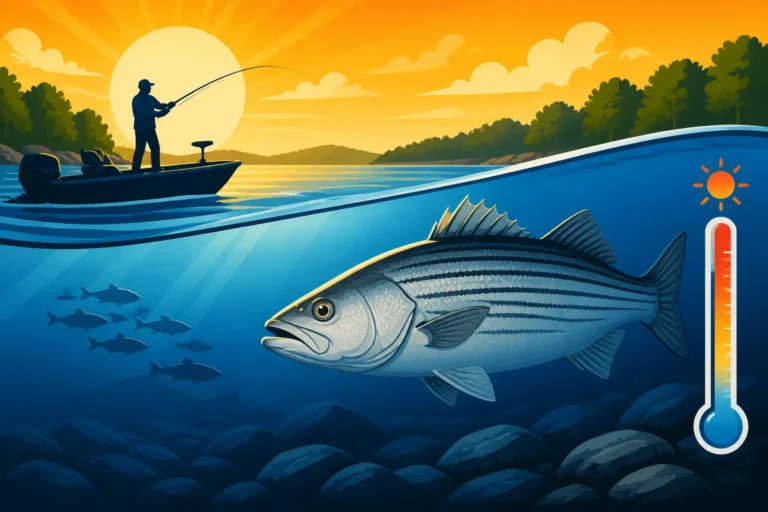
South Carolina summers can be brutal, with surface water temperatures soaring. Crappie, like most fish, have an optimal temperature range. As the sun bakes the shallows, the cooler water found at greater depths becomes much more hospitable. However, it's not just about temperature; oxygen levels play a critical role too. In very deep lakes, a thermocline can form, which is a layer of rapidly changing temperature. Below this, oxygen levels can drop significantly, creating a "dead zone" where fish can't survive. Crappie will often be found just above or within the thermocline, in that sweet spot where temperatures are comfortable, and oxygen is still plentiful.
Conversely, in winter, while the surface might be freezing, the deepest parts of a lake often maintain a more stable, slightly warmer temperature (around 39 degrees Fahrenheit or 4 degrees Celsius), which can make them a preferred haunt for crappie looking to conserve energy. This is why understanding South Carolina Crappie Fishing Techniques by Season is so crucial. They are truly masters of adaptation.
Following the Food: Baitfish Migration
Crappie are predatory fish, and their movements are largely dictated by the availability of food. When baitfish, such as threadfin shad or small minnows, move to deeper waters, the crappie are sure to follow. This migration can happen for several reasons:
- Temperature: Baitfish also seek comfortable temperatures, often moving deeper during extreme heat or cold.
- Protection: Deeper water can offer baitfish more cover from larger predators, creating dense schools that crappie find irresistible.
- Plankton Blooms: In open water, plankton blooms, which are the primary food source for many baitfish, can occur at specific depths, drawing the entire food chain with them.
Anglers often overlook this critical link. If you can locate the baitfish on your sonar, you're usually just a short cast or vertical drop away from finding the crappie.
Structure and Cover in Deep Water
Just like their shallow-water counterparts, deepwater crappie love structure and cover. It provides them with ambush points for feeding, protection from predators, and a sense of security. In deep water, this structure might look a bit different than the fallen trees in a shallow cove.
Think about:
- Submerged brush piles: Often created by anglers or naturally occurring from floods, these are crappie magnets.
- Old creek channels and riverbeds: These underwater highways offer contours and varying depths that fish utilize.
- Ledges and humps: Sudden changes in depth create current breaks and ambush points.
- Bridge pilings and docks: The deeper sections of these man-made structures provide vertical cover.
- Standing timber: In many South Carolina reservoirs, like the Santee Cooper lakes, vast forests were flooded, leaving behind an incredible amount of standing timber that crappie absolutely love. Learning How to Fish for Crappie Around Brush Piles is a skill that translates exceptionally well to these submerged features.
These deepwater havens are where crappie often hold in large schools, waiting for an unsuspecting meal to swim by. Identifying these areas with good electronics is paramount to consistent success.
Essential Gear for Deepwater Crappie Jigging
Successfully jigging for crappie in deep water requires a specific setup that maximizes sensitivity, control, and efficiency. You can't just grab your old cane pole and expect the same results. Let's talk about what you'll need to fill your cooler.
Rods, Reels, and Line Choices
Your tackle setup is your direct connection to the fish, and in deep water, where bites can be incredibly subtle, every component matters.
- Rods: Look for a light to medium-light action spinning rod, typically 6 to 7.5 feet long. The key here is a fast or extra-fast tip. This sensitive tip allows you to feel those faint taps and subtle weight changes that signify a crappie bite in deep water. A softer backbone helps keep crappie hooked, as their mouths can be delicate. Many anglers find great deals on specific models from retailers like Amazon, where you can read reviews to find a rod known for its sensitivity.
- Reels: A small, lightweight spinning reel (500 or 1000 size) is perfect. It needs a smooth drag system, as you'll often be fighting fish on light line. You don't need a heavy-duty casting reel; finesse is the name of the game.
- Line: This is where opinions can vary, but generally, lighter lines are better for deepwater crappie.
- Monofilament: Often 4-6 lb test. It's affordable, has some stretch (which can be forgiving for soft-mouthed crappie), and is easy to tie knots with. However, its stretch can reduce sensitivity in deep water.
- Fluorocarbon: Usually 4-6 lb test. It's less visible underwater and has much less stretch than mono, offering increased sensitivity. It's a great choice for a main line or as a leader for braid.
- Braided Line: 6-10 lb test is common, often paired with a fluorocarbon leader (4-6 lb). Braid has virtually no stretch, providing incredible sensitivity. You'll feel every bump, every nibble, and even the weed touching your jig. The downside is its visibility and lack of abrasion resistance directly to the hook, which is why a fluorocarbon leader of 3-5 feet is often preferred, tied with an FG knot or a double-uni.
Jigs and Baits for Deep Water
The right lure can make all the difference. When crappie are deep, they often want a more compact presentation, but with enough weight to get down to them efficiently.
- Jig Heads: The weight is crucial. For deep water (15+ feet), you'll typically be using 1/8 oz, 1/4 oz, or even 3/8 oz jig heads, depending on depth, wind, and current. Experiment with different head designs like ball heads, minnow heads, or dart heads. Color can sometimes make a difference, with chartreuse, pink, and white being common favorites, but don't be afraid to try natural colors too.
- Soft Plastics: These are the workhorses of crappie jigging. Small grubs (1-2 inches), tube baits, paddle-tail minnows, and small curly-tail worms are all excellent choices. Again, color is a personal preference and can vary by day. Chartreuse, white, black/chartreuse, and various shad patterns are popular. Stock up on extra jigs; an assortment pack from Amazon can be a lifesaver when trying to figure out what they're biting on.
- Live Bait (Optional): While we're focusing on jigging, a small minnow hooked through the lips or dorsal fin on a bare jig head or a small hook under a weighted float can be incredibly effective when crappie are finicky. However, the goal of jigging is often to cover water and trigger reaction bites.
- Crappie Rigs: For slower presentations or when fishing multiple baits, a double-jig rig (two jigs tied a foot or two apart on the same line) can be very effective for covering a wider water column. Just make sure it complies with local regulations on the number of hooks.
Electronics: Your Underwater Eyes
In deep water, you're essentially blind without good electronics. A quality fish finder is not just a luxury; it's a necessity for locating crappie and their preferred habitat.
- Sonar (2D Sonar): This is your traditional fish finder display. It shows you the bottom contour, structure, and arches that represent fish. Learn to interpret these arches to identify schools of crappie.
- Down Imaging/DownVu: This technology provides a photo-like view directly beneath your boat, making it much easier to identify submerged brush piles, standing timber, and individual fish holding tight to structure. Brands like Humminbird (MEGA Down Imaging) and Garmin (ClearVü) offer excellent options.
- Side Imaging/SideVu: This is a game-changer for finding deepwater crappie. It allows you to scan wide areas to the left and right of your boat, revealing brush piles, ledges, and schools of fish that you might otherwise drive right over. It saves an incredible amount of time by helping you locate fish quickly without having to motor directly over every piece of potential structure.
- GPS and Mapping: Once you find a productive spot, mark it with your GPS! Being able to return to the exact brush pile or ledge where you caught fish is invaluable. Good mapping software on your unit can also help you identify old creek channels, humps, and other contours before you even drop a line.
A good understanding of How to Fish Deep Structure for Bass in Summer can also provide insights into utilizing your electronics, as the principles of identifying and targeting deep cover are similar across species.
Mastering Deepwater Jigging Techniques
Getting your jig down to the crappie is only half the battle. Presenting it effectively and detecting those subtle bites are what separate successful deepwater anglers from the rest.
Vertical Jigging Directly Over Fish
This is arguably the most effective technique for deepwater crappie, especially when you've pinpointed a school or a key piece of structure with your electronics.
- Positioning: Use your trolling motor to position your boat directly over the fish or structure you've identified. The goal is to keep your jig as vertical as possible, minimizing line angle. This is critical for feeling bites and maintaining control.
- Controlled Drop: Open your bail and let your jig fall straight down. Pay attention to your line counter if your reel has one, or simply count the seconds it takes to reach the desired depth. Once you're in the strike zone, close the bail and prepare.
- The Retrieve: This is usually a series of subtle lifts and drops.
- Gentle Lift: Slowly raise your rod tip 6-12 inches.
- Controlled Fall: Let the jig fall back down on a semi-slack line. The fall is often when crappie hit, so watch your line for any twitch, jump, or unnatural slack.
- Pause: After the fall, let the jig sit motionless for a few seconds. Sometimes a crappie needs a moment to inhale the bait.
- Repeat: Continue this cadence, moving your jig up or down in the water column as needed to find the fish. If you're on a ledge, slowly move your jig up the face of the ledge or down into the deeper water.
The bites can be incredibly light – sometimes it's just a slight "tick," other times your line will simply feel "heavy," or you'll see a twitch in your line where it enters the water. When you feel anything out of the ordinary, set the hook!
Using a Double-Jig Rig for Coverage
A double-jig rig is a simple yet effective way to increase your chances of a bite and figure out what crappie are preferring on a given day. By presenting two different jigs, you effectively double your lure profile and can experiment with colors or sizes simultaneously.
- Rigging: Tie a jig to the end of your main line. Then, about 12-18 inches up the line, tie a dropper loop or use a surgeon's knot to attach a second jig. You can use two different colors or styles of jigs to see which one the crappie are hitting. Often, anglers will put a heavier jig on the bottom to help get the rig down faster and keep it vertical.
- Presentation: Fish the double-jig rig with the same vertical jigging techniques. The key advantage is that you're covering more of the water column at once. If you're getting bites consistently on one jig, you can switch both to that same successful combination.
- Benefits: Beyond offering two different presentations, it helps you quickly dial in the preferred depth. If you catch a fish on the top jig, you know they're higher in the water column; if on the bottom, they're closer to the structure or bottom. This information is invaluable.
Spider Rigging (A Deep Water Alternative)
While strictly speaking, not "jigging" in the traditional sense, spider rigging is a highly effective method for targeting deepwater crappie, especially over vast areas or when fish are scattered. It involves slow-trolling multiple rods (sometimes 6-8 or more) from the front or sides of the boat, presenting baits at different depths and distances.
- Setup: Specialized rod holders are typically mounted on the bow. Long rods (10-16 feet) are used to spread out lines, preventing tangles. Each rod has a jig or a live bait rig set to a specific depth.
- Slow Troll: Using an electric trolling motor, you slowly move over brush piles, ledges, or creek channels at speeds of 0.5 to 1.5 mph. The boat's movement gives the jigs their action.
- Advantages: This method allows you to cover a lot of water and present a variety of baits at different depths simultaneously, increasing your odds of finding active crappie. While it’s not precisely "jigging," understanding its application can enhance your overall deepwater crappie game, especially when fish are spread out rather than schooled tight. This technique is often discussed in guides like Tightlining for Crappie in Deep Water, which shares similar goals of deepwater presentation.
Tips for Success and Common Challenges
Even with the right gear and techniques, deepwater crappie fishing can throw you curveballs. Here are some extra tips and how to tackle common challenges.
Patience and Persistence
Crappie fishing, especially in deep water, is rarely a "cast and catch" affair. You'll spend a lot of time searching with your electronics, dropping jigs, and working through potential spots.
- Don't Rush It: Resist the urge to quickly retrieve your jig if you don't get a bite immediately. Slow down. Crappie in deep water can be lethargic, especially in colder months, and a slow, subtle presentation is often what they need.
- Work the Water Column: If you mark fish at 25 feet, but aren't getting bites, try presenting your jig at 20 feet, then 22, then 27. Sometimes they're holding just above or below the main school.
- Stay Focused: Deepwater bites can be incredibly light. A lapse in concentration, even for a moment, can mean a missed fish. Keep your eyes on your rod tip and your line.
Experimentation with Lures and Colors
Crappie can be incredibly finicky. What worked yesterday might not work today, and what works on one lake might not work on another, or even in a different part of the same lake.
- Jig Weight: Don't be afraid to change jig head weights. If the wind is blowing or there's a strong current, you might need a heavier jig to stay vertical. If the fish are super finicky, a lighter jig might offer a more natural, slower fall.
- Soft Plastic Size and Shape: Try different sizes (1-inch versus 2-inch) and shapes (curly tail, paddle tail, straight tail). Sometimes a subtle difference makes all the difference. For example, some days they want a lively paddle tail, and other days a more subdued tube bait.
- Color Variations: While confidence colors are great, always be prepared to experiment. If chartreuse isn't working, try white, then black/chartreuse, then a more natural shad color. Keep an assortment of options handy; it's easy to order a variety of colors and styles on Amazon to keep your tackle box well-stocked. Remember that water clarity can impact color choice. In stained water, brighter colors like chartreuse and orange tend to stand out, while in clear water, more natural patterns are often preferred. You can find more specific advice on Best Jig Colors for Crappie Fishing in a dedicated guide.
Dealing with Environmental Factors
The weather and water conditions are constantly changing, and crappie react to these shifts.
- Wind and Current: These are your biggest adversaries in deep water. Wind makes it hard to stay over your target, and current makes it hard to keep your jig vertical. Use your trolling motor to compensate. If the current is too strong, you might need to increase your jig weight.
- Cold Fronts: After a cold front pushes through, crappie often become less active and move even deeper, holding tighter to structure. Your presentation needs to slow down significantly. Instead of aggressive jigging, try a subtle twitch and long pauses. These fish are often lethargic, and triggering a bite requires patience. Understanding Fishing Techniques After a Cold Front can apply equally to crappie.
- Fishing Pressure: Heavily fished areas can make crappie more wary. In these situations, try smaller jigs, lighter line, and more natural presentations. Sometimes moving to a less pressured spot, even if it's not "the" honey hole, can yield better results.
By understanding the "why" behind their deep-water movements and equipping yourself with the right tools and techniques, you'll be well on your way to consistent crappie success, no matter the season or conditions. Whether you're targeting fish in the vast expanses of Lake Marion or the intricate creek channels of Lake Moultrie, these deepwater strategies will prove invaluable.
Crappie Jigging Gear at a Glance
For those who like to see it all laid out, here's a quick summary of the ideal gear for deepwater crappie jigging:
| Gear Type | Recommended Specifications | Key Considerations |
|---|---|---|
| Rod | 6-7.5 ft, Light to Medium-Light Action, Fast/Extra-Fast Tip | Sensitivity for subtle bites, soft backbone for hooks |
| Reel | 500-1000 size Spinning Reel | Lightweight, smooth drag, comfortable grip |
| Line | 4-6 lb Fluorocarbon (main) OR 6-10 lb Braid with 4-6 lb Fluorocarbon Leader (3-5 ft) | Sensitivity (low stretch), invisibility (fluoro), abrasion resistance (leader) |
| Jig Heads | 1/8 oz – 1/4 oz (or 3/8 oz for very deep/current) | Weight for depth, various colors/shapes to experiment |
| Soft Plastics | 1-2.5 inch Grubs, Tubes, Minnows, Curly Tails | Compact profile, wide range of colors/shapes to match conditions |
| Electronics | 2D Sonar, Down Imaging/DownVu, Side Imaging/SideVu, GPS | Locate fish, identify structure, mark productive spots |
Remember, this table provides a general guideline. Your specific conditions on the water will always be the best teacher.
Disclaimer
The information provided in this guide is for general informational purposes only and is not intended as legal or professional advice. Fishing regulations and conditions in South Carolina can change frequently. Always consult the latest rules and regulations from the South Carolina Department of Natural Resources (SCDNR) before heading out on the water. Stay safe and enjoy your time fishing!