Catfish Fishing Techniques for South Carolina Lakes in Summer
Fishing for catfish in South Carolina lakes during the brutal summer heat can feel like an impossible challenge. The scorching sun, warm water, and seemingly lethargic fish often leave anglers scratching their heads, wondering where all the whiskered giants went. But don't throw in the towel just yet! This guide is all about equipping you with proven strategies and techniques to successfully target and land those elusive summer catfish, even when the mercury is soaring.
Understanding Summer Catfish Behavior in South Carolina Lakes
Summer in South Carolina means warm water, and that dramatically changes how catfish behave. They're not going to be in the same shallow, easy-to-reach spots they were in the spring. Understanding their seasonal shifts is the first step to putting more fish in the boat and avoiding frustrating blank trips.
The Impact of Water Temperature on Catfish
As surface water temperatures climb into the 80s and even 90s in lakes like Lake Murray or the Santee Cooper system, catfish, particularly larger flatheads and blue cats, seek refuge from the heat. This isn't just about comfort; it's physiological. Warmer water holds less dissolved oxygen, and fish, like all living creatures, need oxygen to thrive. They'll actively search for cooler, more oxygenated water. This often means moving to deeper areas, congregating near thermoclines (the layer where warm surface water meets cooler deep water), or seeking out areas with current, such as river channels or outflows near dams, where oxygen levels might be higher. For instance, on Lake Moultrie, you might find them retreating into the deeper channels of the old riverbeds, far from the baking shallows. They become less active during the peak heat of the day, conserving energy.
Diurnal Movement and Feeding Patterns
During the height of summer, catfish often become more nocturnal or crepuscular, meaning they're most active at dawn, dusk, and throughout the night. This is when the water cools down slightly, and their prey also becomes more active, moving around in the reduced light. During the day, they'll typically hug the bottom in deeper, cooler water, staying mostly inactive. Imagine those massive blue cats in Lake Wateree – they're not going to be cruising the sunny banks at noon. Instead, they'll be hunkered down, waiting for conditions to improve. This shift impacts when you should be on the water and what techniques you employ. Fishing in the middle of the day can still yield results, but it usually requires different tactics that involve getting your bait directly to their deep-water sanctuaries. Many experienced anglers swear by night fishing in summer for trophy catfish.
Preferred Forage in Warmer Waters
While catfish are opportunistic feeders year-round, their summer diet can also shift subtly. With baitfish like shad and bream becoming more active in different parts of the water column, catfish will follow. They're still looking for a strong scent trail, but they might be less willing to expend a lot of energy chasing fast-moving prey. This is why cut bait, oozing with natural oils and blood, remains a perennial favorite. Smaller fish that might have been plentiful in the spring may have moved or grown, so larger chunks of bait often become more appealing to bigger cats. It's about providing an easy, high-calorie meal that they don't have to work hard for, especially when their metabolism is affected by the warm water. Focusing on baits that create a strong scent plume in the water is critical when the fish might not be actively hunting.
Essential Gear and Bait for Summer Catfishing in South Carolina
Having the right tools for the job can make all the difference, especially when you're battling the heat and sometimes uncooperative fish. Don't underestimate how much proper gear can increase your success rate and your comfort level. Skimping on tackle can lead to frustrating break-offs and lost fish.
Rods, Reels, and Line for Big Cats
When you're targeting big blue cats or flatheads in South Carolina's larger lakes, you need heavy-duty gear. Forget your ultralight setup – you'll just end up broken off and frustrated, mourning the loss of a potential trophy. For rods, look for medium-heavy to heavy power rods, typically 7 to 10 feet long, with a strong backbone. These rods need to handle heavy weights (2-8 ounces) and powerful fish that can easily spool lighter setups. Reels should be baitcasting models, often conventional or large capacity spinning reels, known for their robust drag strength and impressive line capacity. Brands like Penn, Abu Garcia, or Daiwa offer excellent options that are built to withstand the abuse of big catfish. For line, 20-50 pound test monofilament or braided line is standard. Braid is fantastic for its sensitivity and strength in smaller diameters, allowing you to feel subtle bites even in deep water or strong current. You can find a wide selection of robust rods and reels suitable for catfish angling on reputable online retailers like Amazon. Remember, a powerful fish in strong current or around submerged timber demands gear that won't fail when it matters most.
Terminal Tackle for Various Rigs
Your terminal tackle is crucial for getting your bait to the fish and keeping it there securely. Here's what you'll need to stock up on:
- Hooks: Circle hooks are king for catfish, especially when using cut bait. Sizes from 5/0 to 10/0 are common for larger species. They are designed to hook fish in the corner of the mouth, reducing gut-hooking and making releases easier if you're practicing catch-and-release, which is excellent for the health of our fisheries.
- Weights: Sinker slides or egg sinkers from 1 ounce up to 8 ounces (or more, depending on current and depth) are essential. You'll need enough weight to hold your bait firmly on the bottom, especially when fishing in rivers or strong lake currents. Without adequate weight, your bait will drift out of the strike zone.
- Swivels: Heavy-duty barrel swivels or three-way swivels are used to prevent line twist (a common frustration with heavy setups) and to connect different parts of your rig, allowing for smooth operation.
- Leaders: Use a strong monofilament or fluorocarbon leader, typically 50-100 pound test, to protect your main line from abrasive structure and sharp catfish teeth. A good leader material can be easily picked up at any local tackle shop or through online stores.
Having a well-stocked tackle box means you won't be caught off guard when you need to adjust your setup on the fly, which often happens when targeting these adaptable fish.
Best Summer Baits for South Carolina Catfish
Summer catfish are drawn to strong-smelling, oily baits that create an enticing scent trail in the warmer water. Here are some of the most effective options:
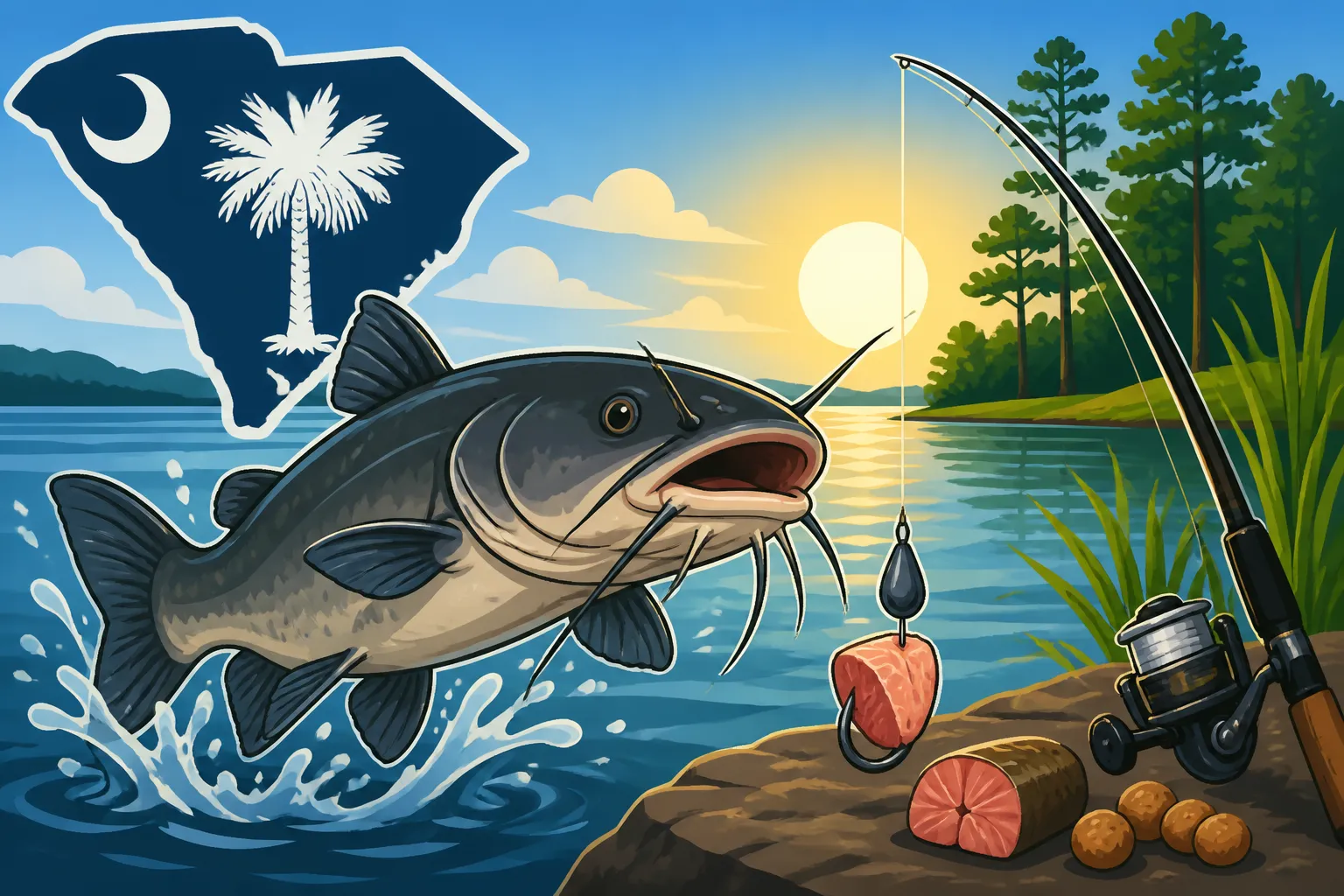
- Cut Bait: This is perhaps the most popular and consistently effective bait for blue and flathead catfish in South Carolina. Shad, bream (where legal to use as bait), mullet, or even pieces of carp work wonderfully. Fresh cut bait, especially from local species like gizzard shad, often outperforms anything else. The blood and oils create an irresistible scent trail in the water. For Lake Marion, for example, fresh-cut gizzard shad is often the top choice for trophy blue cats. You can learn more about How to Rig Cut Bait for Catfish for maximum effectiveness.
- Prepared Baits (Stink Baits): While not always as effective for monster blues and flatheads, prepared "stink baits" or punch baits are incredibly effective for channel catfish. Brands like Catfish Charlie, Sonny's, or Secret 7 come in tubs and are applied to sponges or specialized holders on your hook. These are particularly handy for bank fishing on places like Catfish Fishing Spots on Lake Murray, South Carolina when you don't have live bait readily available.
- Live Bait: For targeting flathead catfish, live bream or shad are often preferred. Flatheads are predatory and prefer live, struggling bait. Ensure your live bait is legal and appropriately sized for your target species and hook. Just remember, when using live bait, you'll want to use a hook size that allows the bait to swim naturally, increasing its appeal. You can find great bait aerators and live bait containers on Amazon to keep your offerings frisky and healthy.
Experimentation is key, but these standbys will give you an excellent starting point for any South Carolina lake. Don't be afraid to try different options until you find what the fish are keying in on that particular day.
Effective Techniques for Landing Summer Catfish in South Carolina
Once you understand where the fish are and what bait they like, it's time to put those pieces together with the right fishing techniques. Adapting your approach to the challenging summer conditions is paramount to success.
Bottom Fishing with Cut Bait
This is a classic technique for a reason and incredibly effective for summer catfish. The goal is to get your heavily scented cut bait right on the bottom, where those deep-water blues and flatheads are hunkered down, waiting for an easy meal.
- Carolina Rig: A versatile and popular choice. Thread an egg sinker onto your main line, followed by a bead (to protect your knot), then tie on a barrel swivel. To the other end of the swivel, attach a 12-36 inch leader of heavy monofilament or fluorocarbon, and finally your circle hook. The free-sliding sinker allows the fish to pick up the bait without immediately feeling the weight, leading to more confident bites. This rig is perfect for presenting cut bait on the bottom in lakes like Lake Hartwell or even slower sections of the Broad River. For a full breakdown, check out How to Bottom Fish for Catfish.
- Santee Rig: An adaptation of the Carolina rig, the Santee rig incorporates a small float or cork on the leader, just above the hook. This float lifts your bait slightly off the bottom, making it more visible and preventing it from getting buried in silt or snags, which is common in many South Carolina lakes. This can be especially effective when fish are holding just off the bottom or when fishing over soft mud. It’s a favorite for many seasoned anglers targeting Catfish Fishing Spots on Lake Moultrie, known for its soft bottoms and deep channels.
When you're bottom fishing, patience is key. Cast your bait to a promising spot, set your rod in a sturdy holder, and wait for that telltale tug or slow pull. Sometimes, waiting it out, especially at night, is the name of the game for big cats.
Jug Fishing for Catfish
Jug fishing is a traditional and highly effective method for covering large areas, especially on vast bodies of water like the Santee Cooper lakes. It's not a sit-and-wait game; it's active hunting that can be incredibly exciting.
- Setup: Each jug (often a repurposed plastic bottle, foam noodle, or purpose-built float) has a length of line attached, usually with one or more hooks and weights at the end. You'll typically use multiple jugs, spreading them out to cover different depths and areas where you suspect catfish might be present.
- Deployment and Monitoring: You deploy your baited jugs, letting them drift or anchoring them in specific spots depending on current and preference. The key is to constantly monitor your jugs from a boat. When a catfish takes the bait, the jug will start moving erratically, bobbing violently, or even disappearing completely beneath the surface. It's an exciting way to fish, often leading to a frantic chase! Always check local regulations carefully, as there are strict rules about the number of jugs, tagging requirements, and where you can use them. For specific guidance, you can refer to the detailed article on How to Jug Fish for Catfish Step by Step.
This technique is particularly useful for finding scattered fish or covering extensive flats that would be impossible with traditional rod and reel setups. You can often purchase ready-made jug lines, or components to make your own, on Amazon as well.
Night Fishing Strategies
As mentioned earlier, summer catfish are often most active after dark. The cooler temperatures and increased prey activity make night fishing incredibly productive and often more comfortable for anglers, too!
- Anchoring and Lighting: Anchor your boat securely over a promising deep hole or channel edge. Use navigation lights to comply with regulations and a good headlamp or floodlight to see what you're doing. Many anglers also use submersible lights to attract baitfish, which in turn attract catfish looking for an easy meal.
- Stealth and Scent: Catfish rely heavily on their sense of smell at night, even more so than sight. Cast your heavily scented baits quietly and let them soak. Avoid excessive noise or light pollution that might spook wary fish. Fish your prime spots through the peak nocturnal hours. You'll often find that the first few hours after sunset and the hours just before dawn are the most productive times. The article on Is Night Fishing Better for Catfish? delves deeper into this strategy, offering more insights into maximizing your nighttime catches.
Whether you're fishing from the bank of the Congaree River or anchored offshore in Lake Greenwood, targeting these fish at night offers a distinct advantage in summer.
Finding the Best Spots: Summer Catfish Locating Strategies
You can have the best gear and bait, but if you're not putting it in front of fish, you won't catch anything. Locating catfish in the vast expanse of South Carolina lakes is often the biggest challenge, especially when they're hiding from the heat.
Deep Holes and River Channels
In summer, catfish, especially the larger blue cats, retreat to the deepest parts of the lake. This includes old river channels that wind through reservoirs like Lake Marion and Lake Moultrie, deep creek beds, and prominent holes. These areas offer cooler water and often have a natural current that provides essential oxygen.
- Sonar and Mapping: Your fishfinder is your best friend here. Learn to interpret its readings to look for sudden depth changes, ledges, and drop-offs. Modern sonar units with side-imaging or down-imaging can reveal individual fish or schools of baitfish holding in these deep trenches, giving you a distinct advantage. Many digital charts and GPS units have mapping that highlights these historical riverbeds, making them easier to pinpoint.
- Current Breaks: Even in lakes, there can be subtle currents, especially near dams or where rivers feed in. Catfish will often position themselves on the "down-current" side of structure or ledges, waiting for food to be washed to them. Pay attention to how the wind or outflow might be creating these micro-currents. For great starting points, check out articles on Santee River Fishing Spots for Catfish or Congaree River Catfish Fishing Spots Near Columbia. These river systems are prime real estate for summer catfish.
Humps, Ledges, and Points
While catfish go deep, they don't always stay in the absolute deepest part of the lake. They'll often stage on humps, ledges, or points that are adjacent to deep water. These areas serve as ambush points or feeding grounds when they move up from the depths to feed during more active periods.
- Transition Zones: Look for areas where a shallow flat abruptly drops off into a deep channel. These transition zones are highways for fish moving between feeding and resting areas. A hump that tops out at 20-30 feet but is surrounded by 50-foot depths can be a prime holding spot for larger catfish.
- Structure on the Structure: Once you find a promising hump or ledge, look for additional structure on it – submerged timber, rock piles, or old roadbeds. These provide crucial cover and additional ambush points for catfish. Catfish often relate tightly to such features, using them for protection and to ambush prey. You can often find areas with dense submerged timber on lakes like Lake Hartwell that hold resident populations of big cats.
Structure and Cover in Summer
Catfish, particularly flatheads, absolutely love cover. This can be anything from submerged trees and brush piles to bridge pilings and rock formations. These spots offer shade, a sense of security, and often hold concentrations of baitfish.
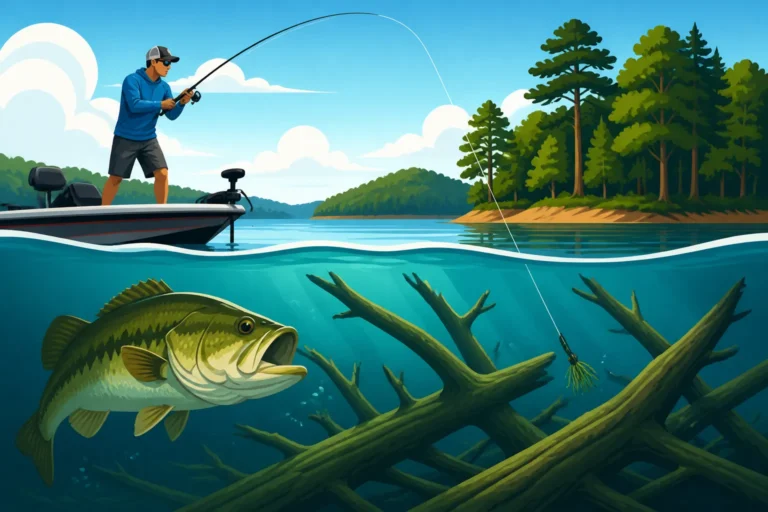
- Submerged Timber: Old flooded timber stands in reservoirs like Lake Greenwood or parts of the Santee Cooper lakes are notorious catfish havens. These areas provide shade, ambush points, and often hold baitfish seeking refuge. However, they also present a challenge for snagging, so adjust your rigs accordingly with stronger lines and weedless options if possible.
- Bridge Pilings and Riprap: Bridges spanning deep water often have pilings that extend to the bottom. These act as artificial reefs, attracting baitfish and providing prime structure for catfish. Riprap shorelines near bridges or causeways also hold heat-loving baitfish and offer easy access for bank anglers. These areas are excellent for deploying a Carolina rig or a Santee rig, as the structure provides natural current breaks. Understanding How to Anchor for Catfish in Current around these structures can also greatly improve your success.
By systematically exploring these types of locations with your sonar and rigs, you'll significantly increase your chances of finding those elusive summer catfish. Remember, what works one day might not the next, so always be willing to move and adapt your strategy!
Here's a handy table summarizing some key aspects for summer catfishing:
| Aspect | Summer Catfish Behavior | Recommended Gear & Bait | Technique Focus | Prime Locations |
|---|---|---|---|---|
| Water Temp. | Seek cooler, oxygenated water | Heavy rods, baitcasters, 20-50lb line | Bottom fishing with sliding sinkers | Deep channels, thermoclines, dam outflows |
| Activity Level | More nocturnal/crepuscular; lethargic midday | Circle hooks (5/0-10/0), heavy sinkers (1-8oz) | Night fishing, jug fishing | Adjacent to deep water, under boat docks |
| Feeding Pattern | Opportunistic, scent-driven; less chase | Fresh cut bait (shad, bream), prepared "stink baits" | Carolina & Santee rigs | Humps, ledges, points near deep water |
| Oxygen Levels | Avoid low-oxygen areas | Strong leaders (50-100lb), swivels | Drifting over deep structure, anchoring in current | River bends, submerged timber, bridge pilings |
| Cover Preference | Hide in shade/structure; flatheads prefer live | Live bream/shad (for flatheads) | Setting multiple lines, patience | Old roadbeds, rock piles, brush piles |
Disclaimer
Always remember that fishing regulations, including license requirements, bag limits, and gear restrictions, can change. Before heading out, make sure to consult the latest South Carolina Department of Natural Resources (SCDNR) guidelines to ensure you're fishing legally and responsibly.