Fall Bass Fishing Around Rocky Points on South Carolina’s Lake Hartwell
The crisp air of autumn brings a unique challenge and immense reward for anglers on Lake Hartwell. Many of us find ourselves scratching our heads as the bass patterns shift from their predictable summer haunts, wondering where these elusive fish have gone. This guide is all about tackling that exact frustration, providing you with a deep dive into successful fall bass fishing, specifically focusing on how to effectively target those productive rocky points found throughout this magnificent South Carolina reservoir.
Understanding Fall Bass Behavior on Lake Hartwell
As the scorching South Carolina summer heat gives way to cooler autumn temperatures, a profound transformation occurs beneath the surface of Lake Hartwell. This shift dramatically alters the behavior and location of largemouth and spotted bass, and understanding these changes is the first step toward a successful fall fishing season.
The Seasonal Transition and Bass Movement
When fall arrives, the entire lake begins to cool down. This isn't an overnight switch; it's a gradual process, but it signals to the baitfish – primarily threadfin and gizzard shad, and often blueback herring – that it's time to move. During the summer, these baitfish often suspend in deeper, cooler water. But as the surface temperatures drop and oxygen levels become more uniform throughout the water column, baitfish start migrating towards the shallower backs of creeks and coves. This movement is a feast-or-famine signal for the bass. They sense the impending winter and switch into a high-octane feeding mode, actively chasing these schools of bait to pack on calories. The bass will transition from their deep summer comfort zones, often related to thermoclines or deep offshore structure, and start pushing shallower, following their primary food source. This shift can be a game-changer for anglers who adjust their strategies accordingly.
This migratory behavior means that areas that were barren in mid-summer can suddenly become vibrant feeding grounds. Bass, being opportunistic predators, will follow the schools of baitfish with a relentless drive. You'll often find them congregating in areas where they can easily ambush these baitfish, such as points, humps, and channel swings. Lake Hartwell, with its extensive network of creeks and varied topography, provides countless such transition zones. For those interested in the broader picture of how bass adapt through the year, exploring a comprehensive resource like the South Carolina Bass Fishing Techniques by Season can offer even more insights into these seasonal shifts.
Why Rocky Points Become Fall Hotspots
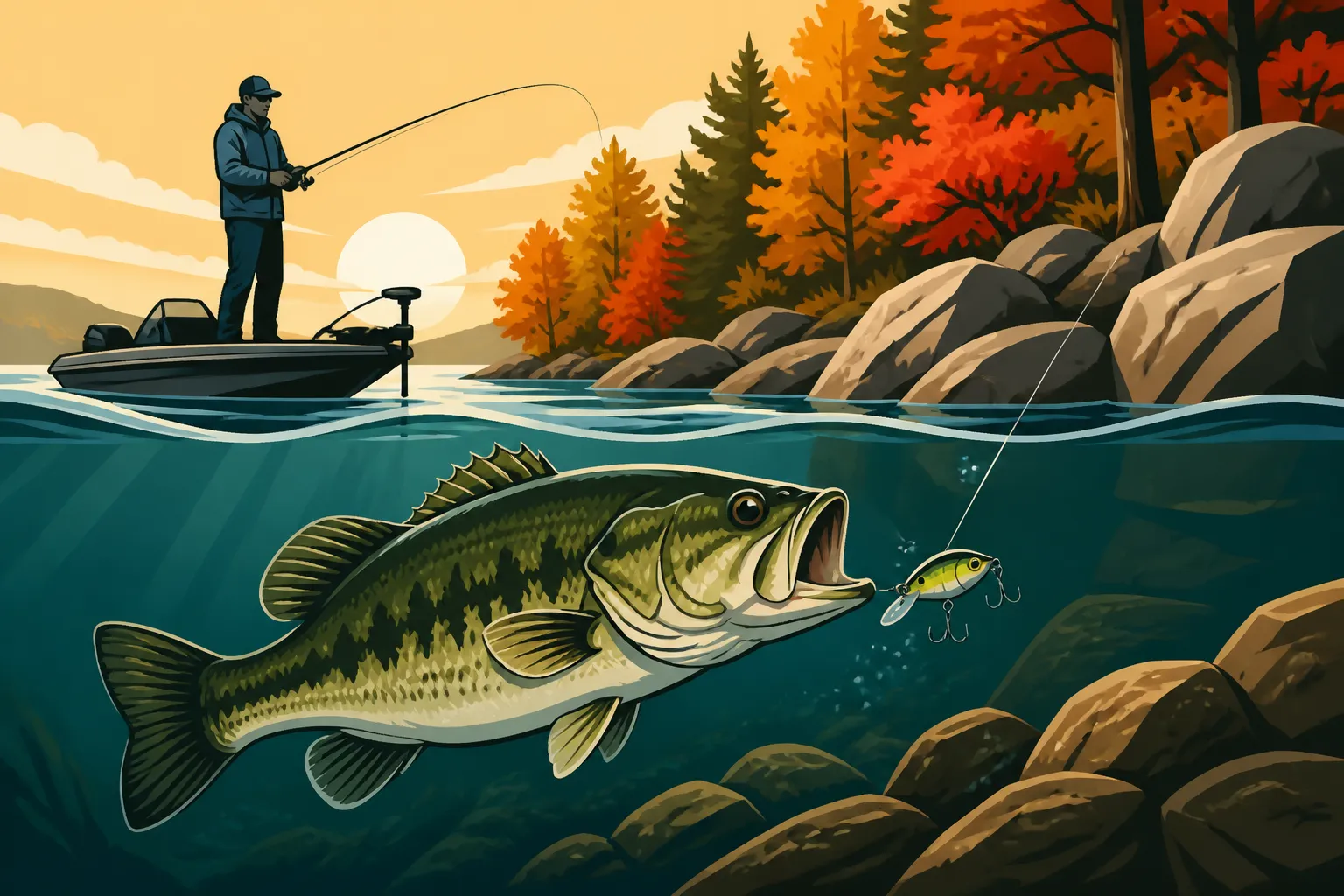
Rocky points are veritable magnets for bass during the fall transition, and Lake Hartwell is absolutely full of them. What makes these seemingly unassuming structures so incredibly productive? First, they offer crucial ambush cover. Bass are masters of surprise, and the irregular contours of rocks, from individual boulders to extensive rock piles, provide perfect hiding spots from which to dart out and ambush passing baitfish. Imagine a school of shad moving along a shoreline, unaware of the lurking predators behind a large rock. This scenario plays out countless times each day on Lake Hartwell's rocky points.
Secondly, rocky points often serve as natural congregation areas for baitfish. As baitfish move into shallower water, they frequently funnel around these points, making them prime targets for hungry bass. These points can also act as thermal buffers, absorbing and radiating heat differently than muddy or sandy bottoms, which can be particularly attractive to both baitfish and bass during cooler snaps. Furthermore, many rocky points on Lake Hartwell aren't just shallow rock piles; they often extend out into deeper water, providing bass with immediate access to safety and temperature stability should conditions change. This combination of cover, baitfish activity, and access to varying depths makes rocky points indispensable when planning your fall fishing on Lake Hartwell. When you're out on the water, pay close attention to the specific topography discussed in guides like Lake Hartwell Fishing Spots on the South Carolina-Georgia Border to pinpoint these crucial structures.
Essential Techniques for Fall Bass on Rocky Points
Successfully fishing rocky points in the fall on Lake Hartwell demands a versatile approach. Bass can be aggressive, chasing bait with gusto, or they can be surprisingly subtle, holding tight to cover. Having a range of techniques ready will significantly increase your chances of hooking up.
Crankbaits and Jerkbaits for Aggressive Bass
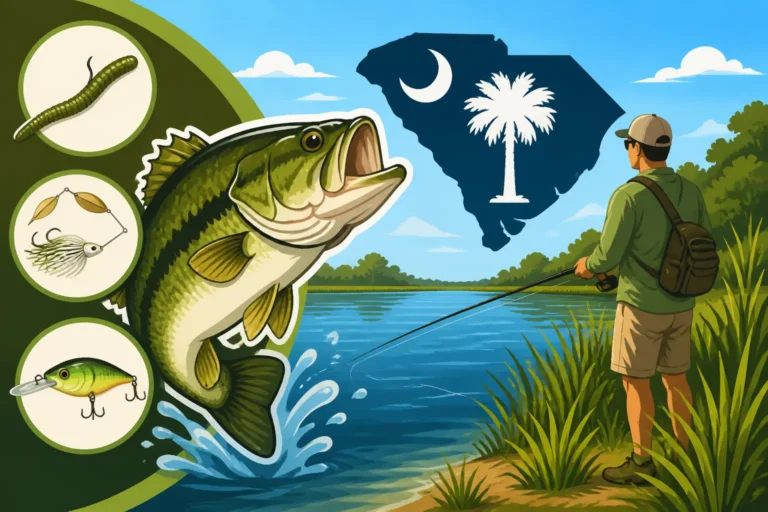
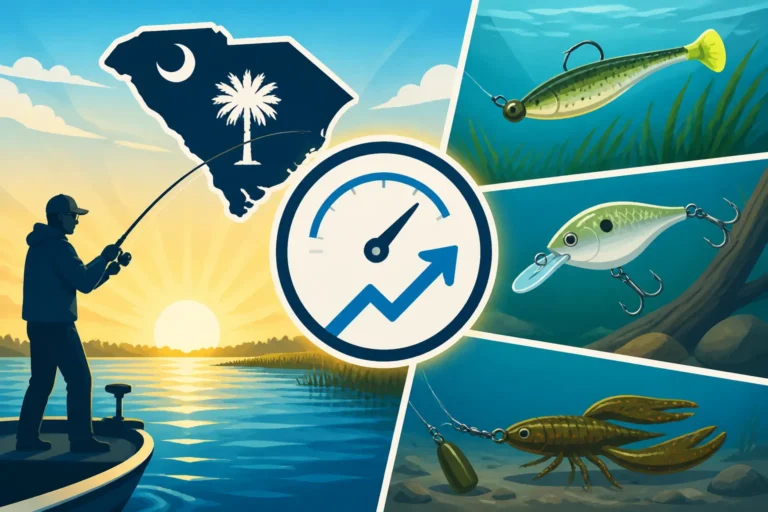
When bass are actively feeding and feeling aggressive, crankbaits and jerkbaits become your best friends around rocky points. These lures are designed to mimic fleeing baitfish and can provoke powerful reaction strikes. For crankbaits, consider square bills in shallower areas where the rocks are close to the surface. The square bill lip allows the lure to deflect off rocks without snagging easily, creating an erratic, wounded baitfish action that bass can't resist. Work these lures by casting them parallel to the point or directly into shallower sections, reeling them down until they "grind" against the rocks, then pausing momentarily before continuing your retrieve. Medium-diving crankbaits are excellent for points that drop off into slightly deeper water, allowing you to cover depths from 5 to 12 feet. Colors that mimic shad or blueback herring are typically top performers, such as chrome with a blue back, pearl white, or various shad patterns.
Jerkbaits, on the other hand, offer a different cadence. These lures are fantastic for bass that might be a little less inclined to chase a fast-moving crankbait but are still opportunistic. Cast your jerkbait to the edge of the rocky point and use a retrieve that involves a series of sharp jerks followed by pauses. The longer the pause, especially in cooler water, the more time a bass has to scrutinize the lure and decide to strike. During these pauses, the jerkbait often suspends tantalizingly in the water, mimicking a dying baitfish – an irresistible target. Again, natural baitfish colors are key. You can find a wide variety of these on Amazon, from trusted brands like Rapala and Strike King to more budget-friendly options that still get the job done. Experiment with different pause lengths; sometimes a quick twitch-twitch-pause works, while other days a long 5-10 second pause is what it takes. For deeper insights into seasonal lure selection, check out our guide on Best Bass Lures for Fall Fishing.
Jigs and Soft Plastics for Finesse Presentations
While crankbaits and jerkbaits shine when bass are aggressive, sometimes you need a more subtle approach, especially on clearer Lake Hartwell waters or after a cold front has moved through. This is where jigs and soft plastics truly excel. Football jigs, in particular, are perfectly designed for fishing rocky bottom. Their football-shaped head helps them crawl over and around rocks without getting hung up, presenting a crawfish or baitfish imitation directly into the bass's strike zone. Cast your football jig onto the point, let it sink to the bottom, and then slowly drag or hop it along the contours of the rocks. Pay close attention to any subtle changes in pressure or movement in your line – that's often a bass mouthing the lure.
Soft plastics offer unparalleled versatility. Texas-rigged worms, creature baits, or even shaky head worms can be incredibly effective when bass are hugging the rocks. The Texas rig allows you to present a worm weedless, meaning it will slide through rocky crevices with minimal snagging. Experiment with different worm sizes and colors; natural greens, browns, and dark shades often imitate crawfish or small baitfish very well. A shaky head jig, with its exposed hook, offers a slightly different presentation that can impart a subtle, quivering action to a straight-tailed worm, which can be irresistible to bass. These finesse presentations are about patience and feel. You're not trying to force a reaction strike; you're offering an easy meal. Stock up on essential soft plastics and jig heads, easily available on platforms like Amazon, so you’re ready for any situation on the water.
Topwater and Spinnerbaits for Early Morning and Low Light
Don't underestimate the power of topwater lures and spinnerbaits on rocky points, especially during those magical low-light conditions of early morning, late evening, or on cloudy days. When bass are actively chasing bait near the surface, there's nothing more exciting than a topwater strike. Poppers, walking baits (like a Zara Spook), and prop baits can all draw explosive reactions. Cast your topwater lure near the point and work it with a walk-the-dog action or a rhythmic pop, creating commotion that mimics a struggling baitfish. The key is to vary your retrieve until you find what the bass respond to.
Spinnerbaits are another excellent choice for covering water quickly around rocky points and are particularly effective when there's a slight chop on the water or some stained conditions. The flash and vibration of the blades, combined with the pulsating skirt, can attract bass from a distance. Cast your spinnerbait past the point and retrieve it at a speed that keeps the blades spinning and the lure just above the rocks, occasionally bumping into them to trigger strikes. Willow leaf blades offer a more subtle flash and good penetration in cover, while Colorado blades create more thump and are better in stained water. The combination of flash, vibration, and a realistic profile makes spinnerbaits a strong contender for actively searching bass around these productive fall structures.
Navigating and Locating Key Rocky Points on Lake Hartwell
Finding the right rocky points on a lake as vast as Hartwell can feel like searching for a needle in a haystack. However, with modern electronics and a keen understanding of bass behavior, you can significantly narrow down your search and maximize your time on the water.
Reading Lake Hartwell's Structure
Modern marine electronics are truly indispensable when trying to locate productive rocky points on Lake Hartwell. Your fish finder, especially one equipped with side imaging or down imaging, becomes your underwater eyes. Start by looking for points that extend out from the shoreline and drop off into deeper water. These are often easy to spot on your map plotter. Once you're in the vicinity, use your side imaging to scan the bottom for variations in depth and texture. Rocky areas will typically show up as harder returns on your sonar and clearer, more defined structures on side imaging, as opposed to the softer, more ambiguous returns of a muddy or sandy bottom. You're looking for clusters of rocks, sudden changes in contour, or ledges that bass can relate to.
Beyond just finding rocks, pay attention to the "transition zones." These are areas where different types of bottom meet, such as a rocky point giving way to a muddy flat or a submerged timber line. Bass often patrol these edges. Look for points that have nearby deep-water access, like a creek channel swinging close by, or points that are situated near the mouth of a major creek arm, as these are natural travel routes for baitfish and bass. When you're trying to locate the most promising structures, resources like Tugaloo River Arm Bass Fishing on Lake Hartwell can give you a head start on where to focus your search on this particular reservoir. Don't be afraid to idle around slowly, studying your electronics, before making your first cast.
Best Times and Conditions for Rocky Point Fishing
Timing and conditions play a huge role in how productive a rocky point will be. In the fall, some of the best fishing around these structures occurs during periods of stable weather, particularly after the lake has had a chance to cool down for a few weeks. Cloudy days can often be excellent, as the reduced light penetration encourages bass to stay shallower and feed more actively throughout the day. Conversely, a sharp cold front immediately after a warm spell can sometimes shut the bite down as bass become lethargic, but after a day or two, they may move to rocky points to seek out any residual warmth.
The early morning and late evening hours, or "golden hours," are almost always prime times for fall bass fishing on rocky points. This is when baitfish are most active and bass are keen to feed. However, on Lake Hartwell, if there's a consistent current or wind blowing across a point, it can concentrate bait and bass at any time of day. Pay attention to water clarity; while Hartwell is generally a clear lake, some stained water can actually improve fishing on points, providing bass with more cover for ambushing prey. Ultimately, consistent observation of water temperature, weather patterns, and how bass react to these conditions will be your best guide. Keep an eye on the South Carolina Freshwater Fishing Calendar to align your trips with seasonal peaks.
Fall Bass Lures for Rocky Points: A Quick Guide
Here's a handy breakdown of some top lure choices for fall bass fishing around rocky points on Lake Hartwell:
| Lure Type | Best Conditions | Key Retrieval Tips | Target Depth Range |
|---|---|---|---|
| Square Bill Crankbait | Shallow water, aggressive bass, active baitfish | Retrieve with deflections off rocks, quick erratic movements, occasional pauses | 0-6 feet |
| Medium Diver Crankbait | Points dropping into deeper water, covering contours | Steady retrieve with occasional pauses, bumping bottom structure | 6-12 feet |
| Jerkbait | Clear water, slightly less aggressive bass, post-front | Twitch-twitch-pause retrieve, varying pause length (2-10 seconds) | 3-10 feet |
| Football Jig | Bottom contact, slower presentations, mimicking crawfish | Drag slowly along bottom, light hops over rocks, feel for subtle bites | 5-20 feet |
| Texas Rigged Soft Plastic | Finesse presentation, heavy cover, reluctant bass | Slow drag, subtle shakes, long pauses. Use creature baits or worms. | 3-20 feet |
| Shaky Head Worm | Finesse, clear water, picky bass | Shake rod tip to impart quiver, slow drag, long pauses, precise placement | 5-15 feet |
| Walking Topwater Bait | Early morning/late evening, calm water, aggressive topwater bites | "Walk-the-dog" action, vary speed, pause after a few walks | Surface |
| Spinnerbait | Choppy water, stained conditions, covering water quickly | Medium-fast retrieve, allow blades to flash and vibrate, occasionally bump structure | 2-10 feet |
Conclusion
Fall bass fishing around the rocky points of Lake Hartwell truly offers some of the most exciting and rewarding angling experiences in South Carolina. By understanding how bass transition with the cooling water, honing your techniques with a variety of lures from aggressive crankbaits to subtle jigs, and leveraging your electronics to pinpoint those critical rocky structures, you'll be well on your way to a memorable autumn on the water. So grab your gear, pay close attention to the conditions, and get out there to experience the thrill of the fall bite!
Disclaimer
Fishing regulations, license requirements, and catch limits can change. Always consult the latest rules and guidelines from the South Carolina Department of Natural Resources (SCDNR) before heading out to fish. The information provided in this guide is for general informational purposes only and does not constitute legal or professional advice.