Fishing Techniques After a Cold Front
Oh, the dreaded cold front. We've all been there, haven't we? You've got your gear ready, the forecast looks promising, and then, seemingly out of nowhere, a cold front rolls through, dropping temperatures and often bringing clear, bluebird skies. Suddenly, your favorite fishing hole feels like a ghost town, and the fish have lockjaw. It's incredibly frustrating to put in the effort only to be met with a sudden shift in fish behavior that seems to shut everything down. But don't despair! This comprehensive guide is dedicated to equipping you with the knowledge and tactics to still find success on the water even after a cold front hits South Carolina.
Understanding Cold Fronts and Their Impact on Fishing
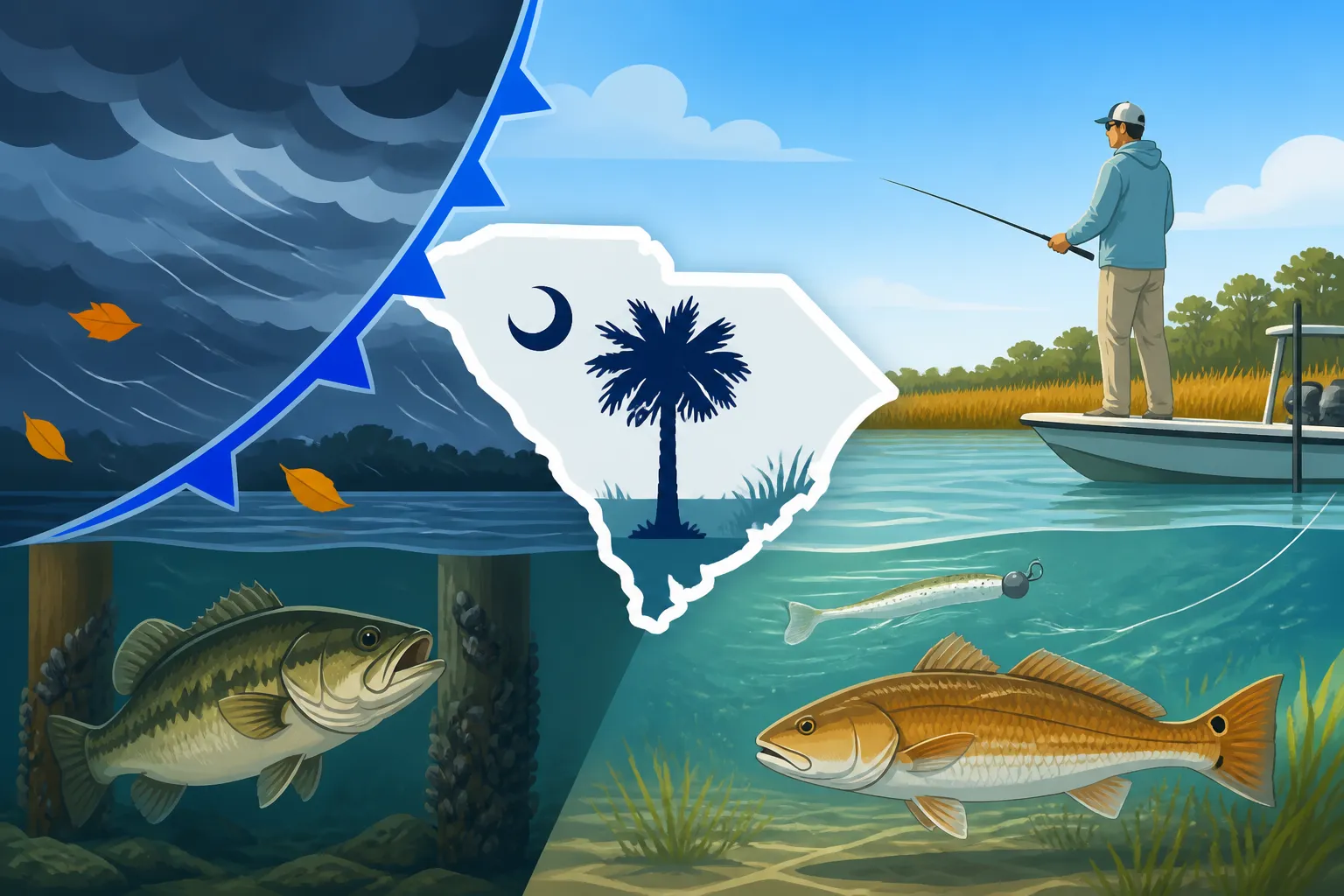
When a cold front pushes through, it’s not just the air temperature that changes. It’s a cascade of environmental shifts that completely throws a wrench into a fish’s comfortable routine. For anglers, recognizing these changes and understanding why fish react the way they do is the first step toward cracking the code and salvaging a tough day on the water.
How Cold Fronts Affect Water Temperature
The most obvious impact of a cold front is the drop in air temperature, but the true game-changer for fish is how this affects the water. When cold air settles in, especially over several days, it begins to cool the surface water. While deeper water changes temperature much slower, this surface cooling can be enough to push baitfish and, consequently, game fish deeper or into more stable thermal refuges. In shallow ponds or small lakes, the entire water column can cool rapidly, sending fish into a state of shock. Imagine jumping into a cold swimming pool – that initial jolt is what fish experience, and it makes them lethargic and less inclined to chase. This cooling effect is particularly noticeable in the fall and spring when water temperatures are already in flux, making an abrupt drop even more impactful.
Impact on Fish Metabolism and Behavior
Fish are cold-blooded creatures, meaning their body temperature, and therefore their metabolism, is directly tied to the water temperature. When a cold front drops water temperatures, their metabolism slows down significantly. This means they digest food slower, require less energy, and become far less aggressive. Instead of actively foraging, they tend to move to deeper water where temperatures are more stable and seek out dense cover or structure where they can conserve energy and feel secure. They become much pickier eaters, often ignoring fast-moving lures they would typically strike. It's not that they don't eat at all, but their feeding windows become shorter, and their preferences shift dramatically. This is why knowing how cold fronts affect fish behavior is so critical.
Recognizing the Signs of a Lingering Front
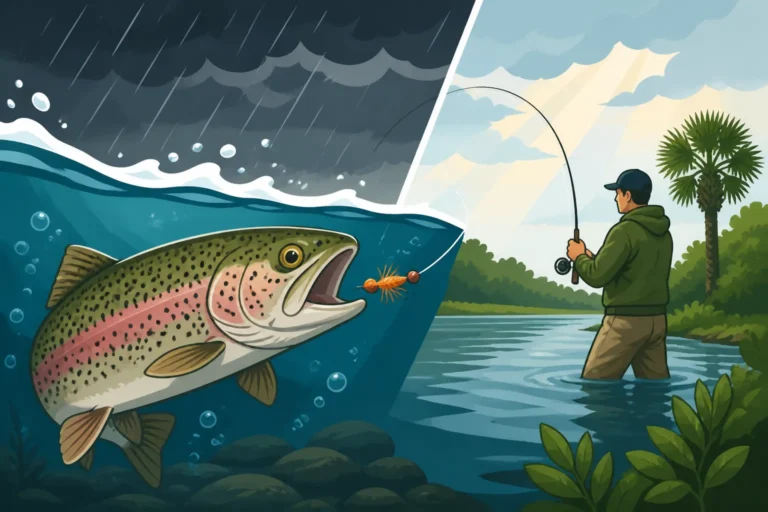
The initial day or two after a strong cold front are usually the toughest, characterized by bright, clear skies, high barometric pressure, and little wind. These "bluebird days" might seem pleasant to us, but they are often the kiss of death for an angler hoping for an easy bite. The fish are still recovering from the shock, and the bright sun can make them even more wary in shallow water. You'll often notice a significant drop in surface activity – no schooling baitfish, no bass busting on top. Over time, as the front passes and the weather stabilizes (often with clouds moving back in and pressure dropping slightly), the fishing will slowly improve. Keep an eye on weather apps and barometric pressure readings; a stable or slowly falling pressure after a few days of high pressure is often a sign that the fish are starting to normalize and might be more willing to bite.
Adjusting Your Approach: Strategy Shifts
Successfully fishing after a cold front requires a complete overhaul of your typical strategy. What worked yesterday likely won't work today. The key is to think like a fish – they're uncomfortable, cautious, and looking for an easy meal with minimal effort.
Slowing Down Your Presentation
This is arguably the most crucial adjustment. Forget your fast-moving crankbaits or speedy topwater lures for a while. Fish in post-front conditions are rarely in a chasing mood. They need a bait that's presented slowly, deliberately, and often right in front of their face. Think about it: if their metabolism is slow, they won't expend much energy. This means employing techniques like dragging jigs, slow-rolling spinnerbaits, or dead-sticking soft plastics. For bass, a Ned rig or a shaky head fished painstakingly slow on the bottom can be incredibly effective. For crappie, a tiny jig under a bobber that barely moves, or a vertical presentation, is often the ticket. The goal is to make the bait appear injured, easy to catch, and worth the minimal effort it takes for the fish to inhale it. Sometimes, waiting a full 10-15 seconds after a retrieve before moving the bait again can make all the difference.
Focusing on Deeper, More Stable Waters
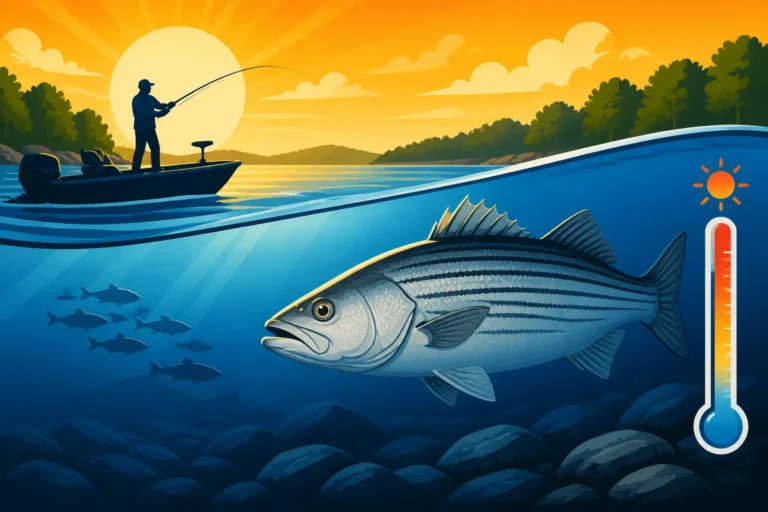
As surface water cools, fish often retreat to deeper, more thermally stable areas. These can include creek channels, deep points, ledges, or the lower reaches of the water column in open water. Even a few feet of additional depth can offer a significant temperature buffer, providing a more comfortable environment for fish. This is particularly true for species like striped bass, which will seek out thermal refuges in deeper parts of Lake Murray or Lake Hartwell. When fishing for them, you might need to try techniques like trolling deep-diving crankbaits or vertical jigging in areas you previously thought were too deep. Remember, just because it’s deeper doesn’t mean it’s barren. Invest time in exploring drop-offs, humps, and submerged timber in these deeper zones. These areas often concentrate baitfish seeking similar thermal stability, creating ambush points for predatory species.
Seeking Out Structure and Cover
Even in deeper water, fish will gravitate towards structure and cover for security and ambush opportunities. Think about submerged brush piles, rock piles, stump fields, boat docks, or even natural creek bends with deeper holes. These features provide a sense of security from predators and bright sunlight, offering a place for lethargic fish to hide and conserve energy. They might not be actively chasing, but if an easy meal drifts by their hiding spot, they’ll often strike. For instance, when fishing for crappie, targeting bridge pilings or deep brush piles with a sensitive rod and light line can yield surprising results. Similarly, redfish in coastal estuaries might tuck deep into oyster beds or mangrove roots if the shallow flats become too cold or exposed. Always remember that fish are looking for comfort and safety after a front, and structure offers both.
Targeting Key Species After a Cold Front
Each fish species reacts somewhat uniquely to a cold front, though the general principles of slowing down and going deeper often apply. Knowing these species-specific nuances can further refine your post-front game plan.
Bass Behavior After a Cold Front
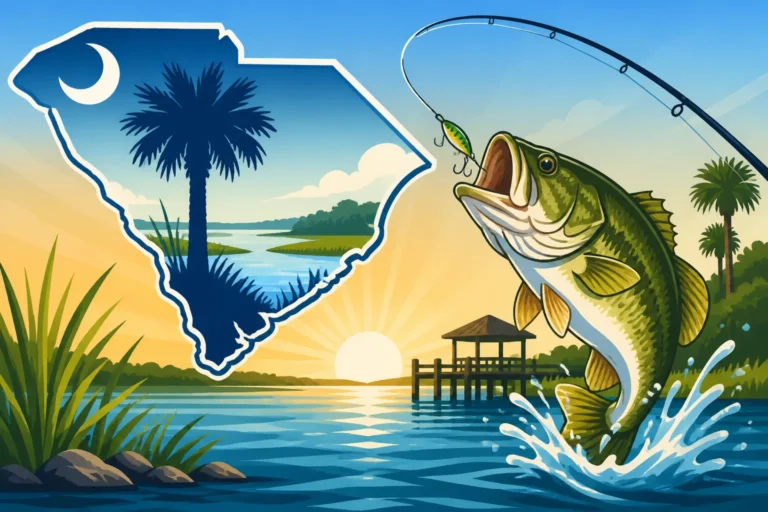
Largemouth and spotted bass can become incredibly challenging after a cold front. They'll often move off shallow flats and suspend near drop-offs, seek cover in dense submerged vegetation, or hug tight to deeper timber and rock piles. Their aggression plummets. Instead of reaction strikes, you're looking for subtle bites. This is where jigs, shaky heads, Ned rigs, and Texas-rigged worms shine. Try fishing these baits agonizingly slow, often leaving them completely still on the bottom for several seconds before making a slight twitch. Imagine a dying baitfish barely wiggling. When looking for bass, consider spots like the deeper coves on Lake Wateree or the submerged humps on Lake Murray. Smallmouth bass in cooler, rocky rivers might also hug deep current breaks.
Another effective technique can be suspending jerkbaits. Cast them out, twitch them once or twice, and then let them pause for extended periods, sometimes up to 30 seconds or more. The erratic movement followed by complete stillness can often trigger a strike from a wary bass that wouldn't commit to anything else. Think about how a dying shad might float lifelessly, then twitch feebly—that's the action you're mimicking. This technique requires patience, but it can be incredibly rewarding. On days when bass are really shut down, don't overlook natural baits like live shiners or minnows, fished under a bobber or on a bottom rig, again, with a very slow presentation.
Crappie and Panfish in Post-Front Conditions
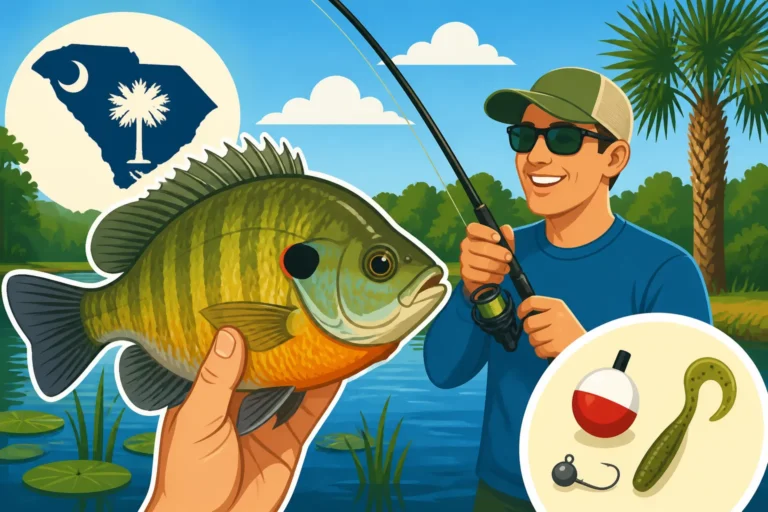
Crappie, bluegill, and other panfish are also heavily impacted by cold fronts. They often retreat to the deepest available cover, such as brush piles, sunken trees, or bridge pilings. They'll school up tightly, making them harder to locate but more rewarding once found. The key here is precision and finesse. Tiny jigs, usually 1/32 or 1/16 ounce, tipped with a small minnow or scented soft plastic, are often the go-to. Vertical jigging directly over known structure or slowly trolling these baits until you find a school are effective methods. The bite can be incredibly subtle, often feeling like just a slight tick or added weight on the line. Using a sensitive rod and light line, like 4-pound test, is crucial to detect these faint takes.
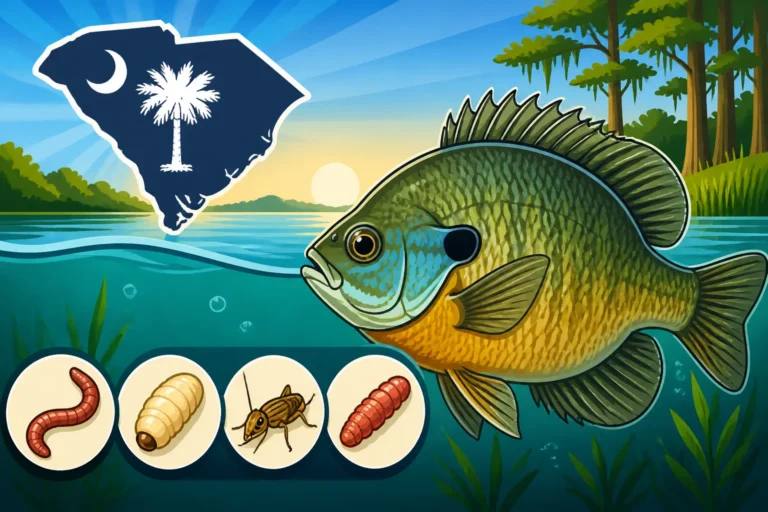
For panfish like bluegill and shellcrackers, they will also move deeper, often congregating around the base of aquatic vegetation or brush. A small worm or cricket on a tiny hook under a slip bobber, rigged so the bait suspends just above the bottom, can entice bites. Don't be afraid to try different depths until you locate where the fish are holding. Remember, patience is a virtue, and sometimes the best technique for crappie in post-front conditions is simply dropping a bait directly into their living room and letting it sit. Looking for good crappie spots? The Santee Cooper Lakes, particularly Lake Moultrie, offer excellent deep-water crappie fishing, especially when the fish stack up after a cold snap.
Saltwater Species: Redfish and Trout Adaptations
Cold fronts impact saltwater species differently depending on how drastic the temperature drop is and the specific environment. In shallow estuaries, redfish and spotted seatrout can become extremely sluggish. Redfish might move out of the super-shallow grass flats and into deeper creeks, oyster beds, or ICW channels where water temperatures are more stable. They'll often school up tightly and can be found tailing or cruising slowly in slightly deeper mud flats where the sun can warm the bottom.
For redfish, a slow-moving Gulp! shrimp or a scented soft plastic on a lightweight jig head, bounced gently along the bottom, can be effective. Live shrimp or mud minnows, fished slowly under a popping cork or on a Carolina rig, are also excellent choices. You might also want to check out this guide on South Carolina Redfish Slot Limit Rules as current regulations are always important. Spotted seatrout, being a bit more sensitive to cold, will often retreat to deeper holes in creeks, around docks, or near river mouths. They might not bite at all on the coldest, clearest days, but as conditions stabilize, slow-fished soft plastics or suspending lures can coax a strike. A general rule is to work your bait even slower than usual, giving the fish ample time to decide if it's worth the effort. Consider fishing creek mouths in Murrells Inlet or Mount Pleasant after a cold front passes.
Essential Gear and Bait for Post-Front Fishing
Having the right tools for the job is always important, but after a cold front, specific gear choices can genuinely make or break your trip. It's about maximizing sensitivity, presenting baits naturally, and being prepared for subtle bites.
Choosing the Right Lures and Baits
When the bite is tough, lure selection becomes paramount. Forget the flashy, noisy baits for a moment and focus on subtle, natural presentations. Here’s a breakdown of what often works:
- Soft Plastics: These are your best friends. Think finesse worms, shaky head worms, Ned rigs, or creature baits. Colors like natural greens, browns, and black/blue work well in clear, post-front water. Scented options like those from Berkeley Gulp! or Z-Man's ElaZtech line can provide an extra edge, enticing sluggish fish with their scent trail even if they're not actively feeding. You can find a huge variety of these on Amazon to stock your tackle box.
- Jigs: Football jigs or stand-up jigs, often with a subtle skirt and a small plastic trailer, can be deadly for bass. For crappie, tiny hair jigs or soft plastic jigs in natural colors (chartreuse, white, black) are key. Work them slowly along the bottom or through cover.
- Suspendin g Jerkbaits: As mentioned, these can be phenomenal. Look for models that suspend perfectly still in the water column when paused. Brands like Rapala or Lucky Craft offer excellent options. The key is the long pause, mimicking an injured or dying baitfish.
- Live Bait: Often, nothing beats live bait when fish are finicky. Live minnows, shiners, worms, crickets, or shrimp are incredibly effective. Present them naturally, with minimal weight if possible, allowing them to swim freely or drift slowly. For those exploring Bait Choices for Cold Weather Fishing, live bait is almost always a top recommendation.
Line Selection and Sensitivity
After a cold front, fish bites can be incredibly subtle – a slight tap, a spongy feeling, or just added weight. To detect these nuanced takes, line sensitivity is paramount.
- Fluorocarbon Line: This is often the best choice for main line or leaders in clear, cold water. Fluorocarbon is nearly invisible underwater, has very little stretch, and sinks, making it excellent for detecting light bites and maintaining contact with bottom-hugging baits. Its abrasion resistance is also a plus when fishing around structure. You can find high-quality fluorocarbon lines from brands like Seaguar or Berkley on Amazon.
- Braided Line with Fluorocarbon Leader: For anglers who prefer the casting distance and strength of braid, pairing it with a fluorocarbon leader is a fantastic compromise. The braid provides excellent sensitivity, while the fluorocarbon leader offers invisibility and stiffness near the bait. Just make sure your knots connecting the two lines are strong and reliable.
- Light Mono: For certain techniques, especially with smaller baits or if you need a little more stretch, a good quality monofilament line, typically 6-10 pound test, can still be effective, particularly for panfish. However, in very clear, cold water, its visibility might be a disadvantage.
Importance of Electronics
Fishfinders and sonar units become indispensable tools after a cold front. Since fish are likely to be deeper and tightly schooled, electronics can help you locate those elusive concentrations.
- Side Imaging/Down Imaging: These technologies are fantastic for scanning wide swaths of water or looking directly beneath your boat to find submerged timber, rock piles, or schools of baitfish and game fish that might be hugging the bottom or suspended in specific layers. You can mark these areas and then target them with precision.
- Traditional 2D Sonar: Essential for understanding depth contours, identifying drop-offs, and spotting fish arches directly under your boat. Pay close attention to temperature readings on your unit; they can guide you to areas with more stable or favorable water temperatures.
- GPS and Mapping: Use your GPS to mark successful spots, return to specific pieces of structure, or follow contour lines. Digital mapping systems can reveal hidden creek channels, ledges, and humps that might hold post-front fish. Many modern units from Humminbird, Lowrance, or Garmin combine all these features, making them incredibly powerful tools.
Reading the Water and Weather for Success
Beyond just knowing the techniques, truly mastering post-front fishing involves becoming a keen observer of your environment. The subtle cues from the water and the ever-changing weather patterns can provide invaluable insights.
Observing Barometric Pressure Changes
Barometric pressure is the unsung hero of weather and fishing. Before a cold front, pressure typically drops, often stimulating fish into an aggressive feeding frenzy. This is when the "bite is on." However, after a cold front, the pressure spikes and remains high. This high-pressure system pushes down on the water, literally making fish uncomfortable and causing their swim bladders to compress. This often sends them deeper, where the pressure is more consistent, and makes them less active.
The toughest fishing often occurs on the first day or two of high pressure with clear, sunny skies. However, as the high-pressure system begins to wane and the pressure stabilizes or slowly starts to fall again, fish tend to become more active. Look for cloudy days after a cold front, or periods of light rain, as these often coincide with a slight drop in pressure and an improved bite. Apps that show real-time barometric pressure can be extremely useful in helping you predict these subtle shifts and choose your fishing days wisely. Understanding How Cold Fronts Affect Fish Behavior really highlights the impact of pressure.
Identifying Key Feeding Windows
Even on the toughest post-front days, fish still need to eat. The trick is identifying their short, sporadic feeding windows. These windows might be incredibly brief, lasting only an hour or two, but they are your best chance for success.
- Low Light Periods: Dawn and dusk are almost always your best bet. The reduced light penetration makes fish feel more secure, and temperatures are often at their most stable points during these transition times. This is especially true for bass and trout.
- Warmest Part of the Day: In the dead of winter or early spring after a cold front, the midday sun (between 11 AM and 3 PM) can warm shallow, dark-bottomed areas or the upper water column slightly, encouraging fish to become more active for a brief period. This can be a great time to target shallow flats for redfish or sunny banks for panfish.
- Cloud Cover: As mentioned before, if clouds roll in after a period of clear, bluebird skies, it often signals a slight drop in barometric pressure and less light penetration, making fish more comfortable and willing to move and feed. This can turn a slow morning into a productive afternoon.
Leveraging Local Knowledge and Reports
Never underestimate the power of local knowledge. Fishermen who spend countless hours on a specific body of water are goldmines of information, especially when it comes to navigating challenging conditions like a cold front.
- Bait Shops: Your local bait and tackle shop owners are often the first to know what's biting, where, and on what. They hear reports from dozens of anglers daily and can offer invaluable advice on specific lures, techniques, and even recent patterns that are working after a cold front. Don't be shy about asking for tips – it's part of their job, and they usually love to share.
- Online Forums and Social Media Groups: Many local fishing communities exist online. Joining a South Carolina fishing forum or a Facebook group dedicated to a specific lake or coastal area can provide real-time reports and insights from other anglers. You might get tips on "How to Catch Bass After a Cold Front" or "Crappie Fishing Techniques for Fall" from people who were just on the water.
- Charter Captains and Guides: If you're serious about learning a specific area or technique, especially after a cold front, consider booking a trip with a local fishing guide. They live and breathe fishing, and their expertise is often worth the investment. They'll have a deep understanding of South Carolina Fishing Seasons Guide and how weather patterns affect different species.
Post-Front Fishing Strategies by Water Type
The specifics of your approach will also depend heavily on whether you're fishing freshwater lakes, rivers, or saltwater estuaries. While the core principles remain, the application differs.
Freshwater Lakes and Reservoirs
In large freshwater lakes and reservoirs across South Carolina, like Lake Marion, Lake Murray, or Lake Hartwell, cold fronts send fish to deeper, more structured environments. Bass, crappie, and even striped bass will follow baitfish into deeper channels and suspend over brush or rock piles.
- Deep Ledges and Humps: Focus on the edges of major creek channels and deep humps that rise off the main lake bed. Bass will often hold tight to the deepest cover on these features. Use a football jig or a heavy shaky head to probe these areas.
- Suspended Fish: Striped bass and sometimes crappie will suspend in the water column over deep water, especially near bait balls. Vertical jigging with heavy spoons or large soft plastics (for stripers) or tiny jigs (for crappie) is effective. Pay close attention to your fishfinder to pinpoint their exact depth.
- Slow Trolling: For crappie and suspended bass, slow trolling with multiple rods, presenting tiny jigs or minnows at different depths, can help you locate the active fish. This is a common tactic on Lake Moultrie for crappie, especially after a cold front.
Rivers and Moving Water
Rivers present a slightly different challenge and opportunity. While cold fronts still slow fish down, the constant flow means oxygen levels are generally good, and fish can find refuge in current breaks.
- Eddies and Current Breaks: Look for eddies behind large rocks, fallen trees, or bends in the river. Fish will tuck into these calmer areas to avoid the main current and conserve energy. Present slow-moving baits, like a Carolina-rigged worm or a jig, into these slack water zones.
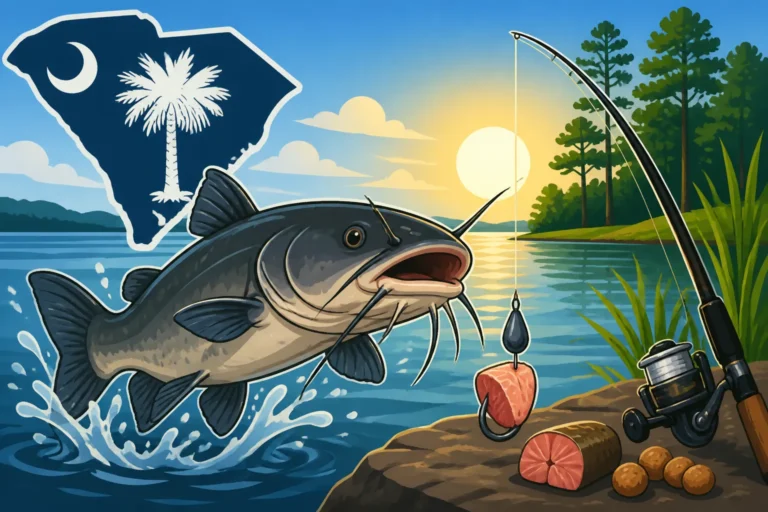
- Deep Holes and Channels: Rivers often have natural deep holes where the current scours the bottom. Catfish and even some bass will retreat to these areas after a cold front. Bottom fishing with cut bait or worms in these deep pockets can be highly effective. This is particularly true for rivers like the Congaree River near Columbia. Check out Catfish Fishing Techniques for Cold Water for more specific river tactics.
- Bridge Pilings and Dam Tailraces: Bridge pilings offer vertical structure and current breaks. Fish will often stack up against them. Dam tailraces, while sometimes cold, can concentrate baitfish and therefore game fish if the flow is consistent. Exercise caution in these powerful areas and always prioritize safety.
Coastal Estuaries and Inshore Waters
South Carolina's vast coastal estuaries, from Hilton Head to Murrells Inlet, react to cold fronts with more pronounced temperature drops in shallow areas.
- Deep Oyster Rakes and Creek Bends: Redfish and trout will move out of the super-shallow marsh grass and tuck into deeper oyster rakes or the deepest bends of tidal creeks. The dark mud bottoms in these areas can also absorb solar heat, making them slightly warmer.
- Docks and Pilings: Man-made structures like docks and bridge pilings in deeper water offer both shelter and stable temperatures. Sheepshead, redfish, and trout will often congregate here. Finesse techniques with live shrimp or fiddler crabs are often key.
- Mud Flats: On sunny days after a cold front, slowly warming mud flats can draw redfish. Look for dark-bottomed areas at low tide or the beginning of an incoming tide. Move slowly and look for tailing or cruising fish. Cast soft plastics or live bait ahead of them. When it comes to How to Catch Trout in Cooler Fall Water, these muddy areas and deep pockets become prime targets.
| Factor | Before Cold Front (Pre-Frontal) | After Cold Front (Post-Frontal) |
|---|---|---|
| Barometric Pressure | Falling or Low | High and Stable |
| Fish Activity | High, aggressive feeding, often shallow | Low, lethargic, deeper, subtle bites |
| Preferred Depth | Shallow to Mid-depths, depending on species | Deeper, seeking thermal stability |
| Lure Speed | Fast retrieves, reaction baits (crankbaits, topwaters) | Slow, deliberate retrieves, finesse baits (jigs, soft plastics) |
| Bait Type | Larger, flashy lures, active live bait | Smaller, natural-colored lures, live bait presented slowly |
| Presentation | Covering water, targeting active fish | Targeting specific structure, precise, patient delivery |
| Feeding Windows | Extended, throughout the day | Short, sporadic, often during low light or warmest part of day |
| Typical Skies | Cloudy, stormy, changing | Clear, "bluebird" skies, often calm |
This table serves as a quick reference, but remember that fishing is an art, not a science, and conditions can always vary. Adaptability is your greatest asset.
Conclusion
Navigating the waters after a cold front in South Carolina can feel like an uphill battle, but it's far from a lost cause. The key lies in understanding the environmental shifts, particularly changes in water temperature and barometric pressure, and then making precise adjustments to your approach. Slow down your retrieve, seek out deeper and more stable waters, and leverage finesse techniques with natural baits or subtle lures. Whether you're chasing bass in a sprawling reservoir, crappie in a brush-filled lake, or redfish in a coastal marsh, the principles of patience, precision, and observation will be your greatest allies. Don't let a sudden temperature drop send you home; instead, embrace the challenge, apply these techniques, and you might just find some of the most rewarding and hard-earned catches of the season.
Disclaimer
Fishing inherently involves risks. Always prioritize your safety on the water and adhere to all local, state, and federal regulations. Consult the South Carolina Department of Natural Resources (SCDNR) for the most current fishing licenses, seasons, bag limits, and other rules before heading out. The information provided in this guide is for informational purposes only and should not be considered professional advice.