Off-the-Beaten-Path Fishing Spots in South Carolina
There’s nothing quite like the feeling of having a fishing spot all to yourself, where the only sounds are the gentle lapping of water and the distant calls of wildlife. Too often, we find ourselves elbow-to-elbow with other anglers at popular boat ramps and well-known honey holes, leaving us craving a true escape. This guide is all about helping you discover those quiet, out-of-the-way fishing spots in South Carolina that offer not just great fishing, but also a much-needed dose of solitude and connection with nature.
Why Seek Out Off-the-Beaten-Path Spots?
For many of us, fishing isn't just about catching fish; it's about the experience. It's about finding peace, enjoying the scenery, and challenging ourselves in new environments. Opting for less-traveled spots dramatically enhances these aspects, offering a richer, more personal adventure.
Escaping the Crowds
Let's be honest, nothing kills the zen of a fishing trip faster than a crowded boat ramp or a bank lined with fellow anglers. Popular spots like Lake Murray's main channels or Charleston's bustling jetties are fantastic, but sometimes you just want to get away from it all. Seeking out hidden coves for uncrowded fishing allows you to enjoy the tranquility that fishing is supposed to provide, free from the noise of multiple boats, jet skis, and constant chatter. It's about finding that secluded bend in a river or a forgotten pond where you can truly immerse yourself in the moment.
Imagine this: you've planned a weekend getaway, packed your gear, and arrived at your favorite public boat ramp, only to find a line of trailers stretching down the road. The thought of jostling for position on the water or competing for the best casting lanes can be incredibly frustrating. By consciously seeking out less-crowded fishing spots away from the crowds, you bypass these frustrations entirely. You might have to put in a bit more effort to reach these locations, but the payoff in peace and quiet, coupled with potentially undisturbed fish, is immeasurable. It transforms a potentially stressful outing into a genuinely relaxing retreat.
Discovering Unique Fishing Opportunities
Well-known fishing spots are often productive for a reason, but they can also be heavily pressured. Fish in these areas become warier, more accustomed to lures and boat traffic. Off-the-beaten-path spots, however, often hold fish that haven't seen every crankbait in the tackle shop. This can lead to some truly exciting and challenging fishing, as you adapt your techniques to less predictable, more natural environments. You might stumble upon a honey hole that no one else knows about, or encounter a species that thrives away from the usual fishing pressure.
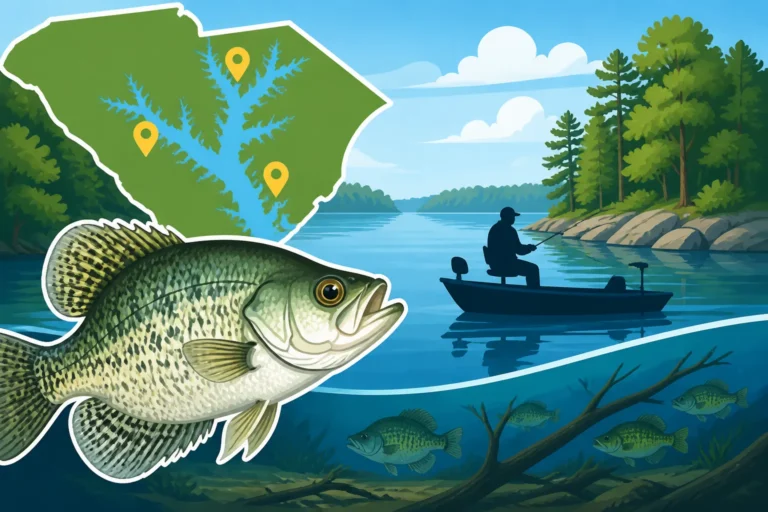
For example, while many anglers flock to the Santee Cooper Lakes for monster catfish and bass, a hidden oxbow lake off a less-traveled tributary might hold a population of exceptionally large panfish or even a forgotten school of crappie that haven't been targeted in years. These unique opportunities aren't just about the size or quantity of fish; they're about the thrill of discovery. It's like finding a secret treasure chest that only you know about. You're not just fishing; you're exploring, and that's a whole different kind of adventure.
Connecting with Nature
Beyond the fishing itself, these secluded spots offer an unparalleled chance to connect with South Carolina's natural beauty. Far from the typical hustle and bustle, you'll witness wildlife in its purest form – otters playing in the current, bald eagles soaring overhead, or deer drinking from the quiet banks. It’s an immersive experience that goes beyond just the act of casting a line. You become a part of the ecosystem, observing and appreciating the environment around you.
The sensory experience of fishing in a remote location is vastly different. The air feels fresher, the sounds are natural, and the views are often untouched by human development. It's here that you can truly appreciate the serene beauty of the Lowcountry marshes or the rugged tranquility of an Upstate mountain stream. This deeper connection often leaves you feeling recharged and revitalized, making the effort to find these spots well worth it. It’s a chance to truly decompress and remember why you fell in love with fishing in the first place.
Hidden Freshwater Gems
South Carolina's freshwater landscape is vast and varied, from large reservoirs to winding rivers and countless small creeks. While the big lakes get all the attention, there are countless hidden gems waiting to be explored. Remember to consult the South Carolina's Freshwater Fishing Regulations before you head out, as rules can vary by water body.
Lesser-Known Lakes and Ponds
Beyond the giants like Lake Murray and Lake Hartwell, South Carolina boasts numerous smaller lakes and farm ponds that often fly under the radar. These bodies of water, while perhaps not offering record-breaking catches every time, provide consistent action and the peace that larger lakes often lack. Many of these are community ponds, state park lakes, or even privately owned ponds where permission can sometimes be obtained.
For instance, instead of the main sprawling waters of Lake Keowee, explore some of the remote coves on Lake Keowee for fishing. These smaller, often harder-to-reach areas tend to have less boat traffic and can hold surprising numbers of bass, crappie, and bream. Lakes like Lake Greenwood, while popular, still have plenty of quiet coves and feeder creeks if you know where to look. Always check local access points – sometimes a simple public boat ramp or a designated bank fishing area at a county park can lead to a surprisingly productive and peaceful experience. Just make sure you understand the Fishing License Requirements in South Carolina before you cast a line.
A perfect example is exploring the small, unnamed ponds tucked away in state forests or wildlife management areas. These might require a bit of hiking to reach, but the reward is often a pristine pond teeming with active panfish or even some respectable largemouth bass. These aren't usually stocked, so the fish populations are entirely self-sustaining and often less wary. Finding these spots takes a bit of local knowledge or keen map-reading skills, but it's where you truly feel like an explorer.
Secluded River Sections
South Carolina's rivers are veins of life flowing through the state, offering fantastic fishing opportunities, many of which remain relatively untouched. While popular sections of the Congaree River fishing spots near Columbia, South Carolina, or the Edisto River fishing spots in South Carolina might see moderate traffic, vast stretches of these rivers, and their smaller tributaries, remain pristine and underfished.
Consider a kayaking or canoe trip down a less-accessible section of the Broad River. Wading in below the shoals on the Broad River can yield incredible smallmouth bass action, especially in the upstream stretches where larger boats can't easily navigate. These areas require a more adventurous spirit, perhaps a small jon boat or a kayak, but they offer unparalleled solitude and a chance to target fish in their natural, undisturbed habitats. The slower-moving backwaters and deep bends can hold robust populations of catfish, bream, and even striped bass during certain migrations.
Exploring the less-trodden stretches of rivers also provides a unique challenge. You might need to learn how to read the currents differently, identify subtle underwater structures, or adapt your presentation to account for clearer water and warier fish. It’s a rewarding experience that deepens your understanding of riverine ecosystems and hones your angling skills. Before you head out, make sure to review the South Carolina Fishing Bag Limits Explained for any species you might encounter.
Backcountry Creek Fishing
For those who truly want to get away from it all, backcountry creek fishing spots in South Carolina offer an intimate and rewarding experience. These smaller, often wadeable streams, particularly in the Upstate region's foothills and mountains, are home to native brook trout and feisty panfish. These are not spots where you'll find large crowds or even many other anglers; you'll often have the entire creek to yourself.
Accessing these creeks often involves some hiking through forests, crossing rough terrain, and navigating thick vegetation. It's a true wilderness experience, requiring lightweight gear, a keen eye for reading water, and a willingness to explore. Fly fishing is particularly effective in these tight, clear waters, allowing for delicate presentations to wary trout. But even a light spinning rod with small spinners or live bait can be incredibly effective.
These smaller creeks are incredibly sensitive ecosystems, so practicing catch-and-release, especially for native species like brook trout, is highly recommended to preserve their populations. It's not about the size of the fish here; it's about the adventure, the beauty of the surroundings, and the satisfaction of finding a wild, untouched fishing haven. Check the best river fishing spots in the South Carolina Upstate for some ideas on where to start your exploration.
Undiscovered Coastal Treasures
South Carolina's coastline is renowned for its vibrant saltwater fishing, but beyond the bustling ports and crowded fishing piers, there are quiet havens where you can find excellent inshore and nearshore action without the usual crowds. Always keep an eye on the Saltwater Fishing Rules in South Carolina, as coastal regulations can change.
Remote Marsh Creeks and Estuaries
While popular Lowcountry estuaries like those around Mount Pleasant or Murrells Inlet see heavy fishing pressure, the vast network of saltwater marsh creeks and lesser-known estuaries along the South Carolina coast hold untold opportunities. These winding, intricate waterways are perfect for targeting redfish, spotted seatrout, and flounder, especially if you have a kayak, paddleboard, or a shallow-draft boat.
Look for areas that are difficult to access by larger boats, perhaps requiring a longer paddle or navigating through very narrow passages. These remote zones often hold fish that are less accustomed to boat traffic and artificial presentations. An incoming tide can push baitfish, and hungry predators, deep into these creeks, creating fantastic sight-fishing opportunities. Areas around the ACE Basin National Estuarine Research Reserve, for instance, have countless miles of marsh creeks that remain relatively undeveloped and offer incredible, secluded fishing.
It's about knowing when and where to go. Learning to read the tides is crucial in these environments, as fish movements are highly dictated by the ebb and flow of the water. Booking a trip with a local guide, especially through services like FishingBooker, can be an excellent way to discover these local secrets without spending years on reconnaissance. They know the subtle nuances of the tides and the precise locations where fish hold in these less-frequented areas.
Quiet Beach and Jetty Access Points
Forget the main public beaches packed with umbrellas and swimmers; South Carolina has miles of undeveloped coastline and less-trafficked jetty systems that offer prime surf and jetty fishing opportunities. These might require a bit of a hike or a 4×4 vehicle to access, but the reward is a peaceful stretch of sand or rocks where you can cast lines for pompano, whiting, redfish, and even sharks, without interruption.
Consider lesser-known state parks or national wildlife refuges that offer beach access. Sometimes, parking might be a bit further from the water, or you might need to walk a bit, but that's precisely what keeps the crowds away. The jetties at the mouth of smaller inlets, or those protecting less-popular harbors, can be absolute goldmines for sheepshead, flounder, and various drum species. These spots often require careful observation of currents and structure, but they offer a different kind of solitude compared to the open water of a boat.
For example, beyond the popular Myrtle Beach surf fishing spots, you might find quieter stretches of beach on barrier islands that are only accessible by ferry or a substantial hike. These areas can provide incredible surf fishing with minimal human presence, allowing you to enjoy the vastness of the ocean. Just remember to pack light and be prepared for a longer trek with your gear.
Less-Traveled Barrier Islands
South Carolina’s coast is dotted with numerous barrier islands, many of which are protected or have limited public access. While some, like Hilton Head or Isle of Palms, are bustling tourist destinations, others remain wild and relatively untouched. These islands, often reachable only by private boat or a small charter, are a haven for anglers seeking true solitude and pristine fishing grounds.
Islands like Capers Island, Bulls Island, or some of the smaller, unnamed hammocks in the Lowcountry offer unspoiled beaches, vast marsh systems, and untouched inlets. Here, you can experience sight-fishing for redfish in crystal-clear shallows, cast for trout in serene grass flats, or even find exciting surf fishing along deserted shorelines. The lack of development means less boat traffic, cleaner water, and fish that are often less pressured and more willing to bite.
Planning a trip to one of these islands requires more logistical effort – think about tides, weather, and packing all your essentials, as there are no stores once you arrive. However, the experience of being truly immersed in a wild coastal environment, with abundant wildlife and phenomenal fishing, is an unforgettable adventure that few commercial spots can match. Some smaller, local charter services, often found through resources like FishingBooker, specialize in taking anglers to these truly remote destinations.
Planning Your Secluded Fishing Adventure
Venturing into less-traveled territories requires a bit more preparation than simply showing up at a popular spot. But with the right planning, your off-the-beaten-path fishing trip can be incredibly rewarding.
Research and Reconnaissance
The key to finding these hidden gems is thorough research. Start by poring over detailed maps – topographic maps for freshwater, and NOAA charts for coastal areas can reveal subtle features like forgotten roads, hidden coves, or less-obvious creek mouths. Online satellite imagery (like Google Maps) is your best friend here, allowing you to visually scout potential access points, shallow areas, or promising structures that might hold fish. Look for undeveloped shorelines, small tributaries, or areas with limited road access.
Beyond maps, local knowledge is invaluable. Talk to tackle shop owners in small towns, ask fellow anglers (who you trust!) about lesser-known spots, or join online forums dedicated to South Carolina fishing. Sometimes, a casual conversation can unlock a world of possibilities. However, be prepared for some secrecy; experienced anglers often guard their best "secret spots." Cross-referencing information and being willing to explore on your own are crucial. You might also want to look into South Carolina Fishing Seasons Guide to understand optimal times for different species in these diverse locations.
Before heading out, always check local regulations. Areas within wildlife management zones, national forests, or state parks might have specific rules, restricted access times, or require special permits in addition to your standard South Carolina Fishing License Guide. Understanding these beforehand prevents disappointment and potential fines.
Essential Gear for Remote Spots
Since you'll likely be away from conventional amenities and possibly hiking to your destination, your gear selection needs to be strategic. Think lightweight, versatile, and essential.
- Lightweight Tackle: For backcountry creeks, a light spinning rod or a fly rod is ideal. For marsh creeks, a medium-light spinning or baitcasting setup. If you're hiking, consider telescopic rods or multi-piece rods that pack down easily.
- Navigation Tools: A reliable GPS device or a smartphone with offline maps is crucial, especially in areas with poor cell service. A compass and paper map are excellent backups.
- Safety Gear: A first-aid kit, whistle, headlamp (even for day trips), fire starter, and sufficient water are non-negotiables. If on the water, always wear a PFD. Inform someone of your float plan.
- Comfort and Protection: Sunscreen, insect repellent (especially for marshy areas), appropriate clothing for weather changes, and sturdy, comfortable footwear are vital.
- Transportation: Depending on the spot, you might need a kayak, canoe, paddleboard, or a 4×4 vehicle. Ensure your chosen method of transport can handle the terrain and access the water safely.
- Minimalist Approach: Leave the heavy tackle boxes at home. Bring a small selection of versatile lures, baits, and terminal tackle that can cover various scenarios. For instance, a few different jigs, soft plastics, and maybe a topwater lure for bass or redfish.
Remember, the further off-the-beaten-path you go, the more self-sufficient you need to be. There won't be a bait shop around the corner or a quick trip back to the car if you forget something.
Safety Considerations and Preparedness
Fishing in remote areas comes with inherent risks that are less common in popular spots. Being prepared and prioritizing safety is paramount.
- Tell Someone Your Plans: Always inform a trusted friend or family member of your exact location, your intended route, and your estimated return time. This is critical in case of an emergency.
- Weather Awareness: Remote areas offer little shelter from sudden weather changes. Check forecasts meticulously before you go, and be prepared to cut your trip short if conditions deteriorate. Thunderstorms, sudden cold fronts, or rapidly rising river levels can be dangerous.
- Wildlife Encounters: South Carolina is home to various wildlife, including alligators, snakes, and wild hogs in certain areas. Be aware of your surroundings, make noise while hiking, and know how to react to potential encounters. Give animals space.
- Water Safety: Rivers can have strong currents, and coastal tides can be powerful. Understand the water conditions before you enter. If wading, always use a wading staff for stability and to check water depth. If boating, ensure your vessel is in good repair and you have all required safety gear.
- Leave No Trace: Practice strict Leave No Trace principles. Pack out everything you pack in, and leave the area cleaner than you found it. This helps preserve these special places for future generations of anglers.
- Emergency Communication: While cell service can be spotty, consider carrying a satellite communication device for true wilderness trips, which can be a literal lifesaver if you're in a critical situation.
Being prepared for the unexpected is key to a safe and enjoyable adventure in South Carolina's wilder fishing grounds. These spots offer incredible rewards, but they demand respect and a healthy dose of caution.
The Call of the Wild Waters
South Carolina is a treasure trove of fishing opportunities, and while the well-known spots are popular for good reason, there's a unique magic in discovering those off-the-beaten-path locations. Whether you're seeking the solitude of a mountain trout stream, the quiet thrill of a remote marsh creek, or a forgotten farm pond teeming with panfish, the Palmetto State has endless hidden gems waiting for the adventurous angler. It takes a little more effort, a bit more planning, and a spirit of exploration, but the memories made in these untouched waters are often the most cherished. So, grab your gear, consult your maps, and answer the call of South Carolina's wilder side. You might just find your new favorite spot.
Disclaimer
Please note that fishing regulations, access points, and fish populations can change. Always consult the latest rules and regulations from the South Carolina Department of Natural Resources (SCDNR) before planning your trip. The information provided in this guide is for general informational purposes only and should not be considered legal advice or a substitute for official regulations.