Jetty Fishing Spots Near Myrtle Beach, South Carolina
Finding productive fishing spots can sometimes feel like chasing a ghost, especially when you’re new to an area or trying a different kind of angling. The endless stretches of sandy beach near Myrtle Beach are beautiful, but they can be a challenge for consistent catches. That’s where the formidable, fish-attracting power of jetties comes into play, offering structure, diverse species, and a completely different fishing experience. This guide will walk you through the top jetty fishing spots near Myrtle Beach, equipping you with the knowledge to make your next outing a memorable one.
Why Jetty Fishing Near Myrtle Beach is a Game Changer
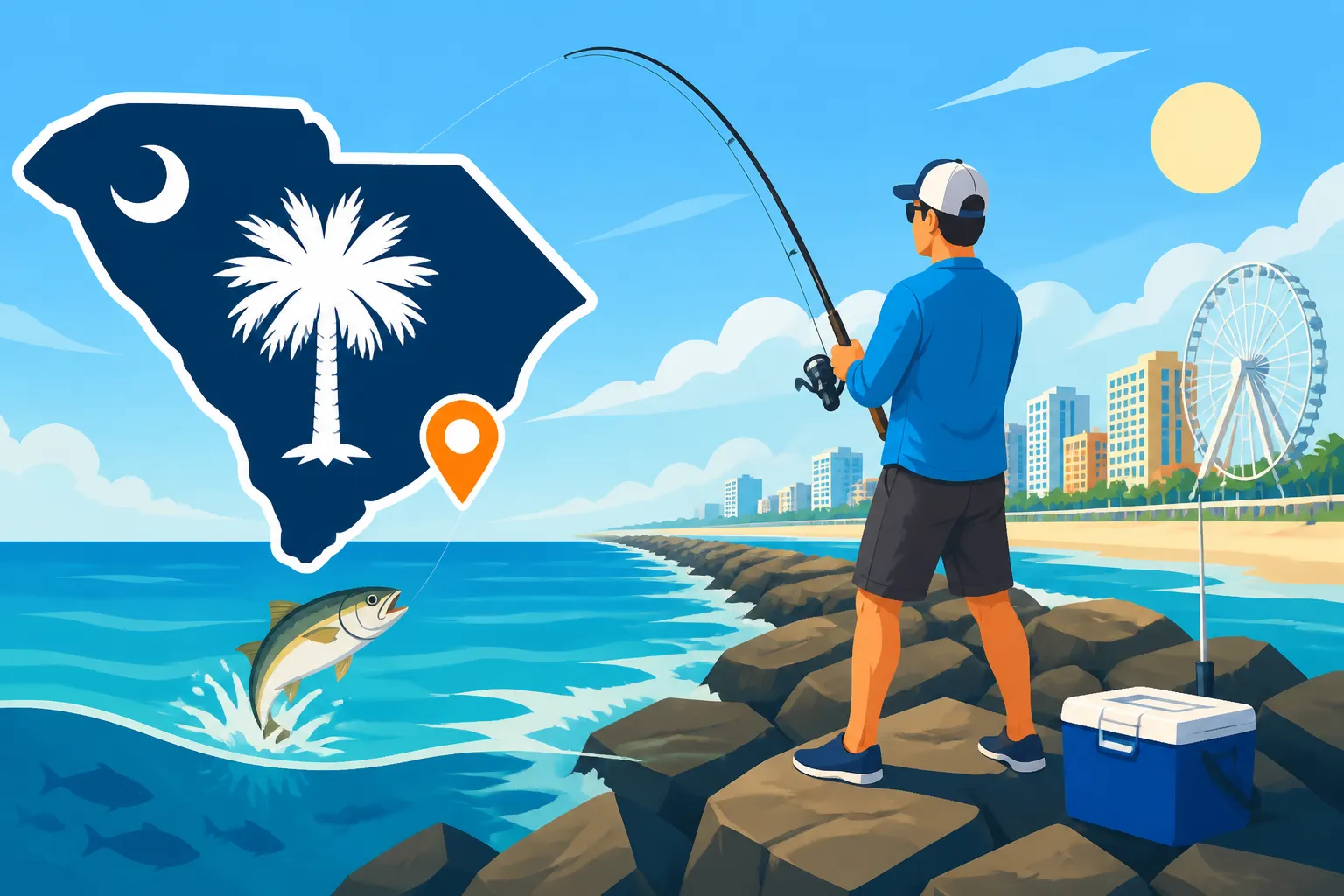
Fishing from a jetty offers a unique advantage compared to simply casting into open water or from a pier. Jetties are essentially artificial rock reefs that extend out into the ocean or inlet, creating a vibrant ecosystem that draws in a huge variety of marine life. This inherent characteristic makes them incredibly effective fishing grounds.
The Allure of Jetties: Structure and Species
Imagine a long, rocky arm reaching out from the shore, plunging into the water. This is a jetty, and every nook, cranny, and submerged rock provides crucial habitat and ambush points for fish. The rough surfaces quickly become encrusted with barnacles, oysters, and other marine organisms, which in turn attract smaller baitfish and crustaceans. This creates a natural food chain, drawing in larger predatory fish that are actively feeding. You're not just fishing in a random patch of water; you're fishing a proven, fish-holding structure.
Unlike the relatively uniform sandy bottom you might find on an open beach, jetties provide a dramatic change in depth and current, creating eddies and calm spots where fish can rest or hunt. This structure acts as a magnet for species that prefer rocky habitats, as well as those that follow baitfish close to shore. You'll often find a much wider variety of fish around a jetty than you would on an unprotected stretch of beach, ranging from the hard-fighting Redfish and Spotted Seatrout to the structure-loving Sheepshead and Flounder.
Benefits of Fishing from a Jetty
One of the biggest benefits of jetty fishing, especially for those visiting the Myrtle Beach area, is accessibility. You don't need a boat, a kayak, or even a long cast to reach productive water. Most jetties offer ample space for anglers to walk out and cast into prime feeding lanes. This makes it an ideal option for families, solo anglers, or anyone who wants a convenient yet effective way to fish the coast. Plus, the elevated vantage point often allows you to spot fish or bait schools that might be missed from a lower position on the sand.
Furthermore, jetty fishing can be incredibly dynamic. As the tide changes, the currents around the jetty shift, creating new opportunities. You might find Redfish feeding aggressively on one side during an incoming tide, then switch to the other side for Flounder as the water recedes. The constant interaction with the natural elements and the diverse catches make it an engaging experience. It’s a fantastic way to break away from the crowds of a traditional pier and feel more connected to the raw power of the ocean.
Uncovering the Prime Jetty Fishing Locations Near Myrtle Beach
While the Grand Strand is known for its wide, sandy beaches, there are a few key jetty systems that stand out as premier fishing destinations for those in the know. These spots offer excellent access and the potential for some truly memorable catches.
The Murrells Inlet Jetties: A Dual Threat
Just south of Myrtle Beach, Murrells Inlet is a true gem for inshore and jetty fishing. The inlet is guarded by two prominent rock jetties, one on the north side and one on the south. These jetties are renowned for their productivity and are a favorite among local anglers. Access to the north jetty typically involves walking from Huntington Beach State Park, offering a scenic approach to your fishing grounds. The south jetty is usually accessed from the Garden City side, requiring a bit of a walk down the beach.
Both Murrells Inlet jetties create exceptional fishing environments. The rocky structures provide shelter and foraging grounds for species like Redfish, Spotted Seatrout, Flounder, and Sheepshead. Anglers often target the eddies and current breaks formed where the jetties meet the deeper channels of the inlet. Casting live bait like shrimp or mullet, or working artificials like soft plastics and bucktail jigs, can yield fantastic results. For those specifically looking to target the famous "spot tail" in this area, you'll find that these jetties are some of the prime Murrells Inlet Redfish Fishing Spots in South Carolina. Pay close attention to the tide here; the fish often become most active during the strong tidal flows through the inlet.
Cherry Grove's North Jetty (Hog Inlet): A Hidden Gem
Further north of Myrtle Beach, past North Myrtle Beach, you'll find the Cherry Grove Pier and then, a bit more secluded, the North Jetty guarding Hog Inlet. This jetty often receives less pressure than its Murrells Inlet counterparts, making it an appealing option for anglers seeking a bit more solitude. Access can be a bit more challenging, often requiring a walk along the beach from the northern end of Cherry Grove or via accessing the area through Waites Island (which may require a boat or kayak depending on specific access rules and tides). It's a bit more of an adventure to get there, but the rewards can be significant.
The North Jetty at Hog Inlet presents a wilder, more untamed fishing experience. The currents here can be robust, and the rocky structure extends a good distance into the ocean. Anglers frequently encounter similar species to Murrells Inlet, including Redfish, Spotted Seatrout, and Flounder, but it's also a great spot for migrating species passing through. Because of its slightly more remote nature, it can offer some excellent opportunities for sight-fishing in clearer water on calm days. If you're looking for a slightly different experience than the more popular Myrtle Beach Surf Fishing Spots in South Carolina, this jetty provides a rugged alternative. For those who want to broaden their fishing horizons beyond the jetties, platforms like FishingBooker can help connect you with local guides who are intimately familiar with these and other productive inshore and offshore areas, providing valuable insights into local conditions and techniques.
Exploring Other Jetty-Like Coastal Structures
While the Murrells Inlet and Cherry Grove jetties are the main attractions, the Grand Strand coastline is dotted with numerous smaller rock structures, groins, and sometimes even remnants of old piers that create similar fish-holding environments. These aren't always full-blown "jetties" in the classic sense, but they break up the monotonous sandy bottom and create microhabitats that attract bait and game fish. You might find these scattered along various public beach accesses, often near residential areas or public parks.
These smaller structures, while not extending as far out, still offer advantages for bank anglers. They provide cover, create current breaks, and often hold concentrations of crustaceans and smaller fish. Target these spots with lighter tackle, casting small jigs, soft plastics, or live shrimp tight to the rocks. Sheepshead, Black Drum, and even small Flounder are common catches around these smaller groins. Always be mindful of local regulations and private property lines when exploring these more informal fishing spots. These can be perfect for a quick, impromptu fishing session without the commitment of heading to a larger jetty system.
Mastering Jetty Fishing: Essential Gear and Techniques
Success on the jetties requires a bit more specialized gear and knowledge than casual beach fishing. The unforgiving nature of the rocks and the strong currents mean you need to be prepared.
Selecting the Right Rod, Reel, and Line for Jetty Success
When tackling jetty fishing, you'll want a setup that can handle tough conditions and strong fish. A medium-heavy to heavy action spinning rod, around 7 to 9 feet in length, is a good starting point. This length provides the casting distance needed to reach prime spots and the leverage to pull fish away from the abrasive rocks. Pair this with a durable saltwater spinning reel in the 4000-6000 size range, capable of holding plenty of line and sporting a smooth drag system. Brands like Penn or Shimano offer reliable options that can withstand the corrosive saltwater environment.
Line choice is critical around jetties. Monofilament line in 15-25 pound test is a common choice for its shock absorption, but many anglers prefer braided line of similar strength (30-50 pound test) for its sensitivity and incredible abrasion resistance. Regardless of your main line, always use a fluorocarbon leader of 20-40 pound test, at least 2-3 feet long, to connect to your hook or lure. Fluorocarbon is nearly invisible underwater and, more importantly, is highly resistant to nicks and cuts from the sharp rocks, validating the frustration of losing a good fish to a frayed line. Having a spare spool of line or extra leader material is always a good idea.
Effective Baits and Lures for Grand Strand Jetties
The diverse environment of a jetty means a variety of baits and lures can be effective. Live bait is often king, especially when targeting finicky fish or trophy specimens. Live shrimp, mud minnows, finger mullet, and fiddler crabs are all excellent choices. For Sheepshead, fresh fiddler crabs are practically irresistible. Redfish and Spotted Seatrout will readily hit live shrimp or mullet. For example, knowing the Best Bait for Redfish in South Carolina's Marsh Creeks will directly translate to success on the jetties as well. Rig live baits on a simple Carolina rig or a popping cork setup, depending on the current and depth you're targeting.
Artificial lures also have their place. Soft plastic paddle tail or jerk baits, often rigged on a jig head, are incredibly versatile for Redfish and Trout. Bucktail jigs can be deadly for Flounder and larger game fish, especially when tipped with a piece of natural bait like a shrimp tail. Topwater lures can provide explosive strikes from Redfish and large Trout during low light conditions or when baitfish are active on the surface. Don't be afraid to experiment with different colors and retrieve speeds until you find what the fish are keying in on. Sometimes a subtle change in your presentation, or trying a different color plastic, is all it takes to turn a slow day into a banner day.
Reading the Water: Currents, Tides, and Structure
Understanding the dynamics of the water around a jetty is paramount. Jetties are designed to modify currents, and these changes dictate where fish will hold and feed. The most productive times are often during moving tides, either incoming or outgoing, as this stirs up bait and concentrates fish. Pay attention to eddies, current seams, and areas where the current slows down – these are prime ambush points. Learning Tide-Based Techniques for Inshore Fishing can drastically improve your catch rates. The deeper water on the channel side of the jetty, as well as the shallower rock-strewn flats on the ocean side, will hold different species at different times.
Casting accuracy is also crucial to avoid snags and present your bait effectively. Learn to cast parallel to the jetty, letting the current carry your bait naturally along the structure. If you're fishing the tip, try to cast into the current and let your lure drift back into the calmer water behind the rocks. It’s also important to understand How to Choose the Right Fishing Technique for Each Species you encounter, as Flounder will often hug the bottom, while Trout might be suspended higher in the water column. Always be aware of your surroundings, especially during strong currents, and identify potential escape routes for a hooked fish away from the snag-filled rocks.
Staying Safe and Compliant: Rules for South Carolina Jetty Anglers
While jetty fishing offers fantastic opportunities, it's essential to prioritize safety and adhere to local regulations to ensure a responsible and enjoyable experience.
Prioritizing Personal Safety on Rocky Structures
Jetties, by their very nature, are rocky, uneven, and can be slippery, especially when wet from waves or high tide. Always wear appropriate footwear with good grip – closed-toe shoes or boots are a must to protect your feet from sharp barnacles and unstable rocks. Avoid flip-flops or open-toed sandals. Watch your footing, especially when carrying gear, and be aware of incoming waves, particularly during choppy conditions or approaching storms. Rogue waves can easily sweep you off your feet.
It's always a good idea to fish with a buddy, or at least let someone know where you're going and when you expect to return. The remote nature of some jetties means help might not be immediately available if an accident occurs. Carry plenty of water, especially during the hot South Carolina summers, and apply sunscreen generously. A wide-brimmed hat and polarized sunglasses will not only protect you from the sun but also help you spot submerged structure and cruising fish. Remember, a successful day of fishing is one where everyone returns home safely.
Navigating South Carolina's Fishing Licenses and Regulations
Before you even make your first cast, you need to ensure you're legally prepared. Anyone 16 years of age or older needs a valid South Carolina fishing license. For jetty fishing, which occurs in saltwater, you will specifically need a South Carolina Saltwater Fishing License. You can learn more about this by checking out the comprehensive South Carolina Fishing License Guide or diving into the Saltwater Fishing Rules in South Carolina. These resources will provide all the details on where to purchase a license, its cost, and specific requirements.
Beyond the license, it’s absolutely crucial to be familiar with the species-specific regulations that apply to the fish you're likely to catch around the jetties. This includes minimum size limits, daily bag limits, and any seasonal closures. For instance, there are strict South Carolina Redfish Slot Limit Rules you need to know, usually requiring Redfish to be within a certain length range to be kept. Similarly, there are specific Spotted Seatrout Size and Bag Limits in South Carolina, and understanding the Flounder Fishing Season in South Carolina is vital before you decide to keep any. Remember, regulations can change, so always check the latest South Carolina Department of Natural Resources (SCDNR) guidelines before each trip. Being aware of regulations like the South Carolina Redfish Vessel Limit Explained is important, even if you are fishing from shore, as these rules often apply per person regardless of the fishing platform. Enforcement officers regularly patrol these popular fishing areas, and ignorance of the law is not an excuse for violations.
| Jetty Fishing Spot | Primary Target Species | Key Features & Access | Optimal Conditions |
|---|---|---|---|
| Murrells Inlet North Jetty | Redfish, Spotted Seatrout, Flounder, Sheepshead | Long walk from Huntington Beach State Park. Rocky, strong currents. | Moving tides (incoming/outgoing), especially around tide changes. |
| Murrells Inlet South Jetty | Redfish, Spotted Seatrout, Flounder, Sheepshead | Access from Garden City Beach. Similar to North, strong currents. | Moving tides, good for sight casting in clearer water. |
| Cherry Grove North Jetty | Redfish, Spotted Seatrout, Flounder, various migrators | More remote access, longer walk on beach from Cherry Grove. Less pressure. | Clearer water, calm days, can be good for sight fishing. |
| Smaller Groins/Rock Piles | Sheepshead, Black Drum, small Flounder, Panfish | Scattered along public beach accesses. Easier, quick access. | High tide, calmer surf conditions. |
Disclaimer
The information provided in this guide is for general informational purposes only and is not intended as legal or professional advice. Fishing regulations, conditions, and access points in South Carolina can change frequently. Always consult the official South Carolina Department of Natural Resources (SCDNR) website or their current regulations handbook for the most up-to-date and accurate information regarding fishing licenses, seasons, bag limits, and size restrictions before planning any fishing trip. Safety should always be your top priority when fishing, especially on or near jetties.