Sea Trout Fishing Spots in South Carolina’s Lowcountry
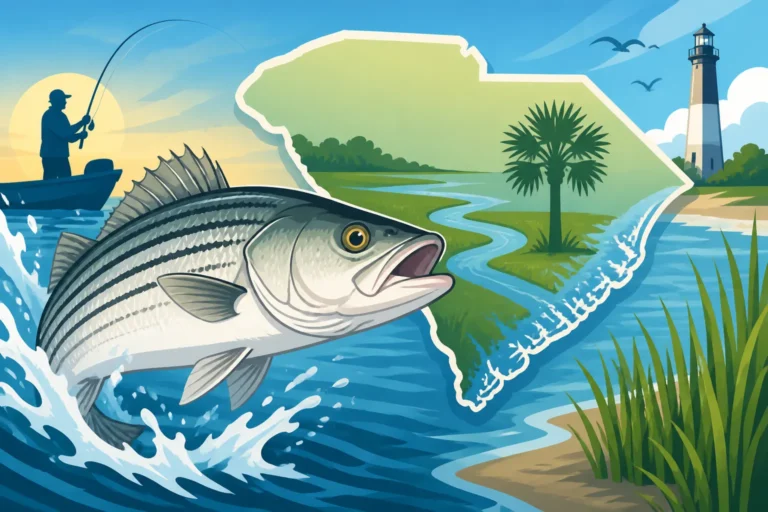
Finding those elusive, hard-hitting spotted seatrout in South Carolina's vast Lowcountry can feel like searching for a needle in a marshy haystack, especially if you're new to the area or just trying to dial in your game. The truth is, these speckled beauties move with the tides and seasons, making their haunts a moving target. This guide is designed to cut through the guesswork, offering you a detailed look into the most productive sea trout fishing spots across the Lowcountry, along with the techniques and knowledge you'll need to succeed.
Understanding Lowcountry Sea Trout Behavior
Before you even think about casting a line, it's crucial to understand the nuances of spotted seatrout behavior in South Carolina's Lowcountry. These fish aren't just swimming aimlessly; they're driven by instincts related to feeding, spawning, and temperature, all heavily influenced by the dynamic coastal environment. Knowing their patterns can significantly increase your chances of a successful outing, turning frustrating searches into rewarding catches.
Tide Influence and Feeding Patterns
The tides in the Lowcountry dictate almost everything an inshore angler needs to know, and seatrout are no exception. They are highly attuned to the ebb and flow, using the moving water to their advantage when feeding. During an incoming tide, as the water pushes into the creeks and estuaries, seatrout often move with it, following baitfish into shallower areas. They'll position themselves along grass lines, oyster beds, and channel edges, ambushing unsuspecting prey as it's swept past. This can be a prime time for sight fishing in clear, shallow water.
Conversely, an outgoing tide can concentrate baitfish and seatrout in deeper pockets, creek mouths, and along main channels as the water recedes. This forces the bait out of the flooded marsh, creating a natural funnel that seatrout readily exploit. For anglers, this often means focusing on the edges of deeper channels or the mouths of smaller creeks where water is pouring out. It's not uncommon to find schools of seatrout stacked up in these areas, eagerly awaiting an easy meal. Many experienced anglers understand that knowing how to fish an outgoing tide for trout is key to consistent success.
Seasonal Movements and Depths
Spotted seatrout also exhibit distinct seasonal movements, largely dictated by water temperature. In the warmer months of spring, summer, and early fall, they are widely dispersed throughout the shallow, grassy estuaries, mud flats, and shell rakes. They're actively feeding and, especially in spring, preparing for or undergoing their spawning rituals. During these times, you'll find them in relatively shallow water, often just a few feet deep, making topwater lures and shallow-diving plugs highly effective.
As the water temperatures begin to drop in late fall and into winter, seatrout start to congregate in deeper water. They seek out thermal refuge in deeper channels, holes, and protected areas with soft, muddy bottoms that retain heat better. During these colder periods, fishing becomes more about finding these deeper congregations, often requiring slower presentations with artificial lures or live bait on the bottom. It's a different game entirely, moving from active chasing to a more patient, methodical approach. Keep in mind that South Carolina's Winter Gigging Ban for Seatrout is in place from December through February to protect these vulnerable winter aggregations. Always check the current South Carolina Spotted Seatrout Fishing Regulations Explained before heading out.
Top Sea Trout Fishing Spots in the Lowcountry
The South Carolina Lowcountry is a sprawling network of saltmarsh, tidal creeks, and estuaries, offering an abundance of prime real estate for spotted seatrout. While the fish move and feed according to conditions, certain areas consistently hold larger populations or offer better access and structure. From bustling harbors to secluded backwater creeks, here's where you're most likely to find success.
Charleston Harbor and Surrounding Waters
Charleston Harbor is an iconic fishing destination, and for good reason. Its extensive network of tidal creeks, protected bays, and marsh islands provides an ideal habitat for spotted seatrout. The harbor itself offers deeper channels and structure around docks, bridges, and jetties, which are particularly productive during cooler months when trout seek deeper, more stable temperatures. Areas like Shem Creek, the Wando River, and the Ashley River are all major tributaries feeding into the harbor, each with countless smaller creeks and oyster-laden banks perfect for trout.
Anglers often target the grass flats and oyster beds that fringe these waters, especially during incoming tides when the trout push up to feed. The main harbor channels are also excellent for drift fishing with live bait or artificials, particularly around current breaks. Many local guides operating out of Mount Pleasant offer guided fishing trips into these productive areas, and you can often find a suitable charter through platforms like FishingBooker if you're visiting and want local expertise. It's a fantastic place to experience South Carolina Saltwater Fishing Seasons firsthand.
Murrells Inlet and Georgetown Area
Moving north along the coast, Murrells Inlet stands out as another premier location for sea trout. This natural estuary, often referred to as the "Seafood Capital of South Carolina," is an intricate maze of tidal creeks, sandbars, and oyster reefs. What makes Murrells Inlet so special is its relatively shallow nature and abundant baitfish, which attract and hold large numbers of spotted seatrout year-round. The numerous small creeks and expansive grass flats offer endless opportunities for anglers, whether you're poling a shallow-draft boat or wading.
Further up the coast, the Georgetown area, particularly the vast Winyah Bay system, presents a unique and incredibly productive fishery. Winyah Bay is one of the largest estuaries on the East Coast, where several major rivers (Black, Pee Dee, Sampit, and Waccamaw) converge and meet the Atlantic. This mix of fresh and saltwater creates a brackish environment that seatrout absolutely thrive in. The sheer volume of water, diverse structure, and abundant food sources make it a hotspot. Anglers often focus on the mouths of the rivers, deep channels, and the extensive marsh islands within the bay. If you're wondering where to catch Spotted Sea Trout Near Murrells Inlet, these areas are your best bet.
Beaufort and Hilton Head Estuaries
Heading south, the waters surrounding Beaufort and Hilton Head Island offer some of the most pristine and productive inshore fishing grounds in the state. The Beaufort area, with its strong tidal currents and extensive creek systems like the Broad River and Chechessee River, provides superb habitat. Miles of spartina grass flats, oyster reefs, and deep channels crisscross the region, creating perfect ambush points for seatrout. Spotted Seatrout Fishing Near Beaufort is a celebrated pastime, with anglers regularly pulling in good numbers.
Hilton Head Island is surrounded by similar expansive tidal marsh systems. The Calibogue Sound, May River, and numerous smaller creeks and bayous are teeming with baitfish and, consequently, healthy populations of spotted seatrout. The clear, clean waters of this region often allow for excellent sight fishing opportunities, especially on calm days during high tide. The sheer beauty of these estuaries alone makes for an unforgettable fishing experience. Many fishing guides in this region specialize in targeting these species, and booking a trip through a platform like FishingBooker can connect you with experienced captains who know these waters like the back of their hand. These areas truly represent some of the Best Coastal Fishing Spots in South Carolina.
Essential Gear and Techniques for Lowcountry Sea Trout
Having the right gear and knowing how to use it is just as important as finding the right spot. Spotted seatrout can be finicky eaters one day and aggressive predators the next, so being prepared for various conditions and moods will make a significant difference in your success rate.
Recommended Rods, Reels, and Lines
For spotted seatrout, a lighter, more sensitive setup is generally preferred. You want to feel those subtle bites and enjoy the fight of these spirited fish. A medium-light to medium action spinning rod, typically 6'6" to 7'6" in length, is ideal. This length provides good casting distance while still allowing for accurate presentations in tight creek systems. Look for a rod with a fast or extra-fast tip for maximum sensitivity, which is crucial for detecting the often delicate strike of a sea trout. Brands like St. Croix or Fenwick offer excellent options that won't break the bank.
Pair your rod with a lightweight spinning reel in the 2000 to 3000 size range. This size provides a good balance, sufficient line capacity, and a smooth drag system. As for line, 10 to 15 lb braided line is a popular choice due to its strength, thin diameter, and incredible sensitivity. The lack of stretch in braid allows you to feel everything that's happening at the end of your line. Always tie on a 15-20 lb fluorocarbon leader of about 2-3 feet. Fluorocarbon is nearly invisible underwater, more abrasion-resistant, and provides a stealthy presentation that can be critical when targeting wary trout.
Effective Baits and Lures
Spotted seatrout aren't particularly picky, but certain baits and lures consistently outperform others. Live bait is almost always a winner. Live shrimp, mud minnows, and finger mullet are irresistible to sea trout. You can fish them under a popping cork, which creates a "chug" sound that mimics a feeding shrimp, drawing attention from nearby trout. Alternatively, free-lining live bait or fishing it on a simple Carolina rig (small egg sinker, swivel, fluorocarbon leader, and a kahle or circle hook) can be highly effective, especially when the fish are holding deeper or being more cautious.
When it comes to artificial lures, a variety of options work well. Soft plastic jerkbaits or grubs rigged on a 1/8 to 1/4 ounce jig head are incredibly versatile. Popular colors include 'new penny', 'chartreuse', 'clear glitter', and 'pearl'. Work these with a twitch-twitch-pause retrieve, mimicking a fleeing baitfish. Topwater lures, such as MirrOlure Top Dogs or Heddon Super Spooks, are exhilarating to use, especially at dawn or dusk when trout are actively feeding on the surface. They create explosive strikes that will get your heart pumping. Small crankbaits and spoons can also be productive, particularly when blind casting over grass flats or along channel edges. For more specific lure choices, consult guides on the Best Lures for Spotted Seatrout in Grass Flats.
Tactics for Different Environments
Successful sea trout fishing often comes down to adapting your tactics to the specific environment you're in. In shallow grass flats, especially during higher tides, stealth is paramount. Use a trolling motor or push pole to move quietly, casting soft plastics or topwaters to potholes, grass edges, and any visible structure. Pay close attention to subtle disturbances on the water's surface, which could indicate feeding trout.
When fishing deeper channels or creek mouths, especially on an outgoing tide, focus on current breaks and drop-offs. Here, live bait fished on a Carolina rig or a heavy jig with a soft plastic can be very effective. Allow your bait to drift naturally with the current, staying in the strike zone longer. If you're fishing around oyster reefs, be prepared for snags and use more robust leader material. Oysters are sharp and will cut through lighter line quickly. Remember, Inshore Trout Fishing Techniques for Beginners often involves starting with simple live bait presentations under a popping cork until you get a feel for the fish's habits. For those venturing out with a guide, companies sometimes provide all the necessary tackle, as a good South Carolina Fishing Charter should.
| Lowcountry Region | Key Characteristics | Best Time for Seatrout | Preferred Baits/Lures | Access Notes |
|---|---|---|---|---|
| Charleston Harbor | Deep channels, extensive creeks, diverse structure (docks, bridges) | Spring, Summer, Fall (dispersed); Winter (deeper channels) | Live shrimp, mud minnows, soft plastics, topwater | Public boat ramps, numerous charter options, pier access |
| Murrells Inlet | Shallow, intricate estuary, abundant sandbars and oyster reefs | Year-round, excellent in warmer months | Live shrimp, mud minnows, soft plastics, popping corks | Public boat ramps, kayak-friendly, numerous wading spots |
| Georgetown (Winyah Bay) | Large brackish estuary, river mouths, extensive marsh islands | Spring, Fall (peak); good year-round in various sections | Live finger mullet, soft plastics, spoons, larger topwater | Primarily boat access, some shoreline fishing at certain parks |
| Beaufort/Hilton Head | Strong tidal currents, clear water, vast grass flats, oyster banks | Year-round, sight fishing excellent in clear conditions | Live shrimp, mud minnows, clear/natural colored soft plastics | Public boat ramps, many local guides, kayak-friendly |
Ultimately, successful sea trout fishing in the Lowcountry is a blend of understanding the environment, adapting your techniques, and a bit of patience. Whether you're a seasoned angler or a beginner, these waters offer an incredible experience and the chance to reel in some truly beautiful fish.
Disclaimer
Fishing conditions, regulations, and fish behavior can change rapidly. Always consult the latest South Carolina Department of Natural Resources (SCDNR) regulations before heading out to fish. This guide provides general information and recommendations, but it is the angler's responsibility to adhere to all current laws and safety guidelines.