Lowcountry Estuary Flounder Fishing Spots
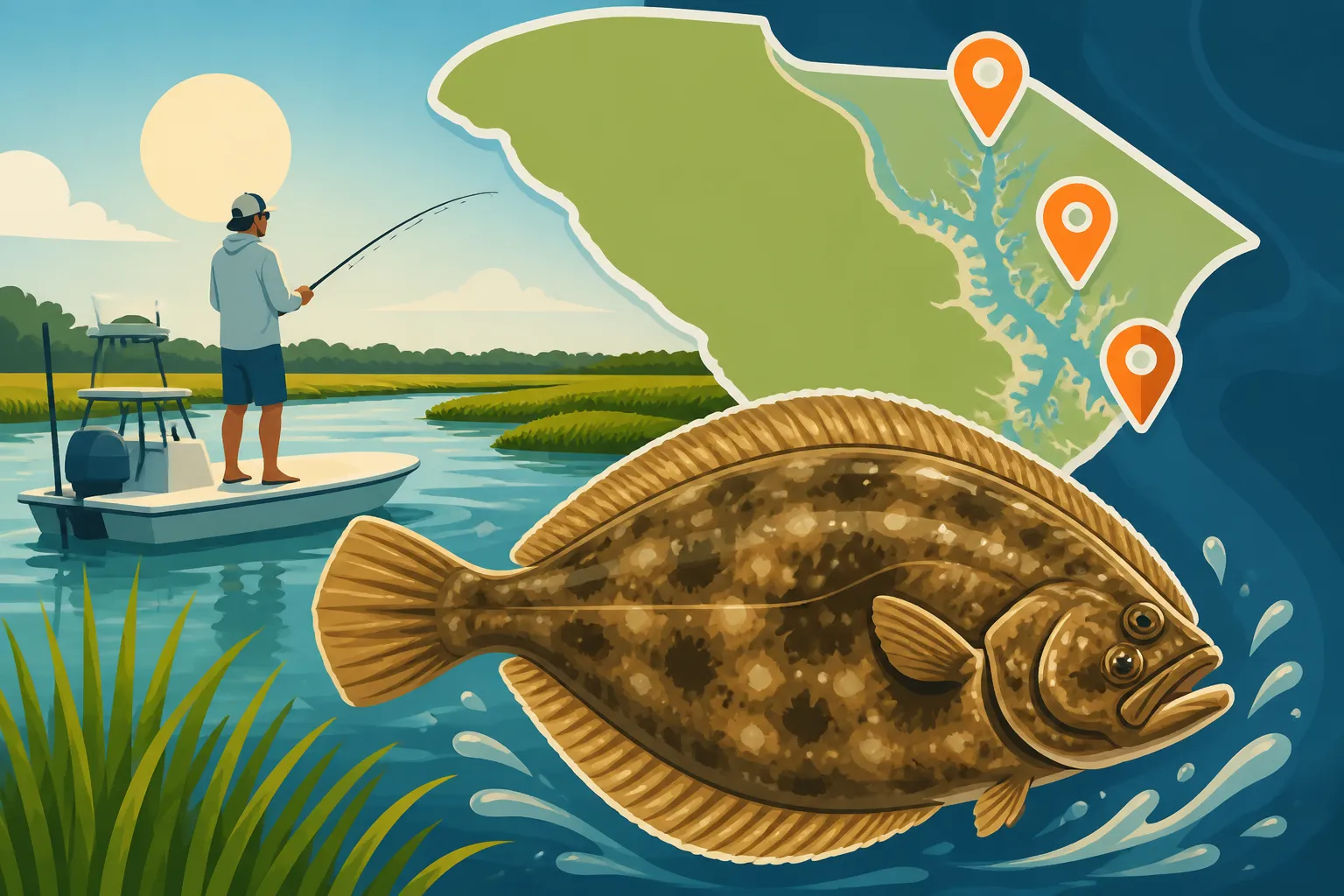
Finding that perfect flounder spot in the vast, winding estuaries of the South Carolina Lowcountry can feel like searching for a needle in a haystack. These masters of camouflage are notoriously tricky to pin down, often leading to frustrating days on the water for even seasoned anglers. But don't despair! This comprehensive guide is designed to peel back the curtain on where these flatfish hide, giving you the insider knowledge you need to consistently put flounder in your cooler, focusing specifically on those prime estuarine honey holes.
Understanding Flounder Behavior in Lowcountry Estuaries
Flounder aren't just any fish; they're perfectly adapted ambush predators, and understanding their habits is the first step to finding them. They don't chase their food across open water; they prefer to lie in wait, perfectly camouflaged against the bottom, ready to dart out and snatch an unsuspecting meal.
Why Flounder Love Estuaries
Estuaries are the perfect playground for flounder because they offer everything these fish need: abundant baitfish, protective cover, and a dynamic environment shaped by tides. The mix of fresh and saltwater creates a rich ecosystem that supports vast populations of shrimp, crabs, and small baitfish like mud minnows and finger mullet – all favorite snacks for flounder. It's a natural buffet, constantly replenished by tidal flows.
Think about it: the low oxygen levels and often turbid waters typical of estuarine environments provide excellent cover. Flounder can blend seamlessly into the sandy or muddy bottom, becoming virtually invisible to both their prey and larger predators. This means they can conserve energy, waiting patiently for a meal to swim by, making these areas incredibly efficient hunting grounds.
Tidal Influence on Flounder Movement
Tides are the lifeblood of estuarine fishing, and nowhere is this more true than when targeting flounder. Their movements and feeding patterns are intimately linked to the ebb and flow of the water. As the tide changes, it creates currents that funnel baitfish through specific channels, making certain spots absolute hotspots.
During an incoming tide, flounder often move onto shallower flats, oyster rakes, and creek mouths as the rising water covers new feeding grounds. They'll position themselves on the upstream side of structure, waiting for bait to be swept past them. Conversely, on an outgoing tide, flounder tend to retreat to deeper channels, ditches, and the edges of marsh banks, especially where feeder creeks drain into larger bodies of water. These "choke points" concentrate baitfish as they're flushed out with the receding water, making them prime ambush locations for hungry flounder. Understanding the tide cycle for your chosen fishing spot is paramount, as detailed in our guide on Flounder Fishing Season in South Carolina.
Preferred Habitat and Structure
Flounder are structure-oriented fish, meaning they'll always be found near some kind of bottom irregularity that offers cover and an ambush point. In estuaries, this can be anything from natural features to man-made structures. Submerged logs, rock piles, oyster beds, and shell hash bottoms are all excellent natural habitats. They provide places for flounder to hide and attract baitfish seeking shelter.
Man-made structures like dock pilings, bridge abutments, bulkheads, and even old sunken debris are equally productive. These vertical structures disrupt current flow, creating eddies and slack water where flounder can rest and wait for food. Creek mouths and deeper holes within channels are also fantastic spots, especially during strong tidal movements when baitfish are being pushed in or out. Always cast close to these structures, making sure your bait or lure "bumps" along the bottom right in their strike zone.
Top Flounder Hotspots in South Carolina's Lowcountry Estuaries
South Carolina's Lowcountry is a labyrinth of tidal creeks and rivers, offering countless opportunities for flounder. However, some areas consistently stand out for their productivity and access.
Charleston Harbor and Surrounding Creeks
Charleston Harbor isn't just a scenic backdrop; it's a bustling ecosystem teeming with flounder. Its vast size, deep channels, and numerous feeder creeks make it a premier destination. The jetties at the mouth of the harbor, while often considered offshore, heavily influence the flounder populations that move in and out of the harbor's interior. Inside, target areas like the bridge pilings of the Ravenel Bridge, which create significant current breaks and deep pockets, are fantastic.
Moving into the surrounding creeks, Shem Creek in Mount Pleasant is legendary, not just for its restaurants but also for the flounder that lurk around its docks and deep bends. The Folly River and Wappoo Cut, connecting the Stono River to the Charleston Harbor area, are also prime. Focus on oyster beds along marsh edges, the drop-offs into the main channels, and any dock pilings that offer shade and current breaks. For a broader overview of opportunities in this area, you might check out Charleston Harbor Fishing Spots for South Carolina Anglers.
Murrells Inlet: A Flounder Paradise
Just south of Myrtle Beach, Murrells Inlet is often hailed as a flounder fishing paradise, and for good reason. This unique estuary is characterized by its intricate network of tidal creeks, expansive oyster beds, and clear, calm waters on certain tides. It's a shallower system than Charleston Harbor, which means flounder are often more accessible and easier to locate.
Anglers frequently find success by targeting the numerous docks that line the inlet, as well as the deeper channels and cuts that crisscross the marsh. The jetties at the mouth of Murrells Inlet are also extremely productive, especially during the warmer months. Look for areas where feeder creeks merge with larger channels, creating natural funnels for bait. Many local guides specialize in this area; if you're looking for a guided trip, platforms like FishingBooker can help you find experienced captains familiar with Murrells Inlet's unique flounder patterns.
Hilton Head and Beaufort Area Estuaries
The southern Lowcountry, encompassing Hilton Head Island and the Beaufort area, boasts an immense system of interconnected rivers and sounds that are perfect for flounder. The Broad River, May River, and Calibogue Sound are prime examples. These areas are characterized by vast spartina grass marshes, which provide endless structure and feeding opportunities.
Flounder here are often found along the edges of these grass lines, especially where there's a slight drop-off into deeper water. Bridge systems, such as the bridges crossing the May River or those connecting various islands, are also excellent spots, offering both structure and strong currents. Focus on the deeper holes and eddies created by these structures. The sheer volume of tidal creeks and hidden passages means that a good local chart or GPS is invaluable here. If you're new to the area, considering an Inshore Fishing Charters near Hilton Head, South Carolina trip could be a great way to learn the ropes.
Essential Techniques and Baits for Estuary Flounder
Catching flounder consistently isn't just about finding the right spot; it's also about presenting your bait in a way that triggers their ambush instincts.
Best Baits for Lowcountry Flounder
When it comes to bait, live options are almost always king for flounder. Their natural scent and movement are irresistible. Mud minnows and finger mullet are perhaps the most popular and effective live baits in the Lowcountry. They're hardy, readily available at local tackle shops, and flounder simply can't resist them. Peanut bunker (menhaden) are another excellent choice when available.
For artificial lures, jigs paired with soft plastic trailers are incredibly effective. Colors like chartreuse, white, "new penny" (copper/brown), and natural baitfish patterns often produce good results. Gulp! Alive! baits, particularly the shrimp, minnow, or jerk shad imitations, have also gained a reputation for being incredibly potent, sometimes outperforming live bait due to their potent scent. Our guide on Best Bait for Flounder in Inshore Waters offers more in-depth choices.
Rigging and Presentation Tips
The classic Carolina Rig is arguably the most popular and effective setup for flounder fishing in estuaries. It consists of an egg sinker (½ to 1 oz, depending on current and depth), a swivel, and an 18-36 inch fluorocarbon leader (20-30 lb test) tied to a kahle hook (1/0 to 3/0). This rig allows the bait to move naturally along the bottom, which is exactly where flounder are waiting. Cast it near structure and slowly drag or "bounce" it back, pausing occasionally.
When using jigs with soft plastics or Gulp! baits, a slow, deliberate retrieve is crucial. Cast past your target structure and allow the jig to sink to the bottom. Then, use short, sharp lifts of your rod tip to make the jig "hop" or "swim" along, mimicking a struggling baitfish. The key is to keep the bait in contact with the bottom as much as possible, as flounder typically won't rise far to strike. Feeling a flounder bite can be subtle – often feeling like a slight "thump" or just added weight – so pay close attention.
Gear Recommendations
Choosing the right gear can make a big difference in your flounder success. A medium-light to medium action spinning rod, around 7 feet in length, is ideal. This rod action provides enough backbone to fight a decent flounder but is sensitive enough to detect those subtle bites. Pair it with a 2500 or 3000 series spinning reel, spooled with 10-15 lb braided line.
Braid offers superior sensitivity for feeling light bites and excellent casting distance. However, because braid is visible, it's essential to use a 2-3 foot fluorocarbon leader (15-25 lb test) tied to your mainline with a double uni knot or FG knot. Fluorocarbon is nearly invisible underwater and abrasion-resistant, which is important when fishing around sharp oyster shells and structure. For hooks, Kahle or wide-gap circle hooks in sizes 1/0 to 3/0 are excellent for live bait, while jig heads should match your bait size and the current conditions, typically from 1/4 to 3/4 oz.
| Gear Item | Recommended Specification | Why It Matters |
|---|---|---|
| Rod | 7' Medium-Light to Medium Action | Sensitivity for bites, power for fish, good casting. |
| Reel | 2500-3000 Series Spinning | Smooth drag, sufficient line capacity. |
| Main Line | 10-15 lb Braided Line | High sensitivity, no stretch, good casting. |
| Leader | 15-25 lb Fluorocarbon (2-3 ft) | Low visibility, abrasion resistance. |
| Sinker | 1/2 – 1 oz Egg Sinker | Keeps bait on bottom, allows natural movement. |
| Hooks | 1/0 – 3/0 Kahle or Wide-Gap Circle | Secure hooksets, prevents gut hooking with circle hooks. |
| Jig Heads | 1/4 – 3/4 oz (matched to current) | Gets artificials to the bottom, influences presentation. |
| Bait Bucket/Aerator | Essential for Live Bait | Keeps live bait fresh and active. |
Navigating and Planning Your Flounder Trip
Successful flounder fishing is rarely accidental; it's the result of careful planning and understanding your environment.
Using Tides and Local Knowledge Effectively
Never underestimate the power of a good tide chart. Before you even think about hitting the water, check the local tide predictions for your chosen spot. Look for periods of strong tidal movement, as these are often the most productive times. Typically, the last two hours of an outgoing tide and the first two hours of an incoming tide are prime for flounder, as the moving water concentrates bait. However, sometimes fishing the slack tide around certain structures can also be effective.
Beyond charts, local knowledge is golden. Strike up a conversation with folks at local bait and tackle shops – they often have the most up-to-date information on what's biting, where, and on what bait. They can tell you about recent trends, specific hot spots, or even if there have been any changes in the regulations. If you're planning a trip from out of state, or just want to maximize your chances, consider booking a trip with a local guide. Websites like FishingBooker make it easy to compare and book guides who know the Lowcountry estuaries like the back of their hand. They can drastically cut down your learning curve.
Boat vs. Kayak vs. Bank Access
How you access the water significantly impacts your flounder fishing options. A boat offers the most flexibility, allowing you to cover vast areas, move quickly between spots, and fish deeper channels or isolated marsh creeks. Public boat ramps are widely available throughout the Lowcountry, but do expect them to be busy on weekends. For those without a boat, a good option is to explore Public Boat Ramps Near Big Fishing Lakes.
Kayaks are fantastic for stealthily navigating shallow creeks, oyster beds, and marsh flats that larger boats can't reach. They allow for a more intimate fishing experience and can be incredibly productive for sight fishing flounder in clear, shallow water. However, be mindful of strong tidal currents, especially in larger channels, and always prioritize safety with proper PFDs and communication. Bank access can be limited but isn't impossible. Public piers, bridges with fishing access, and some state parks offer good opportunities, though you'll be restricted to casting range. Some excellent walk-in spots can also be found in our guide to Easy Shore Fishing Spots for Beginners.
Regulations and Conservation
As responsible anglers, it's crucial to stay informed about current fishing regulations. South Carolina frequently updates its rules to ensure sustainable fish populations, especially for popular species like flounder. Always check the South Carolina Department of Natural Resources (SCDNR) website for the most current information on size limits, bag limits, and any seasonal closures. For flounder, there's typically a minimum size limit to protect juvenile fish, and a daily bag limit per person. You can find detailed information in our article South Carolina Flounder Fishing Regulations Explained.
Beyond simply following the rules, practicing good conservation habits is vital. Consider practicing catch and release for larger "doormat" flounder, as these are often important breeding stock. Handle all fish gently, especially those you plan to release. Use appropriate tackle to minimize stress on the fish. By doing our part, we can help ensure that South Carolina's Lowcountry estuaries remain a fantastic flounder fishery for generations to come.
Disclaimer
Fishing conditions and regulations can change rapidly. Always consult the latest South Carolina Department of Natural Resources (SCDNR) guidelines before heading out on the water. This guide is for informational purposes only and does not constitute legal advice. Stay safe and happy fishing!