Best Time of Year to Fish Santee Cooper Lakes in South Carolina
It’s a common frustration for anglers heading to South Carolina's famed Santee Cooper Lakes: you've heard about the legendary fishing, but when is the absolute best time to go? The truth is, there isn't one single "best" day or week; instead, Santee Cooper offers incredible opportunities year-round, with different seasons favoring different species and techniques. This comprehensive guide will break down the seasonal patterns, helping you pinpoint the perfect time for your target fish.
Understanding the Santee Cooper Lakes System
Before diving into the calendar, let's get a feel for what makes the Santee Cooper Lakes so special. This massive, interconnected system is composed of two primary bodies of water: Lake Marion and Lake Moultrie, linked by the famous Diversion Canal. Created in the 1940s by damming the Santee River, these lakes boast an incredible diversity of habitat, from vast open water to cypress-studded flats, dense submerged timber, and deep, dark channels. This variety is precisely what makes it a year-round fishery, but also why understanding the seasons is key to success.
Lake Marion: The Upper Lake's Charms
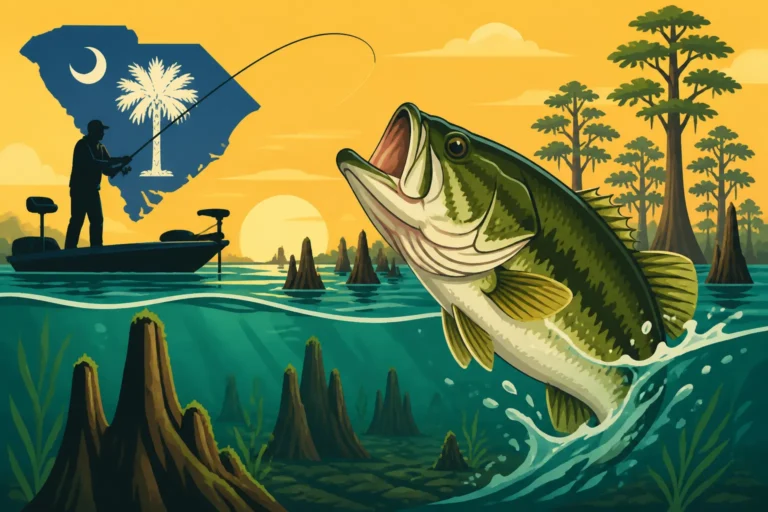
Lake Marion, often called the "Upper Lake," is the larger of the two, covering approximately 110,000 acres. It's shallower on average than Moultrie and is famous for its extensive cypress tree forests, vast stump fields, and numerous creek arms. This intricate, often dark-stained water is a paradise for largemouth bass, crappie, and bream. Anglers frequently explore the Cypress Stump Flats on Lake Marion for Bass Fishing, South Carolina, especially during the warmer months when fish seek shade and cover. The sheer amount of structure here provides endless hiding spots and ambush points for predatory fish.
When you're out on Lake Marion, you'll notice how different areas can feel like entirely separate fisheries. The upper reaches near Sparkleberry Landing, for example, are much more riverine, with current and shallower depths, while the wider main lake sections offer sprawling open water with isolated timber. This varied topography means that even within one lake, fish patterns can differ dramatically based on localized conditions.
Lake Moultrie: The Lower Lake's Deep Secrets
Downstream from Lake Marion lies Lake Moultrie, a nearly 60,000-acre basin known for its deeper, clearer water and more open expanse. While it still has plenty of cover, particularly submerged hydrilla beds and stump fields, it lacks the widespread cypress forests of Lake Marion. Lake Moultrie Catfish and Crappie Fishing Guide tips often emphasize the deeper channels and ledges here. This lake is a mecca for trophy-sized blue and flathead catfish, as well as an incredible striped bass fishery. Its greater depth provides thermal refuge for many species during the scorching South Carolina summers, allowing them to thrive even when surface temperatures soar.
The contours of Lake Moultrie are often more subtle, requiring anglers to rely on their electronics to find subtle ledges, humps, and brush piles that hold fish. It’s a different game than navigating the visible cypress trees of Marion, often demanding a more technical approach to fishing.
The Diversion Canal: A Crucial Connection
Connecting Lake Marion and Lake Moultrie is the Santee Cooper Diversion Canal, a roughly 7.5-mile-long, man-made waterway. This canal is not just a passage; it's a significant fishing spot in its own right. It experiences considerable current, especially when water is being moved between the lakes through the Pinopolis Dam on Lake Moultrie, which also generates hydroelectricity. The strong flow here attracts various species, particularly striped bass, which use the current to ambush baitfish. Fishing the canal often means adapting to varying current strengths and depths, making it a unique challenge and a productive spot during certain times of the year.
The canal acts like a highway, allowing fish to move between the two distinct environments. This movement is a critical factor in seasonal patterns, as fish migrate to find optimal water temperatures, spawning grounds, or abundant forage. Understanding this flow is key to predicting where certain species might be congregating.
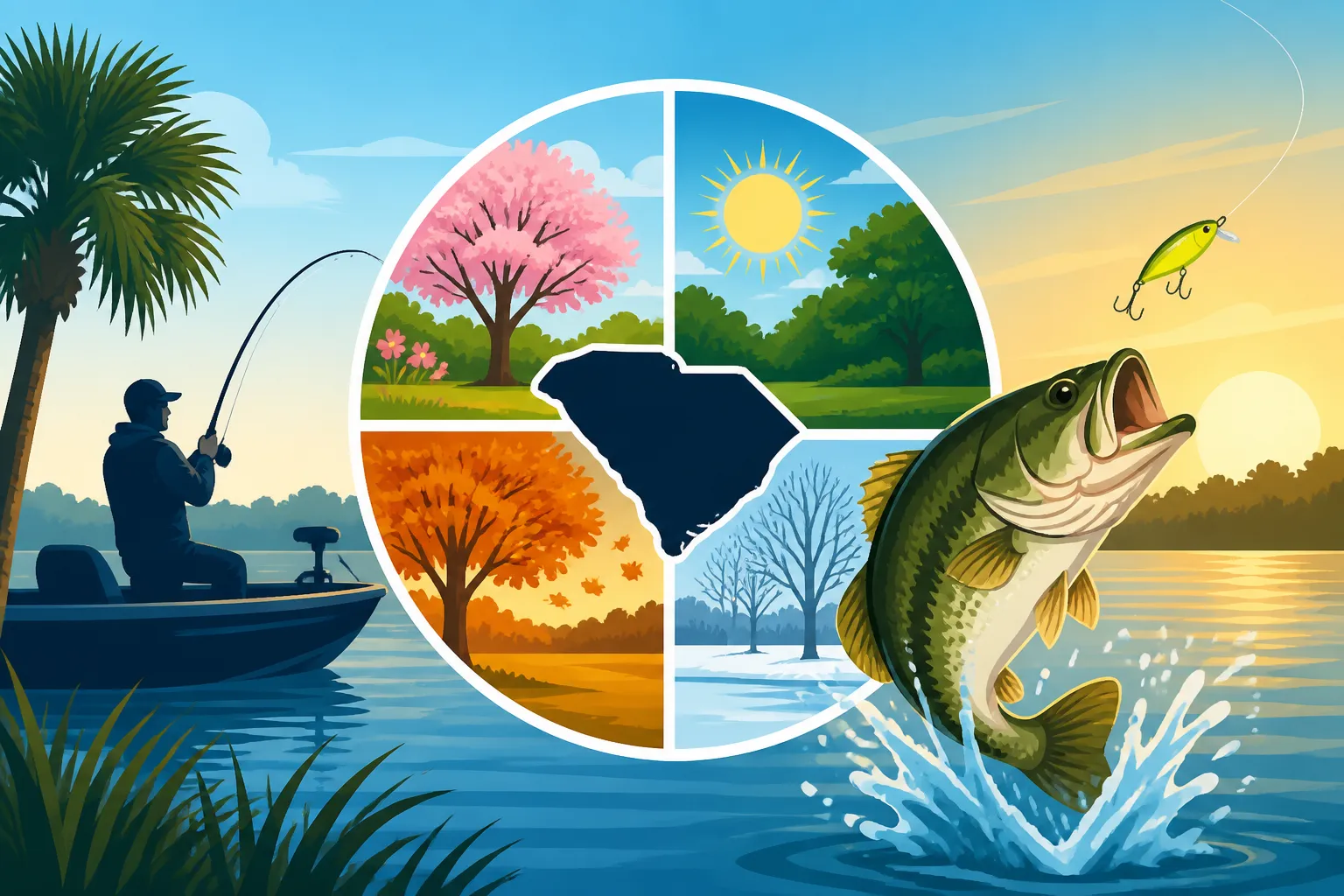
Spring Fishing: The Spawn and the Frenzy
Ah, spring! This is arguably the most anticipated time of year for many Santee Cooper anglers. As the water temperatures begin to rise, fish become incredibly active, driven by the urge to spawn and feed aggressively. The entire system comes alive, offering some of the most exciting fishing opportunities of the year.
Largemouth Bass in Spring
For largemouth bass enthusiasts, spring is prime time. The bass move from their deeper winter haunts into shallower waters, setting up for the spawn.
- Pre-Spawn (Late February – Early March): As water temperatures hit the low 50s to low 60s, bass begin to stage on points, creek channel bends, and secondary humps leading into spawning coves. They are fattening up for the strenuous spawning process, making them incredibly aggressive. Crankbaits, jerkbaits, and spinnerbaits are excellent choices during this period, covering water quickly to find active fish. You'll want to target areas near deeper water where they can quickly retreat if a cold front pushes through. This is when you can find some of the biggest bass of the year.
- Spawn (March – April): When the water temperatures consistently reach the mid-60s, the bass move onto their beds in shallow, protected coves and flats, especially around cypress trees, lily pad fields, and sparse hydrilla. This is sight-fishing heaven for many, though it also requires patience and a delicate approach. Soft plastics like lizards, trick worms, and creature baits pitched accurately to visible beds can provoke a strike. Remember, these fish are guarding their nests, not necessarily feeding. The exact timing of When Do Largemouth Bass Spawn in South Carolina Reservoirs? can vary slightly year to year based on weather, so always check local reports.
- Post-Spawn (Late April – May): After the spawn, bass are often recuperating and can be a bit sluggish. However, as they regain energy, they begin to feed heavily again, often moving slightly deeper to adjacent cover like brush piles, docks, and submerged timber. Topwater lures like poppers and buzzbaits can be fantastic during early mornings and late evenings, especially as they start chasing baitfish. Spinnerbaits and chatterbaits retrieved around shallow grass lines are also highly effective as bass transition back to more active feeding.
Crappie and Bream Bonanza
Spring isn't just for bass; it's also a fantastic season for crappie and bream (bluegill, redear sunfish, etc.). These panfish move into shallow waters to spawn, making them accessible to bank anglers and boaters alike.
- Crappie: As the water warms into the 60s, crappie push into incredibly shallow water, often just a few feet deep, around brush piles, submerged timber, and cypress trees. They are voracious eaters during this time. Minnows fished under a bobber or small jigs, especially in chartreuse, white, or black-and-chartreuse, are deadly. You can often find large schools, and once you locate them, the action can be non-stop. Mastering Crappie Jigging Techniques for Beginners can lead to full livewells during this time. Look for them around fallen trees and docks in protected coves.
- Bream (Bluegill, Redear Sunfish): These feisty panfish follow the crappie into the shallows a bit later in spring, typically when water temperatures are in the high 60s to low 70s. They make distinctive "beds" on hard bottoms in protected areas, which look like circular depressions. Crickets, worms, and small beetle spins are irresistible to them. This is excellent fishing for families and beginners, offering plenty of action and delicious table fare.
Striped Bass Spring Run
Striped bass, South Carolina's official state fish, also become very active in the spring. While they don't reproduce naturally in Santee Cooper (they are stocked), the rising water temperatures and increased baitfish activity energize them. They often congregate in the Diversion Canal, as well as the main lake basins of both Marion and Moultrie. Trolling with bucktails, swimbaits, or live bait (like shad or herring) can be highly effective for finding these schooling fish. As the season progresses and waters continue to warm, they’ll start moving towards deeper, cooler water.
Summer Fishing: Battling the Heat, Finding the Deep
Summer on Santee Cooper can be challenging due to the intense heat, but it also offers some of the most consistent fishing for certain species, especially if you're willing to adapt your approach. This is when understanding the deeper parts of the lake and nocturnal patterns becomes crucial.
Deepwater Catfish Action
When the summer sun beats down, the true giants of Santee Cooper—the blue and flathead catfish—thrive. They often retreat to the cooler, deeper waters, especially in Lake Moultrie.
- Blue Catfish: These incredible fighters will congregate in the deepest channels, humps, and ledges. They are scavengers and excellent hunters, and fresh cut bait (like shad, herring, or bream) is their weakness. Setting up on a deep river channel or a prominent hump in Lake Moultrie and deploying multiple rods with heavy weights and substantial bait can yield monster fish. Night fishing for blue cats is particularly popular and productive in the summer, as they move shallower to feed under the cover of darkness. For those looking for trophy cats, Catfish Bottom Fishing Basics are essential knowledge here.
- Flathead Catfish: Flatheads prefer live bait, such as smaller bream or shad, and often inhabit areas with abundant cover like submerged timber or rocky outcrops in the deeper sections of both lakes. They are ambush predators, so presenting live bait near structure in deeper water can be very effective. Like blues, they are more active at night during the summer.
Largemouth Bass in Summer's Grip
Catching largemouth bass in summer requires a strategic approach. They'll seek refuge from the heat in deeper, cooler water or dense overhead cover.
- Early Morning and Late Evening: These are prime times for topwater lures. Buzzbaits, walking baits (like a Heddon Super Spook), and poppers worked over hydrilla beds, along cypress tree lines, or around docks can draw explosive strikes. As the sun rises, the bite typically slows in shallow water.
- Deep Structure: During the brightest parts of the day, bass will move to deeper ledges, humps, brush piles, and submerged timber. Carolina rigs, deep-diving crankbaits, football jigs, and heavy Texas-rigged worms are excellent for probing these depths. Electronics are invaluable for locating these subtle underwater features.
- Heavy Cover: In Lake Marion especially, bass will bury themselves deep within the shade of dense cypress trees, lily pads, or matted vegetation. Flipping and pitching heavy jigs or creature baits into these impenetrable spots can produce bites from stubborn fish.
Striper Schools in Open Water
Summer stripers on Santee Cooper are all about the chase. They form large schools in the open waters of Lake Moultrie, often following thermoclines (layers of water with different temperatures) where baitfish congregate.
- Trolling: Downrigging with live bait, spoons, or bucktails is a very popular and effective method for targeting these suspended schools. You'll need good electronics to mark the depth of the thermocline and the baitfish.
- Topwater (Briefly): Very early in the morning or late in the evening, stripers might briefly surface to bust baitfish, offering an exhilarating topwater opportunity. Have a casting rod ready with a large topwater plug or a heavy spoon.
- Live Bait: Freeline live shad or herring around schooling stripers marked on your sonar for a more natural presentation.
Fall Fishing: The Feast Before Winter
As autumn arrives, the cooler air temperatures begin to drop the lake’s water temperature, signaling a dramatic shift in fish behavior. Fall is another fantastic season on Santee Cooper, characterized by aggressive feeding frenzies as fish bulk up for the approaching winter.
Exploding Bass and Striper Bites
The cooling water energizes both bass and stripers, prompting them to chase baitfish relentlessly.
- Largemouth Bass: Fall bass fishing can be spectacular. Bass move out of their deep summer haunts and follow baitfish into shallower creeks, coves, and main lake points. They are aggressive and willing to chase. Crankbaits, spinnerbaits, bladed jigs, and lipless crankbaits are highly effective for covering water and locating active schools. Topwater action can also remain strong, especially on calm, overcast days, as bass ambush baitfish near the surface. Look for active schooling baitfish; where the bait is, the bass won't be far behind.
- Striped Bass: Fall is arguably the best time for trophy striped bass on Santee Cooper. They become incredibly active, often schooling up and "boiling" on the surface as they decimate baitfish. Keep an eye out for bird activity, as diving gulls and terns often pinpoint striper schools from above. Trolling, casting large swimbaits, bucktails, or jigging spoons are all effective. Live bait, particularly gizzard shad, also produces excellent results. The Santee Cooper Lakes provide some of the Best Striped Bass Fishing Spots in South Carolina during this season.
Crappie and Catfish on the Move
Crappie and catfish also respond positively to the cooling fall temperatures.
- Crappie: Similar to bass, crappie transition from their deeper summer refuges back towards shallower creek channels, brush piles, and timber lines as baitfish move. They'll feed heavily, often in predictable schools. Vertical jigging with minnows or small jigs around submerged cover remains a top technique. You might find them in slightly deeper water than in spring, but still accessible.
- Catfish: Fall is a phenomenal time for both blue and flathead catfish. The cooler water means they are active throughout the day, not just at night. They'll remain in deeper channels and holes but will be more inclined to roam and feed. Fresh cut bait or live bait fished on the bottom continues to be the most reliable method for these powerful fish. As cooler temperatures arrive, the metabolism of these fish increases, making them more receptive to a well-placed bait.
Winter Fishing: Chasing the Chill
Don't let the colder temperatures deter you; winter fishing on Santee Cooper can be incredibly rewarding, especially for those who brave the chill. While overall activity slows down, certain species remain very catchable, and the lack of crowds can make for a peaceful and productive outing.
Winter Catfish and Crappie
These two species often remain consistent targets through the colder months.
- Catfish: Winter is often cited as one of the best times for trophy blue catfish on Santee Cooper. While they may move slower, they still need to feed. They tend to congregate in deeper, stable water in the main river channels and large holes in both Lake Marion and Lake Moultrie. Fresh cut bait, especially shad, is key. Use your electronics to locate schools of baitfish and the catfish feeding nearby. The bites might be subtler, but the fish are often larger.
- Crappie: Winter crappie move to deep water structure, often congregating around brush piles, timber, and channel ledges. They can be found suspended over deep water. Slow, vertical jigging with small jigs (like Bobby Garland crappie jigs) or tiny minnows is the most effective technique. Look for them on your electronics, sometimes in schools tight to structure, sometimes suspended in open water near deep channels. This is when finesse and patience pay off. For more details on adapting to the cold, check out some specific Winter Fishing Techniques in South Carolina Lakes.
The Elusive Winter Bass and Striper
While generally tougher than other seasons, you can still find good bass and striper action in winter with the right approach.
- Largemouth Bass: Bass metabolism slows drastically in cold water. They'll often hold tight to deep cover like submerged timber, rock piles, or deep docks. Slowly fished jigs, shaky heads, or suspending jerkbaits can entice a strike. Look for areas with slightly warmer water, such as those that get more direct sunlight or have darker bottom compositions that absorb heat. The bites will be subtle, and you’ll need to work your lures painstakingly slowly.
- Striped Bass: Winter stripers often remain in the deeper sections of Lake Moultrie. They may school up over deep humps and channels. Vertical jigging with heavy spoons or large soft plastic swimbaits, often fished right on the bottom or suspended over deep water, can be effective. Trolling with umbrella rigs can also tempt these cold-water stripers.
Seasonal Overview Table
To give you a quick reference, here’s a breakdown of the best times for some of the most sought-after species on Santee Cooper.
| Species | Best Season(s) | Primary Locations | Key Techniques |
|---|---|---|---|
| Largemouth Bass | Spring (March-May), Fall (Sept-Nov) | Shallow coves, cypress trees, hydrilla (Spring); Creek channels, points (Fall) | Spinnerbaits, jigs, soft plastics (Spring); Crankbaits, topwater, jigs (Fall) |
| Crappie | Spring (March-May), Fall (Sept-Nov), Winter (Dec-Feb) | Shallow brush, timber (Spring); Deep brush, channels (Fall/Winter) | Minnows, small jigs, bobber fishing (Spring); Vertical jigging (Fall/Winter) |
| Blue Catfish | Summer (June-Aug), Fall (Sept-Nov), Winter (Dec-Feb) | Deep channels, humps, ledges (all seasons) | Fresh cut bait, bottom fishing (day & night in Summer) |
| Flathead Catfish | Summer (June-Aug), Fall (Sept-Nov) | Deep timber, rocky areas, channel edges | Live bait (bream, shad), bottom fishing (day & night in Summer) |
| Striped Bass | Spring (March-May), Fall (Sept-Nov) | Diversion Canal, open lake basins (Spring); Open water, schooling (Fall) | Trolling, live bait, bucktails (Spring); Topwater, swimbaits, jigging (Fall) |
Tips for Maximizing Your Santee Cooper Trip
Knowing the best time of year is a huge first step, but a few additional tips can truly elevate your Santee Cooper fishing experience.
Consulting Local Knowledge
The Santee Cooper Lakes are massive, and conditions can change rapidly. Tapping into local knowledge is invaluable. Visiting local tackle shops like Blacks Camp, known for its deep roots in the Santee Cooper fishing community, can provide you with up-to-the-minute reports on what's biting, where, and on what. These folks live and breathe Santee Cooper and can offer insights that no general guide ever could.
Consider hiring a local fishing guide, especially if it's your first time or you're targeting a specific species. They know the lakes like the back of their hand and can put you on fish quickly, saving you precious fishing time. Services like FishingBooker connect you with experienced guides who specialize in various species and techniques across the Santee Cooper system. A good guide can teach you more in a few hours than you might learn in days of trial and error. You can find guides specializing in Catfish Fishing Spots on Lake Wateree or even guides who focus on the Santee Cooper Lakes: South Carolina's Legendary Bass Fishery.
Monitoring Weather and Water Conditions
Fishing success on Santee Cooper is heavily influenced by weather and water conditions. Always check the forecast before you go.
- Temperature: Water temperature is the single biggest factor in fish behavior. Tools like online fishing reports or fish finders with temperature gauges can help you stay dialed in.
- Rain and Fronts: Heavy rains can muddy the water, pushing fish to cleaner areas, while cold fronts can shut down a bite for a day or two. Understanding how fish react to these changes will help you adjust your strategy. Bass, for instance, often become more lethargic after a cold front.
- Wind: Strong winds can make fishing difficult and even dangerous on these large open lakes, but a gentle breeze can create current and chop that make fish more active.
- Water Levels: Fluctuations in water levels, often managed by Santee Cooper's hydroelectric operations, can impact where fish hold. Keep an eye on local news or Santee Cooper's official website for updates.
Licensing Requirements
Before you cast a single line, ensure you have the proper South Carolina Fishing License Guide. For fishing the Santee Cooper Lakes, you'll need a freshwater fishing license. Whether you're a resident or a nonresident, and whether you want an annual or short-term license, there are different options available. You can typically purchase these online through the South Carolina Department of Natural Resources (SCDNR) website, at local tackle shops, or even through platforms like FishingBooker when booking a guided trip (though always confirm if the guide includes it). Penalties for Fishing Without a License in South Carolina can be hefty, so it’s not worth the risk!
Understanding the nuances of Santee Cooper's seasonal patterns is key to consistently successful fishing. By combining this knowledge with local insights and attention to current conditions, you're well on your way to experiencing the legendary fishing the Palmetto State has to offer.
Disclaimer
Please be aware that fishing regulations, including bag limits and slot sizes, can change. Always consult the latest regulations from the South Carolina Department of Natural Resources (SCDNR) before heading out on the water. This guide is for informational purposes only and should not replace official sources.