Remote and Uncrowded Fishing Spots in South Carolina
It's a common story, isn't it? You wake up early, excited for a peaceful morning on the water, only to arrive at your favorite South Carolina fishing spot and find it already swarming with other anglers. The quest for solitude, that quiet connection with nature, and the chance to cast a line without dodging a dozen other boats can feel like an impossible dream. But don't despair! This guide is all about helping you uncover those truly remote and uncrowded fishing spots across our beautiful state, where the fish are often less pressured and the tranquility is abundant.
Why Seek Out Uncrowded Fishing Spots?
There’s something undeniably special about finding a stretch of water where it feels like you're the only person for miles. While popular destinations certainly have their charm and their bounty, the appeal of a secluded fishing spot goes far beyond just catching fish. It's about the experience, the peace, and the unique challenges and rewards that come with venturing off the beaten path.
The Allure of Solitude and Serenity
Imagine a morning where the only sounds you hear are the gentle ripple of the water, the chirping of birds, and the soft whir of your reel. That's the promise of an uncrowded fishing spot. In today's fast-paced world, finding moments of genuine quiet can be incredibly restorative. When you're not competing for space, worrying about tangled lines with other anglers, or listening to the constant drone of multiple boat engines, you can truly immerse yourself in the act of fishing. It becomes less about the catch and more about the journey, the contemplation, and the sheer joy of being outdoors. This solitude allows for a deeper connection with the natural environment, fostering a sense of peace that's hard to find in more bustling locations.
Better Fishing Opportunities
Let's be honest, fewer people usually means less fishing pressure on the fish. When a particular area sees constant angler traffic, the fish become warier, more accustomed to lures, and often harder to entice. In remote spots, however, fish haven't seen every type of soft plastic or crankbait under the sun. They can be more aggressive, less selective, and more willing to bite. This isn't a guarantee of a trophy catch every time, of course, but it significantly increases your chances of consistent action and perhaps even encountering a larger, less-molested specimen that has had years to grow. It also allows for more experimental fishing, letting you try different techniques without the pressure of needing to produce quickly.
Enhanced Connection with Nature
Beyond the quiet and the potential for better fishing, venturing into uncrowded areas offers an unparalleled opportunity to truly connect with South Carolina's diverse ecosystems. You might stumble upon wildlife you wouldn't typically see in busier areas – a deer watering at the creek bank, an osprey diving for its meal, or an alligator sunning itself on a remote sandbar. These moments add an incredible layer to your fishing trip, transforming it into a genuine wilderness experience. It reminds you that fishing is not just a sport, but a way to witness and appreciate the intricate beauty of the natural world, far from the distractions of everyday life.
Unearthing Hidden Gems in Freshwater
South Carolina is blessed with a vast network of freshwater rivers, lakes, and ponds, many of which offer fantastic fishing away from the crowds if you know where to look. From the rolling Piedmont hills to the tranquil mountain valleys, there are endless opportunities for discovery.
Piedmont's Lesser-Known Rivers and Creeks
While the larger lakes like Murray and Santee Cooper draw the lion's share of attention, the Piedmont region is crisscrossed with numerous rivers and creeks that rarely see heavy traffic. Think about stretches of the Broad River beyond the popular access points or some of the smaller tributaries flowing into the Congaree River. These waters often hold a healthy population of bass, panfish, and even some striped bass in their upper reaches. Access might require a bit more effort, perhaps a small john boat, a canoe, or even wading, but the reward is often pristine water and unpressured fish.
Exploring these areas often means pulling out a map and looking for obscure public access points, bridge crossings, or small parks that don't have major boat ramps. The Edisto River, for example, especially its blackwater bends, offers fantastic fishing for redbreast sunfish and largemouth bass, with many sections that feel utterly wild. You might find success casting a small spinnerbait or a beetle spin under fallen logs and along submerged banks. Remember that understanding South Carolina's Freshwater Fishing Regulations is crucial, even in these quieter zones, to ensure you're fishing legally.
Mountain Lakes and Trout Streams
Up in the northwest corner of the state, the South Carolina portion of the Blue Ridge Mountains offers a completely different kind of secluded freshwater experience. Here, you'll find smaller, crystal-clear lakes nestled among the peaks, as well as cold, flowing trout streams. Lake Jocassee, while known, has many remote coves and arms that require a long boat ride or kayak paddle to reach, offering incredible trout and smallmouth bass fishing in breathtaking scenery. For those seeking true solitude, the streams that feed into these lakes, or headwaters like those found in the Sumter National Forest, often hold native brook trout.
Fishing these mountain streams is a different discipline altogether, often requiring stealth, precision casting with light tackle, or fly fishing. Many of these streams are part of the designated "catch-and-release" trout waters or have specific limits. For dedicated anglers, understanding Best Streams for Brook Trout in the Blue Ridge Mountains can unlock some truly magical and isolated fishing opportunities. The reward isn't just the unique beauty of the fish, but the serene environment of the mountain forests and the challenge of navigating these wilder waters.
Exploring Smaller Public Ponds and State Parks
Don't overlook the myriad of smaller public ponds and the waters within South Carolina State Parks. While some park lakes can get busy, many others, especially those requiring a short walk or offering limited boat access (like electric motors only), remain surprisingly quiet. These smaller bodies of water are often teeming with panfish like bluegill and crappie, as well as a healthy population of largemouth bass. They are fantastic for bank fishing or launching a kayak or canoe for a peaceful paddle-and-cast session.
For instance, certain ponds managed by the South Carolina Department of Natural Resources (SCDNR) as part of their Public Fishing Lake program might offer less pressure than larger reservoirs. These often have specific rules about boat size and motor types, which naturally limit the number of anglers. Before you head out, always check the specific park or pond's regulations. Places like Lake Issaqueena near Clemson, or certain small impoundments within remote wildlife management areas, can provide excellent, unhurried fishing. Even some of the Family-Friendly Fishing Spots in South Carolina might have quieter corners if you're willing to explore beyond the main pier.
Secluded Saltwater Sanctuaries
South Carolina’s coastline is a labyrinth of salt marshes, barrier islands, and intricate estuarine systems, offering endless possibilities for saltwater anglers seeking refuge from the crowds. While popular inlets and sounds can get packed, a little exploration can reveal incredible, untouched fishing grounds.
Remote Estuaries and Backwater Creeks
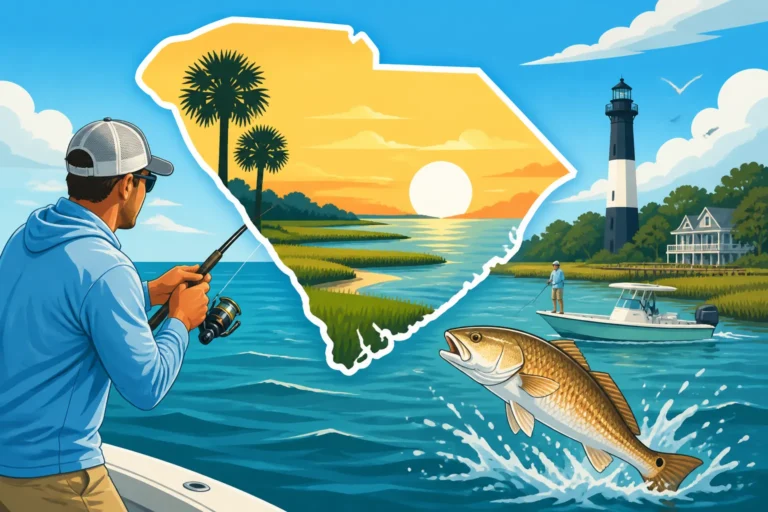
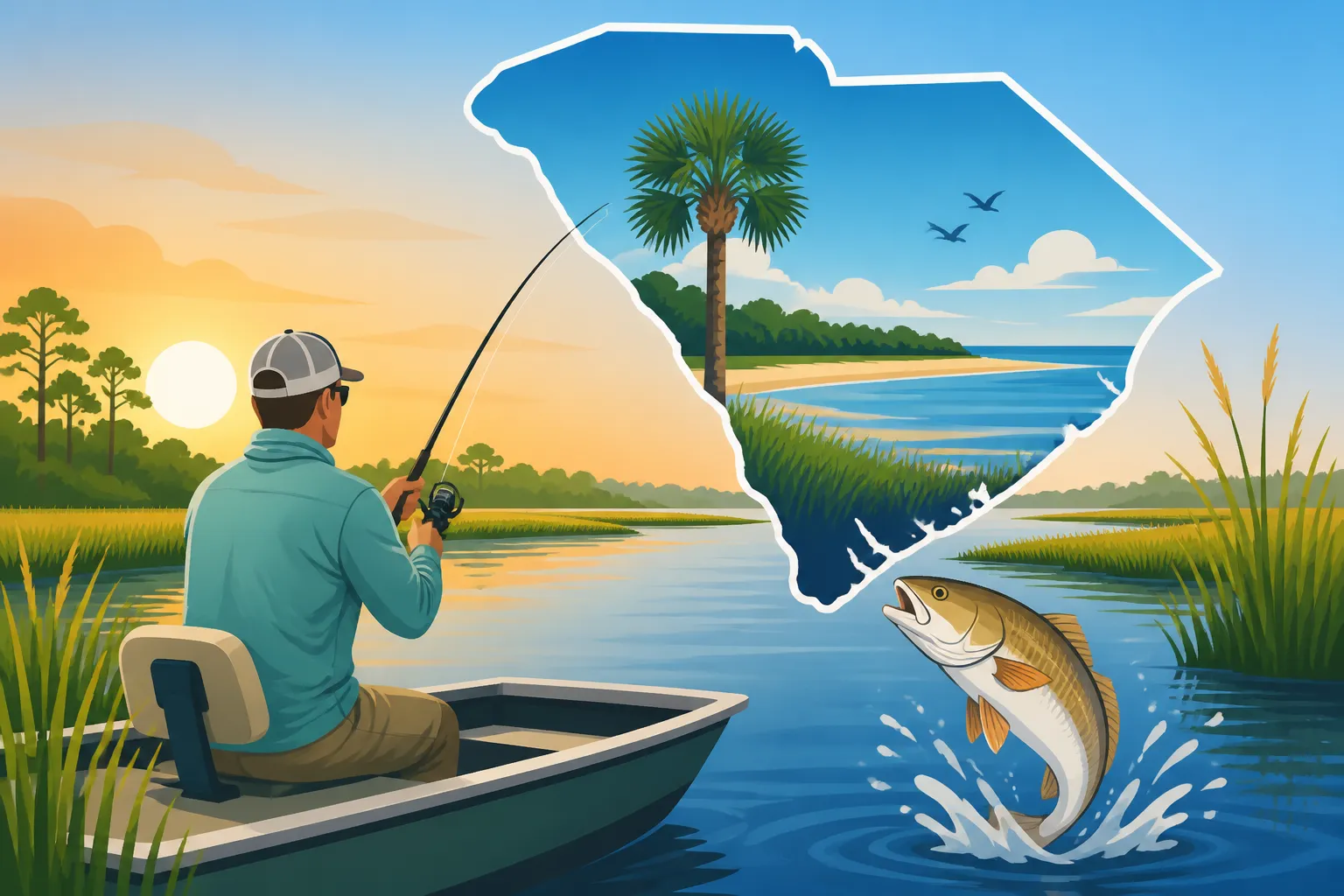
The Lowcountry's vast expanse of spartina grass marsh isn't just pretty to look at; it's a critical ecosystem brimming with redfish, spotted seatrout, flounder, and other desirable species. To find uncrowded spots, you need to venture deep into the intricate network of backwater creeks and tidal guts that spiderweb through these marshes. Many of these areas are only accessible by kayak, paddleboard, or a shallow-draft skiff on higher tides, naturally weeding out the larger boats. The further you get from main boat ramps and popular channels, the more pristine and productive the fishing tends to be.
These secluded estuaries offer incredible sight-fishing opportunities, especially for tailing redfish on flood tides as they forage in the grass. You might also find schools of hungry seatrout congregated around oyster beds on an outgoing tide. When planning your trip, remember that Saltwater Fishing Rules in South Carolina apply just as strictly here, covering everything from bag limits to size restrictions. For example, understanding the South Carolina Redfish Slot Limit Rules is key to ensuring you're compliant. Don't forget that using a platform like FishingBooker can sometimes help you find local guides who specialize in these hard-to-reach, productive marsh areas, ensuring you're with someone who knows the tides and the fish behavior.
Untouched Barrier Island Shores
South Carolina is dotted with numerous barrier islands, some developed and bustling, but many others remain wild, pristine, and largely uninhabited. Accessing these untouched shores often involves a boat ride across open water, and then anchoring and wading or exploring by foot. Islands like Capers Island near Charleston, or certain sections of Hunting Island State Park (away from the main beach), can offer incredible surf fishing opportunities without the usual crowds. You might find larger pompano, red drum, and even sharks patrolling these less-pressured stretches of beach.
Fishing these untouched shores requires a different approach to typical pier or jetty fishing. You'll need to read the beach, looking for sloughs, run-outs, and sandbars where fish might be feeding. A sturdy surf rod, pyramid sinkers, and fresh bait like cut mullet or shrimp are often the keys to success. The reward is not just the potential for excellent fishing, but the feeling of being on a truly wild, undeveloped coastline, where the rhythm of the ocean is your only companion.
Kayak and Paddleboard Access-Only Spots
For the truly adventurous and those willing to put in some paddle power, South Carolina has countless fishing spots that are effectively "kayak or paddleboard access only." These are typically very shallow creeks, flooded Spartina flats, or narrow passages that simply can't accommodate motorboats. This naturally creates a sanctuary for fish and anglers alike. Examples might include the intricate creeks off the Folly River near Charleston, or hidden coves deep within the ACE Basin.
These spots are ideal for targeting redfish, spotted seatrout, and even small flounder with light tackle or fly gear. The quiet approach of a kayak or paddleboard allows you to get incredibly close to feeding fish without spooking them. You'll need to be mindful of tides, as some of these areas can become impassable at low tide, stranding you far from your launch point. Investing in a good fishing kayak or paddleboard equipped for angling can unlock a whole new world of remote fishing. Many guides on platforms like FishingBooker specialize in kayak or paddleboard trips to these highly secluded areas. If you're looking for more information on techniques, check out How to Fish From a Kayak for Bass which offers transferable tips for saltwater species too.
Planning Your Remote Fishing Adventure
Venturing into remote areas requires more than just a sense of adventure; it demands careful planning and preparation. Unlike a quick trip to a local pier, going off-grid means being self-sufficient and aware of your surroundings.
Researching Access and Regulations
Before you even pack your rod, extensive research is your best friend. Start with online maps, satellite imagery, and SCDNR resources. Look for public land, state forest access points, or small, unmarked launch sites that might indicate quieter waters. Pay close attention to the specific regulations for the area you plan to visit. Is it a Wildlife Management Area (WMA) with special seasonal rules? Are there motor restrictions on the lake? What are the current South Carolina Fishing License Requirements in South Carolina? Even something as basic as a South Carolina Fishing License Guide should be reviewed. Knowing these details upfront can prevent frustrating setbacks or, worse, legal issues.
Talking to locals, bait shop owners, or even scouring fishing forums for obscure tips can also provide invaluable insights into truly uncrowded spots. Sometimes, the best spots are those that require a bit of a hike or a longer paddle, which deters most casual anglers. Always double-check property boundaries – you don't want to inadvertently trespass on private land, which can quickly ruin a peaceful day.
Essential Gear for Off-the-Beaten-Path Trips
Your gear list for a remote fishing trip will likely differ from a standard outing. Beyond your usual rod, reel, and tackle, consider these essentials:
- Navigation: A reliable GPS device or a navigation app on your phone (with downloaded offline maps) is crucial, especially in featureless marsh environments or dense forests.
- Safety Gear: A first-aid kit, whistle, flashlight/headlamp (even for day trips, just in case), multi-tool, and a communication device (satellite messenger for truly remote areas where cell service is non-existent) are non-negotiable.
- Water & Food: Pack more water than you think you'll need. Dehydration is a serious risk, especially in South Carolina's heat. Non-perishable snacks are also a must.
- Sun Protection: Sunscreen, a wide-brimmed hat, and UPF-rated clothing are vital for long hours exposed to the elements.
- Bug Repellent: Mosquitoes and gnats can be brutal, especially in marshy or wooded areas.
- Waders/Appropriate Footwear: Depending on whether you're wading a creek or walking marsh flats, sturdy, water-appropriate footwear is essential.
- Trash Bag: Always pack out everything you pack in (and then some!).
Having the right gear ensures your comfort, safety, and ability to navigate and fish effectively in isolated conditions. For more ideas on what to bring, a general checklist like What to Bring on a South Carolina Fishing Charter can be a good starting point, even if you're not on a charter.
Safety Considerations and Preparedness
When you're far from the beaten path, help isn't always around the corner. Always inform someone of your float plan – where you're going, your expected return time, and who to call if you don't check in. Be aware of local wildlife, including alligators in many freshwater and saltwater areas, and snakes. Know how to react in an encounter and give them space. Weather in South Carolina can change rapidly, so monitor forecasts closely and be prepared for sudden storms, especially during warmer months.
If you're heading out on the water, ensure your vessel (kayak, canoe, small boat) is in good working order, and always wear a PFD (personal flotation device). Learning basic first aid and wilderness survival skills can also be invaluable. The goal isn't to be paranoid, but to be prepared and respectful of the wild environments you're entering.
Utilizing Resources for Discovery
Finding those truly remote and uncrowded spots often feels like detective work. Thankfully, there are several resources that can help you piece together the puzzle and lead you to your next peaceful fishing adventure.
SCDNR Maps and Local Knowledge
The South Carolina Department of Natural Resources (SCDNR) website is a treasure trove of information. Their interactive maps often highlight public fishing lakes, boat ramps, and wildlife management areas that contain fishing access. While they won't explicitly label "uncrowded," areas with limited access or those within large public land tracts (like national forests or WMA boundaries) are strong indicators of potential solitude. Digging through their fishing reports and species distribution maps can also point you toward less-pressured waters that hold the fish you're targeting.
Beyond the official resources, local knowledge is golden. Strike up conversations at small-town bait shops, independent sporting goods stores, or even local diners. Often, the folks who've lived and fished an area for decades can offer insights into overlooked creeks, ponds, or river bends that don't appear on tourist maps. They might not give away their secret honey hole, but they can certainly steer you in the right direction. Just be polite, respectful, and genuinely interested in their insights, and you might learn about some great Off-the-Beaten-Path Fishing Spots in South Carolina.
Online Forums and Community Insights
The internet, despite its ability to make everything public, can still be a valuable tool for finding secluded spots. Specialized fishing forums for South Carolina, Facebook groups dedicated to specific types of fishing (like kayak fishing or fly fishing), and even apps like Fishbrain can sometimes offer clues. Anglers who prefer solitude are often hesitant to post exact coordinates, but they might describe a type of area, a general region, or a specific access challenge that points you toward less-traveled water. Look for discussions about wading access, canoe launches, or areas requiring long hikes, as these are often indicators of fewer crowds.
When using these resources, remember that some information might be outdated or intentionally vague to protect a spot. Always cross-reference any tips with official maps and regulations. However, the collective knowledge of the angling community can be incredibly powerful in helping you identify potential areas worth exploring further.
Chartering with Guides Who Know the Secrets
Sometimes, the quickest and safest way to discover truly remote and productive spots is by hiring a local fishing guide who specializes in these areas. Many guides pride themselves on taking clients to less-pressured waters, not just because of the solitude, but because it often leads to better fishing. They possess an intimate knowledge of local tides, currents, and fish patterns in areas that would be impossible for an outsider to find on their own. This is especially true for intricate marsh systems or complex river networks.
Platforms like FishingBooker are excellent for finding these specialized guides. You can filter by location, species, and even boat type, allowing you to connect with guides who operate shallow-water skiffs or kayaks specifically designed to access secluded creeks. While it's an investment, a good guide can teach you more in a single trip about navigating and fishing remote areas than you might learn in months of solo exploration. They can also provide all the necessary gear and ensure you're compliant with all South Carolina Fishing License Age Requirements for any younger anglers in your group. Look for guides who emphasize "backcountry," "marsh," or "fly fishing" trips, as these often focus on less-accessible areas.
| Type of Remote Spot Access | Best Vessel/Method | Key Advantages | Potential Challenges | Target Species Example |
|---|---|---|---|---|
| Deep Marsh Creeks / Flats | Kayak, Paddleboard, Poling Skiff | Extreme stealth, access very shallow water, unpressured fish | Tidal dependence, physical exertion, navigation | Redfish, Spotted Seatrout |
| Piedmont River Sections | Canoe, Small Jon Boat, Wading | Quiet waters, diverse species, scenic beauty | River currents, limited access points, portaging | Largemouth Bass, Catfish, Panfish |
| Mountain Streams | Hiking, Wading, Light Backpacking | Pristine wilderness, native trout, ultimate solitude | Strenuous hiking, delicate fishing, tricky footing | Brook Trout, Rainbow Trout |
| Small Public Ponds | Bank Fishing, Kayak, Belly Boat | Easy access, family-friendly, consistent panfish | Limited space, can still see some pressure | Bluegill, Crappie, Small Bass |
| Wild Barrier Island Shores | Offshore Boat (to island), Wading | Unspoiled beaches, surf fishing for larger fish | Ocean conditions, strong currents, no amenities | Pompano, Red Drum, Whiting |
Respecting the Wilderness: Leave No Trace
When we seek out these remote and uncrowded fishing spots, we take on a special responsibility to protect them. The very qualities that make these places so appealing – their pristine nature and lack of human impact – are fragile and easily damaged. Practicing Leave No Trace principles is not just good etiquette; it's essential for preserving these unique environments for future generations.
Protecting Fragile Ecosystems
Remote areas often contain delicate ecosystems that are more susceptible to human impact. Salt marshes, for example, are vital nurseries for countless marine species, and trampling the grass or leaving trash can have cascading negative effects. Mountain streams and their riparian zones are equally sensitive, where erosion from foot traffic can degrade water quality and harm fish habitat. When you venture into these wild places, stay on established trails (if they exist), avoid disturbing vegetation unnecessarily, and be mindful of where you step, wade, or beach your boat.
Consider the impact of your actions, even small ones. A single piece of fishing line or a discarded plastic bait can take hundreds of years to break down and can be deadly to wildlife. Always check your surroundings before leaving and make sure you haven't left anything behind. The goal is to leave the spot exactly as you found it, or ideally, even cleaner.
Practicing Catch and Release Thoughtfully
While catching fish is a primary goal, in remote and unpressured areas, it's often wise to practice thoughtful catch and release, especially for larger breeding fish. These less-fished populations can be more vulnerable to over-harvest, and releasing a healthy fish ensures that the population can continue to thrive. If you do choose to keep fish within legal limits, only take what you need and consume, avoiding unnecessary waste.
When practicing catch and release, handle fish gently with wet hands, minimize their time out of the water, and use appropriate dehooking tools. Avoid dragging fish through sand or on rough surfaces. For fish that are stressed or appear to be struggling, a gentle revival in the water, pointing them into the current, can greatly increase their survival chances. This mindful approach helps maintain the health and abundance of fish in these special, wild places.
Being a Responsible Angler
Being a responsible angler in remote settings extends beyond just following regulations. It means being an ambassador for conservation and respecting both the environment and other users. This includes properly disposing of all waste, including organic matter like bait scraps or fish carcasses, which can attract unwanted wildlife or disrupt natural processes. It means respecting wildlife from a distance, never approaching or harassing animals. And it means being prepared for emergencies, as discussed earlier, to avoid putting yourself or rescue services at risk in remote locations.
Ultimately, the privilege of fishing in South Carolina's remote and uncrowded spots comes with a responsibility to protect them. By adhering to Leave No Trace principles and being a thoughtful, prepared, and ethical angler, you contribute to the longevity of these precious natural resources, ensuring that the next generation of anglers can also experience the profound peace and incredible fishing they offer.
Disclaimer
Please note that fishing regulations, access points, and fish populations can change. Always check the latest South Carolina Department of Natural Resources (SCDNR) regulations and local advisories before planning your trip. Fishing in remote areas carries inherent risks, and proper planning, safety gear, and awareness of your surroundings are essential for a safe and enjoyable experience.