Lake Murray Fishing Guide for South Carolina Anglers
Lake Murray is a magnificent body of water, but for new anglers or even seasoned visitors, its sheer size and diverse habitats can feel overwhelming. Figuring out where to start, what to use, and when to go can be a real head-scratcher. This comprehensive guide is designed to cut through that confusion, offering practical, in-depth advice to help you successfully navigate Lake Murray's waters and enjoy some truly fantastic South Carolina fishing.
Lake Murray's Angling Appeal: Why It's a Palmetto State Treasure
Often called the "Jewel of South Carolina," Lake Murray isn't just a pretty face. This massive 50,000-acre reservoir, formed by the Saluda River, is an angler's paradise, renowned across the Southeast for its abundant and diverse fish populations. From thrilling battles with hard-fighting stripers to serene afternoons chasing panfish, it offers something for every fishing preference and skill level. It's truly a place where memories are made, often against the backdrop of stunning sunsets over the water.
A Brief Overview of Lake Murray's Ecosystem
Lake Murray's unique ecosystem is a primary driver of its exceptional fishery. Its clear, fertile waters are home to extensive submerged structures, vast open water expanses, and countless feeder creeks and coves, all of which create ideal habitats for various species. The lake's depth, reaching over 200 feet in some areas near the dam, provides thermal refuge for fish during the hot South Carolina summers, while its shallower flats and abundant hydrilla beds offer prime spawning and feeding grounds. The nutrient flow from the Saluda River continually replenishes the lake, supporting a robust food chain that keeps fish healthy and growing. The interplay of these factors creates a dynamic environment where fish can thrive year-round, offering consistent angling opportunities if you know where to look.
The Diverse Fish Species Calling Lake Murray Home
What truly sets Lake Murray apart is the incredible variety of fish species that thrive within its waters. It's not just a one-trick pony; you can pursue different angling adventures on the same lake! While it's perhaps most famous for its incredible striped bass fishery, there's so much more. You'll find healthy populations of largemouth bass, known for their aggressive strikes, as well as several panfish species like crappie and bream, which are perfect for family outings. And let's not forget the robust catfish population, providing exciting fights and delicious table fare. This rich diversity means that even if one species isn't biting, there's always another exciting option to pursue, making every trip to Lake Murray an adventure. It’s a testament to the lake’s health and the dedicated management efforts of the South Carolina Department of Natural Resources (SCDNR).
Prime Fishing Seasons and Best Times to Cast a Line on Lake Murray
Understanding the seasonal patterns of fish on Lake Murray is absolutely crucial for consistent success. Just like us, fish respond to changes in water temperature, daylight, and food availability, altering their behavior and preferred locations throughout the year. What works in April might not yield a single bite in August. Knowing when to target specific species and what techniques to employ can turn a frustrating day into a fantastic one.
Spring and Early Summer: The Action Heats Up
Ah, spring on Lake Murray! This is when the lake truly awakens, and the fishing can be absolutely phenomenal. As water temperatures begin to climb, typically from March through May, everything starts to move. Largemouth bass transition from their winter haunts to shallower waters for the pre-spawn and then the spawn itself. You'll find them cruising rocky points, submerged timber, and along the edges of hydrilla beds. They're aggressive and hungry, making this a prime time for throwing spinnerbaits, crankbaits, and soft plastics.
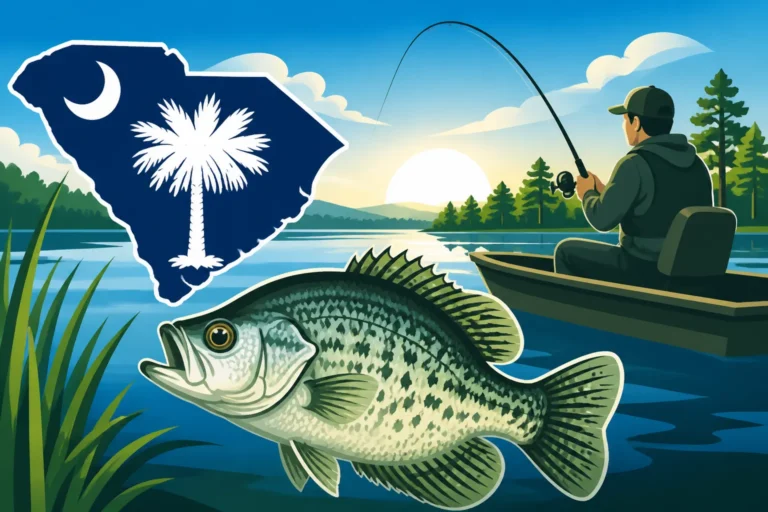
Crappie, too, become very active, moving into shallow brush piles and around docks to spawn. This is a fantastic time for a quiet afternoon with a jig or a minnow, filling a cooler for a delicious fish fry. The early summer, from late May into July, continues this hot streak. While the spawn might be over for many species, the abundance of baitfish keeps predators active. Striped bass, in particular, begin to school heavily, providing incredible topwater action during dawn and dusk. This is also when you'll want to start thinking about those deeper techniques if you're after the bigger stripers, as they'll seek cooler waters as the sun gets higher. Many anglers find great success trolling the open waters or live-lining blueback herring near structure. If you're looking for specific tactics, our guide on Lake Murray Summer Striped Bass Techniques in South Carolina offers some excellent pointers.
Fall and Winter: Unlocking Cooler Water Opportunities
Don't let the colder months deter you; fall and winter fishing on Lake Murray can be incredibly rewarding, often with fewer crowds. As temperatures drop in September and October, the lake undergoes what's known as "turnover," and baitfish begin to school up in predictable patterns. This leads to some of the most intense feeding frenzies of the year, especially for striped bass and largemouth bass. Stripers will chase baitfish to the surface, creating explosive topwater action that can last for hours, particularly around sunup and sundown. For bass, they'll often be found congregating on points and humps, fattening up for the lean winter months. Crankbaits, jerkbaits, and jigging spoons become highly effective as fish become more concentrated.
Even in the dead of winter, from December through February, there are still excellent opportunities. While the bite might slow down, the fish are often more concentrated, making them easier to locate if you know where to look. Striped bass will often suspend in deep water, making vertical jigging or slow trolling umbrella rigs incredibly effective. Largemouth bass will hunker down in deep brush piles or on slow-tapering points, where a jig or a slow-fished shaky head can entice a strike. Crappie will also school up tightly in deep brush, making them a prime target for tightlining minnows or small jigs. The key during these colder months is to slow down your presentation and focus on understanding the fish's deeper movements.
Top Fishing Spots and Key Structures on Lake Murray
Lake Murray is vast, and simply driving around hoping to stumble upon fish can be an exercise in futility. The secret to consistent success lies in understanding the lake's topography and knowing where to focus your efforts. Fish are creatures of habit; they relate to structure, cover, and changes in depth. Learning these key areas will drastically improve your chances of finding them.
Navigating the Dreher Island Area and Submerged Features
One of the most famous and productive areas on Lake Murray is undoubtedly the region around Dreher Island State Park. This part of the lake is a true hotspot, particularly for striped bass, due to its varied underwater terrain. The island itself is surrounded by numerous submerged humps, points, and old roadbeds that act as magnets for baitfish, and consequently, for predatory species like stripers. Anglers often find success by targeting the significant drop-offs and depth changes surrounding the island. Trolling live bait like blueback herring or artificial lures such as bucktails and umbrella rigs around these humps, especially during the summer, can be incredibly effective.
Furthermore, don't overlook the shallow flats and coves adjacent to Dreher Island. These areas, particularly in spring, can be fantastic for largemouth bass and crappie as they move in to spawn or feed on emerging insects. Submerged timber, rock piles, and patches of hydrilla weed beds provide excellent cover. It's not uncommon to see guides and experienced anglers targeting these specific structures, and if you want to dial in on the striped bass here, check out our piece on Dreher Island Striped Bass Fishing on Lake Murray.
Exploring Creeks, Coves, and Deep Water Haunts
Beyond the prominent features of Dreher Island, Lake Murray boasts countless creeks, coves, and deep-water haunts that hold fish throughout the year. The major creek arms like Saluda, Wateree, and Rocky Creeks offer extensive backwaters with varying depths, abundant timber, and plenty of places for fish to hide. These areas are excellent for largemouth bass, crappie, and catfish. In the spring, focus on the shallow backs of these coves where the water warms quickly. As summer progresses, fish will retreat to the deeper creek channels and brush piles within these arms.
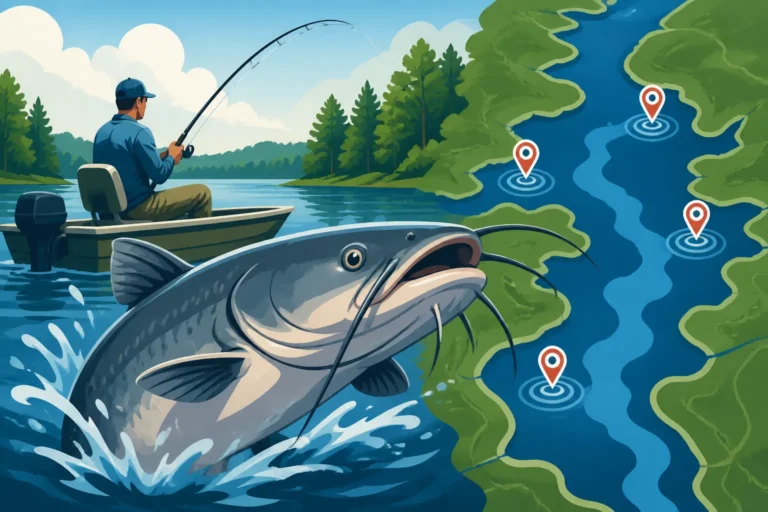
For catfish, especially trophy-sized blues and flatheads, the deeper sections of the old Saluda River channel running through the lake are prime territory. Look for sharp drops, bends, and old bridge abutments. They love to lie in wait in these deeper, darker areas. Additionally, the vast open water expanses of Lake Murray aren't just empty spaces; they hold schools of baitfish and the pelagic striped bass that follow them. Utilizing your electronics to find bait schools in the main lake basin, particularly during summer and winter, can lead to incredible striper action. Our guide on Catfish Fishing Spots on Lake Murray, South Carolina provides more details for the whiskered giants.
Access Points and Boat Ramps for Anglers
Getting your boat on the water easily is half the battle, and Lake Murray offers a variety of public and private boat ramps to accommodate anglers. Public access points are managed by various entities, including the SCDNR and local municipalities, ensuring ample opportunity to launch your vessel. Some popular public ramps include Dreher Island State Park, SCE&G Public Boat Landing (Lexington Side), and Big Man's Marina. These typically offer concrete ramps, ample parking, and sometimes even courtesy docks.
Private marinas around the lake also offer ramps, often with additional amenities like fuel, bait, and tackle shops, though they might charge a fee. Before you head out, it's always a good idea to check the current conditions of your chosen ramp, especially during peak seasons or after heavy rains, as water levels can affect usability. Knowing where to launch will save you precious fishing time and reduce stress, especially on busy weekend mornings. For a comprehensive list and more details, consult our resource on Lake Murray Boat Ramps for South Carolina Anglers.
Essential Techniques and Baits for Lake Murray's Prized Catches
Fishing Lake Murray isn't just about showing up; it's about understanding the specific behaviors of the various fish species and employing the right techniques and baits to coax them into biting. What might tempt a largemouth bass won't necessarily pique the interest of a striped bass, and vice-versa. Having a diverse arsenal of strategies will make you a much more versatile and successful angler.
Mastering Striped Bass Strategies
Lake Murray's striped bass fishery is legendary, offering heart-pounding action for anglers willing to learn their patterns. Stripers are powerful, aggressive fish that primarily feed on baitfish like blueback herring. Therefore, your techniques should mimic or capitalize on this natural food source.
- Trolling: This is a classic and highly effective method, especially in deeper, open waters. Anglers use planer boards to spread out multiple lines, often rigged with live blueback herring, umbrella rigs, or deep-diving crankbaits like those from Rapala or Berkley. Speed and depth are crucial here, so a good trolling motor with GPS capabilities is a huge asset.
- Live Baiting: Few things beat a frisky live blueback herring fished on a free line or under a balloon. Target areas with active baitfish schools or known striper haunts like submerged humps and points. You can drift over these areas or anchor strategically. This technique is particularly effective when the fish are less active or holding tight to structure.
- Topwater Action: There's nothing quite like a striper exploding on a topwater plug at dawn or dusk. When stripers are actively schooling and pushing bait to the surface, throwing poppers, walk-the-dog baits, or pencil poppers can lead to incredible, visual strikes. Keep a keen eye on the surface for signs of schooling activity, like diving birds or splashing fish.
- Jigging: In colder months or when stripers are suspended deep, vertical jigging with heavy spoons (like a Hopkins or Kastmaster) or large soft plastics on a jig head can be very productive. Use your electronics to locate schools of fish and drop your lure right into them.
Remember, stripers are constantly on the move, so staying mobile and watching your electronics for bait and fish activity is key. Also, be mindful of the current South Carolina's Freshwater Fishing Regulations, particularly concerning bag and size limits for striped bass.
Largemouth Bass Tactics for Every Season
Largemouth bass are the quintessential freshwater game fish, and Lake Murray offers excellent opportunities to catch them. Their behavior changes dramatically with the seasons, so adapting your approach is critical.
- Spring (Pre-spawn & Spawn): As water temperatures rise, bass move shallow. Focus on rocky points, shallow pockets, and areas with submerged cover. Lipless crankbaits, spinnerbaits, and ChatterBaits are great for covering water and locating active fish. During the spawn, sight fishing with soft plastics like a Texas-rigged worm or a wacky-rigged Senko around beds can be incredibly effective. For more specific tactics on targeting these fish, be sure to read our guide on Best Largemouth Bass Spots on Lake Murray, South Carolina.
- Summer: When the heat sets in, bass retreat to deeper, cooler water. Target deep brush piles, offshore humps, ledges, and the thermocline. Carolina rigs, deep-diving crankbaits, football jigs, and large Texas-rigged worms are excellent choices. Early morning and late evening topwater bites can still be had around shaded cover.
- Fall: As water cools, bass become highly active, feeding aggressively to build up fat reserves. They'll often follow baitfish into creek arms and onto main lake points. Crankbaits, jerkbaits, and topwater lures remain strong choices. You might find them schooling up and busting bait, similar to stripers.
- Winter: Bass are lethargic in winter, holding tight to deep cover. Slow presentations are key. Jigs, shaky heads, and slow-rolled spinnerbaits near deep brush, docks, and rock piles are often the most productive. Look for warmer pockets of water, especially near power plant discharges if applicable on the lake (Lake Murray has a hydroelectric dam).
A good depth finder and knowledge of the lake's topography will significantly aid your bass fishing efforts.
Crappie and Catfish: Fun for the Whole Family
While stripers and bass get a lot of attention, Lake Murray's crappie and catfish populations offer fantastic fishing, especially for those looking for a more relaxed outing or introducing kids to fishing.
- Crappie: These "papermouths" are a favorite for their delicious taste and can be caught in good numbers.
- Spring: During the spawn, crappie move into shallow brush piles, flooded timber, and around docks in 2-10 feet of water. Small jigs (1/16 to 1/8 oz) in chartreuse, white, or black/chartreuse, tipped with a minnow, are deadly. You can cast to cover or spider rig multiple rods around likely areas.
- Summer/Fall/Winter: Crappie move deeper, congregating around submerged brush piles, bridge pilings, and creek channels, often in 15-30 feet of water. Vertical jigging, tightlining minnows, or using electronic fish finders to locate schools and then dropping baits directly to them are effective. Knowing where to catch crappie on Lake Murray is a valuable skill for a tasty meal!
- Catfish: Lake Murray is home to monster blue and flathead catfish, as well as plenty of channel cats.
- Blue Catfish: These often inhabit the main lake basin and deeper creek channels. Cut bait (shad, herring, mullet) or large chunks of fresh cut bait fished on the bottom with a Carolina rig are highly effective. Look for them around old river bends, humps, and ledges.
- Flathead Catfish: Flatheads prefer live bait, like small sunfish or shad, and often relate more to cover like submerged timber or rocky areas. They're more predatory and ambush-oriented.
- Channel Catfish: These are more widespread and can be caught in shallower areas, especially in creek mouths and coves. Stink baits, chicken livers, and worms are popular choices. A great option for family fishing from the bank.
Catfish fishing can be excellent year-round, with night fishing often producing the biggest specimens, especially in warmer months. Our article on Catfish Fishing Spots on Lake Murray, South Carolina can help you pinpoint prime areas.
Planning Your Lake Murray Fishing Adventure
A successful fishing trip often starts long before you even cast a line. Thoughtful planning, from gathering the right gear to considering professional guidance, can make all the difference between a frustrating day and an unforgettable experience on Lake Murray. There's so much to consider, and it's easy to overlook details, so let's break it down.
Gear Essentials and What to Bring
Preparing your gear for Lake Murray requires a bit of foresight, given the diverse species and fishing conditions. You don't want to be caught unprepared when that trophy fish bites!
- Rods and Reels: It’s wise to bring a variety. For striped bass, a medium-heavy action rod (7-7'6") with a strong baitcasting or spinning reel spooled with 15-20 lb monofilament or braided line is ideal. For largemouth bass, you might want a mix: a medium-heavy rod for heavier cover and a medium action rod for lighter presentations. For crappie and panfish, lighter tackle like ultralight spinning combos with 4-6 lb line is perfect. Catfish anglers often opt for heavy action rods and baitcasting reels with 25-50 lb test line, especially for trophy blues and flatheads.
- Tackle Box Basics: Stock a variety of lures and baits. For stripers, include bucktail jigs, umbrella rigs, deep-diving crankbaits, and topwater plugs. For bass, bring soft plastics (worms, creature baits), jigs, spinnerbaits, crankbaits (both shallow and deep), and a few topwater options. Crappie anglers will want an assortment of small jigs, minnows, and bobbers. Catfish essentials include various hooks (circle hooks are popular), heavy sinkers, and bait such as cut shad, chicken livers, or worms.
- Safety Gear: Always, always prioritize safety. Life jackets for everyone on board, a fully charged cell phone, a first-aid kit, a whistle or horn, and a fire extinguisher are non-negotiable. Check weather forecasts before you go and be prepared for sudden changes.
- Comfort Items: Sunscreen, sunglasses, a wide-brimmed hat, plenty of water, snacks, and appropriate clothing layers are crucial, regardless of the season. A good cooler for your catch and drinks is also a must.
- Electronics: A reliable fish finder with GPS and mapping capabilities is invaluable on Lake Murray. It will help you locate submerged structure, identify baitfish schools, and navigate safely.
Considering a Guided Trip for Local Expertise
For many, especially first-time visitors or those looking to rapidly improve their skills, booking a guided fishing trip on Lake Murray is an investment that pays dividends. Local guides possess an intimate knowledge of the lake, understanding seasonal patterns, specific hotspots, and the most effective techniques for the day's conditions.
- Why a Guide is Worth It: A good guide can save you countless hours of trial and error. They know where the fish are biting, what bait they prefer, and how to present it effectively. They often provide all the necessary gear, bait, and even clean your catch. Plus, they can teach you valuable techniques you might not learn on your own. It's an excellent way to fast-track your learning curve and make the most of your limited time on the water. Many passionate anglers search platforms like FishingBooker to find experienced guides who specialize in Lake Murray's abundant species, ensuring they connect with a professional who truly knows the ins and outs of this unique fishery.
- What to Expect: Most guided trips are 4-8 hours and focus on a specific species, like striped bass or largemouth bass. Prices vary depending on the duration, group size, and what's included. Always communicate your expectations and target species with the guide beforehand. Don't be afraid to ask questions about their experience, what's provided, and their cancellation policy. You can often find highly-rated guides on platforms such as FishingBooker, which can help streamline the booking process and ensure you're working with a reputable professional.
- Choosing a Guide: Look for guides with good reviews and a specialization in the type of fishing you want to do. Personal recommendations are also invaluable. Some guides operate independently, while others are part of larger charter services. Whether you find them through word-of-mouth or through a booking service like FishingBooker, ensure they are licensed and insured for your safety and peace of mind. Getting insights from someone who spends hundreds of days a year on the water can dramatically enhance your experience and put you on fish when you might otherwise struggle.
Regulations and Conservation on Lake Murray
Fishing is a privilege, and with that comes the responsibility to understand and adhere to the regulations designed to protect our natural resources. South Carolina, like all states, has specific rules to ensure the health and sustainability of its fisheries, including Lake Murray. Ignoring these rules can lead to hefty fines and, more importantly, can harm the very ecosystem we cherish.
Understanding South Carolina's Fishing Rules
Before you even launch your boat or cast a line, it's absolutely essential to be familiar with the South Carolina Fishing License Guide. Every angler aged 16 and older needs a valid South Carolina fishing license. These licenses are typically available in various durations—annual, 3-year, or short-term options like 14-day licenses for residents. Non-residents also have their own set of options, including annual and short-term choices to suit their visit. You can often purchase these conveniently online through the SCDNR website, at local tackle shops, or at many sporting goods stores.
Beyond the license, Lake Murray falls under South Carolina's Freshwater Fishing Regulations, which detail specific rules for various species. These regulations cover:
- Bag Limits: The maximum number of fish of a particular species you can keep in a single day. For instance, striped bass on Lake Murray often have specific slot limits and daily bag limits that anglers must adhere to, which can vary by season or management zone. It’s important to always check the most current regulations as they can change.
- Size Limits: The minimum or maximum length a fish must be to be legally harvested. This is especially common for prized species like largemouth bass, striped bass, and crappie, to protect juvenile fish and ensure breeding stock.
- Gear Restrictions: Rules about the types of hooks, lines, or methods allowed. While common rod and reel fishing is generally fine, certain methods like trotlines or jug fishing may have specific requirements or be restricted to certain species (like catfish) or areas.
- Seasonal Closures: Although rare for general fishing on Lake Murray, some species or areas might have temporary closures to protect spawning fish or aid recovery.
Always carry a copy of the current SCDNR regulations manual or have digital access to it while on the water. It’s your responsibility to know the rules.
Practicing Responsible Angling
Conservation isn't just about following rules; it's about adopting practices that ensure healthy fish populations for generations to come. As a veteran lifestyle blogger focused on South Carolina fishing, I can't stress enough how important this is.
- Catch and Release: For fish that are under or over the legal size limit, or if you simply wish to preserve the fishery, practice proper catch and release. Handle fish minimally, keep them in the water as much as possible, use wet hands to avoid removing their protective slime coat, and revive them gently before letting them go. Consider using circle hooks, especially when live baiting, as they often result in a hook set in the corner of the mouth, minimizing internal injury.
- Respect Habitat: Avoid disturbing spawning beds or sensitive aquatic vegetation. Don't litter; plastics, fishing line, and other debris can be deadly to wildlife. Always pack out everything you pack in.
- Report Violations: If you witness illegal fishing activity, such as exceeding bag limits or fishing without a license, report it to the SCDNR. Their efforts are crucial in maintaining the health of Lake Murray's fishery.
- Know Your Limits: Even if you can keep a certain number of fish, consider taking only what you'll realistically consume. Responsible anglers understand that conservation begins with individual choices. By doing our part, we help ensure that Lake Murray remains a premier fishing destination for everyone.
Following these guidelines not only makes you a better steward of the environment but also enhances the overall fishing experience for yourself and others who share the passion for South Carolina fishing.
| Fish Species | Best Season(s) | Preferred Baits/Lures | General Habitat | Bag Limit (Example – Always Check Current Regs) |
|---|---|---|---|---|
| Striped Bass | Spring, Summer, Fall | Live Blueback Herring, Umbrella Rigs, Topwater | Open Water, Submerged Humps, Creek Channels | 2 per person (1 over 26", 1 under 26") |
| Largemouth Bass | Spring, Fall, Summer | Soft Plastics, Jigs, Crankbaits, Spinnerbaits | Hydrilla, Docks, Rocky Points, Brush Piles | 10 per person |
| Crappie | Spring, Winter, Fall | Small Jigs, Minnows | Brush Piles, Docks, Standing Timber, Creek Channels | 20 per person |
| Catfish (Blue) | Year-round | Cut Bait (Shad, Herring), Chicken Liver | Deep River Channels, Ledges, Humps | No daily limit (size restrictions may apply) |
Note: Bag and size limits are subject to change. Always refer to the most current South Carolina Department of Natural Resources (SCDNR) regulations before fishing.
Disclaimer
The information provided in this guide is for general informational purposes only. While we strive to provide accurate and up-to-date content, fishing regulations, conditions, and best practices can change rapidly. Always consult the official South Carolina Department of Natural Resources (SCDNR) website or publications for the most current rules and safety information before planning any fishing trip to Lake Murray. Your safety and adherence to regulations are your sole responsibility.