Combo License Options for Freshwater and Saltwater Anglers
It’s a common scenario for many South Carolina anglers: you’re dreaming of reeling in a hefty largemouth bass one weekend and then picturing yourself battling a feisty redfish in the coastal marshes the next. But then reality hits – do you need two separate fishing licenses for that? The thought of navigating different permits, costs, and renewal dates can be a real headache, often leading to confusion or even missing out on a great fishing opportunity. This comprehensive guide is here to untangle that knot, explaining everything you need to know about South Carolina's combo fishing license options to make your angling adventures seamless and stress-free.
The Confusion of Dual Licensing: Why Combo Licenses Exist
Anglers in South Carolina are incredibly lucky to have access to such diverse fishing environments, from pristine mountain streams and vast freshwater lakes to bountiful coastal estuaries and the open ocean. However, this blessing can sometimes feel like a curse when it comes to licensing. Trying to keep track of separate rules and regulations for different bodies of water can be frustrating, to say the least.
The Headache of Separate Permits
Imagine this: you've spent weeks planning a trip. First, you're heading to Lake Murray for some epic striped bass action, requiring a freshwater license. A few days later, you've decided to head down to the Lowcountry to try your luck with some spotted seatrout, which means you'll need a saltwater license. Suddenly, you're juggling two different pieces of paper (or digital files), remembering two different expiry dates, and potentially paying two separate transaction fees. It's enough to make you just want to stay home, right?
This isn't just about the paperwork; it's about the mental load. Did you get the annual freshwater or just the 14-day? When does the saltwater one expire? What if you forget one and get checked by a SCDNR officer? The consequences for fishing without a license in South Carolina can range from fines to more serious penalties, so it's a legitimate concern. This constant worry detracts from the pure joy of being out on the water, which is what fishing is all about. The system, while necessary for conservation, can feel a bit cumbersome for those who love both sides of the angling coin.
Streamlining Your Angling Experience
Thankfully, South Carolina's Department of Natural Resources (SCDNR) recognized this challenge and introduced the combo license option. This isn't just a convenience; it's a game-changer for anglers who enjoy the full spectrum of fishing opportunities the Palmetto State offers. Instead of purchasing a Resident Freshwater Fishing License Costs in South Carolina and then a Resident Saltwater Fishing License Costs in South Carolina separately, the combo license bundles these privileges into one single, easy-to-manage permit.
Think of it as your all-access pass to South Carolina's aquatic playground. With a combo license, you only have one permit to remember, one expiration date to track, and often, a single, slightly discounted payment. This simplification allows you to focus on what truly matters: finding the fish, enjoying the scenery, and making memories. Whether you're casting for catfish in the Congaree River one weekend or targeting redfish in Murrells Inlet the next, your combo license has you covered, providing peace of mind and reducing administrative hassle.
What a South Carolina Combo License Actually Covers
Understanding the scope of your fishing license is crucial. A combo license isn't just a generic "fishing permit"; it specifically grants you the right to fish in both the freshwaters and the saltwaters of South Carolina, according to state regulations. This distinction is vital because the rules and the fish species you'll encounter vary dramatically between these two environments.
Understanding Freshwater vs. Saltwater Privileges
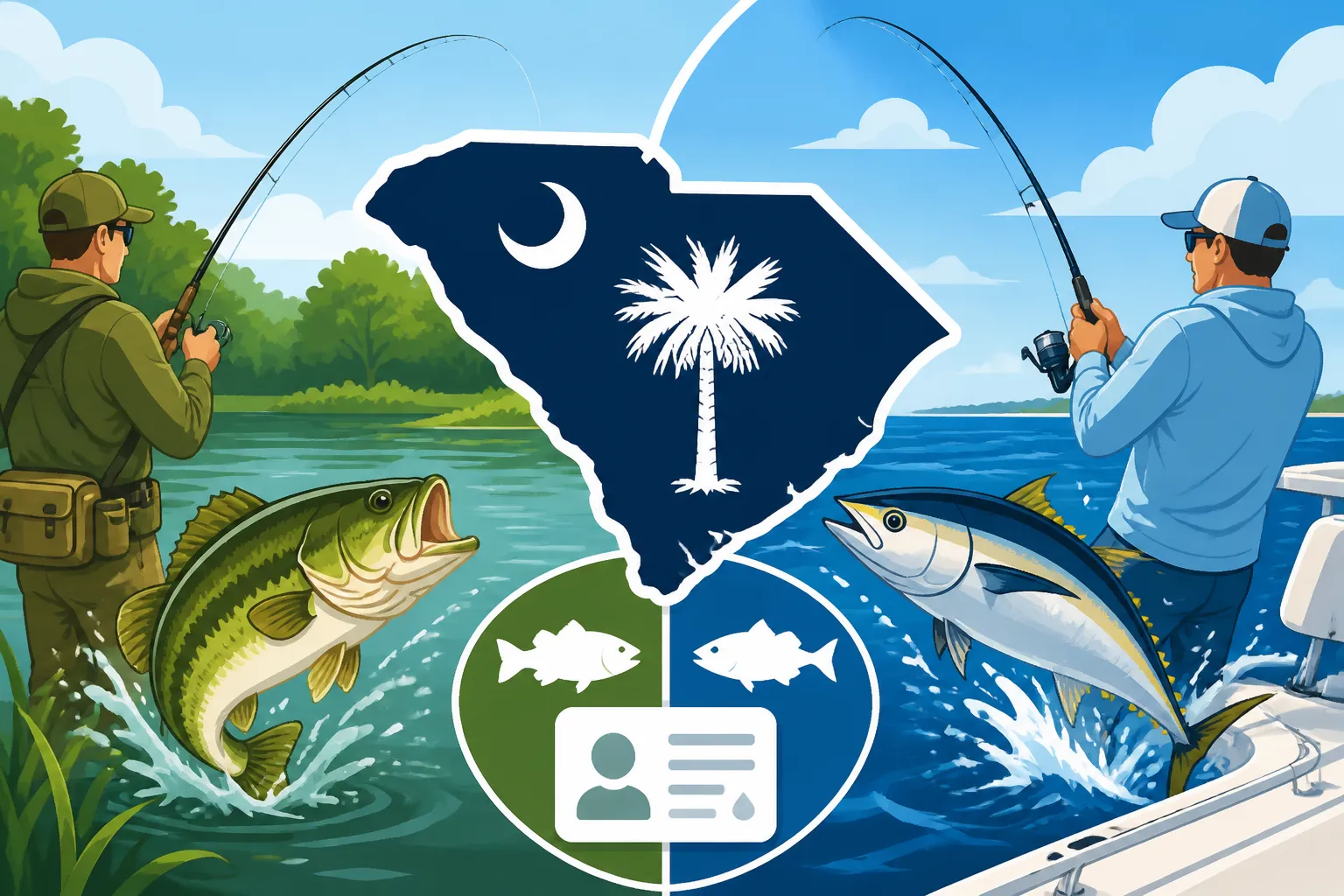
A South Carolina combo license provides the full legal authority to engage in recreational fishing in virtually all public waters within the state, encompassing both freshwater and saltwater domains. This means you can cast your line in the vast reservoirs like Lake Marion for crappie, pursue trout in the cool mountain streams of the Upstate, or even try your hand at catching bream in a local pond, all under the freshwater portion of your license. Similarly, the saltwater component permits you to fish in coastal rivers, tidal creeks, estuaries, and the Atlantic Ocean out to three miles offshore, allowing you to target popular species like flounder, red drum, and speckled seatrout.
It’s important to note that while the license covers the right to fish, it doesn't exempt you from species-specific regulations. You'll still need to be aware of South Carolina's Freshwater Fishing Regulations and Saltwater Fishing Rules in South Carolina regarding bag limits, size restrictions, and season closures. For example, the South Carolina Redfish Slot Limit Rules still apply, even with a combo license. This license is primarily about the legal permission to fish in the environment, not a blanket pass to ignore conservation measures. Always double-check the latest SCDNR regulations before each trip, perhaps even picking up a new regulations handbook from a local bait shop or downloading the PDF from the SCDNR website, sometimes even found on popular retail sites like Amazon.
Key Species and Water Bodies Included
With a combo license in hand, the possibilities are truly expansive. In freshwater, you can focus on popular game fish such as largemouth bass, smallmouth bass (in specific upstate areas), striped bass, crappie, bluegill, and various catfish species. Major lakes like Lake Murray, Santee Cooper, Lake Hartwell, and Lake Wylie become your playgrounds, along with countless rivers, streams, and public ponds across the state. The beauty of it is that you don't have to second-guess whether you're legally allowed to be there, as long as it's public access water and you're adhering to all local and state laws.
For saltwater endeavors, the combo license opens up access to the rich inshore and nearshore fisheries along South Carolina's coast. This includes targeting redfish (red drum) and spotted seatrout in the vast marsh systems, flounder lurking near oyster beds, and sheepshead around pilings and jetties. You can also venture out into the nearshore waters for species like black drum, weakfish, and various snapper and grouper if you're staying within the three-mile state waters limit. Essentially, if a body of water is open for recreational fishing and falls under either freshwater or saltwater jurisdiction, your combo license has you ready to cast. This broad coverage is what makes the combo license such an appealing option for versatile anglers who truly want to explore all that South Carolina fishing has to offer.
Who Needs a Combo License and When It Makes Sense
Deciding whether a combo license is right for you boils down to your fishing habits and how you plan to explore South Carolina's waters. It's not a universal fit, but for a significant portion of anglers, it offers unbeatable value and convenience.
Frequent Anglers and Dual-Purpose Trips
If you consider yourself a dedicated angler who enjoys pursuing both freshwater and saltwater species throughout the year, then a combo license is practically a necessity. Think about the person who spends spring chasing crappie on Lake Moultrie, dedicates their summer weekends to catching redfish in Charleston Harbor, and then perhaps heads to a mountain stream for trout in the fall. For this type of angler, purchasing separate annual licenses would not only be more expensive but also a logistical nightmare.
The combo license is also ideal for those who frequently take "dual-purpose" trips. Maybe you're visiting the coast for a family vacation, and while your family enjoys the beach, you want to slip away for a few hours of pier fishing for a sheepshead or surf fishing for pompano. On the same trip, you might drive inland slightly to visit a state park with a freshwater pond where your kids can catch bluegill. A combo license ensures you're covered for both spontaneous decisions and well-planned adventures across different aquatic environments. It simplifies your South Carolina Fishing License Guide significantly, giving you flexibility without fear of being out of compliance.
Cost-Benefit Analysis: When to Opt for Combo
The primary benefit of a combo license, beyond convenience, is often cost savings. While the exact prices can vary, a combined freshwater and saltwater license is typically less expensive than buying both an annual freshwater and an annual saltwater license separately. Let's look at a hypothetical scenario for a South Carolina resident:
| License Type | Annual Cost (Approx.) |
|---|---|
| Freshwater (Resident) | $10 |
| Saltwater (Resident) | $15 |
| Total Separate Cost | $25 |
| Combo (Resident) | $25 |
Note: The prices above are illustrative based on current SCDNR resident annual license fees for individuals. Specific pricing is subject to change. Always check the official SCDNR website or a licensed vendor for the most up-to-date figures when you How to Get a Fishing License in South Carolina.
As you can see, for residents, the combo is essentially the same price as buying both separately, but with the added convenience of one license. For non-residents, the savings can sometimes be even more pronounced, depending on the specific license types and durations. The real "benefit" then becomes less about direct monetary savings and more about the invaluable convenience. Imagine having one single expiration date to remember for your South Carolina Annual Fishing License Price Breakdown, instead of having to track two.
It makes the most sense to opt for a combo license if you anticipate fishing in both freshwater and saltwater at least a few times within the license year. If you only fish in freshwater or only in saltwater, then purchasing the single-focus license is sufficient and might be slightly cheaper or equivalent depending on your residency and the specific offerings at the time. However, if there’s any chance you’ll cross over, the combo license removes the friction and potential extra cost of buying a second license later in the year, ensuring you're always ready for whatever fishing adventure calls your name.
How to Obtain Your South Carolina Combo Fishing License
Getting your combo license is pretty straightforward, thanks to modern technology and a network of vendors across the state. The SCDNR has made the process as accessible as possible, so you don't have to jump through hoops to legally enjoy South Carolina's waters. For detailed information on Fishing License Requirements in South Carolina, it's always best to consult official sources.
Online, In-Person, and Phone Options
You have a few convenient ways to purchase your South Carolina combo fishing license, catering to different preferences and situations:
-
Online: This is often the quickest and easiest method for most people. The SCDNR operates an online licensing portal, "Go Outdoors South Carolina." You can access this from your computer or even your smartphone. The process involves creating an account (if you don't already have one), selecting the desired license, providing your personal information, and paying with a credit card. Once purchased, you'll receive a confirmation email, and you can usually print a temporary license immediately or simply save the digital version to your phone. This makes Buying a South Carolina Fishing License Online incredibly simple.
-
In-Person: Many authorized license vendors across South Carolina sell fishing licenses. These include sporting goods stores like Academy Sports + Outdoors, tackle shops, some general merchandise retailers, and even many local hardware stores. Visiting a vendor can be beneficial if you prefer a physical copy of your license right away or if you have questions you'd like to ask a knowledgeable staff member. Plus, it's a great excuse to browse for new lures or bait! Just remember to bring your identification. You might even find a new fishing hat or a good book on local fish species, maybe one you saw on Amazon.
-
By Phone: If you prefer to speak with someone directly, you can also purchase your license over the phone by calling the SCDNR's licensing customer service line. They can walk you through the process, take your information, and process your payment. This can be a good option if you encounter any issues with the online portal or simply prefer human interaction. They'll mail your official license, but you'll get a temporary authorization number immediately.
Regardless of the method you choose, it's always a good idea to keep a digital copy on your phone or a printed copy with you while fishing. Game wardens can and do check for licenses, and being prepared ensures a smooth interaction.
Essential Information You'll Need
When you go to purchase your combo fishing license, whether online, in person, or over the phone, you'll need to have certain information ready. This helps the SCDNR accurately record your purchase and confirm your eligibility, especially regarding residency.
First and foremost, you'll need proof of identity. This typically means your driver's license or state-issued ID. For residents, this also serves as proof of your South Carolina residency, which is crucial for getting the resident pricing for Fishing License Costs in South Carolina. Non-residents will need their out-of-state identification. Beyond that, you'll be asked for your full name, date of birth, mailing address, and potentially other contact information like an email address or phone number. This information is standard for official documentation and helps the SCDNR communicate any important updates, such as changes to South Carolina Fishing License Renewal Basics.
If you're purchasing online, you'll also need a valid credit or debit card for payment. The system is secure, and your financial information is protected. For those renewing, having your old license number or customer ID can sometimes expedite the process. The goal is to make it as painless as possible so you can get back to planning your next fishing trip, perhaps consulting a good South Carolina fishing guide book you picked up from Amazon for inspiration. Having all this information handy before you start the purchase process will save you time and ensure a smooth transaction, getting you on the water faster with your valid combo license.
Disclaimer
Please be aware that fishing regulations, license costs, and availability can change. While every effort has been made to provide accurate and up-to-date information, it is always your responsibility to verify the current regulations directly with the South Carolina Department of Natural Resources (SCDNR) before engaging in any fishing activities. This guide is for informational purposes only and should not be considered legal advice.