Do Kids Need a Fishing License in South Carolina?
It’s a common question that pops up for so many families planning a fun day out on the water: "Do my kids actually need a fishing license in South Carolina?" The rules can feel like a tangled line sometimes, leaving parents scratching their heads and worried about doing something wrong. This comprehensive guide is here to untangle all that confusion, giving you the clear, straightforward answers you need so you can focus on making cherished memories with your young anglers without any licensing worries.
The Core Rule for Youth Fishing Licenses in South Carolina
Let's cut right to the chase because this is the bedrock of understanding South Carolina's fishing regulations for children. The good news for most families is that the Palmetto State has made it quite straightforward: generally, children under a certain age are exempt from needing a fishing license. This is a huge relief for parents who just want to introduce their little ones to the joy of fishing without jumping through extra bureaucratic hoops.
Age-Based Exemptions Explained
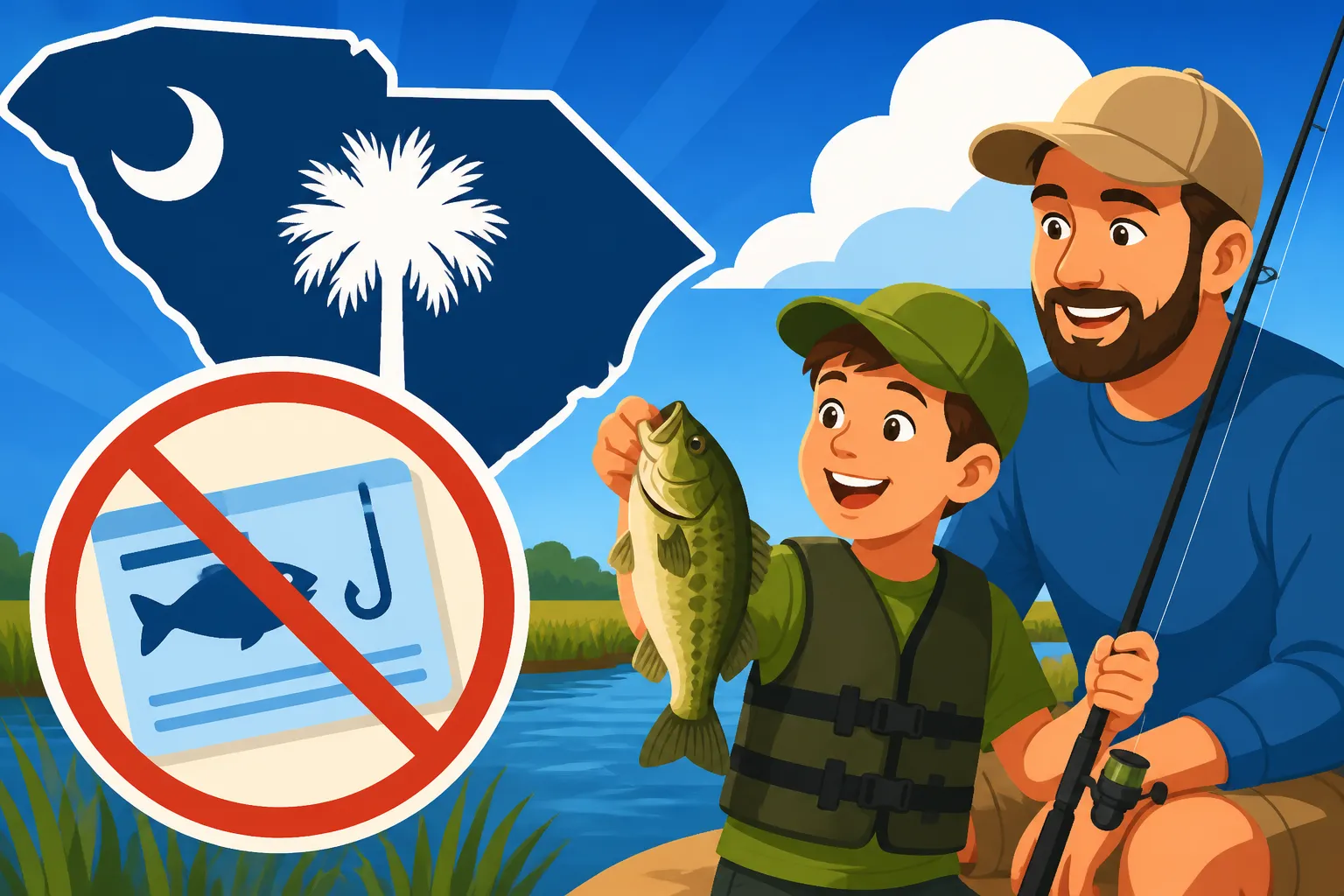
In South Carolina, a fishing license is not required for residents or non-residents under 16 years of age. That's the key takeaway. If your child, grandchild, niece, or nephew is 15 years old or younger, they can fish in both freshwater and saltwater in South Carolina without their own license. This applies to most situations, whether they're casting from a public pier, dropping a line in a local lake, or reeling in a catch on the coast. It’s designed to encourage youth participation in outdoor activities and foster a love for fishing from an early age.
This exemption is quite generous compared to some other states, and it's a testament to South Carolina's commitment to making fishing accessible for families. Think about it: a 5-year-old, a 10-year-old, or even a 14-year-old can grab a rod and reel and legally fish right alongside you. The responsibility for having a license typically falls on the adults who are 16 and older. So, if you're the adult accompanying them, you'll need to make sure your own South Carolina Fishing License Guide is in order. This age cutoff simplifies things immensely, allowing you to focus on teaching them how to bait a hook or cast a spinner, rather than worrying about paperwork.
Why These Rules Matter for Young Anglers
Understanding these age-based exemptions isn't just about avoiding a potential fine; it's about empowering parents and guardians to introduce fishing as a natural, unencumbered activity. When there's less friction, families are more likely to head out to the water. Imagine the sheer delight on a child's face when they feel that first tug on the line, the excitement of reeling in a feisty bluegill, or the wonder of seeing a vibrant redbreast sunfish up close. These experiences are invaluable for connecting kids with nature and teaching them patience, observation skills, and respect for wildlife.
Moreover, these rules support the broader mission of conservation. By making it easy for kids to fish, the state hopes to cultivate the next generation of responsible anglers and stewards of South Carolina's natural resources. It teaches them that fishing isn't just about catching fish; it's about understanding ecosystems, respecting regulations, and ensuring healthy fish populations for the future. The simple act of fishing can become a powerful educational tool. When you're out there, you can easily explain the importance of the South Carolina Fishing Bag Limits Explained or why certain species have specific size restrictions. These foundational experiences stick with children, shaping their attitudes towards the environment for years to come.
Navigating Common Scenarios for Kids Fishing
While the "under 16" rule is generally clear, specific scenarios can sometimes add a layer of confusion. Let's explore some common situations where parents often wonder about license requirements for their children. It's always best to be informed, so you can plan your family fishing trips with complete confidence.
Fishing from a Pier or Charter Boat
This is a frequently asked question, and for good reason! Many families visiting South Carolina's beautiful coast, from Myrtle Beach to Hilton Head Island, enjoy fishing from public piers or booking a guided charter trip. The good news here typically continues to favor the young ones.
When your child is fishing from a licensed public pier, they generally do not need their own license, even if they are under 16. The pier itself usually holds a blanket commercial license that covers all anglers fishing from its structure. This is a fantastic benefit, especially for tourists who might only want to fish for an hour or two without the hassle of purchasing individual licenses. Similarly, if you book a fishing charter, whether it's an inshore trip targeting redfish and trout or an offshore adventure for mahi-mahi, your child (and often even the adults!) will typically be covered by the charter boat's commercial license. The captain ensures all necessary licenses are in place for everyone on board, alleviating that burden from you. However, it's always a smart move to confirm this with your specific pier or charter captain beforehand, just to be absolutely certain. You can typically find this information on the pier's website or by asking when you book your South Carolina Fishing Charters: The Complete Guide trip.
Private Ponds Versus Public Waters
The distinction between private and public waters can sometimes muddy the waters, so to speak, regarding fishing license requirements for kids and adults alike. Generally, the age exemption for children under 16 still holds true regardless of whether you're in public or private waters. However, the adult accompanying them might have different requirements.
If you're fishing in a completely private pond that is entirely on private property and does not have any public access or connection to public waterways (meaning no fish can swim in or out), then typically no one—adults included—needs a fishing license. This is often the case for farm ponds or small, isolated lakes owned by individuals. The exemption exists because these waters are considered proprietary to the landowner, and the state's licensing system primarily regulates public resources. However, if that "private pond" has a stream running in or out of it, connecting it to other public waters, then it falls under public water regulations, and adults (16 and over) would need a license. For kids under 16, they remain exempt in either scenario. When considering fishing spots, it's helpful to know about Do You Need a License to Fish From a Private Pond? for more details.
Grandparents and Guardians Taking Kids Fishing
It's a beautiful tradition: grandparents passing down the love of fishing to their grandchildren. Or perhaps an aunt or uncle takes their nieces and nephews out for a day on the lake. The great news is that the "under 16" rule doesn't discriminate based on who is supervising the child. If the child is 15 years old or younger, they are exempt from needing a license, period.
The important thing to remember is that the adult taking them fishing – whether it’s a parent, grandparent, or guardian – must have their own valid South Carolina fishing license if they are 16 years of age or older and actively participating in the fishing or are simply present on public waters. So, Grandma and Grandpa can absolutely take the grandkids out for some wholesome fun, but they'll need to make sure their own licenses are up to date. This ensures that while the kids are enjoying a hassle-free introduction to the sport, the adults are adhering to the Fishing License Requirements in South Carolina. It's about shared responsibility and enjoying the outdoors together, knowing everyone is compliant with the rules.
Free Fishing Days and Special Opportunities for Children
South Carolina understands the importance of fostering a love for fishing from a young age, and they offer some fantastic opportunities that are particularly beneficial for families and young, aspiring anglers. These programs make it even easier to get kids involved.
Making the Most of South Carolina's Free Fishing Days
One of the absolute best opportunities for families is South Carolina's Free Fishing Days. These are specific days each year when residents (and sometimes non-residents, depending on the specific event) can fish in public waters without needing a fishing license. For children under 16, who are already exempt, these days might not directly change their license status, but they are a golden opportunity for the accompanying adults.
When Free Fishing Days roll around, typically in May and July, adults (16 and older) who might not have a current license or are just testing the waters themselves can fish legally. This means the entire family can go out together, license-free for that day. It removes any potential barrier for adults who might hesitate to buy a license for a single outing. It's the perfect chance to introduce fishing to someone new, or for a family to enjoy a low-commitment day on the water. Keep an eye out for dates like South Carolina Free Freshwater Fishing Day May 25 2026 and South Carolina Free Freshwater Fishing Day July 4 2026. These days are often promoted by the South Carolina Department of Natural Resources (SCDNR) and local tackle shops, so they’re easy to find. It's truly a fantastic way to engage the whole family in outdoor recreation.
Youth Fishing Events and Education Programs
Beyond the official Free Fishing Days, the SCDNR and various local organizations frequently host youth fishing events and educational programs throughout the state. These events are specifically designed to introduce children to fishing in a safe, fun, and educational environment. Often, they take place at stocked ponds or accessible locations, and all the necessary gear, bait, and guidance are provided.
These programs are invaluable because they not only teach kids the basics of casting, baiting, and fish identification, but they also emphasize conservation, ethics, and responsible angling practices. Kids get hands-on experience, often with one-on-one instruction from experienced volunteers or SCDNR staff. For a child who's never held a fishing rod before, or one who's eager to learn more, these events are a game-changer. They provide a structured setting where children can learn without intimidation and often result in some unforgettable first catches. Check the SCDNR website for their calendar of events, or reach out to local tackle shops and state parks like Table Rock State Park, as they often have information on upcoming youth fishing clinics and tournaments. These opportunities are not just about catching fish; they're about building character and fostering a lifelong appreciation for the natural world.
What to Do If There's Confusion or a Question Arises
Even with clear guidelines, specific situations can sometimes throw a curveball. When in doubt, it’s always best to seek direct clarification. Knowing who to ask and where to find reliable information is key to ensuring a smooth and enjoyable fishing experience for everyone.
Contacting the South Carolina Department of Natural Resources SCDNR
The South Carolina Department of Natural Resources (SCDNR) is your ultimate authority for all fishing regulations in the state. If you ever encounter a unique scenario, have a question that isn't clearly covered, or just want to double-check a specific rule, don't hesitate to reach out to them. They have dedicated staff whose job it is to help anglers understand and comply with the regulations.
You can typically find their contact information, including phone numbers for regional offices and a general customer service line, on the official SCDNR website. They are usually very responsive and helpful. It’s far better to ask a question beforehand than to risk a misunderstanding on the water. For example, if you're curious about a specific, perhaps unusual, body of water, or if you're planning an event where the rules might differ, a quick call can save you a lot of worry. The SCDNR website is also an excellent resource for checking current regulations, understanding South Carolina's Freshwater Fishing Regulations, and learning about any new rules that might have been implemented. Their online portal is also where you can find out How to Buy a Fishing License on Go Outdoors South Carolina if you, as an adult, need to purchase one.
Essential Gear for Young Anglers
While licenses might not be a concern for kids, having the right gear can make or break their fishing experience. You don't need to break the bank, but a few key items will ensure they're comfortable, safe, and ready for action. Starting simple is often best to keep their interest piqued without overwhelming them.
For starters, a lightweight, appropriately sized rod and reel combo is crucial. A simple spincast reel is usually the easiest for beginners to learn on, minimizing tangles and frustration. Brands like Ugly Stik or Zebco offer durable, kid-friendly combos that can be found easily on platforms like Amazon. Pair that with some basic tackle: small hooks (size 6-10 are great for panfish), split-shot weights, and bobbers. A small tackle box that they can call their own, filled with a few essentials, makes them feel like a true angler. Don't forget the practical necessities: a wide-brimmed hat, sunscreen, and insect repellent are non-negotiable for outdoor comfort. Many kids also love wearing a life vest, even if not strictly required, just for the added sense of safety, especially when near or on the water. You can find comfortable youth-sized life vests from brands like Stohlquist or Stearns on Amazon, ensuring they fit correctly and are U.S. Coast Guard approved. Having the right tools, even simple ones, fosters independence and confidence, transforming a day of fishing into an exciting adventure.
| Age of Child | South Carolina Resident | South Carolina Nonresident | Notes |
|---|---|---|---|
| Under 16 years old | No license required | No license required | Applies to both freshwater and saltwater fishing in most situations. |
| 16 years old and older | License required | License required | Adults accompanying children must have a valid license if they are fishing too. |
| Public Piers | No license required | No license required | Pier's commercial license typically covers all anglers. Confirm with specific pier. |
| Charter Boats | No license required | No license required | Charter's commercial license typically covers all passengers. Confirm with captain. |
| Private Ponds | No license required | No license required | Applies if pond is truly private and not connected to public waterways. |
| Free Fishing Days | No license required | No license required | For specific dates, adults (16+) are also exempt. Check SCDNR for dates. |
Disclaimer
Please remember that fishing regulations can change. While this guide provides the most current information available, it is always your responsibility to verify all rules and regulations with the South Carolina Department of Natural Resources (SCDNR) before you go fishing. This content is for informational purposes only and should not be considered legal advice.