South Carolina Fines for Unlicensed Fishing
There’s nothing quite like the excitement of planning a fishing trip in South Carolina, whether it’s casting a line in the freshwater lakes or trying your luck in the coastal estuaries. But that excitement can quickly turn to dread if you’re approached by a South Carolina Department of Natural Resources (SCDNR) officer and realize you don’t have a valid fishing license. It's a common, often honest mistake, but the consequences of fishing without a license in the Palmetto State can range from a hefty fine to more serious legal troubles. This guide will meticulously break down exactly what you can expect if you find yourself in this situation, helping you understand the penalties and, more importantly, how to avoid them entirely.
The Harsh Reality of Unlicensed Fishing Penalties
Getting caught fishing without a valid license in South Carolina isn't just a minor slap on the wrist. It's a legal infraction that carries real weight, both financially and sometimes even personally. Many anglers, especially those new to the state or just visiting, often underestimate the seriousness of this offense, thinking they might just get a warning. However, SCDNR officers are serious about conservation and compliance, and they're empowered to enforce the laws to protect our natural resources.
Financial Penalties You Could Face
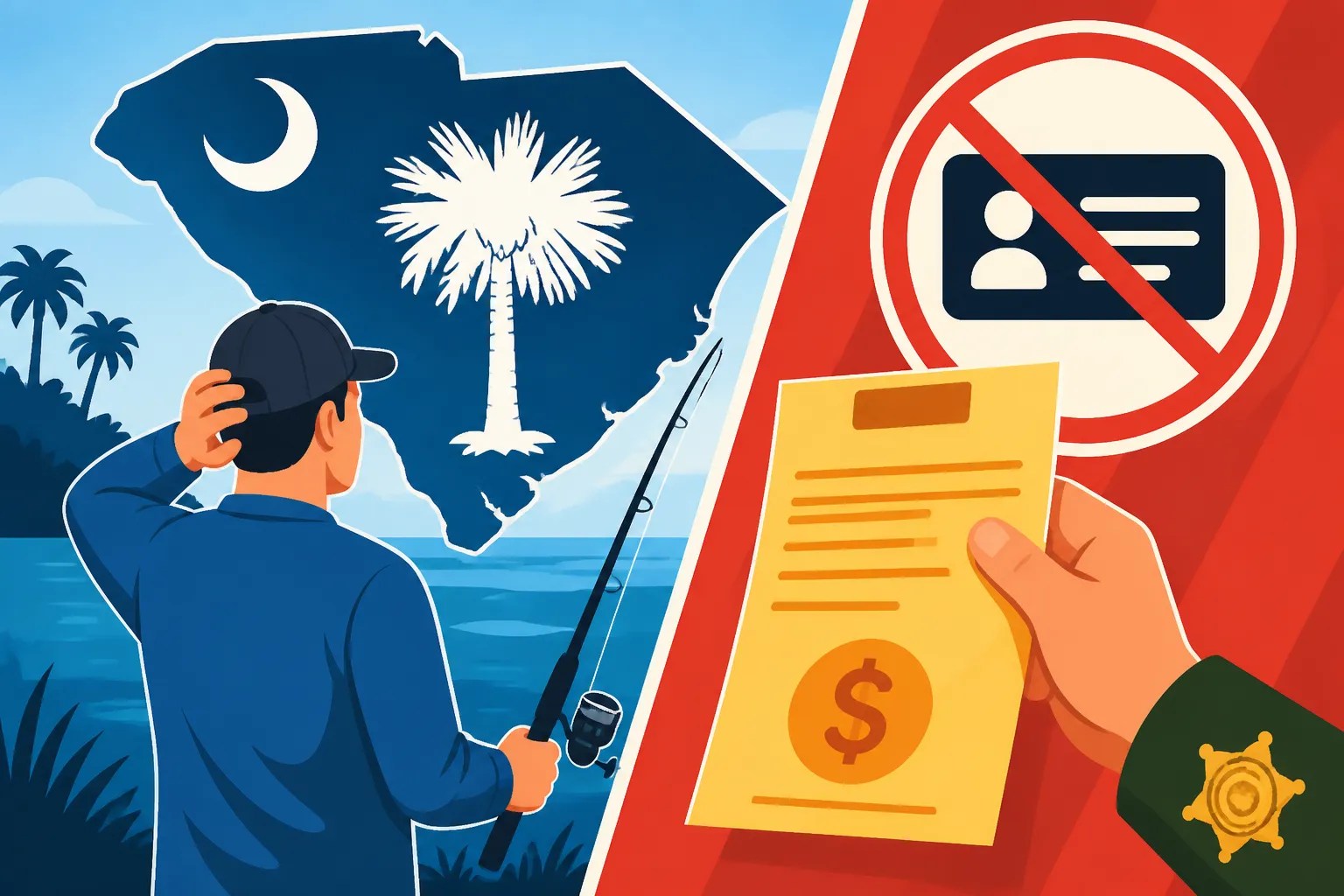
The most immediate and common consequence of fishing without a license in South Carolina is a financial penalty. While the exact amount can vary depending on the specific circumstances, location, and the discretion of the enforcing officer and magistrate, you're generally looking at a misdemeanor charge. For a first offense, the fine can easily be several hundred dollars. For example, you might be looking at a base fine of around $160 to $200, but with court costs, assessments, and other fees added on, that number can quickly climb much higher.
Consider a scenario where you're enjoying a peaceful afternoon fishing for catfish on Lake Wateree. You've got your favorite rod, a bucket of bait, and you're really in the zone. An SCDNR officer pulls up, asks for your license, and you come up empty. What happens next? You'll likely be issued a ticket, essentially a summons to appear in magistrate court. The fine associated with this charge will be clearly stated, but remember, that's often just the starting point. It’s significantly more than the cost of a basic annual freshwater license, which is just a fraction of that amount. This single incident can make a fun day on the water turn into a costly and frustrating experience.
Potential Legal Repercussions Beyond Fines
While the financial hit is significant, the legal ramifications of fishing without a license can extend beyond just paying a fine. Since it's considered a misdemeanor, it can result in a mark on your criminal record. This isn't just a simple traffic ticket; it’s a misdemeanor offense that can sometimes carry implications for future background checks, depending on the severity and how it’s ultimately handled in court.
In some cases, especially for repeat offenders or if other infractions are discovered (like exceeding bag limits or fishing in a closed area), officers might have the authority to confiscate your fishing equipment. Imagine losing your beloved fishing rod and reel that you carefully selected from a store or even online platforms like Amazon, along with your tackle box, bait, and any fish you might have caught. It’s a double whammy: not only do you have to pay a steep fine, but you also lose the very tools that brought you to the water in the first place. These types of repercussions are less common for a simple first-time license lapse but serve as a stark reminder of the seriousness of the regulations.
The Disappointment of Losing Your Catch
Beyond the legal and financial aspects, there's a more personal blow: the loss of your catch. If you’re found to be fishing without a license, any fish you've caught are typically forfeited. This means that prize-winning largemouth bass you landed, or that cooler full of crappie you were hoping to take home for dinner, will likely be seized by the SCDNR officer. It’s not just about the monetary value; it’s the sense of achievement, the potential meal, and the story that goes with it, all gone in an instant.
Picture this: you’ve spent hours patiently waiting, and finally, you reel in a beautiful, legal-sized redfish in a coastal creek near Mount Pleasant. You’re beaming, ready to snap a photo and plan your dinner. Then, the officer arrives, and suddenly, that excitement is replaced by a sinking feeling as you realize your license expired last month. Not only are you facing a fine, but that magnificent redfish, a symbol of your hard work, is now going to be released or otherwise disposed of by the SCDNR. This disappointment can linger long after the fine is paid, serving as a powerful lesson in the importance of checking those license dates.
How Law Enforcement Identifies Unlicensed Anglers
It's natural to wonder how SCDNR officers manage to catch anglers without licenses. They aren't just driving around hoping to spot someone. They employ systematic patrols and utilize modern technology to ensure compliance. Understanding their methods can help you appreciate the importance of being properly licensed every time you head out.
On-the-Water and Bankside Checks
SCDNR officers conduct regular patrols across all of South Carolina's waterways and fishing access points. This means whether you're out on Lake Murray in a bass boat, wading a trout stream in the Upstate, or casting from a pier in Myrtle Beach, you could encounter an officer. They patrol by boat, by vehicle, and sometimes even on foot in more remote areas. They are highly visible and approachable, but they also have a job to do, which includes checking for valid fishing licenses.
When an officer approaches, they will typically identify themselves and politely ask to see your fishing license and, if you're on a boat, your boat registration and safety equipment. They are trained to interact professionally, but they are also observant. They'll notice if someone is trying to avoid eye contact, seems overly nervous, or tries to pack up their gear quickly. These routine checks are designed to be quick and efficient for licensed anglers, but they can become much more involved if a license is not produced. Even if you're just bank fishing with a simple setup you picked up from a local tackle shop or found a great deal on through Amazon, you're still subject to these checks.
The Digital Age of License Verification
Gone are the days when an officer had to physically verify a paper license by eye or make a call back to a station. Today, SCDNR officers are equipped with advanced technology, including handheld devices that can instantly access the state's licensing database. This means they can verify your license status in real-time, right there on the spot. If you provide your name and date of birth, or even just your SCDNR Customer ID, they can quickly determine if you hold a valid, current fishing license.
This digital capability makes it incredibly difficult to "slip through the cracks" or claim you left your license at home. While you are technically required to have your license in your possession while fishing, South Carolina does allow for digital display of licenses on your phone. However, if your phone is dead, or you can't access the information, you could still face issues. This instant verification system also means that a brief interaction with an officer can immediately reveal any discrepancies, leaving little room for error or excuses.
Avoiding the Headache: Getting Your South Carolina Fishing License
The best way to avoid the stress, fines, and potential legal issues of unlicensed fishing is, quite simply, to make sure you have a valid South Carolina fishing license before your line ever touches the water. It’s an easy process, and the cost of a license is minimal compared to the penalties you could face.
Simple Steps to Secure Your License
Getting your fishing license in South Carolina is straightforward, designed to be accessible to everyone. You have a few convenient options to choose from:
-
Online: The quickest and often preferred method is to purchase your license online through the official Go Outdoors South Carolina portal. This allows you to buy your license 24/7 from the comfort of your home. You'll simply create an account or log in, select the license type you need, and complete the purchase. Once confirmed, you can often print a temporary license immediately or save a digital copy to your phone. Check out this guide on Buying a South Carolina Fishing License Online for a detailed walkthrough.
-
In-Person: If you prefer a more traditional approach or need assistance, you can purchase a license from an authorized SCDNR license agent. These agents are typically found at bait and tackle shops, sporting goods stores (like some larger regional retailers), and even some convenience stores across the state. They can help you select the correct license and print it for you on the spot. For a list of locations, you can often find information by searching for Where to Buy a Fishing License in South Carolina.
-
By Phone: For those who prefer speaking to someone, you can also purchase a license over the phone by calling SCDNR's licensing division during business hours. They will guide you through the process and email you a confirmation or temporary license.
No matter which method you choose, it's always a good idea to confirm your purchase and have either a physical printout or a digital copy readily available on your device. Many anglers find a waterproof license holder, easily purchasable on sites like Amazon, to be invaluable for keeping their paper license safe and dry while on the water.
Understanding Different License Types and Costs
South Carolina offers a variety of fishing licenses to suit different needs, whether you're a resident or non-resident, and whether you prefer freshwater or saltwater fishing. It’s crucial to select the correct one, as having a freshwater license won't cover you for saltwater fishing and vice-versa. Here’s a quick overview of common options and their typical costs:
| License Type | Residency | Duration | Coverage | Typical Cost (approx.) |
|---|---|---|---|---|
| Annual Fishing License | Resident | 1 Year | Freshwater | $10 |
| Annual Fishing License | Resident | 1 Year | Saltwater | $15 |
| Annual Fishing License | Nonresident | 1 Year | Freshwater | $35 |
| Annual Fishing License | Nonresident | 1 Year | Saltwater | $75 |
| 14-Day Fishing License | Resident | 14 Days | Freshwater | $5 |
| 14-Day Fishing License | Nonresident | 14 Days | Freshwater | $11 |
| 7-Day Fishing License | Nonresident | 7 Days | Saltwater | $11 |
| 3-Year Fishing License | Resident | 3 Years | Freshwater | $30 |
| 3-Year Fishing License | Resident | 3 Years | Saltwater | $45 |
Note: Costs are approximate and subject to change. Always check the official SCDNR website for the most current pricing.
As you can see, the costs are very reasonable, especially when you compare them to the potential fines. For a full breakdown of options, including combo licenses and special permits, you can refer to the South Carolina Fishing License Costs in South Carolina guide or the South Carolina Annual Fishing License Price Breakdown. If you're wondering about a short trip, comparing South Carolina 14-Day Fishing License Options might be useful. It's always best to figure out exactly what you need before you go. Remember, even if you’re fishing a private pond, there might be regulations you need to be aware of, so it’s always smart to research if Do You Need a License to Fish From a Private Pond?.
The Real Cost of Skipping a License Beyond the Fines
While the immediate financial penalties and legal troubles are certainly deterrents, there's a deeper, often overlooked cost associated with fishing without a license. This cost impacts not only the individual angler but also the broader fishing community and the natural environment itself.
Impact on Conservation Efforts
Every dollar spent on a South Carolina fishing license goes directly back into the management and conservation of our state's precious aquatic resources. These funds are vital for programs that:
- Stock Fish: Your license fees help fund the stocking of popular species like trout in mountain streams or enhancing bass populations in our major reservoirs.
- Habitat Restoration: They support projects that restore degraded habitats, improve water quality, and ensure that fish have healthy environments to thrive in.
- Research and Monitoring: Funds are allocated to scientific research that helps SCDNR understand fish populations, identify potential threats, and develop effective management strategies.
- Enforcement: A portion of the fees also supports the very officers who patrol our waters, ensuring fair play and adherence to regulations, which ultimately protects the resource for everyone.
When someone fishes without a license, they're essentially freeloading on the contributions of others. They're enjoying the benefits of well-managed fisheries without contributing to their upkeep. This can erode the funding necessary for these critical programs, potentially leading to fewer fish, poorer habitats, and a less enjoyable fishing experience for all. It's a collective effort, and everyone's participation is crucial. For more on the specifics, check out South Carolina's Freshwater Fishing Regulations and Saltwater Fishing Rules in South Carolina.
The Stress and Embarrassment
Beyond the tangible costs, there's an intangible price that many unlicensed anglers experience: stress and embarrassment. Imagine standing on a crowded fishing pier in Charleston, enjoying a beautiful day, when an SCDNR officer approaches. The sudden realization that you're not licensed, the awkward conversation, the public issuing of a ticket – it can be incredibly embarrassing. That feeling of being caught doing something wrong, even if it was an oversight, can ruin not just your day, but your enjoyment of fishing for a while.
The anxiety of potentially facing a judge in magistrate court, explaining your lapse, and the uncertainty of the final penalty can weigh heavily. It’s a completely avoidable situation that causes unnecessary stress. Compared to the minimal effort and cost of obtaining a license, opting to skip it just isn't worth the emotional toll, let alone the legal and financial ones. Many anglers even pick up a small, durable fishing logbook, available on Amazon, to track their catches and perhaps even note their license renewal date as a simple reminder. Taking a moment to secure your Fishing License Requirements in South Carolina ensures peace of mind, allowing you to focus on the joy of the catch, not the fear of a fine.
Disclaimer
Please note that the information provided in this guide is for general informational purposes only and does not constitute legal advice. Fishing regulations and associated penalties in South Carolina are subject to change. It is always the angler's responsibility to verify the most current regulations and license requirements with the official South Carolina Department of Natural Resources (SCDNR) before engaging in any fishing activities.