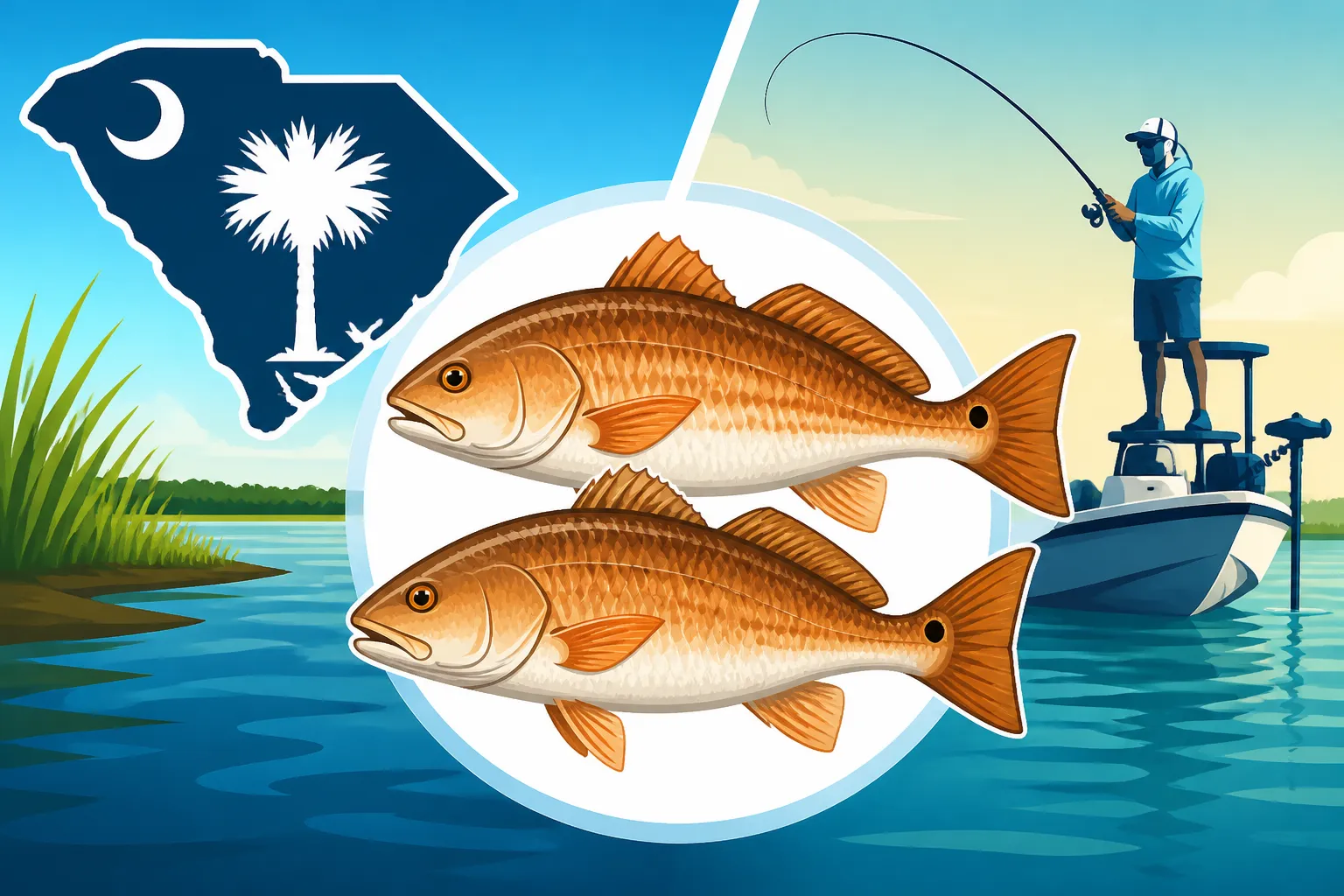
South Carolina Redfish Two-Fish Vessel Limit Explained
It can be incredibly frustrating to head out on the beautiful South Carolina waters, excited for a day of redfish angling, only to be confused by the myriad of regulations. You've heard whispers of a "two-fish limit" for redfish, but what does that really mean for everyone on your boat? This guide is here to clear up all that confusion, diving deep into South Carolina's redfish two-fish vessel limit so you can fish confidently and responsibly.
Understanding the South Carolina Redfish Vessel Limit
The world of fishing regulations can sometimes feel like a maze, especially when you're trying to do the right thing. One rule that often trips up even seasoned anglers, particularly those new to South Carolina's coastal waters or visiting from out of state, is the redfish vessel limit. It's not just about how many fish you can keep; it's about how many total redfish can be on your boat.
What Exactly is a Vessel Limit?
Let's break it down simply. Most anglers are familiar with the concept of a "bag limit," which refers to the maximum number of fish a single licensed individual can keep in a day. For redfish in South Carolina, the individual daily bag limit is currently two fish per person. However, a "vessel limit" adds another layer of regulation by setting a cap on the total number of a specific species that can be present on a single boat, or "vessel," regardless of how many licensed anglers are on board.
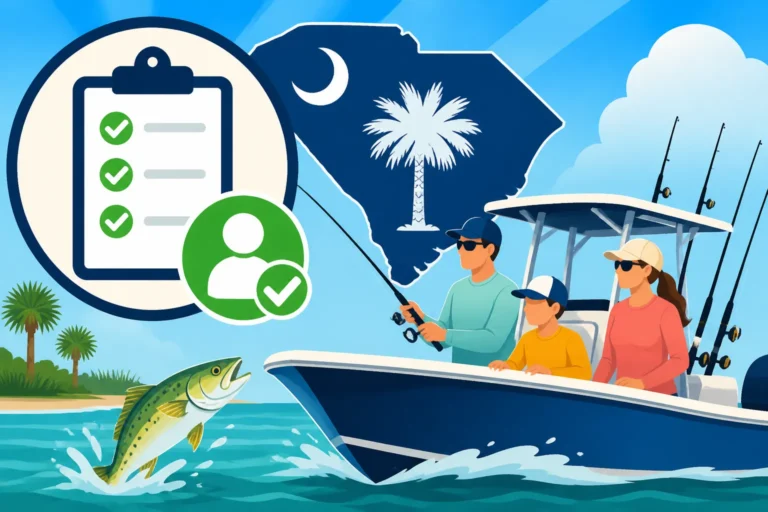
This distinction is crucial because it means that even if you have several licensed anglers on your boat, the collective harvest cannot exceed the vessel limit. Imagine you're out with three buddies, and all four of you have valid South Carolina fishing licenses. While each of you could, in theory, keep two redfish individually, the vessel limit for redfish currently dictates that your entire boat can only possess a maximum of two redfish for the day. This often comes as a surprise and can lead to misunderstandings if not thoroughly understood before setting out.
The Two-Fish Rule Specifics for Redfish
Currently, the South Carolina Department of Natural Resources (SCDNR) enforces a strict two-fish redfish vessel limit per day. This means, unequivocally, that your fishing trip, no matter how many people are on your boat, cannot conclude with more than two redfish in your cooler or livewell. If you're a solo angler, your individual bag limit of two fish perfectly aligns with the vessel limit. But if you have one, two, or even five other licensed anglers with you, the total number of redfish allowed to be kept on that vessel remains just two.
It's a regulation designed with conservation in mind, aiming to protect our cherished red drum population from overharvesting. This rule directly impacts larger groups or fishing charters. For instance, if you book a guide and there are four anglers plus the captain, the entire group can still only keep two redfish. This emphasizes that the goal is not solely about individual prowess in catching but also about collective responsibility in conserving the species. It's always a good practice to confirm the most up-to-date information before you head out, as regulations can and do change. You can find more specific details by checking out the South Carolina Redfish Daily Bag Limit Per Person and understanding how it interacts with this vessel limit.
Why the Vessel Limit Exists: Conservation and Sustainability
Understanding the "why" behind fishing regulations can make them a lot easier to accept and follow. The South Carolina redfish two-fish vessel limit isn't an arbitrary rule; it's a carefully considered measure put in place to ensure the long-term health and abundance of one of our state's most iconic and beloved fish species.
Protecting the Redfish Population
Redfish, also known as red drum, are an incredibly popular target for both recreational and commercial anglers in South Carolina's coastal waters. Their powerful fights, delicious taste, and presence in diverse habitats, from shallow grass flats to deeper channels, make them a prized catch. This popularity, however, also means they face significant fishing pressure. Without adequate management, populations can quickly decline, impacting the entire ecosystem and future fishing opportunities.
The vessel limit acts as an important safeguard. By limiting the total number of redfish that can be removed from the water by a single boat, it helps to distribute the harvest across a wider number of fishing trips. This reduces the overall pressure on the redfish population, especially during peak seasons or in heavily fished areas like Murrells Inlet or Charleston Harbor. It's all about ensuring that enough redfish survive to reproduce, grow, and continue to provide exciting fishing experiences for generations to come. This commitment to sustainability is vital for everyone who loves to fish our beautiful waters.
Working in Tandem with Slot Limits and Bag Limits
The vessel limit isn't a standalone rule; it's part of a comprehensive management strategy that includes other crucial regulations like individual bag limits and slot limits. For instance, South Carolina also has a South Carolina Redfish Slot Limit 18 to 25 Inches, meaning that any redfish you keep must fall within this specific size range. Fish smaller than 18 inches or larger than 25 inches must be immediately released. This protects juvenile fish, giving them a chance to grow, and also safeguards the larger, mature breeding stock that are essential for reproduction.
Consider how these rules interact: an individual angler can keep two redfish within the 18-25 inch slot. However, if there are multiple anglers on a boat, the vessel limit means that even if three anglers each catch a legal slot redfish, only two can be kept on the boat in total. The third must be released. This layered approach — an individual bag limit, a specific size slot, and a vessel limit — creates a robust framework for managing the redfish population. These rules, often updated based on scientific data and stock assessments, aim to strike a balance between allowing anglers to enjoy their sport and ensuring the long-term health of the species. For comprehensive understanding, you'll want to review the South Carolina Redfish Slot Limit Rules as well.
Here's a quick overview of how these limits work together:
| Regulation Type | Applies To | Redfish Limit | Purpose |
|---|---|---|---|
| Individual Bag Limit | Each licensed angler | 2 fish per person per day | Controls individual angler harvest. |
| Vessel Limit | The entire boat | 2 fish per vessel per day | Caps total harvest from a single fishing trip. |
| Slot Limit | Each kept fish | 18 to 25 inches (fork length) | Protects juvenile and mature breeding redfish. |
Practical Implications for Your Fishing Trip
Knowing the rules is one thing, but figuring out how they actually impact your day on the water is another. The redfish two-fish vessel limit in South Carolina absolutely requires a bit of pre-planning, especially if you're not fishing solo.
Planning Your Redfish Outing with the Limit in Mind
This is where the rubber meets the road. If you're heading out with a group, whether it's family, friends, or a guided charter, you'll need to discuss the vessel limit beforehand. A common approach for groups is to decide, upfront, who will be keeping the two fish. This prevents awkward conversations or potential violations later in the day. For example, if you have three anglers, you might decide the first two legal slot redfish caught will be kept, and any subsequent legal fish will be released.
Alternatively, many groups decide to simply enjoy the thrill of the catch and release all redfish after the first two are brought aboard. This can turn the focus from harvesting to the sport itself, reducing any potential tension. It's a fantastic way to enjoy a productive day without worrying about maxing out the boat's allowance. This planning becomes even more critical when considering How Redfish Vessel Limits Work for Group Charters. Reputable charter captains will always make these rules clear at the start of the trip, but it's good for you to be aware as well. Remember, while a South Carolina Fishing License Guide will tell you how to get licensed, it won't always detail the nuances of group limits.
Gear and Practices for Responsible Fishing
Since the vessel limit means you'll likely be releasing a good number of redfish, especially if your group is catching them consistently, responsible catch-and-release practices become paramount. Minimizing stress and injury to the fish you intend to release dramatically increases their chances of survival.
First, consider your gear. Using circle hooks, especially when fishing with natural bait, is highly recommended. These hooks are designed to hook fish in the corner of the mouth, reducing the chance of gut-hooking, which is often fatal. Having proper dehooking tools on board, like long-nose pliers or a specialized dehooker, is essential. You can easily find high-quality dehookers and pliers on platforms like Amazon, making them readily accessible for any angler. When you catch a fish you intend to release, handle it gently with wet hands to protect its slime coat, which acts as its natural defense against disease. Support the fish horizontally, especially larger ones, and avoid dragging them across rough surfaces.
Finally, always have a reliable measuring device with you. A flexible tape measure or even a measuring board ensures that any fish you intend to keep falls within the legal slot limit. Again, a simple, durable tape measure is something you can pick up on Amazon before your trip. Knowing the Current Redfish Regulations for Coastal Waters also includes being prepared with the right tools to measure and release responsibly.
Staying Up-to-Date on Redfish Regulations
Fishing regulations are not set in stone forever. They are dynamic, constantly evolving based on scientific data, conservation needs, and feedback from the angling community. This makes it absolutely essential for every angler to stay informed about the latest rules, including the redfish vessel limit.
Where to Find the Latest Information
The single most authoritative source for South Carolina fishing regulations is the South Carolina Department of Natural Resources (SCDNR). Their website is a treasure trove of information, providing detailed breakdowns of all freshwater and saltwater limits, seasons, and licensing requirements. They often publish updated regulation guides annually, or sometimes even more frequently if significant changes occur. Always make it a habit to check their site before your trip, especially if it's been a while since you last fished or if you're visiting a new area.
Beyond the official channels, local bait and tackle shops are invaluable resources. The folks working there are often avid anglers themselves and are typically very knowledgeable about the current regulations and local nuances. Don't hesitate to strike up a conversation and ask questions. Fishing guides, too, are always on the cutting edge of regulatory changes, as their livelihood depends on compliance. They can offer practical advice on how to navigate the rules on the water. If you're curious about how frequently these rules might shift, it's worth reading up on How Often Redfish Regulations Get Updated. And of course, make sure your South Carolina's $15 Annual Saltwater Fishing License Explained is current and valid!
Consequences of Violating the Rules
Ignorance of the law is never an excuse, especially when it comes to fishing regulations. SCDNR enforcement officers, often referred to as game wardens or marine patrol, are vigilant in ensuring compliance. If you're caught violating the redfish vessel limit, or any other regulation for that matter, you could face significant consequences.
These can range from substantial monetary fines to the confiscation of your catch, your fishing gear, or even your boat. In more serious or repeat offenses, you could face legal charges, community service, or the suspension or revocation of your fishing privileges. It's a stark reminder that these rules are serious, and the authorities take them seriously for the sake of conservation. Imagine getting a hefty fine just because you misunderstood the difference between a bag limit and a vessel limit! So, always double-check. For a broader understanding of the repercussions, you can look into the Penalties for Fishing Without a License in South Carolina, as similar penalties often apply to other violations like exceeding bag or vessel limits.
Disclaimer
Fishing regulations, including bag limits, slot limits, and vessel limits, are subject to change. While this guide aims to provide accurate and up-to-date information, it is the angler's sole responsibility to verify all current regulations with the South Carolina Department of Natural Resources (SCDNR) before engaging in any fishing activity. This article is for informational purposes only and should not be considered a substitute for official legal guidance or the most current regulations.