South Carolina Redfish Slot Limit 18 to 25 Inches
One of the biggest headaches for us anglers in South Carolina is keeping up with the ever-changing fishing regulations, especially when it comes to popular species like redfish. It's easy to get confused about what's legal and what's not, and nobody wants to risk a fine or, worse, harm the fishery. This comprehensive guide is here to untangle the specifics of South Carolina's redfish slot limit, particularly the 18 to 25-inch rule, so you can fish with confidence and contribute to the health of our coastal waters.
Understanding the South Carolina Redfish Slot Limit
Fishing for redfish, or red drum as they're also known, is a beloved pastime across the Lowcountry. These powerful, copper-colored fish are a blast to catch, whether you're targeting them on shallow grass flats or deep in an estuary. But beyond the thrill of the bite, it’s crucial to understand the rules that govern their harvest. The slot limit is one of the most important regulations designed to protect this incredible species.
What is a Slot Limit and Why Does South Carolina Use It?
A slot limit isn't just a random set of numbers; it's a carefully crafted management tool used by wildlife agencies to ensure the long-term health and sustainability of a fish population. Instead of simply having a minimum size, a slot limit dictates that you can only keep fish within a specific size range. For redfish in South Carolina, this means fish that are too small must be released, and critically, fish that are too large must also be released.
The reasoning behind this is brilliant for conservation. By protecting the smaller, juvenile fish, we allow them to grow to maturity and contribute to the spawning population. Even more importantly, by protecting the larger, older "bull" redfish, we safeguard the most prolific breeders. These larger fish are vital to the spawning success of the entire population, as they produce significantly more eggs than younger, smaller fish. It's a strategic way to ensure both recruitment (new fish entering the population) and a robust breeding stock remain healthy, preventing overfishing of the most important age classes.
The Specific 18 to 25 Inch Rule Explained
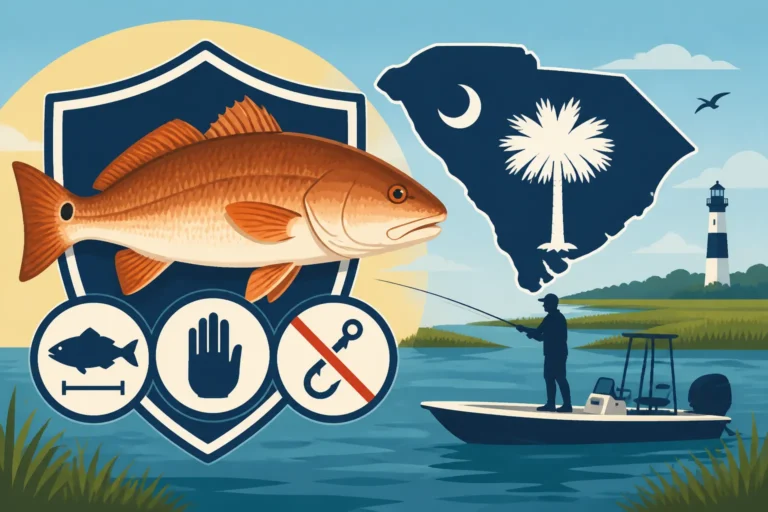
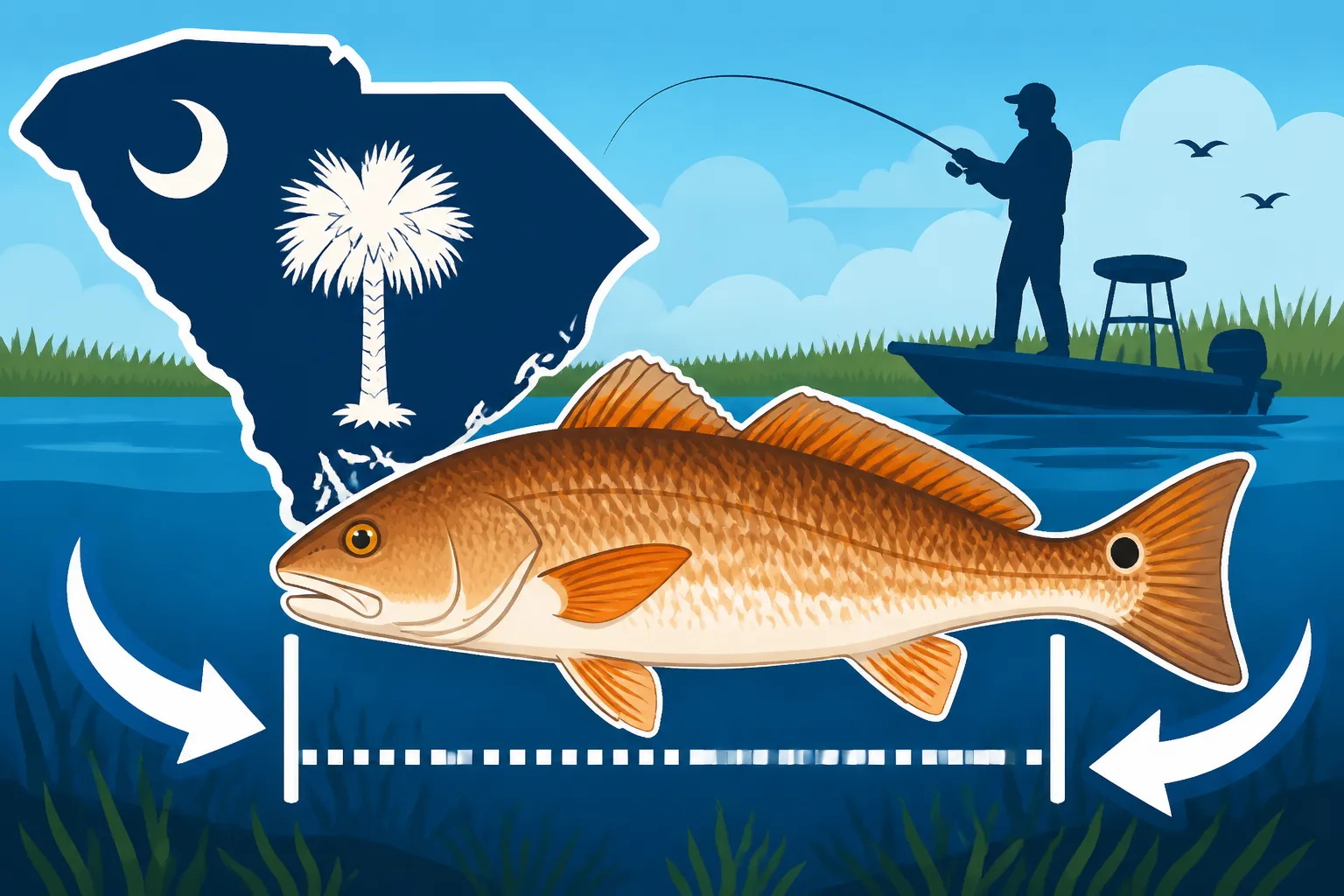
So, let's break down the exact numbers that anglers need to remember: in South Carolina, the redfish slot limit is 18 to 25 inches total length. This means that any redfish you catch must measure at least 18 inches from the tip of its nose to the tip of its tail (with the tail pinched, meaning pressed together for an accurate measurement) to be considered a keeper. If it's shorter than 18 inches, it must go back into the water immediately and unharmed.
Equally important, any redfish that measures over 25 inches must also be released. These are those magnificent, often older, "bull" redfish that are crucial for spawning. The regulation also states that the daily bag limit is three redfish per person per day. Furthermore, there's a two-fish vessel limit, regardless of how many licensed anglers are on board. This particular detail is often overlooked, so remember, if you have three anglers on a boat, you still cannot keep more than two redfish total that day. You can learn more about the specifics of the South Carolina Redfish Vessel Limit Explained if you're planning a trip with a group.
How This Rule Impacts Your Daily Catch
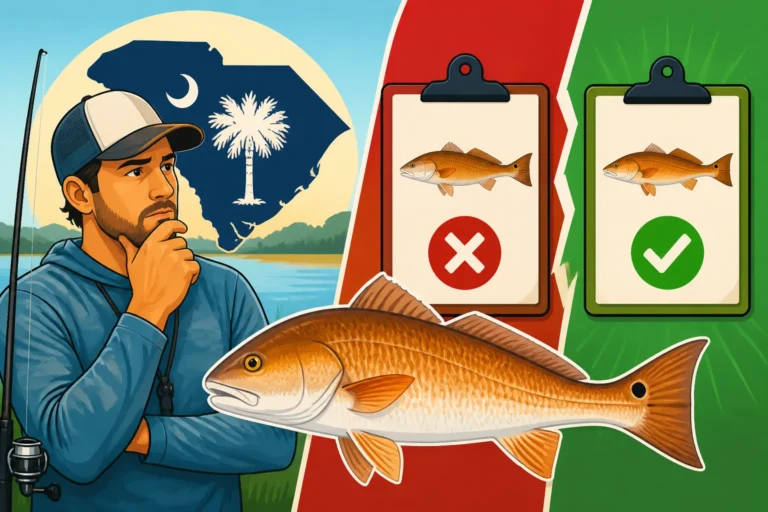
This slot limit fundamentally changes how you approach redfish fishing, shifting the focus from simply catching any fish to carefully selecting your keepers. Imagine you're out on the flats near Murrells Inlet Redfish Fishing Spots in South Carolina. You might hook into several redfish in a day. If one is 16 inches, it’s too small and must be released. If another is a massive 30-inch bull red, it’s too large and must also be released. Only those fish falling perfectly within that 18-to-25-inch window can be kept.
This rule encourages anglers to become more discerning and develop better fish handling skills. It also means that a successful redfish trip isn't necessarily measured by the number of fish you bring home, but by the quality of the experience and your contribution to conservation. It's about respecting the resource and understanding that the health of the fishery directly impacts future fishing opportunities for everyone. It also means you need to be prepared to release a lot of fish, which is a great thing for the population!
Why the Redfish Slot Limit Matters for Anglers
Understanding and adhering to the redfish slot limit isn't just about avoiding a ticket; it's about being a responsible steward of our natural resources. The health of our redfish population directly affects the quality of fishing experiences we can all enjoy in the future.
Conservation Efforts and the Future of Redfish
The redfish population in South Carolina has seen its ups and downs over the years. Intense fishing pressure in the past led to declines, prompting more stringent regulations, including the slot limit, to help the species rebound. These rules are a direct result of scientific research and monitoring by organizations like the South Carolina Department of Natural Resources (SCDNR) to ensure that enough redfish survive to reproduce and maintain a healthy population.
Every time an angler responsibly releases an undersized or oversized redfish, they are actively participating in this conservation effort. It's a collective responsibility that pays dividends for everyone who loves to fish. Think of it as an investment in future generations of anglers. By protecting the Redfish Fishing Season Explained, we ensure that there will be plenty of opportunities for years to come.
Penalties for Violating Redfish Regulations
Ignoring fishing regulations in South Carolina can lead to some pretty hefty consequences, and the redfish slot limit is no exception. Game wardens take these rules very seriously because they are vital to conservation. If you're caught with redfish outside the legal slot limit, or over the bag or vessel limit, you could face significant fines. These fines can range from hundreds to thousands of dollars, depending on the severity of the violation and whether it's a repeat offense. It's not just about the monetary cost either; violations can sometimes lead to the forfeiture of your fishing gear, your boat, and even your fishing privileges.
It's a stark reminder that ignorance is not an excuse. This is why resources like the South Carolina Fishing License Guide and specific guides like Redfish Slot Limit Rules for Coastal Anglers are so important. Always ensure you have a valid fishing license and are up-to-date on all regulations. Believe me, paying a fine is a sure way to ruin a perfectly good fishing trip, not to mention the bad taste it leaves knowing you've potentially harmed the fishery. For those wondering about the broader implications, understanding the Penalty for Fishing Without a License in South Carolina gives a good idea of how seriously fishing rules are enforced here.
Ethical Angling Practices and Responsible Harvesting
Beyond the legal requirements, there’s an ethical dimension to fishing within the slot limit. Responsible harvesting means taking only what you need and ensuring that the fish you release have the best possible chance of survival. This includes minimizing handling time, using appropriate tackle to avoid gut-hooking, and reviving fish gently before release.
When you're out there chasing these incredible fish, especially in popular Charleston Harbor Fishing Spots for South Carolina Anglers, remember that every interaction has an impact. Using circle hooks, barbless hooks, or promptly cutting the line on deeply hooked fish are all part of being an ethical angler. It’s about more than just filling a cooler; it’s about participating in a sport that values the well-being of the fish and the environment. Choosing to practice catch-and-release, even when you could keep a fish within the slot, is another way many ethical anglers contribute to conservation.
Practical Tips for Measuring and Handling Redfish
Successfully navigating the redfish slot limit requires more than just knowing the numbers; it demands proper technique in measuring and handling your catch. Doing it right minimizes stress on the fish and ensures you're compliant with regulations.
Correctly Measuring Your Redfish
Measuring a redfish accurately is straightforward, but consistency is key. You'll need a reliable measuring device, often called a "fish ruler" or "bump board." Many anglers prefer a plastic or aluminum measuring board that has a "bump" at one end to place the fish's nose against.
Here’s how to do it:
- Place the fish: Gently lay the redfish on its side on a flat surface or a measuring board, with its snout touching the "bump" or the zero mark of your ruler.
- Pinch the tail: While the fish is still on the ruler, gently pinch its tail fin lobes together to get the maximum possible length. This "pinched tail" measurement is the standard in South Carolina.
- Read the measurement: Note where the pinched tail fin crosses the measurement scale.
It's critical to do this quickly and gently, especially if you intend to release the fish. Avoid bouncing the fish on the measuring device, as this can cause injury. Accuracy is paramount; a fish that looks "close enough" might actually be undersized or oversized, putting you at risk for a violation. Always double-check, especially if you think it's on the edge of the slot. You can find excellent, durable fish measuring boards on Amazon, which are super handy for quick and accurate checks right on your boat or kayak.
Essential Gear for Responsible Catch and Release
To uphold ethical angling and ensure maximum survival rates for released redfish, having the right gear is crucial. It’s not just about the rods and reels anymore!
- Measuring Device: As mentioned, a sturdy, easy-to-read fish ruler or bump board is non-negotiable. Look for one that's at least 30 inches long to cover potential "overslots."
- Dehooking Tool: A long-nosed pliers, a dedicated dehooker, or a pair of surgical hemostats can be invaluable for quickly removing hooks, especially if the fish is hooked deeply. This minimizes handling time and reduces stress on the fish. You can find a good selection of these tools, often in rust-resistant materials, on Amazon.
- Landing Net (Rubber Coated): A net with rubberized or knotless mesh is far gentler on a fish’s slime coat, fins, and scales than traditional knotted nylon nets. It prevents tangles and abrasions, making it easier to handle and release the fish unharmed.
- Gloves (Optional, but helpful): While not always necessary, some anglers use wet gloves to handle fish, which can protect both the fish's slime coat and the angler's hands from spines and hooks. Ensure gloves are always wet before touching a fish.
Using this gear not only makes the process smoother for you but significantly increases the chances of that released redfish swimming off strongly to fight another day.
Best Practices for Releasing Undersized or Oversized Redfish
Releasing fish properly is just as important as catching them. A poor release can negate all the conservation benefits of the slot limit.
- Minimize Air Exposure: Redfish, especially larger ones, can suffer stress and internal damage from being out of water for too long. Keep the fish in the water as much as possible, even when unhooking or taking a quick measurement.
- Support the Fish: If you must lift the fish, support its body horizontally, especially larger fish, to avoid damaging internal organs or its jaw. Never hold a large redfish vertically by its jaw alone, as this can cause severe injury.
- Quick Unhooking: Use your dehooking tool to remove the hook as quickly and gently as possible. If the fish is deeply gut-hooked and you can't remove the hook without tearing tissue, it's often best to cut the line as close to the hook as possible. Studies show that hooks often dissolve or fall out, and the fish has a better chance of survival this way.
- Revive if Necessary: If a fish seems sluggish after a fight or handling, gently hold it upright in the water, moving it back and forth to force water over its gills. This helps it regain oxygen and strength before swimming away on its own. Only release it when it can swim off under its own power. These practices are especially important when fishing the Santee Cooper Lakes: South Carolina's Legendary Bass Fishery or other large bodies of water where fish can be stressed.
Following these practices ensures that your contribution to the redfish population is positive and impactful, securing the future of this incredible fishery.
| Redfish Size Category | Measurement Range | Action | Reasoning |
|---|---|---|---|
| Undersized | Less than 18 inches | Release immediately, unharmed | Protects juvenile fish, allowing them to grow and mature. |
| Keeper (Slot Limit) | 18 to 25 inches | Can be harvested (up to 3 per person, 2 per vessel) | Allows for responsible recreational harvest while protecting key breeding stock. |
| Oversized (Overslot) | Greater than 25 inches | Release immediately, unharmed | Protects large, mature breeding fish essential for population health. |
How Redfish Regulations Evolve and Staying Updated
The fishing landscape is dynamic, and what's true today might not be true tomorrow. Redfish regulations are no exception, and they can change based on scientific data, environmental factors, and fishing pressure.
The Science Behind Redfish Management Changes
It might seem arbitrary when regulations shift, but these decisions are actually rooted in extensive scientific research and data collection. The SCDNR constantly monitors the redfish population through various methods, including angler surveys, commercial catch data, and biological assessments. They look at factors like spawning success, recruitment rates (how many young fish survive to adulthood), growth rates, and overall population health.
For example, if data shows a decline in the number of mature breeding fish, or if juvenile survival rates drop, wildlife managers might consider adjusting the slot limit or bag limit to offer more protection. Conversely, if the population is thriving, there might be room for more liberal regulations. This is why you might hear about updates to "South Carolina Redfish Slot Limit Changes Over Time" or similar discussions. It’s a continuous process of observation, analysis, and adaptation to maintain a sustainable fishery. These discussions can be complex, often taking into account the impact of environmental factors such as water quality, habitat loss, and climate change on redfish populations.
Reliable Sources for Current South Carolina Fishing Regulations
Given that regulations can change, it's incredibly important for every angler to know where to find the most current and accurate information. Relying on old fishing guides or word-of-mouth can get you into trouble.
Here are the most reliable sources:
- South Carolina Department of Natural Resources (SCDNR) Website: This is the official source. The SCDNR website (dnr.sc.gov) has a dedicated section for fishing regulations, often updated annually or as needed. You can download the latest fishing regulations guide directly from their site. This should be your go-to whenever you have a doubt, especially regarding specifics like Current Redfish Regulations for Coastal Waters.
- Go Outdoors South Carolina Portal: This is where you typically buy your fishing license, and it also often links directly to the latest regulations. Check out How to Buy a Fishing License on Go Outdoors South Carolina for more details on navigating this platform.
- SCDNR Mobile App: Many states now offer mobile apps that provide real-time access to regulations, which can be incredibly convenient when you're out on the water.
- Local Bait and Tackle Shops: While not official sources, reputable bait and tackle shops often have physical copies of the latest regulations and staff who are knowledgeable about local rules. They can be a great resource for quick questions, but always double-check with an official source for anything critical.
Always make it a habit to check the regulations at least once a year, or before a trip to a new area, to ensure you're compliant. As discussed in Why You Should Always Double-Check Current Redfish Rules, being proactive saves you a lot of potential headaches.
Preparing for Potential Future Changes
The fishing world is always evolving, and regulations are a part of that. Being prepared for potential future changes means staying informed and adopting a flexible mindset. Keep an eye on announcements from the SCDNR, particularly around their annual review periods. Sometimes, proposed changes are open for public comment, offering anglers a chance to provide input.
The best way to "prepare" is to always prioritize conservation in your own fishing practices. If everyone practices responsible catch and release, adheres to limits, and uses ethical techniques, the need for more restrictive regulations might be lessened. It's about proactive stewardship rather than reactive compliance. By engaging with your local angling community and staying informed, you can be part of the solution in ensuring that the incredible South Carolina Redfish fishery remains vibrant for generations to come.
Disclaimer
The information provided in this guide is for general informational purposes only and is not a substitute for official legal advice or the most current regulations. Fishing regulations in South Carolina can change frequently. Always consult the official South Carolina Department of Natural Resources (SCDNR) website or their current printed regulations guide before engaging in any fishing activity to ensure compliance.