Do You Need Your Own Fishing License in South Carolina?
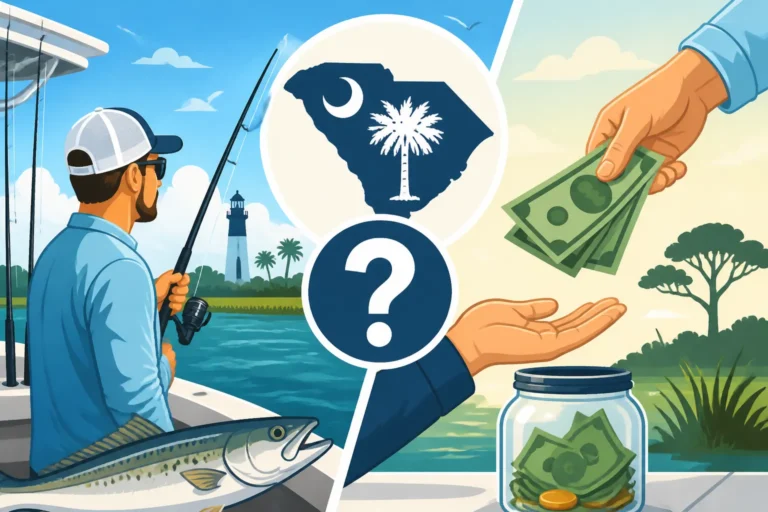
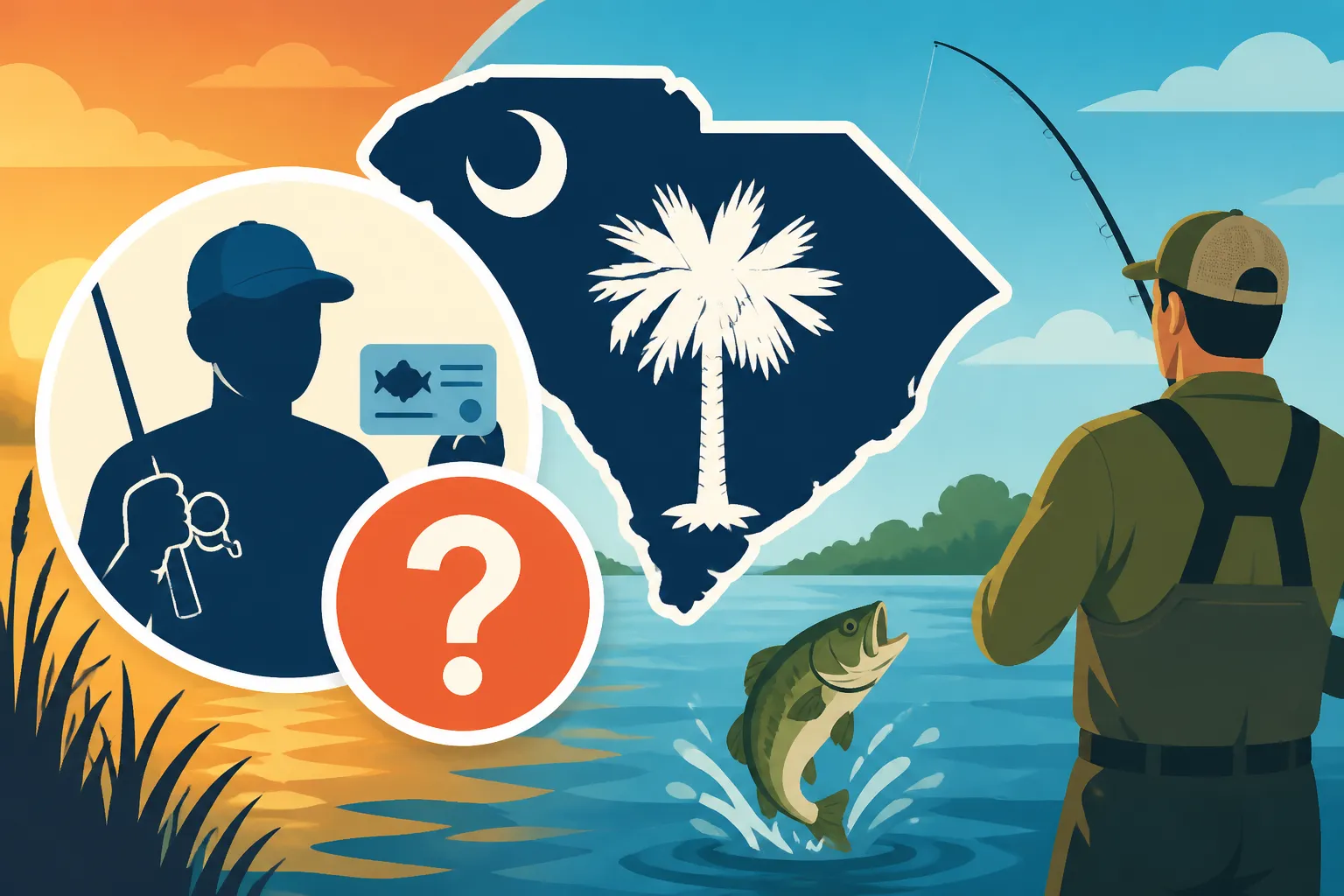
One common point of anxiety for anyone planning a South Carolina fishing adventure, especially if it involves booking a charter, is the question of licenses. You're shelling out good money for a trip, maybe bringing the family, and the last thing you want is a run-in with a wildlife officer because of a simple misunderstanding about paperwork. It's confusing to navigate whether the boat covers everyone or if each person needs their own, and the regulations can feel like a labyrinth. This guide will help clarify South Carolina's fishing license requirements, particularly when you're fishing with a charter, so you can focus on the fun of reeling in your next big catch.
The General Rule: Yes, You Need a License (Usually)
Let's cut right to the chase: for most fishing scenarios in South Carolina, whether you're casting from the bank, a private boat, or a fishing pier, you need a valid fishing license. This fundamental rule often extends to charter trips as well, especially for inshore and nearshore excursions. It's a key piece of information many anglers overlook, assuming that because they're paying a captain, all the bureaucratic details are handled.
Why the Confusion Exists: Charter vs. Individual Responsibility
It's completely understandable why so many people get confused about fishing licenses when they book a charter. When you book a guided trip, you're paying for expertise, equipment, and access to prime fishing spots. It's natural to assume that the professional captain, who holds various commercial licenses and certifications, also covers the licensing for everyone on board. However, this isn't always the case, and this assumption can lead to uncomfortable situations if you're ever checked by a conservation officer. The captain's license allows them to operate a for-hire vessel and guide anglers, but it doesn't automatically grant every passenger the legal right to fish without their own state-issued license.
The misunderstanding often stems from the fact that federal regulations for offshore trips (beyond three miles) sometimes allow for a boat to have a blanket permit that covers all passengers. But South Carolina state waters – which encompass everything from coastal estuaries and rivers to the ocean out to three miles – operate under different rules. These state rules typically require each individual angler to possess the appropriate state fishing license. It's a nuance that can easily be missed if you're not deeply familiar with fishing regulations, and it's certainly not something every charter advertises prominently, though many reputable ones will clearly state the requirements.
What Your License Covers: Freshwater, Saltwater, Duration
South Carolina offers a range of fishing licenses, and choosing the correct one is crucial for your charter trip. The type of license you need depends primarily on where you'll be fishing and for how long. Generally speaking, if your charter is heading into the creeks, rivers, or bays to target species like redfish, spotted seatrout, or flounder, you'll need a saltwater license. If, for some reason, you're on a guide trip on an inland lake or river (which is less common for "charters" but can happen with guides), a freshwater license would be necessary. Many anglers opt for a combination license if they plan to fish both environments, or if they're unsure of the exact waters the charter might traverse.
Beyond the type of water, you also need to consider the duration of your license. South Carolina offers various options, from annual licenses for those who fish frequently, to shorter-term choices like a 14-day or even a 3-year license. For visitors or those planning a single charter trip, a short-term license is often the most cost-effective and practical solution. It's important to remember that these licenses are specific to the individual holding them, and they are generally non-transferable. Ensuring you have the right license for the specific body of water your charter will be fishing in and for the entire duration of your trip is a key step in responsible angling. You can find more detailed information in our South Carolina Fishing License Guide.
Specific Scenarios and Exceptions for Charters
While the general rule is to have your own license, there are specific scenarios and important distinctions that can sometimes change what's required on a charter trip. Understanding these nuances can save you a headache and ensure you're compliant with all regulations.
The "Boat License" Exception: Federal Waters
Here's where a lot of the confusion regarding licenses and charter trips comes into play. If you book an offshore charter that ventures beyond three nautical miles from the coast into what are considered federal waters, it's possible that the captain's federal permit for that vessel covers all the passengers for certain species. This "boat license" or federal permit is specifically designed for commercial for-hire operations in federal jurisdiction, and it's a common practice for deep-sea fishing trips targeting species like snapper, grouper, or pelagics far out in the Atlantic.
However, it's absolutely critical to understand that this federal permit only applies to fishing in federal waters and for species managed under federal guidelines. It does not replace a state license for fishing within South Carolina's state waters, which extend out to three miles from the coastline. Many offshore charters will fish in both state and federal waters, so relying solely on a federal boat permit without confirming could leave you exposed if you catch a fish within the first three miles. Always clarify with your captain if their federal permit covers all fishing activities on your trip, or if a state license is still required for portions of the excursion. Never assume; always ask directly to avoid any unpleasant surprises.
Inshore and Nearshore Charters: State Waters
For the vast majority of inshore and nearshore fishing charters in South Carolina, individual state fishing licenses are a must. These trips, which often explore the rich tidal creeks, estuaries, and nearshore ocean waters (within three miles of the coast), operate entirely within the jurisdiction of South Carolina's state regulations. Whether you're targeting redfish in a shallow marsh, reeling in spotted seatrout near oyster beds, or trying your hand at flounder fishing close to an inlet, you will almost certainly need your own valid South Carolina saltwater fishing license.
Charter captains operating these types of trips are providing a service, but they aren't generally authorized to grant you an exemption from state licensing requirements. Think of it like a taxi service: the driver has a commercial license to operate, but you still need your driver's license to drive your own car later. The captain's commercial license allows them to take you fishing, but your personal license allows you to legally catch and possess fish. Don't let the excitement of a day on the water overshadow the need to understand these regulations. Checking the Saltwater Fishing Rules in South Carolina can help you prepare.
Youth Anglers and Exemptions
Thankfully, when it comes to younger anglers, South Carolina offers some fantastic exemptions that make it easier for families to introduce kids to fishing without immediately needing to purchase a license for everyone. Generally, residents and non-residents alike under the age of 16 are exempt from needing a South Carolina fishing license. This is a huge relief for parents and grandparents who want to share the joy of fishing with their children or grandchildren without added cost or paperwork. It means if you're taking your 10-year-old out on a charter, they typically won't need their own license.
However, it's always wise to double-check the current regulations, as age cutoffs can sometimes change. Beyond age, there are other specific, albeit less common, exemptions. For example, if you're fishing in a private pond that is completely enclosed and doesn't connect to public waterways, a license might not be required. Also, South Carolina typically has a couple of "Free Fishing Days" each year where residents can fish without a license. While these are great opportunities, they are usually specific dates and don't typically apply to non-residents on charters. Always verify any claimed exemption directly with the South Carolina Department of Natural Resources (SCDNR) or your charter captain. We have a helpful resource titled Fishing License Rules for Kids in South Carolina that dives deeper into this topic.
How to Confirm Your License Needs with a Charter
Navigating fishing license requirements can feel like a chore, but it's a vital step to ensure your trip is stress-free and fully compliant. The best approach is to be proactive and ask questions before you ever step foot on the boat.
Asking the Right Questions Before You Book
When you're researching and contacting charter captains, whether through their personal websites, word-of-mouth recommendations, or online booking platforms like FishingBooker, make it a point to clarify the license situation upfront. Don't be shy about asking direct and specific questions. A good captain or booking agent will appreciate your diligence and provide clear answers.
Here are some essential questions to ask:
- "For this specific trip, do I (and everyone in my party) need to purchase a South Carolina fishing license?"
- "If so, what type of license is required? A saltwater license? A freshwater license? An annual or a short-term one?"
- "Are there any age exemptions for children on your boat, and what is the cutoff age?"
- "Does your charter's federal permit cover fishing in state waters, or only beyond the three-mile limit?"
- "Where can I easily purchase the required license before my trip?"
Getting these answers in writing, perhaps through an email exchange or a confirmation message on a booking platform like FishingBooker, can also provide peace of mind. Many reputable charters will have this information readily available on their frequently asked questions (FAQ) section or will state it clearly during the booking process. If you find a charter that seems vague or dismissive about license requirements, that might be a red flag. Be an informed consumer and protect yourself by getting the facts straight.
The Importance of Personal Responsibility
While your charter captain is a professional guide, the ultimate responsibility for possessing a valid fishing license falls squarely on you, the individual angler. It's a bit like driving a rental car: the rental company provides the vehicle, but you're still responsible for having your driver's license. If a conservation officer or marine patrol stops your charter and asks to see licenses, "the captain told me it was covered" is not a legal defense if you don't have the appropriate paperwork.
The consequences of fishing without a license in South Carolina can range from a fine to the forfeiture of your catch, and in some cases, even more serious penalties, especially for repeated offenses. It’s simply not worth the risk or the potential embarrassment to save a few dollars on a license that can cost less than a good meal out. Consider the license an essential part of your fishing gear, just like your rod and reel, or your sunscreen. Being prepared ensures your day on the water remains enjoyable and worry-free. For details on potential repercussions, check out Penalties for Fishing Without a License in South Carolina.
Getting Your South Carolina Fishing License
Once you've confirmed your license needs with your chosen charter, acquiring one is a relatively straightforward process in South Carolina. There are multiple convenient ways to get your license, ensuring you're ready to fish well before your trip date.
Online, In-Person, and Phone Options
South Carolina makes it quite easy for both residents and non-residents to purchase fishing licenses. The most popular and often fastest method is online through the South Carolina Department of Natural Resources (SCDNR) "Go Outdoors South Carolina" portal. This platform allows you to purchase various license types, print a temporary copy immediately, and often receive a permanent card in the mail. It's accessible 24/7, meaning you can get your license even at the last minute from the comfort of your home or hotel room. The online system is pretty user-friendly, and it's a reliable way to make sure you're legally ready to cast a line. You can learn more about this process in our guide Buying a South Carolina Fishing License Online.
If you prefer a more traditional route, licenses can also be purchased in person at various authorized license vendors across the state. These typically include bait and tackle shops, sporting goods stores, and some county government offices. This option is great if you have questions or need some local advice, and you can walk out with your license in hand. Lastly, for those who prefer speaking to a person, licenses can often be purchased over the phone through the SCDNR's customer service line during business hours. Having these multiple options ensures that no matter your preference or schedule, you can secure the necessary documentation.
Deciding Which License Type You Need for Your Trip
Choosing the right license type is crucial, and it hinges on a few key factors: your residency status, the type of water you'll be fishing (freshwater or saltwater), and the duration of your trip. Most charter trips along the South Carolina coast will require a saltwater license. If you're a resident, your options are typically more affordable, ranging from annual to multi-year licenses. Non-residents will find higher prices, but usually have flexible short-term options like a 14-day saltwater license, which is perfect for a vacationer taking one or two charter trips.
Here's a quick comparison of common license considerations for charter fishing:
| License Type | Residency Required? | Common Duration | Best For | Key Consideration |
|---|---|---|---|---|
| Annual Saltwater | Yes/No | 1 Year | Frequent coastal anglers / multiple trips | Cost-effective if fishing more than a few times a year |
| 14-Day Saltwater | Yes/No | 14 Consecutive Days | Short visits / single charter trip | Perfect for tourists; ideal for a week-long vacation |
| 3-Year Saltwater | Yes/No | 3 Years | Anglers planning long-term regular trips | Offers convenience, locks in pricing |
| Combination (Fresh/Salt) | Yes/No | 1 Year or 3 Years | Anglers unsure of water type / varied trips | Covers all state waters, good for diverse fishing plans |
Remember that a freshwater license won't cover you for saltwater charter fishing, and vice versa. While some larger guides might have a special federal permit for far offshore trips, as we discussed, for anything inshore or nearshore within South Carolina's three-mile limit, assume you need your state saltwater license. Always check the South Carolina Annual Fishing License Price Breakdown and Short-Term Fishing License Options in South Carolina to pick the most appropriate and economical choice for your specific adventure.
Ultimately, being prepared with the correct South Carolina fishing license before your charter trip is a small effort that pays off immensely in peace of mind. While many charters simplify the experience, never assume your license is covered. A quick chat with your captain or a visit to the SCDNR website will ensure your focus remains on the thrill of the catch and the beauty of South Carolina's waters, not on potential fines. Enjoy your time on the water, and may your lines stay tight!
Disclaimer
This article is for general informational purposes only and does not constitute professional advice. Laws, prices and regulations vary by location and change over time. Consult a qualified professional for guidance on your specific situation.