What to Ask Before Booking a South Carolina Fishing Charter
Booking a South Carolina fishing charter can feel like stepping into a lottery if you don't know the right questions to ask. Many anglers, especially those new to the Palmetto State's diverse waters, worry about wasting their hard-earned money or ending up on a trip that doesn't match their expectations. This guide is here to empower you, giving you the critical questions to pose before you commit, ensuring your next South Carolina fishing adventure is everything you dreamed of.
Understanding Your Trip and Expectations
One of the biggest keys to a successful charter experience is aligning your expectations with what the captain and boat can realistically deliver. South Carolina offers an incredible array of fishing opportunities, from shallow inshore creeks to the deep blue Atlantic, and knowing what you're signing up for is paramount. Don't be shy about digging into the details; a good captain will appreciate your thoroughness.
What Species Are We Targeting and When?
This is perhaps the most fundamental question. South Carolina's waters are home to a vast number of fish, and what you can target effectively often depends on the season, the weather, and whether you're fishing inshore or offshore. For instance, if your heart is set on catching redfish, an inshore trip in the marsh creeks around Charleston or Murrells Inlet during the warmer months will be far more productive than trying to chase offshore species in winter. Conversely, if you're dreaming of mahi-mahi or wahoo, you'll need to be heading far offshore, typically in the late spring through fall.
A reputable captain will be upfront about what's biting, where, and when. They'll also manage your expectations if a certain species is out of season, difficult to catch, or if conditions aren't ideal. It's much better to know this beforehand than to be disappointed on the water. Be specific about your target species or, if you're open, ask the captain what they recommend for the best action during your desired dates.
Inshore, Nearshore, or Offshore: Which Is Right for Me?
The type of water you fish dictates everything from the boat size and fishing techniques to the species you'll encounter and, importantly, your comfort level.
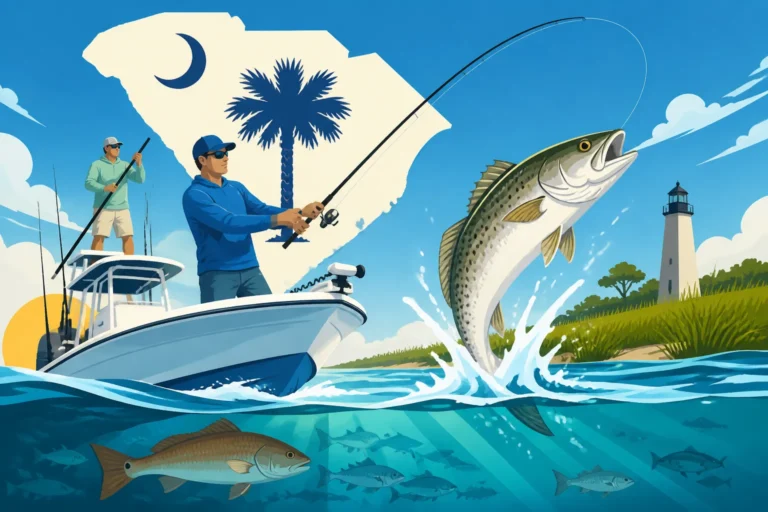
- Inshore charters typically explore shallow estuaries, marsh creeks, and bays. These trips are fantastic for redfish, spotted seatrout, flounder, and often offer calmer waters, making them ideal for families or those prone to seasickness. The boats are usually smaller, shallower-drafting bay boats or center consoles. If you're looking for a relaxing day without too much travel time, asking about an inshore trip is a great start. Many guides specialize in sight fishing or targeting specific structures in these productive waters.
- Nearshore charters venture just beyond the inlets, often staying within a few miles of the coast, targeting artificial reefs or wrecks. Here, you might find species like black sea bass, flounder, king mackerel, or Spanish mackerel. The water can be a bit choppier than inshore but is usually less intense than true offshore trips. These trips are a good middle ground for anglers wanting a bit more variety without going too far out.
- Offshore charters are the big adventure, taking you many miles out into the Atlantic. This is where you'll chase pelagic species like tuna, wahoo, mahi-mahi, sailfish, and marlin. These trips require larger, more robust boats and can involve significant travel time over potentially rough seas. If you're an experienced angler seeking a true deep-sea battle, this is your choice, but it's important to understand the commitment in terms of time, potential for rough conditions, and cost.
When you're browsing platforms like FishingBooker, you can often filter by these trip types, which helps narrow down options that fit your desired experience. Be honest with yourself and the captain about your tolerance for choppy water and your overall comfort on a boat for an extended period.
What's the Typical Trip Duration and How Does it Work?
Charter trips come in various lengths, most commonly half-day (4-5 hours) or full-day (8+ hours). The duration significantly impacts what you can accomplish and how far the captain can take you.
- Half-day trips are popular, especially for inshore fishing or for families with younger children. They offer enough time to get to a few spots and get some lines wet without committing to a full day on the water. For species close to the dock, a half-day can be incredibly productive. However, if you're targeting fish that require a longer run to reach, a half-day might feel rushed, with a good portion of the time spent traveling rather than fishing.
- Full-day trips provide a more comprehensive experience. They allow the captain to explore more distant fishing grounds, giving you more time on the water and a greater chance to land a variety of species or target specific trophy fish. Offshore trips are almost always full-day or even longer, simply due to the travel time involved. A full day also means more opportunities to adapt to changing conditions or move to different spots if the bite is slow.
Consider your group's stamina and enthusiasm. While a full day promises more fishing, it can be tiring for some, particularly in the heat of a South Carolina summer. Discuss with the captain what they typically achieve on each duration of trip for your desired target species and location. You can compare options and prices effectively on platforms that list various trip lengths, such as those found through a search on a reputable booking site. For more comparison, check out Half-Day vs Full-Day Fishing Charters in South Carolina.
Logistical Details and What's Included
Beyond the fishing itself, there are practical considerations that can make or break your trip. Knowing what the charter provides and what you need to bring eliminates unwelcome surprises.
Fishing Licenses, Rods, Reels, and Bait: Is it All Covered?
This is one of the most critical questions to ask upfront. Generally, most reputable South Carolina fishing charters operate under a blanket recreational fishing license that covers all passengers on board. This means you typically don't need to purchase your own individual fishing license when booking a charter, which is a huge convenience. However, it's always best to confirm this directly with the captain or booking agent, especially if you're joining a shared trip rather than a private charter, or if there are any unique state regulations you're unsure about. For deeper insight into licensing, check out our South Carolina Fishing License Guide.
Regarding gear, the vast majority of charters provide all necessary rods, reels, tackle, and bait. This is a huge perk, as it saves you the hassle and expense of bringing or buying your own specialized equipment. Ask about the quality and type of gear they use—are they well-maintained? Are they appropriate for the fish you're targeting? A good charter will have high-quality, well-maintained equipment ready for you. Sometimes, if you prefer to bring your own "lucky" rod, a captain might accommodate, but always ask first.
What Should I Bring (and What Not To)?
Even if the charter provides all the fishing essentials, there are definitely personal items you'll want to pack to ensure a comfortable day on the water. Here's a quick rundown:
| Category | Recommended Items | Why You Need It |
|---|---|---|
| Sun Protection | Sunscreen (non-spray preferred), hat, sunglasses, long-sleeved shirt | South Carolina sun is intense; protect your skin and eyes. |
| Hydration/Snacks | Water, sports drinks, sandwiches, fruit, snacks | Stay energized and hydrated throughout the trip. |
| Footwear | Non-marking, closed-toe shoes (deck shoes, sneakers) | Safety and comfort on a wet, moving boat deck. |
| Layers | Light jacket or rain gear | Weather can change quickly on the water. |
| Cooler | Small cooler with ice (for drinks/snacks) | Keep your provisions cold. |
| Camera | Waterproof camera or phone in a dry bag | Capture those memorable catches! |
| Medication | Any personal medications, seasickness remedies | Be prepared for any personal health needs. |
Always ask about any specific restrictions. For instance, many captains prefer you not bring spray sunscreen as it can make boat decks dangerously slick. Glass bottles are often discouraged for safety reasons, and some charters might have rules about alcohol consumption. It’s always best to pack light but smart. For a more comprehensive checklist, refer to What to Bring on a South Carolina Fishing Charter.
Fish Cleaning and Filleting: What Happens After the Catch?
You've landed some beautiful fish, but what happens next? This is an important question to clarify. Many South Carolina fishing charters offer fish cleaning and filleting services as part of their package, or for a small additional fee. Some might even package your fish for you, ready for transport. However, some smaller charters or guides might expect you to handle your own catch, or direct you to a local fish-cleaning service at the dock.
Always confirm the policy, including any costs, and how the fish will be handled. This is especially relevant if you're keen on taking your catch home for dinner. Additionally, remember that bag limits and slot limits are strictly enforced by state regulations. Your captain will know these rules, like the South Carolina Redfish Slot Limit Rules or Spotted Seatrout Size and Bag Limits in South Carolina, and will ensure your catch complies. You won't be able to keep fish that are outside the legal size range, regardless of how much you want to.
Booking, Payment, and Gratuity
The financial and contractual aspects of your charter trip are just as important as the fishing itself. Transparency here prevents misunderstandings and ensures a smooth experience for both you and the captain.
Deposit, Cancellation, and Weather Policies: What's the Fine Print?
Before handing over any money, it's crucial to understand the booking agency's or captain's policies regarding deposits, cancellations, and especially weather.
- Deposits: Most charters require a deposit to secure your booking, which is completely standard. Ask how much, when it's due, and if it's refundable under any circumstances.
- Cancellation Policy: Life happens. What if you need to cancel? What's the minimum notice required to get your deposit back, or at least avoid being charged the full amount? Are there any fees associated with cancellation?
- Weather Policy: This is arguably the most important one in a coastal state like South Carolina. Fishing in rough seas isn't fun, and it can be downright dangerous. Reputable captains will prioritize safety. Ask what constitutes "bad weather" (e.g., small craft advisories, thunderstorms, high winds). Who makes the call to cancel due to weather—you or the captain? If the trip is canceled by the captain due to weather, what are your options: reschedule, full refund, or a credit for a future trip? Platforms like FishingBooker often have clear policies outlined, which can be very helpful for travelers. For more specific details on cancellations, see South Carolina Charter Fishing Cancellation and Weather Policy.
Understanding these policies upfront protects your investment and prevents potential frustrations. Don't assume anything; get it in writing if possible, or at least confirmed in an email.
What Are the Total Costs and Are There Any Hidden Fees?
The advertised price for a charter trip is often just the base rate. To avoid sticker shock, ask for a complete breakdown of all potential costs. Here are some common additions:
- Fuel Surcharges: For longer offshore trips, some charters might add a fuel surcharge if gas prices are particularly high.
- Bait Costs: While most charters include live bait, some might charge extra for specialized bait if you request it.
- Fish Cleaning: As mentioned earlier, while often included, sometimes there's an additional fee for cleaning and filleting your catch.
- Gratuity: This is usually separate and expected.
- Taxes and Booking Fees: If you're booking through a third-party platform, there might be a small booking fee or local taxes applied.
When speaking with the captain or booking agent, ask for the "all-in" price, explaining that you want to understand all potential expenses beyond the quoted base rate. This transparency will help you budget accurately for your South Carolina fishing adventure.
Tipping Your Captain and Crew: What's Customary?
Tipping is an integral part of the charter fishing industry, and it's almost always separate from the base price of the trip. Your captain and mate work incredibly hard—from preparing the boat and bait before you arrive, to putting you on fish, cleaning your catch, and then cleaning the boat after you leave.
The customary gratuity for a fishing charter in South Carolina, and across much of the US, is typically 15-20% of the total trip cost. This percentage applies whether you had a banner day or if the fish were uncooperative, as the tip reflects their effort, knowledge, and service, not just the number of fish caught. If you had an exceptional experience, consider tipping on the higher end of that range. Conversely, if you feel the service was genuinely poor (not just the fishing itself), you can adjust accordingly, but this is rare with professional charters. It's always a good idea to bring cash for tipping, as it's often preferred and easier for the crew. For more details on this often-confusing topic, you can read Tipping Your South Carolina Fishing Guide.
Safety and Comfort on the Water
Your safety and comfort are paramount. A great fishing trip isn't just about catching fish; it's about feeling secure and having an enjoyable experience from start to finish. Don't hesitate to ask questions that address these vital concerns.
Safety Equipment and Emergency Procedures: What's Onboard?
A reputable charter captain will prioritize safety above all else. Before you even step foot on the boat, it's completely reasonable to ask about the safety equipment on board and what emergency procedures are in place.
Every licensed charter boat is required to carry specific safety gear, including:
- Life Jackets: Enough for every passenger, and often child-sized vests if you have little ones. Ask where they are stored and if you or your children should wear them at all times.
- First-Aid Kit: Well-stocked and easily accessible.
- Communication Equipment: VHF radio, cell phone, and sometimes satellite communication for offshore trips.
- Navigation Equipment: GPS, charts, and radar (especially on larger boats).
- Fire Extinguishers: Clearly marked and maintained.
Beyond the physical gear, ask about the captain's emergency plan. What happens if someone gets sick? What if there's a mechanical issue? Knowing that the captain has thought through these scenarios and is prepared can offer immense peace of mind, especially if you're fishing far offshore or with children. This due diligence can turn an anxious first-timer into a confident angler.
Boat Type and Amenities: Is it a Good Fit for My Group?
The type of boat and its amenities can drastically influence your comfort and enjoyment, especially on longer trips or with diverse groups.
- Boat Type:
- Bay Boats/Center Consoles: Common for inshore and nearshore trips. They're typically open, providing good fishing access around the entire boat, but limited shade and no enclosed cabin.
- Cabin Cruisers/Sportfishers: Larger vessels used for offshore fishing. They often have enclosed cabins, restrooms, seating, and sometimes air conditioning.
- Consider the size of your group. Will everyone fit comfortably without feeling cramped?
- Amenities:
- Restroom Facilities: This is a big one, especially for families or longer trips. Many boats, particularly smaller inshore vessels, may not have a marine head (toilet), or it might be very basic. Offshore boats usually have more accommodating facilities. Confirm this if it's a concern.
- Shade: The South Carolina sun is no joke. Does the boat have a T-top, Bimini, or cabin offering ample shade? If not, plan to bring extra sun protection like wide-brimmed hats and long-sleeved shirts.
- Seating: Is there comfortable seating for everyone, or will some people be standing most of the trip? This matters for mobility and comfort, especially for older guests or children.
Platforms like FishingBooker often include detailed descriptions and photos of the boats, so you can visually assess if it meets your group's needs before even making a call. Getting these details sorted ensures everyone in your party will have a good time. Family-Friendly Fishing Charters in South Carolina can provide more specific guidance on what to look for when booking with kids.
Captain's Experience and Local Knowledge: Are They the Real Deal?
While you might not directly ask "Are you experienced?" (as every captain will say yes!), you can gather this information and look for indicators of true expertise. A truly great South Carolina fishing guide isn't just someone with a boat; they're a master of their local waters.
- Ask about their specialties: Do they focus on light tackle? Fly fishing? Trolling offshore? This helps you gauge if their expertise aligns with your desired trip.
- How long have they been guiding in the area? Local knowledge is gold. Someone who has fished the same creeks and offshore ledges for years will know the subtle nuances that lead to a successful trip, such as understanding seasonal patterns, tides, and fish behavior.
- Check reviews and testimonials: Online booking platforms are a treasure trove for this. Reading feedback from previous clients gives you an honest look at a captain's professionalism, fishing prowess, and personality. A captain consistently receiving rave reviews on a platform like FishingBooker for their ability to find fish and provide a great experience is a strong indicator of their quality.
- Are they licensed and insured? This is non-negotiable. While you don't necessarily need to ask directly, feel confident that a professional operation will be properly credentialed.
A good captain should be friendly, communicative, and passionate about fishing. They should be willing to share their knowledge and make your trip enjoyable, regardless of your experience level. Don't underestimate the value of a captain who can turn a slow fishing day into a memorable adventure with their personality and commitment to customer service.
Disclaimer
This article is for general informational purposes only and does not constitute professional advice. Laws, prices and regulations vary by location and change over time. Consult a qualified professional for guidance on your specific situation.