South Carolina Mahi-Mahi and Tuna Charter Trips
There's nothing quite like the dream of heading far offshore, past the sight of land, in pursuit of truly magnificent game fish. For many anglers, the thought of battling a powerful tuna or reeling in a vibrant Mahi-Mahi (often called dolphin fish) in the deep blue waters off South Carolina is the ultimate fishing fantasy, but knowing how to make that dream a reality can feel overwhelming. This guide will walk you through everything you need to know about booking and enjoying a South Carolina fishing charter focused on these exhilarating pelagic species.
The Allure of Offshore Mahi-Mahi and Tuna Fishing in South Carolina
When you think of deep-sea fishing, Mahi-Mahi and various tuna species are often the first fish that come to mind for good reason. These pelagic powerhouses offer incredible fights and are highly sought after for their exquisite table fare. South Carolina’s coast provides access to the rich waters where these fish thrive, making it a fantastic destination for offshore adventurers.
Why Target Mahi-Mahi Dolphin Fish
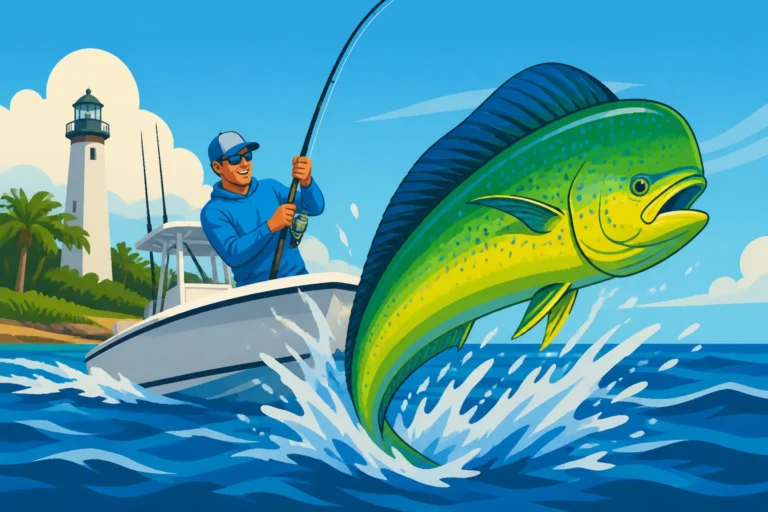
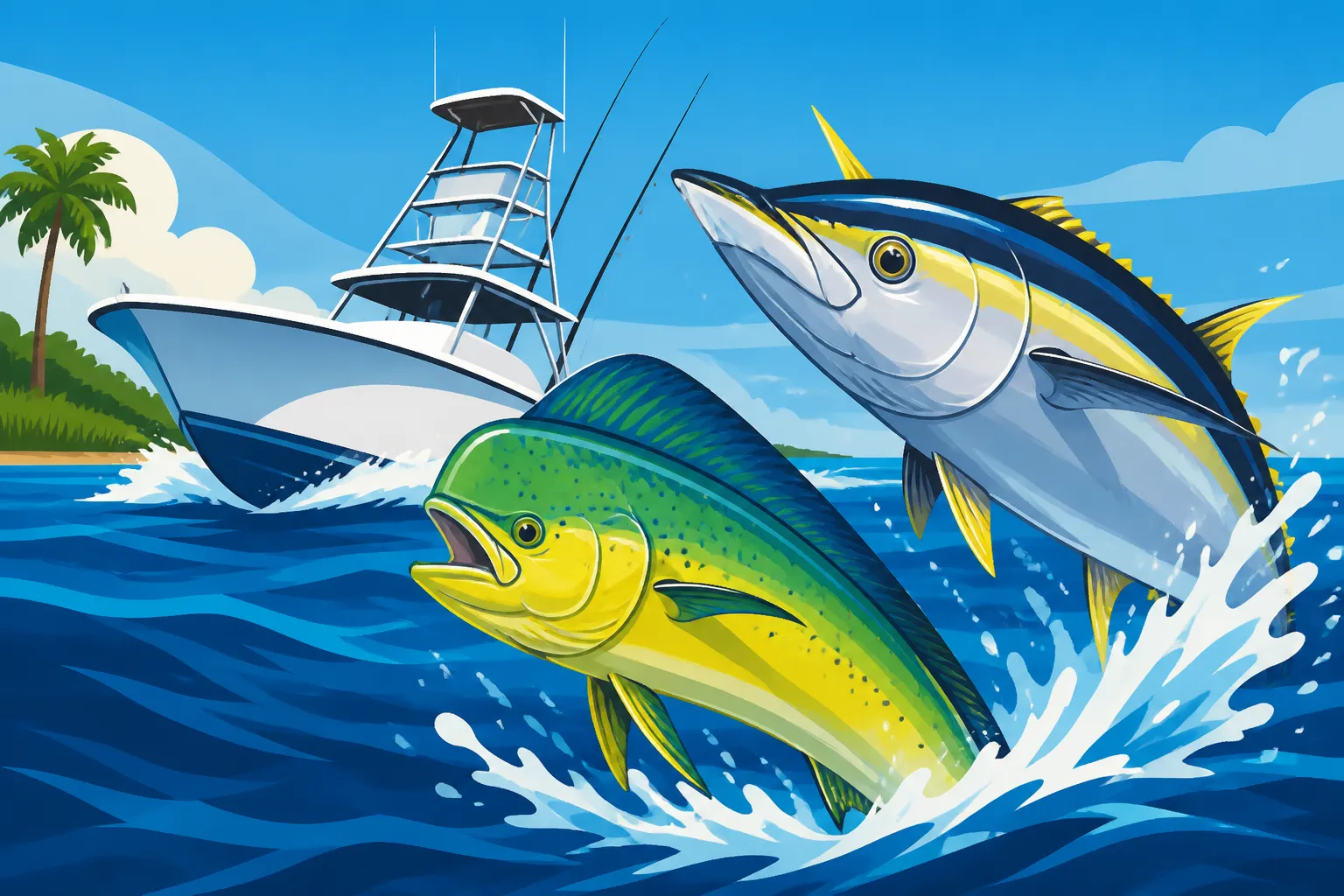
Mahi-Mahi, or dolphin fish as they're commonly known, are arguably one of the most exciting fish to target offshore. Their vibrant, iridescent colors—brilliant greens, blues, and golds—make them absolutely stunning creatures, especially when fresh out of the water. But it's not just their beauty that attracts anglers; it's their aggressive feeding habits and acrobatic fights.
Imagine a fishing trip where your line suddenly screams, and a flash of neon green and blue leaps clear of the water, shaking its head violently to throw the hook. That's a typical Mahi-Mahi encounter! They often congregate around floating debris, sargassum weed lines, or current breaks, providing fantastic action when you find a school. Many anglers report that once you find one, you're likely to find more, leading to exciting multiple hook-ups that create a flurry of activity on deck. Beyond the fight, Mahi-Mahi are considered some of the best eating fish in the ocean, with firm, white, flaky meat that's incredibly versatile.
The Thrill of South Carolina Tuna Charters
Tuna fishing off the South Carolina coast offers a different kind of thrill—one that often involves sheer power, incredible stamina, and a test of an angler's will. While the Gulf Stream is a bit of a haul, the rewards can be monumental. The primary tuna species targeted here are Blackfin Tuna and Yellowfin Tuna, though sometimes a stray Bluefin Tuna might be encountered (which usually comes with very strict regulations due to their protected status).
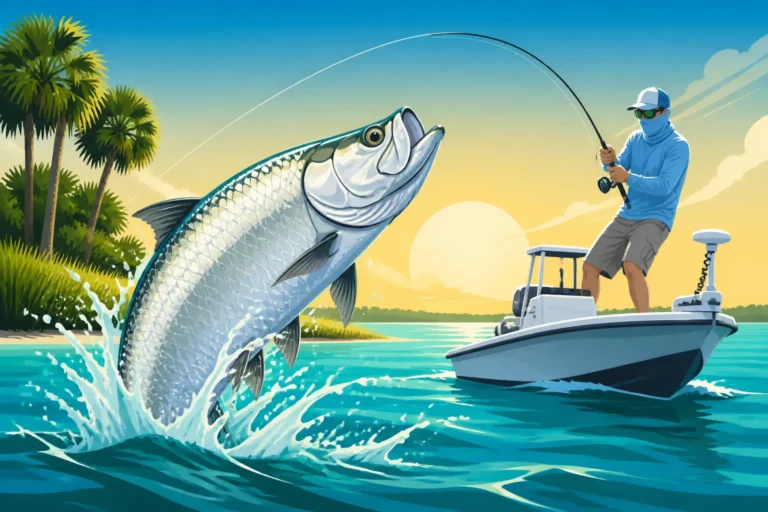
Blackfin Tuna are common and offer a fantastic fight on lighter tackle, often found closer to the shelf. Yellowfin Tuna, however, are the true gladiators of the deep, known for their blistering runs and relentless pulling power. Hooking into a large Yellowfin can mean an hour-long battle, sometimes even longer, pushing both angler and tackle to their limits. It's a true test of strength and endurance, and landing one is a badge of honor. These fish are typically found in deeper, cooler waters of the Gulf Stream, often around underwater structures, temperature breaks, or bait schools. Beyond the fight, fresh tuna is a culinary delight, perfect for sashimi, seared steaks, or grilling.
What to Expect on a South Carolina Mahi-Mahi and Tuna Charter
Offshore fishing for Mahi-Mahi and Tuna isn't like casting a line from a pier or bank. It's an expedition, a deep-sea adventure that requires preparation, specialized gear, and a seasoned crew. Understanding what a typical trip entails will help you set realistic expectations and make the most of your time on the water.
Typical Trip Lengths and Destinations
When you're chasing Mahi-Mahi and Tuna, you're looking at a significant commitment in terms of time and distance. These are not inshore species, so your charter boat will be heading many miles offshore, often into or near the Gulf Stream. This means full-day trips are the norm, usually lasting 8 to 12 hours. Some captains might even offer extended or "overnight" trips for serious trophy hunters, but these are less common for a general charter.
The boat will motor out to depths where these pelagic species roam, often following temperature breaks, weed lines, or underwater structures in the open ocean. This run can take several hours, sometimes two to three hours just to get to the prime fishing grounds. Be prepared for a long day on the water, with a lot of time spent cruising to and from the fishing spots, but the anticipation and the eventual payoff are usually well worth it.
Gear, Techniques, and What the Crew Provides
Offshore fishing for Mahi-Mahi and Tuna requires heavy-duty gear designed to withstand the power of these fish. You'll typically find powerful conventional reels paired with stout rods, capable of handling heavy lines and strong drag settings. The techniques employed often include trolling with a spread of lures or rigged baits, live baiting around structure or debris, and sometimes chunking (throwing out pieces of cut bait to attract fish).
The beauty of a charter trip is that the captain and crew provide all of this specialized equipment. You won't need to bring your own rods, reels, or tackle. They'll have everything set up and ready to go, often with multiple lines in the water. The crew's expertise is invaluable; they know the local waters, the currents, the baitfish, and the seasonal patterns. They'll rig the baits, set the lines, and provide instructions on how to fight these powerful fish once they're hooked. They also handle the necessary fishing licenses, so you don't have to worry about securing a separate offshore permit for yourself. However, it's always a good idea to confirm what's covered. You can learn more about general licensing in our South Carolina Fishing License Guide.
The type of boat you'll be on is also important. For offshore trips, you'll typically be on a large sportfishing yacht or a substantial center console, designed to handle open ocean conditions comfortably. These boats usually come equipped with advanced electronics (sonar, radar, GPS), outriggers for trolling, and sometimes a fighting chair for those really big tuna.
Best Seasons for Mahi-Mahi and Tuna
Timing your trip for the best chances of success is crucial for these migratory species.
- Mahi-Mahi: These vibrant fish are highly sought after during South Carolina's warmer months. Their season generally kicks off in late spring, around April or May, and continues strong through the summer and into early fall, often until October. As the water temperatures rise and the Gulf Stream currents bring warmer water and bait closer to shore, Mahi-Mahi move into accessible ranges. The peak action is typically during the summer, when you can find them congregating around weed lines and floating debris.
- Tuna: Tuna fishing can be a bit more varied depending on the species. Blackfin Tuna are often present year-round, with good numbers in the spring and fall. Yellowfin Tuna also show up during certain times, often in the spring and again in the fall as baitfish migrate. Winter can sometimes offer opportunities for Yellowfin, but it often involves longer runs and more challenging weather conditions. The key is that different species of tuna might be more prevalent at different times, so discussing this with your captain when booking is always a smart move.
Offshore trips are highly weather-dependent. A charter captain will always prioritize safety, so be prepared for the possibility of rescheduling due to rough seas or dangerous weather conditions. For a broader look at seasonal fishing opportunities, check out our South Carolina Fishing Seasons Guide.
Choosing the Right Offshore Charter for Mahi-Mahi and Tuna
Selecting the right charter is paramount to having a successful and enjoyable Mahi-Mahi and Tuna fishing experience. It's not just about finding any boat; it's about finding the right captain, the right vessel, and the right fit for your group and expectations.
Vetting Captains and Boats
This is where your research really pays off. A good captain is experienced, knowledgeable about the local waters and fish behavior, and prioritizes safety. Look for captains with a strong track record in offshore fishing, specifically for pelagic species like Mahi-Mahi and Tuna. Don't be shy about asking questions when you inquire about a trip: How long have they been fishing offshore? What kind of fish are they targeting most successfully right now? What is their safety equipment like?
The boat itself should be well-maintained, seaworthy, and appropriate for offshore conditions. A reputable charter will have all the necessary safety gear, including life rafts, EPIRBs, and advanced communication systems. Online booking platforms, like FishingBooker, can be a great resource here. You can browse detailed listings, see photos of the boats, read reviews from previous customers, and compare different options side-by-side. FishingBooker and similar services often provide transparency on the captain's experience and the amenities of the boat, helping you make an informed decision. Remember, communication is key—a good captain will be happy to answer your questions before you book. For more general tips on booking, see How to Book a Fishing Charter in South Carolina.
Understanding Pricing and Inclusions
Offshore Mahi-Mahi and Tuna charters typically represent a significant investment, but they offer an unparalleled experience. The cost can vary widely based on factors like the boat's size, the captain's reputation, trip duration (half-day options are generally not suitable for tuna/mahi), and the number of anglers. While I can't give you exact figures, expect these trips to be among the higher-priced options due to the specialized equipment, significant fuel costs, and the expertise required to consistently find and catch these deep-sea species.
Typically, the charter price will include:
- Fishing license: The boat carries a blanket license that covers all passengers.
- All necessary fishing gear: Rods, reels, tackle, and bait.
- Fuel: A major expense for offshore runs.
- Ice: For keeping your catch fresh and your drinks cold.
- Fish cleaning: Most crews will fillet your fish for you at the dock.
However, some things are almost always extra:
- Food and drinks: You'll need to bring your own snacks and beverages for a long day.
- Sunscreen and personal items: Hats, sunglasses, motion sickness medication.
- Gratuity for the crew: Tipping is customary and expected.
Always clarify what is included in the price when booking your trip to avoid any surprises. You can find more details on general charter costs in South Carolina Charter Fishing Costs and Trip Types. Deciding between a private charter, where you book the entire boat for your group, and a shared or "head boat" trip is also a factor. Private charters offer a more personalized experience but cost more upfront, whereas shared trips are more budget-friendly but mean fishing with other anglers you don't know. Learn more about these options in Private vs Shared Fishing Charters in South Carolina.
Preparing for Your Offshore Adventure
Once you've booked your charter, it's time to prepare for the big day! Offshore fishing is different from inshore or freshwater trips, and a few key items can make a huge difference in your comfort and enjoyment.
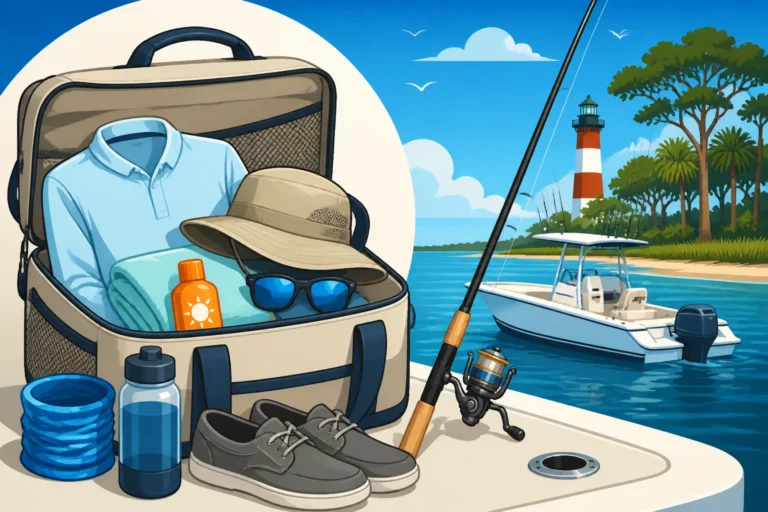
- Sun Protection: The sun's intensity is amplified on the open water. Bring a wide-brimmed hat, polarized sunglasses, and plenty of high SPF sunscreen. Long-sleeved, breathable shirts and pants are also highly recommended.
- Motion Sickness Medication: Even if you've never gotten seasick before, offshore conditions can be unpredictable. It's always a good idea to take preventative measures like Dramamine or Bonine the night before and the morning of your trip.
- Food and Drink: Pack enough snacks, sandwiches, and drinks for everyone in your group. Hydration is crucial.
- Camera: You'll want to capture the memories of these beautiful fish and epic battles!
- Appropriate Clothing: Dress in layers. It can be cool in the morning on the ride out, but hot during the day. Non-skid shoes are essential.
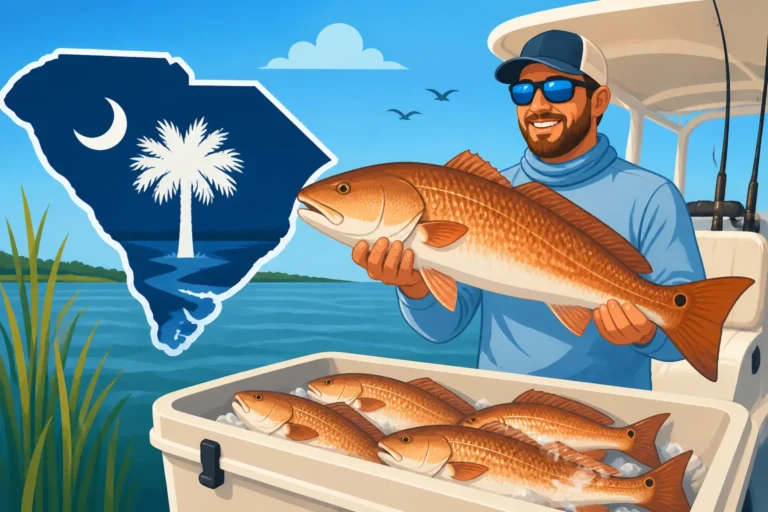
- Cooler: Bring an empty cooler in your car to transport your cleaned fish home.
For a more comprehensive checklist, check out What to Bring on a South Carolina Fishing Charter.
Don't forget about gratuity. Tipping your captain and mate is customary for their hard work, expertise, and assistance throughout the day. A typical tip ranges from 15-20% of the trip cost. You can read more about this in Tipping Your South Carolina Fishing Guide.
Finally, be aware of fishing regulations. While your captain will handle compliance on the boat, it's good to understand that pelagic species like Mahi-Mahi and Tuna have specific bag limits and sometimes size restrictions. Your captain will always ensure these rules are followed, but knowing them generally can add to your appreciation of responsible angling. Get familiar with the general rules in South Carolina Fishing Bag Limits Explained.
South Carolina's Prime Ports for Offshore Charters
South Carolina's long coastline offers several excellent points of departure for offshore fishing adventures. Each port has its own character and fleet, but all provide access to the rich waters where Mahi-Mahi and Tuna roam.
Charleston Fishing Charters for Offshore Action
Charleston is undoubtedly one of South Carolina's premier fishing destinations, and its offshore charter fleet is robust. From Charleston Harbor, captains have excellent access to the Atlantic Ocean and the productive waters of the Gulf Stream. The city itself is a draw, with its historic charm, fantastic restaurants, and vibrant atmosphere, making it a perfect spot for a fishing vacation.
You'll find a wide variety of charter boats available here, from sleek sportfishers designed for speed and comfort to larger center consoles. Many experienced captains operate out of marinas like the Charleston City Marina or Toler's Cove, offering everything from standard full-day trips to more specialized long-range excursions. The proximity of the Gulf Stream to Charleston often means a slightly shorter run to prime fishing grounds compared to some other ports, maximizing your fishing time. Exploring your options here can give you access to some fantastic Mahi-Mahi and Tuna opportunities. For a deeper dive, read Charleston Fishing Charters: South Carolina's Harbor Trips.
Hilton Head Island Offshore Opportunities
Further south, Hilton Head Island is another fantastic hub for offshore fishing. Known for its beautiful beaches, world-class golf courses, and family-friendly resorts, Hilton Head also boasts a strong charter fishing community. Anglers departing from marinas such as Harbour Town Yacht Basin or Shelter Cove Harbour & Marina will find themselves with good access to the offshore fishing grounds that hold Mahi-Mahi and Tuna.
The charter fleet here is diverse, catering to both seasoned anglers and families looking for an unforgettable experience. While it might be a bit further to the deepest parts of the Gulf Stream compared to Charleston, the captains operating out of Hilton Head are adept at finding fish closer to the continental shelf and along significant temperature breaks. Many visitors combine a relaxing island vacation with an exciting offshore fishing trip, making it a popular choice. Check out Hilton Head Island Fishing Charters, South Carolina for more local details.
Myrtle Beach and Other Coastal Hubs
While Charleston and Hilton Head often get the most attention for offshore charters, the Myrtle Beach area and other smaller coastal towns also offer excellent opportunities. Myrtle Beach, a popular tourist destination, has a range of charter options, though some might focus more on bottom fishing or shorter offshore trips. However, dedicated sportfishing charters are available for those looking to target Mahi-Mahi and Tuna. Marinas around Murrells Inlet and Georgetown offer fantastic starting points, particularly Georgetown which has excellent access to the open ocean via Winyah Bay.
These smaller ports can sometimes offer a more laid-back experience, and the captains often have generations of local knowledge specific to their area. When looking in these areas, always confirm the boat's offshore capabilities and the captain's experience targeting pelagic species. Using platforms like FishingBooker can help you filter for these specific types of trips, no matter where along the coast you choose to depart from. For specifics on the Myrtle Beach region, see Myrtle Beach Fishing Charters and Trip Options.
Here's a quick comparison of what to expect when targeting these two incredible species:
| Feature | Mahi-Mahi (Dolphin Fish) | Tuna (Yellowfin/Blackfin) |
|---|---|---|
| Primary Season | Late Spring to Early Fall (Warmer water) | Spring and Fall are prime, Blackfin often year-round |
| Fishing Style | Trolling, sight fishing around debris/weed lines | Trolling, chunking, sometimes jigging |
| Fight Profile | Acrobatic jumps, fast runs, vibrant colors | Long, powerful, sustained runs, incredible stamina |
| Depth Targeted | Often near surface around floating structure/weed lines | Deeper waters, offshore banks, temperature breaks |
| Typical Location | Gulf Stream edges, offshore waters | Gulf Stream, offshore beyond the continental shelf |
| Table Fare | Excellent, firm, white, flaky meat | Excellent, rich, darker meat (sashimi, steaks) |
Making Your Offshore Dream a Reality
Embarking on a South Carolina Mahi-Mahi or Tuna charter trip is more than just a day of fishing; it's an adventure into the vastness of the Atlantic, a challenge against some of the ocean's most powerful creatures, and an opportunity to create indelible memories. Whether you're drawn to the electric fight of a Mahi-Mahi or the brute strength of a Yellowfin Tuna, South Carolina's offshore waters hold immense potential.
By understanding what these trips entail, preparing adequately, and choosing a reputable charter, you set yourself up for the best possible experience. Don't let the thought of planning scare you away. Research, ask questions, and trust the expertise of your chosen captain. Get ready to feel the drag scream and see those magnificent fish light up the deep blue, because a South Carolina offshore charter for Mahi-Mahi and Tuna is truly an unforgettable journey.
Disclaimer
This article is for general informational purposes only and does not constitute professional advice. Laws, prices and regulations vary by location and change over time. Consult a qualified professional for guidance on your specific situation.