How to Choose an Inshore Fishing Guide on Hilton Head
Dreaming of a fantastic inshore fishing trip around Hilton Head Island, but feeling a bit overwhelmed by the sheer number of guides out there? It's a common struggle! You want a memorable experience, not a wasted day, and choosing the right captain for your hard-earned time on the water can feel like a shot in the dark. This comprehensive guide is designed to cut through the confusion and equip you with everything you need to confidently select the perfect inshore fishing guide that truly matches your expectations and fishing aspirations for your Hilton Head adventure.
Understanding Inshore Fishing Around Hilton Head Island
Before you even start looking for a guide, it’s really helpful to understand what "inshore fishing" means, especially when you're talking about a place like Hilton Head. This isn't deep-sea trolling for tuna; it's a completely different world of angling, and knowing that difference will help you narrow down your search for the right captain.
Defining Inshore Waters and Target Species
When we talk about inshore fishing around Hilton Head, we're talking about those shallower, calmer waters found close to shore. This includes the intricate network of tidal creeks, expansive salt marshes, the calm waters of the Intracoastal Waterway, and even the sounds and bays that are protected from the open ocean. These are rich, vibrant ecosystems, teeming with life. Think about how the tides ebb and flow, creating distinct feeding opportunities and hiding spots for fish. It’s a dynamic environment where local knowledge is absolutely paramount.
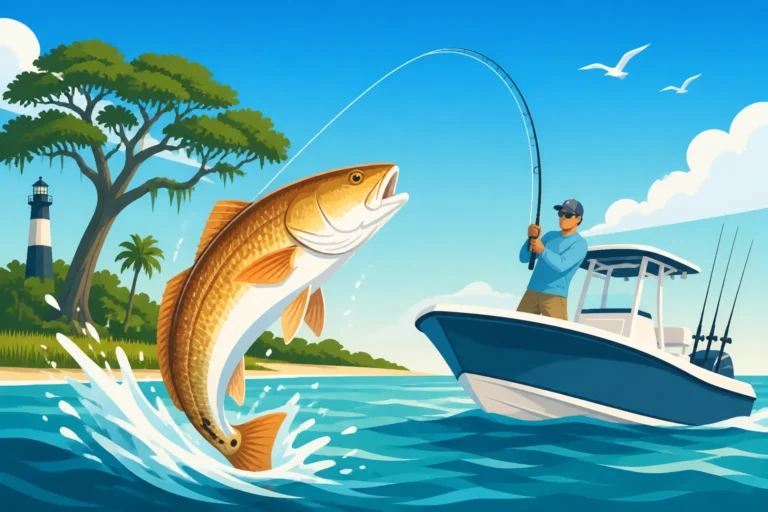
The beauty of Hilton Head's inshore fishery is the incredible variety of species you can target. The most popular catches, and often the primary focus for many guides, are redfish (also known as red drum or spottail bass), spotted seatrout (or speckled trout), and flounder. These three are often referred to as the "inshore slam" for a reason – they're abundant, fun to catch, and delicious to eat! But you might also encounter sheepshead, black drum, or even a feisty ladyfish, especially during certain times of the year. Each species has its own habits and preferred habitats, and a good inshore guide knows them all intimately. For more on what's biting, check out South Carolina Saltwater Fish Species Worth Targeting.
Typical Inshore Fishing Techniques and Environments
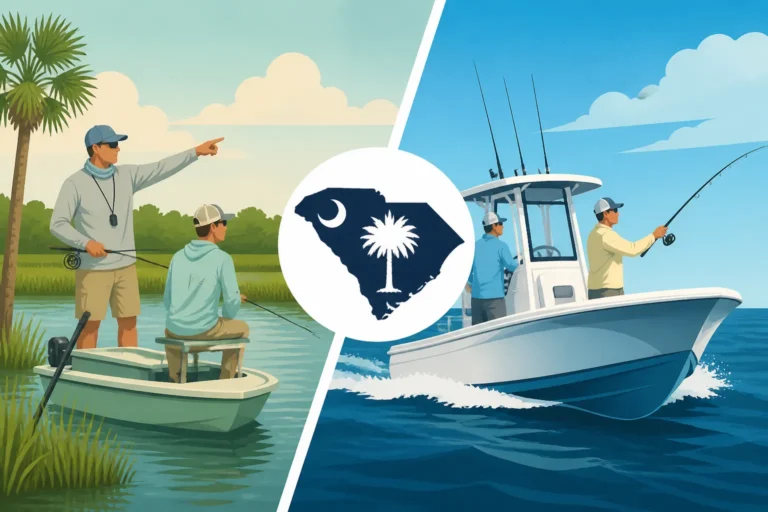
The techniques used for inshore fishing are generally geared towards these shallower, often structure-rich environments. You won't see massive trolling lures here. Instead, guides often employ live bait fishing, using shrimp, mud minnows, or finger mullet, drifted or still-fished near oyster beds or creek bends. Artificial lures are also incredibly effective, from soft plastics rigged on jig heads to popping corks that mimic shrimp fleeing predators. Fly fishing for redfish on the flats is also a popular, specialized technique that some guides offer.
The fishing experience itself is usually quite peaceful, often involving cruising through scenic marsh estuaries, dropping anchor in a quiet creek, or drifting silently along a grassy bank. It's a fantastic way to experience the natural beauty of the Lowcountry, often spotting dolphins, various wading birds, and other wildlife as you fish. It’s less about the adrenaline rush of a big offshore battle and more about the subtle art of stalking fish in their natural habitat. If you're wondering about specific techniques, you might find Inshore Redfish Techniques for Beginners or Trout Fishing Techniques for Inshore Anglers helpful.
Identifying Your Fishing Goals and Expectations
Now that you have a better grasp of what inshore fishing entails around Hilton Head, it's time to do a little self-reflection. What exactly are you hoping to get out of this trip? Are you a seasoned angler looking for a trophy, or are you hoping to introduce your kids to the joy of fishing? Your answers will significantly influence the type of guide and trip that's best for you.
What Kind of Angler Are You?
Let's be honest with ourselves here. Not every fishing trip needs to be about breaking records. Some people are really focused on the sport, the challenge of landing a specific species, and maybe even perfecting a new technique. They might be looking for a guide who is equally passionate about the technical aspects, someone who can teach them advanced casting or lure presentation. They might prioritize a captain with specific knowledge about Best Lures for Tailing Redfish in Grass Flats or intricate tidal patterns.
On the other hand, many anglers, especially those on vacation, are looking for a more relaxed, recreational experience. Maybe you just want to catch something, anything, that puts a bend in the rod. Perhaps the focus is more on enjoying the beautiful scenery, spending quality time with family, or simply unwinding on the water. Be honest about your skill level too. Are you a complete beginner, or do you have years of experience? This will help you communicate your needs to potential guides and ensure they can meet them.
Trip Companions and Group Dynamics
Who are you bringing along? This is a huge factor in choosing a guide. A solo angler or a pair of experienced buddies might thrive with a guide focused purely on hardcore fishing action, pushing hard for specific bites. But if you're planning a trip with young children or a group of friends who are mostly novices, your priorities shift dramatically.
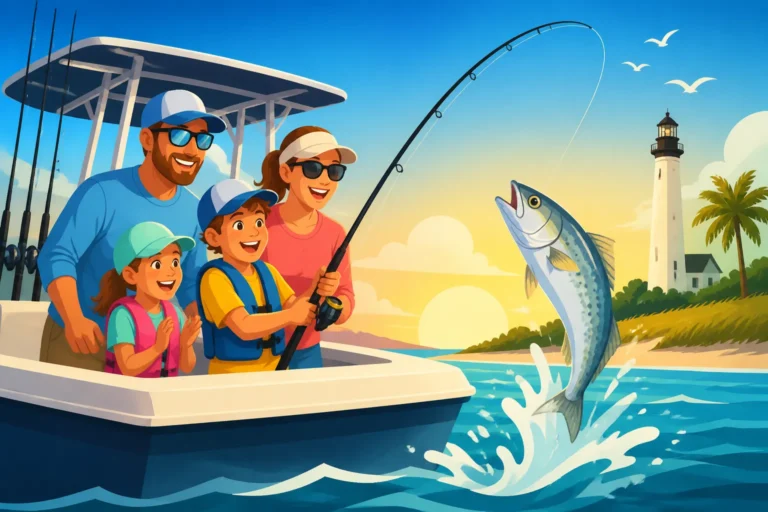
For families, you'll want a guide who is patient, understanding, and genuinely enjoys teaching kids. Look for captains who are known for their family-friendly charters and have safety at the forefront. They often have extra snacks, sometimes even a bathroom on board (a huge plus for little ones!), and are adept at keeping everyone engaged, even if the fish aren't biting constantly. Think about how many people are in your group, too, as most inshore boats have strict capacity limits. A quick search on a platform like FishingBooker allows you to filter by group size, making it easy to find guides that can accommodate everyone. For more tips on this, check out Are Hilton Head Fishing Charters Good for Kids?.
Desired Catch and Experience Level
Are you absolutely set on catching a trophy redfish? Or would you be thrilled with a cooler full of tasty spotted seatrout? While guides can never guarantee a catch (it is fishing, after all!), some specialize in certain species or techniques. If your heart is set on, say, fly fishing for tailing redfish on the flats, you need a guide with specific expertise and equipment for that. If you just want to put some fish in the boat for dinner, a more general light tackle guide might be perfect.
Consider your comfort level with different fishing styles. Are you okay with sitting and waiting for a bite with bait, or do you prefer actively casting and retrieving lures? Do you want to learn specific techniques, or just have fun? Being clear about your desired outcome will help you find a guide whose approach aligns with yours. It's also worth thinking about whether you want a half-day or full-day trip, as this impacts the amount of time you have to explore and fish. Is a Half-Day or Full-Day Hilton Head Charter Better for Beginners? can help you decide.
Key Qualities to Look for in a Hilton Head Fishing Guide
Alright, you know what you want. Now, how do you find the person who can deliver it? This is where research and knowing what to prioritize comes in. A great guide isn't just someone who knows where the fish are; they're a host, a teacher, and a safety officer all rolled into one.
Experience, Knowledge, and Professionalism
First and foremost, experience and local knowledge are non-negotiable for an inshore guide on Hilton Head. The marsh system is intricate, tides are crucial, and fish patterns change with the seasons and even the weather. A seasoned captain will have spent years, if not decades, learning these waters like the back of their hand. They know the oyster beds, the deep holes, the grass lines, and how different conditions affect the bite. Don't be shy about asking how long they've been guiding in the area.
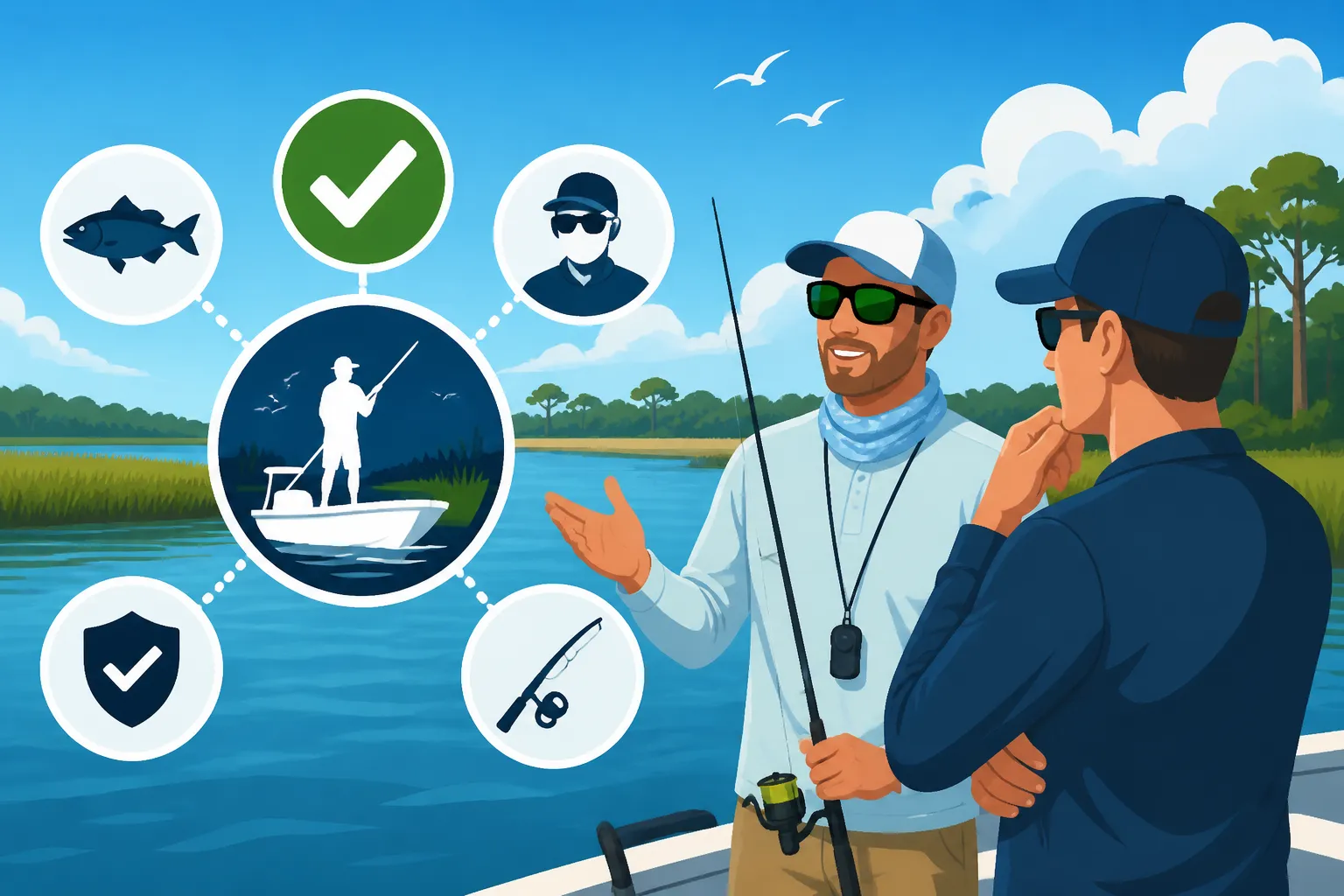
Beyond just knowing where to find fish, a truly professional guide is licensed and insured. They should adhere to all Coast Guard regulations and South Carolina fishing laws. This isn't just about legality; it's about your safety and peace of mind. They should also maintain their equipment, from the boat to the rods and reels, in top-notch condition. A professional guide will also communicate clearly before, during, and after your trip, setting realistic expectations and being upfront about what's included and what's not.
Communication Style and Personality Match
This often gets overlooked, but it's incredibly important. You're going to be spending several hours, perhaps a full day, in a relatively small space with this person. Their personality and communication style can make or break your trip. Do you prefer a quiet, focused guide who lets you concentrate on fishing, or someone who's gregarious, tells stories, and offers constant instruction?
When you're first making contact, pay attention to how they communicate. Are they prompt in responding? Do they answer your questions thoroughly? Do they seem genuinely interested in what you want from the trip? If you're looking for an educational experience, a guide who enjoys teaching and explaining techniques will be invaluable. If you're bringing kids, look for someone with a patient demeanor. Reading reviews often gives great insight into a guide's personality and how they interact with different types of clients.
Equipment and Boat Suitability
The right equipment for inshore fishing on Hilton Head includes a boat suitable for navigating shallow waters, often a bay boat or a flats boat, which can get into those skinny creeks where the redfish hide. The boat should be well-maintained, clean, and equipped with necessary safety gear. Ask about the type of boat they use – is it comfortable? Is there enough space for your group?
Beyond the vessel, consider the rods, reels, and tackle they provide. Are they high-quality and well-maintained? Are they appropriate for the species you're targeting and for your skill level? For instance, if you're a beginner, ultralight tackle might be frustrating, while heavy gear might take away from the sport. A good guide will have a variety of setups available and will ensure you have the right tools for the job. Also, confirm what's included in the trip: bait, tackle, and sometimes even a cooler with ice are standard, but it's always good to clarify. You'll often find these details clearly listed on their profile on booking sites like FishingBooker.
How to Research and Book Your Ideal Guide
Now that you've got your internal checklist in order, it's time to put on your detective hat and start finding that perfect guide. There are several avenues to explore, and combining a few of them will give you the most comprehensive picture.
Online Platforms and Reviews
In today's digital age, online booking platforms are a fantastic starting point. Sites like FishingBooker aggregate a wide array of guides, complete with detailed profiles, photos of their boats, lists of target species, available dates, and most importantly, client reviews. These reviews are gold! Pay attention not just to the star rating, but to the actual comments. Do people praise the guide's patience, their knowledge of the local waters, their family-friendliness, or their ability to put clients on fish? Look for recurring themes that align with your priorities.
When you're browsing, check if the guide is active and responsive on these platforms. An up-to-date profile and quick responses to inquiries are usually good signs of professionalism. Filter by location (Hilton Head Island), trip type (inshore), and even specific species if you have one in mind. This really streamlines the initial search process. You might find several potential candidates by simply looking at Hilton Head Inshore Fishing Charters, South Carolina on such platforms.
Word-of-Mouth and Local Recommendations
Don't underestimate the power of a good old-fashioned recommendation. If you know anyone who's fished in Hilton Head, ask them for their guide suggestions. Local tackle shops are also incredible resources. The folks working there live and breathe fishing; they often know many of the guides personally and can give you an honest assessment of who might be a good fit for your specific needs. They can offer insights you won't always find online, like which guides are great with kids or who's known for chasing specific fish.
Local hotels or vacation rental companies might also have preferred guides they recommend. While these can sometimes be based on partnerships, they're often reliable leads, especially for family-friendly options or guides accustomed to catering to visitors. Just be sure to cross-reference any recommendations with online reviews to get a balanced view.
Questions to Ask Before Booking
Once you've shortlisted a few potential guides, it's time to reach out and ask some specific questions. This isn't just about gathering information; it's also a chance to gauge their communication style and personality. Here's a table of essential questions you might consider:
| Category | Key Questions to Ask | Why It Matters |
|---|---|---|
| Experience | How long have you been guiding in the Hilton Head area? | Ensures local knowledge of tides, fish patterns, and hotspots. |
| Specialization | Do you specialize in certain species or techniques (e.g., redfish, fly fishing)? | Confirms they can meet your specific fishing goals. |
| Group Suitability | How do you typically handle trips with children or beginners? | Crucial for family trips; ensures patience and appropriate instruction. |
| What's Included? | What does the trip price include (bait, tackle, licenses, cooler, drinks)? | Avoids surprises; some guides even handle Do You Need a Fishing License for a Hilton Head Charter? for you. |
| Safety | What safety equipment do you have on board? | Peace of mind; ensures adherence to regulations. |
| Catch & Keep | What is your policy on keeping fish? Do you clean the catch? | Clarifies expectations regarding harvest and processing. |
| Contingency | What is your cancellation policy for weather or unforeseen circumstances? | Important for planning, especially when booking well in advance. |
| Logistics | Where do we meet? What time? What should we bring? | Practical details to ensure a smooth start to your trip. What to Bring on a South Carolina Fishing Charter |
Don't hesitate to be specific about your group's needs and desires. A good guide will appreciate your clarity and will be happy to answer all your questions. If a guide seems reluctant to provide information or rushes you off the phone, that might be a red flag. Take your time, compare your options, and trust your gut feeling. After all, this is your vacation, and you deserve a fantastic fishing experience!
Disclaimer
This article is for general informational purposes only and does not constitute professional advice. Laws, prices and regulations vary by location and change over time. Consult a qualified professional for guidance on your specific situation.