Redear Sunfish Fishing Tips for South Carolina Anglers
It’s a common scenario: you head out to your favorite South Carolina fishing spot, rods in hand, perhaps dreaming of a trophy bass or a feisty redfish. But sometimes, the most rewarding catches are the ones often overlooked – like the humble, yet incredibly fun, redear sunfish. If you've ever struggled to consistently put these feisty "shellcrackers" in your cooler, or just want to up your panfishing game, this comprehensive guide will equip you with all the tips and tricks you need for a fantastic redear sunfish experience in the Palmetto State.
Understanding the Redear Sunfish in South Carolina
Before we even talk about casting a line, it's really helpful to get to know the fish you're targeting. The redear sunfish is a true gem of South Carolina's freshwater systems, offering a different kind of angling challenge and a delicious reward. They might not get the same press as largemouth bass, but a stringer full of redear sunfish is a sight to behold, and the fight they put up on light tackle is just pure fun.
What Makes Redear Sunfish Unique?
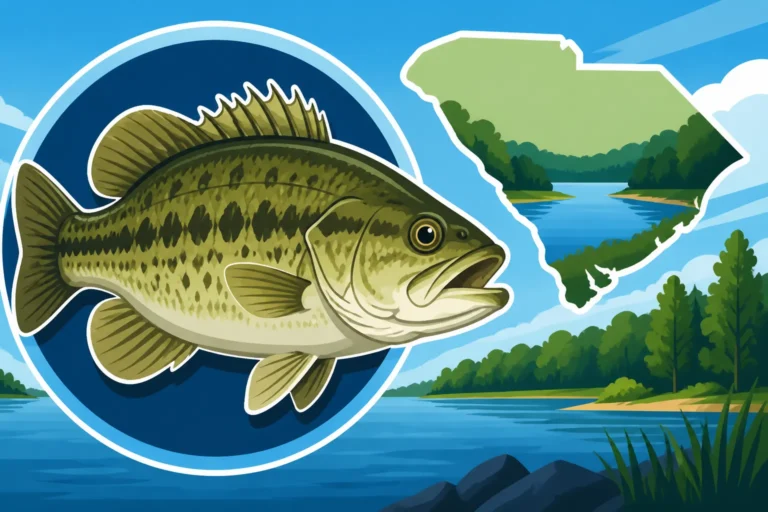
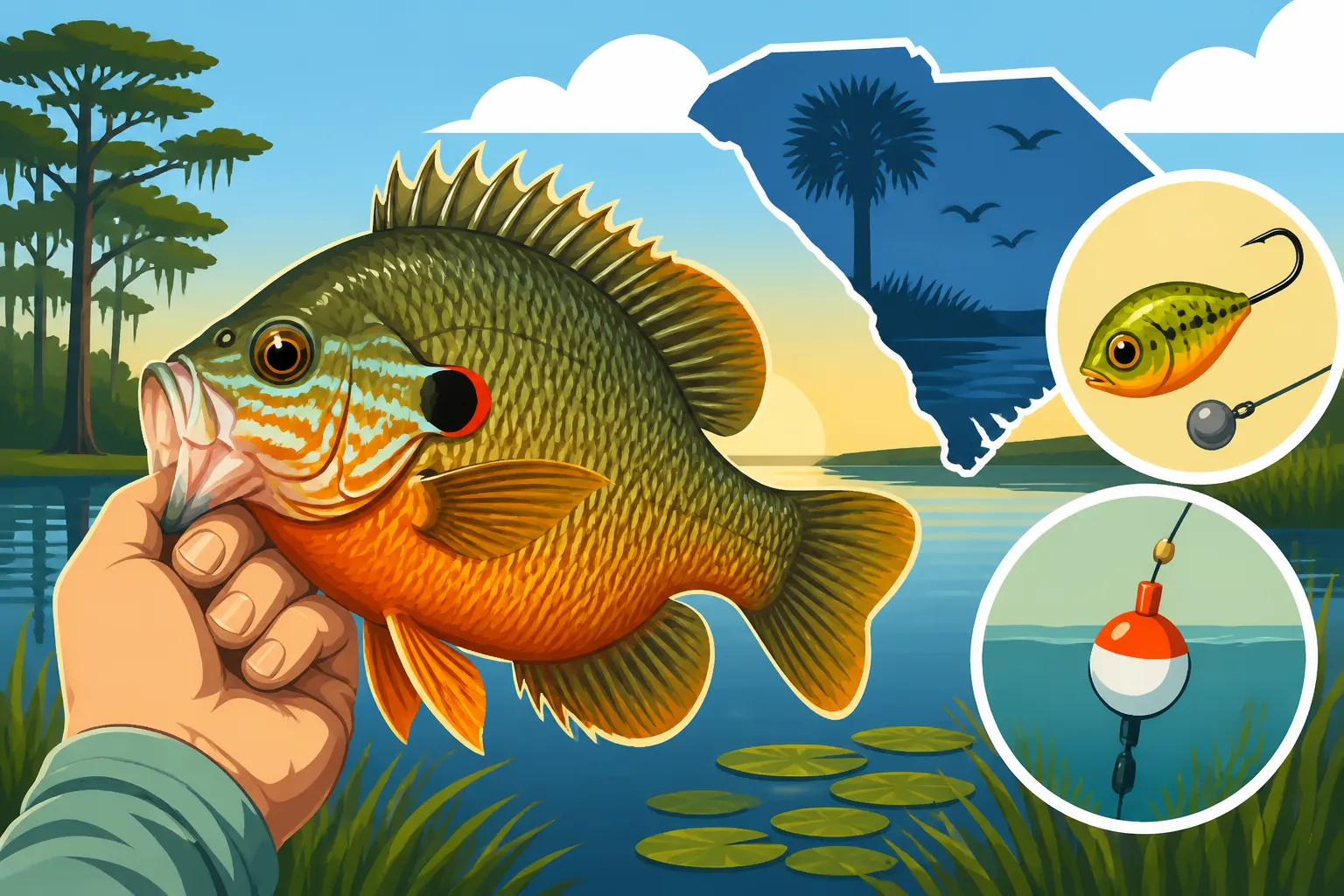
Redear sunfish, often affectionately called "shellcrackers" by local anglers, get their nickname for a very good reason: they have specialized crushing plates in their throats that allow them to feast on snails, mussels, and other shelled invertebrates found on the bottom. This unique dietary habit sets them apart from their bluegill and redbreast sunfish cousins, who tend to prefer insects and smaller prey. Visually, you can often identify a redear by the distinct red or orange margin on the operculum (gill flap) – it looks like a little "ear" hence "redear." Their bodies are typically deep and compressed, with an olive-green back fading to silvery sides and a yellowish belly. They're undeniably handsome fish.
Beyond their looks and diet, redear sunfish are known for their strong, determined fight. When hooked, they pull hard and deep, making for an exciting battle, especially on lighter gear. They also tend to grow larger than bluegill in many South Carolina waters, often reaching impressive sizes that make them a prime target for panfish enthusiasts. Understanding these unique traits is the first step in successful redear fishing – you'll want to target their food sources and respect their fighting spirit with appropriate tackle.
Where to Find Redear Sunfish in South Carolina Waters
Redear sunfish are widespread throughout South Carolina's freshwater environments, thriving in many of our beautiful lakes, ponds, and slower-moving rivers. Think about places like the Santee Cooper lakes – Marion and Moultrie – or even smaller farm ponds across the state. They absolutely love clear, vegetated waters with sandy or mucky bottoms, which is exactly where their favorite shelled snacks hang out. You'll often find them congregating around submerged structure like fallen trees, brush piles, docks, and especially in areas with dense aquatic vegetation like lily pads or hydrilla.
During the cooler months, they tend to move into deeper water, often suspending near ledges or creek channels. But come spring and early summer, when water temperatures start to climb, they make their move to shallower areas to spawn. This is prime time for locating them! Look for "beds" – circular depressions on the bottom in 2-8 feet of water, often clustered together. These beds are usually found in protected coves, along sandy points, or near grassy flats. Knowing these preferred habitats is crucial, as blindly casting won't yield the same results as targeting where they live and feed. For some specific recommendations, check out South Carolina's Best Ponds for Panfish Fishing.
The Redear Sunfish Life Cycle and Spawning Habits
The spawning cycle of the redear sunfish is perhaps the most exciting time for anglers looking to fill their coolers. In South Carolina, redear typically begin to spawn when water temperatures consistently reach the upper 60s to low 70s Fahrenheit, usually starting in late April or May and sometimes continuing into June or even July. This timing is a bit later than bluegill, so don't get them confused! As mentioned earlier, they create those distinctive, shallow saucer-shaped nests on the bottom, often in colonies.
During the spawn, the males guard the nests, and both males and females are very aggressive towards anything that comes near, making them highly susceptible to a well-presented bait. The key here is patience and observation. Spend some time scouting shallow, protected areas for these visible beds. The males guarding them might be slightly darker in color due to spawning hormones. Understanding this annual ritual is paramount; if you hit the water during their prime spawning window, your chances of a truly epic redear catch dramatically increase. Knowing when and where to look during this critical period will completely change your success rate.
Essential Gear and Bait for Redear Sunfish
Having the right tools for the job can make all the difference, and redear sunfish fishing is no exception. While they aren't line-shredding giants, using appropriate gear will enhance the fight and significantly improve your catch rate. You don't need to break the bank, but a little preparation goes a long way.
Rods, Reels, and Line for a Successful Catch
For redear sunfish, the name of the game is light tackle. You want to feel every head shake and every determined tug, and that means scaling down your gear. An ultralight or light-action spinning rod, typically 5 to 7 feet in length, is ideal. This rod will have enough backbone to handle a good-sized redear but enough flex in the tip to telegraph even the most subtle bites. Pair this with a small spinning reel, something in the 500 to 1000 series. These reels are lightweight and allow for smooth casting of small baits and light lines. You can find some excellent and affordable options on sites like Amazon that are perfect for panfishing.
When it comes to line, go light! 4 to 6-pound monofilament or fluorocarbon is generally perfect. Monofilament offers a bit of stretch, which can be forgiving with a strong-pulling redear, while fluorocarbon offers less stretch and more sensitivity, which can be great for detecting those faint bites. A lighter line also means a more natural presentation of your bait, which is critical for these often cautious fish. The goal is to make your bait look as appealing and natural as possible without resistance.
The Best Baits and Lures for Redear Sunfish
When targeting "shellcrackers," natural baits are almost always king. Their diet of shelled invertebrates means they have a strong preference for things that mimic those natural food sources. Without a doubt, the number one bait for redear sunfish is the humble live worm. Red wigglers, mealworms, wax worms, and especially nightcrawlers (pinched in half or a third for smaller fish) are incredibly effective. Their scent and natural wiggling action are irresistible. You can often buy these at your local bait shop, or even order them in bulk online.
Beyond worms, crickets and grubs can also be very productive, particularly when fished around vegetation. Some anglers even have success with small pieces of shrimp or corn. While artificial lures aren't typically the primary choice for redear, tiny jigs (1/32 to 1/16 ounce) tipped with a small plastic grub or a piece of Berkley PowerBait Power Worm can work, especially if you're trying to cover more water to locate active fish. However, if you know they're in the area, stick with the natural offerings. For more on this, check out Best Bait for Panfish in Farm Ponds.
Terminal Tackle and Rigging Strategies
Keeping your terminal tackle simple and effective is key for redear sunfish. Your hook choice is incredibly important: opt for small, sharp hooks. Sizes #8 to #12 Aberdeen or small bait holder hooks are generally excellent. Aberdeen hooks, with their fine wire, are less likely to tear the fish's mouth and are easier to remove, making for better catch-and-release, though redear are also fantastic table fare.
A simple slip bobber rig is a highly effective way to present your bait at the desired depth. This rig allows you to easily adjust the depth of your bait by sliding the bobber stop up or down your line. Use a small split shot or two crimped a few inches above your hook to help your bait sink to the bottom where redear often feed. Alternatively, a small bottom rig with a weight on the end and a snelled hook a few inches up can work wonders, especially when fishing directly on or near the bottom in known shellcracker territory. You can even find pre-tied snelled hooks and complete bobber rigs on Amazon, making setup a breeze.
| Bait Type | Best Use Case | Advantages | Considerations |
|---|---|---|---|
| Red Wigglers | General purpose, excellent year-round | Strong scent, natural movement, readily available | Can be small, may need multiple on a hook |
| Mealworms | Finer presentation, often preferred by picky fish | Good scent, easy to rig, durable | May be less active than other worms |
| Wax Worms | Cold water, slower bites | Fatty, good scent, floatation property | Can be delicate, easily torn off hook |
| Nightcrawlers | Larger redear, faster current | Large profile, strong scent, very active | Cut into smaller pieces for best results |
| Crickets | Surface or mid-column presentation | Good visual appeal, active, especially on beds | Can be fragile, may attract other panfish |
| Small Plastic Jigs | Covering water, deeper fish | Durable, reusable, can be tipped with scent | Less natural, might require more active retrieve |
Proven Techniques for Catching Redear Sunfish
Now that you're armed with the right gear, let's dive into the actual fishing! Catching redear sunfish consistently isn't just about luck; it's about understanding their behavior and presenting your bait in a way that triggers their bite.
Locating Redear Beds and Structure
Finding those prime redear locations is often the biggest challenge and the key to a fantastic day on the water. During the spawning season (late spring into early summer), your best bet is to actively look for their beds. Head to shallow, protected coves, sandy points, or quiet backwater areas. Look for circular depressions on the bottom, often in clusters, in water typically 2 to 8 feet deep. A good pair of polarized sunglasses will be your best friend for sight fishing in clear water. Sometimes, you can even smell them – a faint musky odor might indicate an active bedding area.
Outside of the spawn, redear sunfish will typically relate to submerged structure and aquatic vegetation. Use your boat's electronics to scan for brush piles, old stump fields, or subtle ledges in slightly deeper water. If you're bank fishing, look for areas with overhanging trees, fallen logs, or dense weed beds that extend into the water. Redear are often found close to the bottom, so focusing your efforts where there's cover and potential food sources will significantly improve your odds. Remember, they're called "shellcrackers" for a reason – they're looking for those mollusks on the bottom, so think like a snail!
Presenting Your Bait Effectively
Redear sunfish can be surprisingly finicky, so a subtle and natural presentation is crucial. If you're fishing over beds, simply drop your worm-baited hook right into the middle of a bed. Let it sink slowly to the bottom, and be prepared for a bite as it descends or shortly after it settles. The males guarding the nest will often grab it aggressively.
For non-bedding fish, a slow and patient approach is best. If using a slip bobber rig, set your depth so the bait is either resting directly on the bottom or just a few inches above it. Cast near structure or vegetation, let it settle, and then retrieve it excruciatingly slowly, with long pauses. You want to give the fish plenty of time to find the bait and decide to strike. Many anglers find success by "still fishing" – simply casting out and letting the bait sit for several minutes before reeling in and recasting. Chumming with a bit of corn or small pieces of bread can sometimes attract them, especially in ponds, but be mindful of local regulations. Remember, you're not usually jigging aggressively for these guys; it's more about presenting a tasty, easy meal.
Seasonal Considerations for Redear Angling
While you can technically catch redear sunfish year-round in South Carolina, certain seasons offer far better opportunities. As discussed, late spring and early summer are undeniably the peak times, coinciding with their spawning ritual. This is when they are most concentrated and aggressive in shallow water, making them easier to locate and catch. Many anglers plan their trips around this "shellcracker bite."
As summer progresses and water temperatures soar, redear will often move to deeper, cooler waters. You might find them in 10-20 feet of water around main lake points, submerged humps, or deep creek channels. During these hotter months, fishing early in the morning or late in the evening can be more productive. In the fall, as waters cool, they might become active again in shallower areas for feeding, though usually not as aggressively as during the spawn. Winter fishing can be tough, as they become quite lethargic and seek the deepest, most stable water, but a persistent angler might still find a few. Keeping an eye on water temperatures and adjusting your tactics accordingly will be key to consistent success throughout the year. You can find more general information about panfish timing in Best Time of Year to Catch Panfish.
Tips for a Rewarding Redear Sunfish Experience
Catching redear is fantastic, but a truly rewarding fishing trip involves more than just reeling them in. It's about respecting the fish, making the most of your catch, and enjoying the entire experience. After all, fishing is a lifestyle, not just a sport!
Handling and Releasing Your Catch
Redear sunfish are generally hardy fish, but proper handling is still important, especially if you plan to release them. When you land a redear, try to handle it as little as possible. If you're going to keep it, dispatch it quickly and humanely, and place it immediately on ice to preserve its quality for the dinner table. Their firm, white flesh is incredibly delicious, making them a favorite for pan-frying.
If you're practicing catch and release, handle the fish gently with wet hands to protect their slime coat, which is vital for disease prevention. Remove the hook carefully with a pair of pliers or a de-hooking tool. If the fish is deeply hooked, it's sometimes better to cut the line rather than try to rip the hook out, as this can cause more internal damage. Always release the fish quickly back into the water, ensuring it swims away strongly. This ensures future generations of anglers, and even yourself, can enjoy fishing for these magnificent panfish.
Combining Redear Fishing with Other Panfish
One of the great joys of redear fishing in South Carolina is that they often share habitat with other popular panfish species. Where you find redear, you're very likely to encounter bluegill, and sometimes even Redbreast Sunfish Fishing Spots in South Carolina. This means you can often target multiple species on the same outing, increasing your chances of a full cooler or a busy day of angling action.
Using similar light tackle and natural baits like worms or crickets will work for all these species. The main difference might be the exact depth or structure you're targeting. Bluegill, for instance, are often a bit shallower and more willing to hit topwater or suspended baits, while redear tend to stick closer to the bottom. By paying attention to what you're catching and where, you can adapt your approach to maximize your panfish haul. Don't be surprised if you start catching a mix of sunfish species – it's all part of the fun of fishing South Carolina's diverse waters!
Local Spot Advice and Community Insights
While this guide gives you a solid foundation, there's no substitute for local knowledge. South Carolina has so many incredible fishing spots, from vast reservoirs to small, hidden ponds, and conditions can vary greatly from one location to another. Don't be afraid to strike up a conversation with folks at local bait shops – they are often treasure troves of information about current conditions, what baits are working, and where the fish are biting. Many smaller towns around the state, like those near Lake Murray or the Santee Cooper lakes, have bait shops where the owners are seasoned anglers themselves.
Online fishing forums and local social media groups dedicated to South Carolina fishing are also excellent resources. Anglers often share their experiences, report catches, and even give subtle hints about productive areas. Learning from the community can help you refine your techniques and discover new honey holes. Remember to always be respectful of private property and follow all local fishing regulations, including having a valid South Carolina Fishing License Guide. By combining these tips with community insights, you'll not only become a better redear angler but also a more connected member of the South Carolina fishing community.
Disclaimer
This article is for general informational purposes only and does not constitute professional advice. Laws, prices and regulations vary by location and change over time. Consult a qualified professional for guidance on your specific situation.