Best Bait for Smallmouth Bass in Cold Water
The chill in the air and the low hum of the boat motor over South Carolina's crisp winter waters often lead to a common frustration for anglers: where did all the smallmouth bass go? It can feel like they've vanished when the water temperature drops, making it tough to get a bite. But don't despair! This guide is all about equipping you with the knowledge and the right bait choices to successfully target smallmouth bass even when the water turns cold.
Understanding Smallmouth Bass Behavior in Cold Water
When the mercury dips, everything slows down, and that includes the metabolism of smallmouth bass. They're not as active as they are in the warmer months, which means they're not chasing down every fast-moving lure you throw at them. This fundamental shift in their behavior is the first key to unlocking success in cold water.
Why Cold Water Changes Their Behavior
Think about yourself on a chilly morning – you probably don't want to run a marathon, right? You want to conserve energy, stay warm, and maybe grab a quick, easy snack. Smallmouth bass are much the same. Their cold-blooded nature means their body temperature mirrors the water temperature. As the water cools, their metabolic rate decreases significantly. This isn't just about comfort; it's about survival. They need to conserve energy, so they move less, feed less frequently, and often seek out areas where they can expend minimal effort while still having access to food. This is why a fast retrieve or a bait that looks like it's fleeing for its life might not get their attention; they're simply not willing to exert the energy for a prolonged chase. Instead, they become opportunists, looking for an easy meal that practically swims into their mouths.
Locating Winter Smallmouth Habitat
Knowing where to find smallmouth in the winter is just as crucial as knowing what to offer them. They tend to congregate in specific areas, often referred to as "wintering holes." These aren't random spots; they're strategically chosen for a few reasons. First, smallmouth will seek out deeper water, as it's typically more stable in temperature than shallow areas. Even a few degrees can make a big difference. Look for steep drops, ledges, submerged humps, and deep points in lakes like Lake Hartwell or Lake Keowee. Second, they'll gravitate towards structure that offers cover and acts as an ambush point. This could be rock piles, brush, timber, or even old roadbeds that are now submerged. On clear, sunny days, they might even move shallower on south-facing rock walls that absorb sunlight, warming the water by a degree or two. Observing patterns in your favorite local spots, or even exploring new areas with a good depth finder, can reveal these crucial winter hideouts. Remember, smallmouth often school up in these colder months, so if you find one, you're likely to find more. For more general guidance on year-round patterns, check out our South Carolina Fishing Seasons Guide.
Top Live Baits for Cold Water Smallmouth
When artificial lures aren't cutting it, or you simply want to maximize your chances, live bait is often the undeniable champion for cold water smallmouth. Their natural scent and subtle movements are often irresistible to sluggish bass.
Golden Shiners and Minnows: The Classic Choice
There’s a reason shiners and minnows have been a staple for generations of bass anglers: they work, especially when the water is cold. Their natural appearance and erratic, yet often subtle, swimming patterns perfectly mimic the small prey fish that smallmouth bass feed on. In winter, smallmouth are looking for an easy meal, and a struggling shiner or minnow presents just that. You can rig them in various ways, but a simple hook through the lips or just behind the dorsal fin, paired with a small split shot weight if needed, allows the bait to swim naturally.
Consider using a light wire hook to keep the shiner lively longer. Size matters here; you want a shiner that’s substantial enough to be a worthwhile meal for a smallmouth but not so large that it intimidates a less aggressive fish. Often, 3-5 inch shiners are perfect. When you're fishing these, remember that patience is a virtue. Cast them near suspected holding areas, let them slowly drift or sink, and keep a watchful eye on your line for the slightest twitch. A subtle bite might be all you get, so paying attention to your rod tip and line movement is crucial. You can find excellent selections of bait buckets and aerators on Amazon to keep your shiners fresh and lively throughout your fishing trip.
Crayfish: A Natural Delicacy
Crayfish are a primary food source for smallmouth bass year-round, and that doesn't change when the water gets cold. In fact, a slow-moving crayfish can be one of the most effective cold water baits because they are naturally sluggish in cold temperatures. Smallmouth associate crayfish with easy calories, making them a prime target. You can find live crayfish at some bait shops, or even catch them yourself in shallow rocky areas of streams and lakes.
When rigging crayfish, pass the hook through the tail or the tougher part of their back. This allows them to move their claws and legs naturally, creating enticing vibrations that even a lethargic bass can't ignore. Fish them slowly along the bottom, mimicking their natural movement. Think of it as a slow drag or a gentle hop, just enough to make the crayfish seem alive but not fleeing. Focus on rocky bottoms, ledges, and areas with submerged timber where crayfish naturally hide. The bass will be looking for them in these same spots. Using a fluorocarbon leader can help with presentation as it's nearly invisible underwater, especially in clear, cold water conditions.
Effective Artificial Lures for Cold Water Smallmouth
While live bait often shines in cold water, artificial lures absolutely have their place, especially for anglers who prefer the challenge and versatility they offer. The key is choosing lures designed for slow, subtle presentations.
Hair Jigs and Marabou Jigs
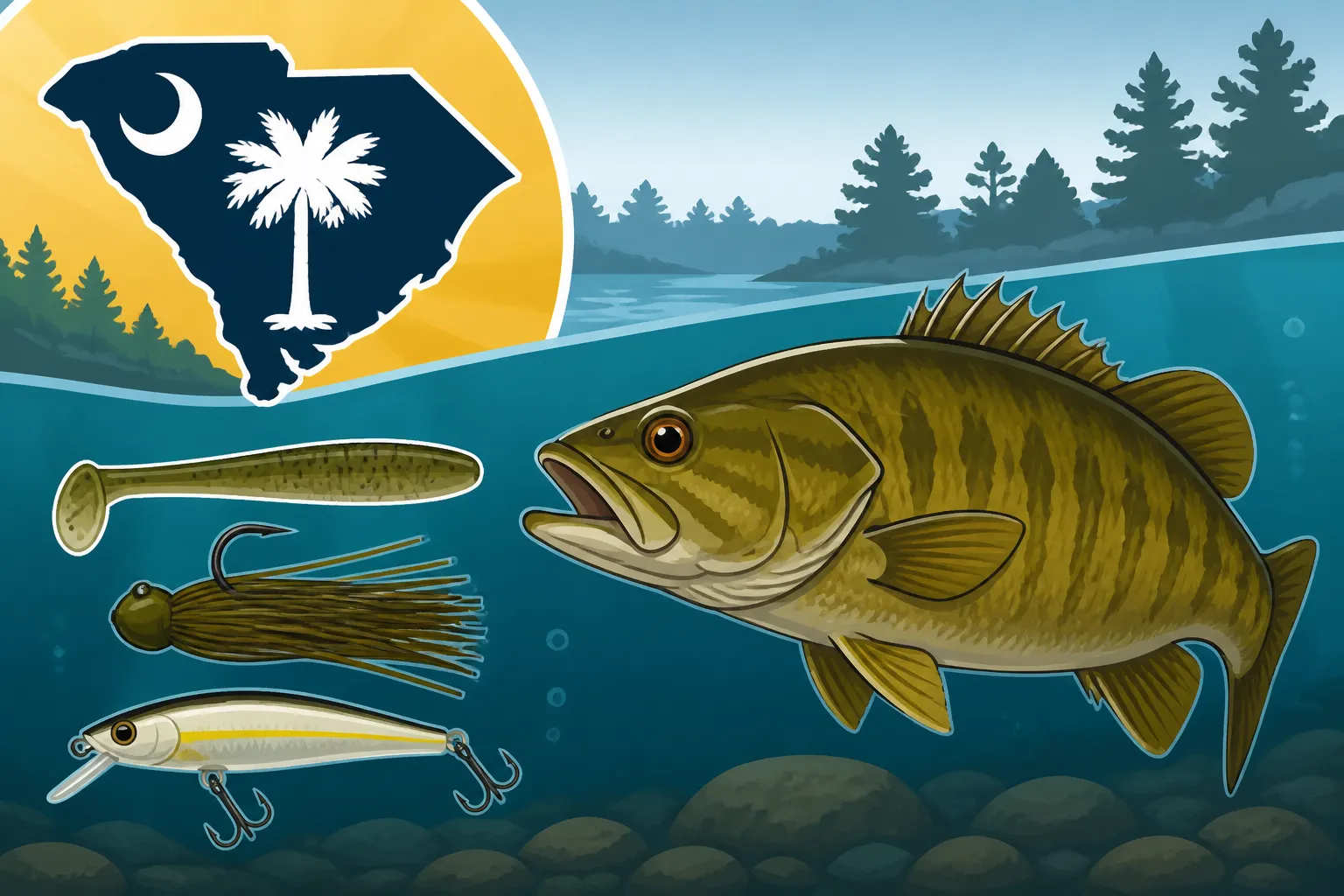
If there's one artificial lure that consistently produces smallmouth in cold water, it's the hair jig. Whether it's deer hair, squirrel hair, or marabou, the natural fibers pulsate and breathe in the water with the slightest movement, even when barely moving. This subtle action is deadly when smallmouth are lethargic and won't chase. These jigs come in various sizes, but typically in cold water, smaller is better, often in the 1/8 to 1/4 ounce range.
Colors like black, brown, olive, or combinations that mimic natural forage like crayfish or sculpins are excellent choices. The presentation is critical: a slow drag, a gentle hop, or just letting it sit on the bottom with occasional twitches. Imagine a struggling baitfish or an inert insect. The goal is to keep it in the strike zone for as long as possible. Many seasoned anglers will tell you that a marabou jig is particularly effective because of its incredible movement even at rest. Don't be afraid to experiment with retrieve speeds, sometimes just a painfully slow reel turn is enough to generate a strike. You can find a wide array of hair jigs on Amazon, perfectly suited for this type of finesse fishing.
Suspending Jerkbaits: The Enticer
Suspending jerkbaits are another powerhouse for cold water smallmouth. Unlike floating or sinking lures, a suspending jerkbait stays at a specific depth when you pause your retrieve. This "hang time" is exactly what a cold water bass needs to commit to a strike. They can eye the bait, decide it's an easy meal, and slowly move in for the kill without it darting away.
Look for jerkbaits in the 3 to 5-inch range, with natural baitfish patterns like silver, white, or shad colors. The technique involves a series of sharp jerks, followed by a long pause. The pause is the magic. Sometimes a 5-second pause is good, other times you might need to wait 10, 15, or even 20 seconds. This erratic action mimics a disoriented or dying baitfish, a perfect target for an energy-conserving smallmouth. When you retrieve, be mindful of your rod tip position; keeping it low to the water can help drive the bait deeper on the jerk. Popular suspending jerkbaits from brands like Rapala or Lucky Craft are widely available and can make a huge difference in your cold water success. Many anglers consider these a must-have for winter smallmouth fishing on lakes like Lake Murray or the Savannah River system.
Blade Baits: Vibration is Key
Blade baits might seem counterintuitive for cold water due to their aggressive vibration, but they can be incredibly effective when fished correctly. Their metallic bodies create a strong vibration and flash that can call in smallmouth from a distance, even if they're not actively feeding. The key isn't a fast retrieve, but rather a vertical jigging presentation.
Drop a blade bait down to the bottom where you suspect smallmouth are holding. Then, lift your rod tip sharply a foot or two, letting the bait flutter back down on a semi-slack line. The lift creates the vibration and flash, while the fall mimics a dying baitfish. Strikes often occur on the fall, so pay close attention to your line as the bait descends. Again, patience is paramount. Don't overwork the bait. A short lift and a controlled fall are usually all that's needed. Blade baits come in various weights, and you'll want to match the weight to the depth you're fishing and the current. Lighter baits for shallower water, heavier for deeper. Their compact size also makes them feel like a substantial meal without requiring much effort from the bass. Check out different blade bait options on Amazon, paying attention to the weight and color to match your fishing conditions.
Here's a quick comparison of these top cold water smallmouth baits:
| Bait Type | Advantages | Best Scenarios | Retrieval Style | Key Consideration |
|---|---|---|---|---|
| Golden Shiners | Natural scent, lifelike movement | Lethargic fish, clear water, deep pockets | Slow drift, suspended under a float, bottom bouncing | Keep bait lively |
| Crayfish | Natural food source, slow movement | Rocky bottoms, ledges, submerged wood | Slow drag, gentle hops, minimal movement | Match natural size/color |
| Hair/Marabou Jigs | Subtle action, highly realistic "breathing" | Deep structure, vertical presentations, finesse fishing | Slow drag, dead stick, tiny hops | Very slow retrieve is key |
| Suspending Jerkbaits | Provoking strike, long "hang time" | Mid-depths, open water points, schooling fish | Jerk-jerk-pause (long pauses), erratic action | Pause duration is critical |
| Blade Baits | Strong vibration, flash, calls fish from afar | Deep water, vertical jigging, windy conditions | Vertical jigging, sharp lifts, controlled fall | Strikes often on the fall |
Presentation and Technique Tips for Cold Water Success
Beyond choosing the right bait, how you present it makes all the difference when targeting smallmouth in frigid water. It's less about speed and more about finesse and persistence.
Slow Down and Be Patient
This cannot be stressed enough: slow down. In cold water, smallmouth bass are not going to aggressively chase down a fast-moving bait. Their metabolism is significantly reduced, making them much less inclined to expend precious energy. If you’re used to power fishing in warmer months, you need to completely rethink your approach. Instead of quick retrieves and rapid jerks, think deliberate, methodical movements. This means longer pauses with suspending jerkbaits, painfully slow drags with jigs, and allowing live bait to simply sit and do its thing for extended periods.
When fishing jigs, for instance, a common mistake is to hop it too high or retrieve it too quickly. Instead, try just barely lifting it off the bottom, or even dead-sticking it – letting it sit motionless for 10-15 seconds before the slightest twitch. With live bait, allow it to swim naturally and cover an area slowly. It's often said that if you think you're fishing slow enough, you're probably still fishing too fast. Be patient; a bite might come as a subtle "tick" on the line or just added weight, not an aggressive strike. Sometimes, simply letting your bait sit in one spot for several minutes near a promising piece of structure is all it takes to entice a reluctant smallmouth. Remember, these fish are not actively hunting; they are waiting for an easy meal to come to them. For specific techniques, you might find useful information in Winter Fishing Techniques in South Carolina Lakes.
Rod and Reel Selection for Cold Water
Your gear can significantly impact your success in cold water fishing. Since bites are often subtle and presentations are delicate, a sensitive rod and a smooth reel are paramount. A medium-light to medium power spinning rod, typically 6'6" to 7'6" in length, with a fast or extra-fast action tip, is ideal. This type of rod allows you to feel the most delicate takes and gives you the backbone to set the hook effectively even with light lines. Graphite rods tend to be more sensitive than fiberglass, which is a huge advantage when you're relying on feel.
Pair your sensitive rod with a high-quality spinning reel that has a smooth drag system. Reel size around 2000-3000 is generally appropriate. For line, many cold water anglers prefer fluorocarbon line (6-10 lb test) for its low visibility and minimal stretch, which translates to increased sensitivity. Braid with a fluorocarbon leader is another excellent option; the braid provides ultimate sensitivity and casting distance, while the fluorocarbon leader keeps your bait invisible to wary bass. Investing in good quality cold weather fishing gloves can also help you maintain feel in your fingertips, which is surprisingly important for detecting those faint winter bites. You'll find many suitable options for sensitive rods and high-quality reels on Amazon, making it easier to gear up for your next cold water smallmouth adventure. Don't forget to check out Bait Choices for Cold Weather Fishing for more specific recommendations on what to use.
Disclaimer
This article is for general informational purposes only and does not constitute professional advice. Laws, prices and regulations vary by location and change over time. Consult a qualified professional for guidance on your specific situation.