How to Plan a Fishing Trip Around Sunrise
The pre-dawn alarm clock can feel like a cruel joke, especially when you're dreaming of a peaceful morning, but as any seasoned angler knows, those quiet hours just before the sun peeks over the horizon often hold the promise of the most incredible fishing. It's a struggle we all face: dragging ourselves out of bed when it's still dark, fighting the urge to hit snooze, but this guide is all about helping you master the art of planning and executing a successful fishing trip around sunrise in South Carolina, making every early start worth it.
Why Sunrise Fishing is Worth the Early Alarm
There's a reason why so many dedicated anglers brave the cold, dark mornings to be on the water just as the first light breaks: the fish are often more active, the water is calmer, and the entire experience takes on a magical quality. It’s not just an old angler's tale; there are real biological and environmental factors at play that make dawn an incredibly productive time to cast a line.
The Biological Advantage: When Fish Feed
Think about it from a fish's perspective. After a night of relative inactivity, many species are hungry and on the prowl for an easy meal as daylight approaches. The low light conditions of dawn act as a natural advantage for many predatory fish, making it easier for them to ambush unsuspecting prey. This is especially true for species like bass, crappie, and even many inshore saltwater fish. As the sun rises, the light intensifies, and while some fish continue to feed aggressively, others may retreat to deeper, cooler waters or denser cover.
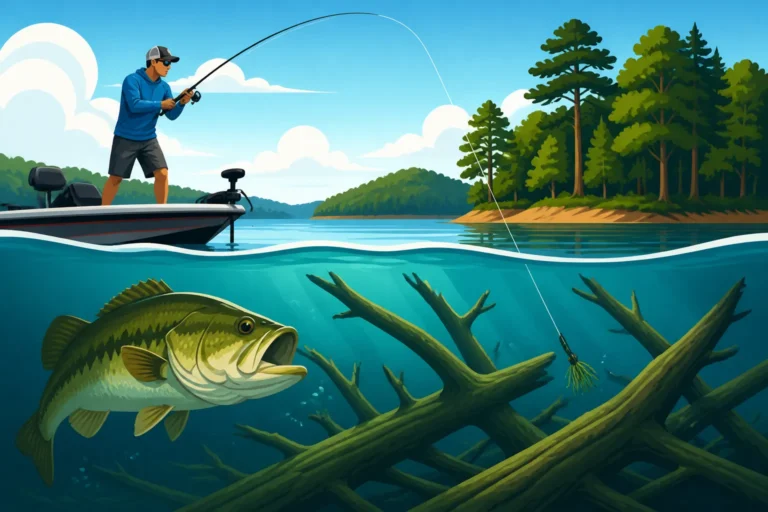
For example, largemouth bass, especially in South Carolina's numerous lakes like Murray or Santee Cooper, often move into shallower water during these low-light periods to hunt. They might be ambushing baitfish near weed lines, submerged timber, or rocky points. This surge in activity means your chances of getting a bite are significantly higher during that crucial hour or two around sunrise. It’s less about luck and more about understanding the natural rhythms of the fish.
Serenity and Solitude: The Quiet Beauty of Dawn
Beyond the increased catch rates, there's an undeniable allure to being on the water before anyone else. The world feels hushed, the air is crisp, and the only sounds are often the gentle lapping of water against your boat or the distant call of an osprey. This solitude is a huge draw for many of us who fish. You avoid the weekend crowds, the noisy jet skis, and the general hustle and bustle that often accompanies peak daylight hours.
Imagine drifting quietly on Lake Hartwell as the sky transforms from deep indigo to fiery orange and pink, without another boat in sight. This peaceful experience allows you to connect with nature on a deeper level, far from the distractions of daily life. It's a chance to truly relax and immerse yourself in the moment, making the early wake-up call feel less like a chore and more like a privilege. Plus, the cooler temperatures before the sun gets high in the sky can make for a much more comfortable fishing experience, especially during South Carolina's long, hot summers.
Pre-Trip Planning: The Night Before Your Sunrise Adventure
The key to a successful sunrise fishing trip isn't just showing up; it's about meticulous preparation the night before. Rushing around in the dark, fumbling for gear, or realizing you've forgotten something essential is a surefire way to start your trip with frustration and miss those prime early bites. A little planning goes a long way toward a smooth and enjoyable start.
Essential Gear Check and Organization
Before you even think about setting your alarm, you need to make sure all your gear is ready to go. This means checking your rods for any damage, ensuring your reels are spooled with fresh line, and having all your tackle organized. Nothing is worse than trying to tie on a new lure in the pre-dawn gloom only to realize you left your pliers at home.
Gather all your tackle boxes, bait buckets, and any specialized equipment you'll need. If you're targeting specific species, make sure you have the right lures or bait readily accessible. For example, if you're chasing redfish in the coastal marshes, you'll want to have a selection of soft plastics and popping corks organized and within easy reach. A good headlamp, perhaps one you picked up from Amazon, is absolutely crucial. It keeps your hands free for rigging, baiting, and navigating in the dark. Don't forget spare batteries!
Sunrise Fishing Gear Checklist
| Category | Essential Items | Notes |
|---|---|---|
| Safety & Light | Headlamp (with spare batteries) | Crucial for rigging and navigating in the dark. |
| Personal Flotation Device (PFD) | Always have one for each person, especially in low light. | |
| First-aid kit | Small cuts, hook pricks are common. | |
| Rods & Reels | Prepared rods, spooled with fresh line | Check for any damage, ensure smooth operation. |
| Backup rod (optional but recommended) | Accidents happen! | |
| Tackle | Organized tackle box with target lures/baits | Pre-tie some common rigs if possible. |
| Pliers, line cutters | Essential tools, keep them accessible. | |
| Leader material, extra hooks, weights | Don't run out mid-trip. | |
| Bait | Live bait (if using) – secured and aerated | Prepare the night before. |
| Artificial baits – organized in trays | Ready for quick changes. | |
| Comfort | Weather-appropriate clothing (layers) | Mornings can be chilly, even in summer. |
| Rain gear | Be prepared for unexpected showers. | |
| Cooler with ice, drinks, snacks | Don't forget your coffee! | |
| Sunscreen, hat, polarized sunglasses (for later) | Protect yourself as the sun rises. | |
| Documentation | Valid South Carolina Fishing License | Ensure it's current. Keep a digital or physical copy handy. |
| Boat registration/safety equipment (if applicable) | Check lights, horn, fire extinguisher. |
Checking Weather, Tides, and Water Conditions
Weather can change quickly in South Carolina, and an early start doesn't mean you're immune to forecasts. Always check the weather forecast for your specific fishing spot the night before. Pay attention to wind speed and direction, potential for rain, and temperature fluctuations. A chilly morning can quickly warm up, so dressing in layers is often the best strategy.
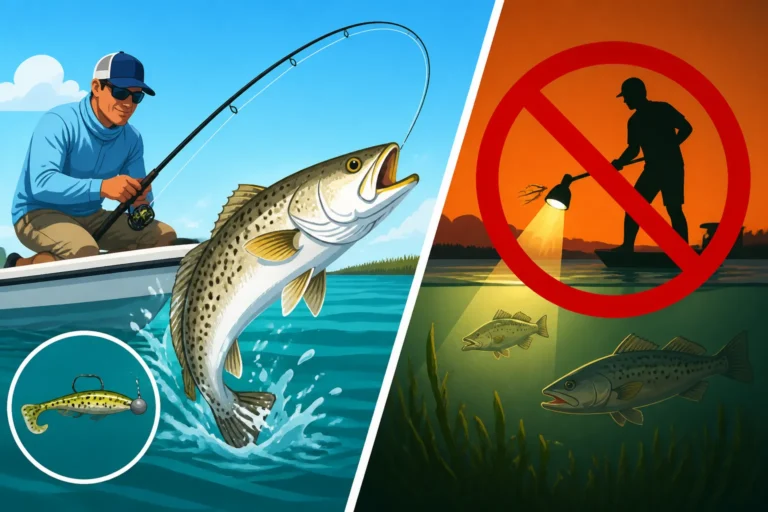
If you're fishing saltwater, understanding the tides is paramount. Many inshore species, like spotted seatrout, feed heavily on specific tides, often preferring an incoming or outgoing current to ambush baitfish. Knowing when the tide will turn at your chosen location, whether it's Murrells Inlet or Charleston Harbor, can dictate exactly where you position your boat or cast from the bank. For freshwater anglers, paying attention to recent rainfall and how it might affect water clarity and levels can be just as important. Knowing if the water temperature affects morning bite timing can also give you a significant edge.
Packing Your Vehicle and Preparing the Boat
The goal is to wake up, grab your pre-packed cooler, and go. Load your vehicle with all your fishing gear, tackle, and any non-perishable food or drinks the night before. If you're trailering a boat, hook it up, check the trailer lights, and make sure everything is secured. This saves you precious time and effort in the dark morning hours, eliminating any last-minute fumbling.
Make sure your cooler is packed with ice, drinks, and snacks – and definitely that thermos of hot coffee or tea. Even in summer, those pre-dawn hours can be cool, and a warm drink makes a huge difference. Double-check that your fishing license is current; you don't want to get caught without one. You can typically find information on how to get a fishing license in South Carolina online through the Go Outdoors South Carolina portal. Getting all these logistics handled ensures you can focus purely on fishing when you arrive at your spot.
On the Water: Maximizing Your Sunrise Bite
You've made it to the water before dawn, the stars are still twinkling, and the air is fresh. Now it's time to put your planning into action and make the most of those magical first hours. This is where patience, observation, and the right techniques come into play.
The Quiet Approach: Stealth is Key
Fish are often most active and least wary in the low light of dawn, but they're also highly sensitive to disturbances. A noisy approach can spook them before you even make your first cast. Whether you're in a boat or fishing from the bank, practice stealth. If you're in a boat, use your trolling motor or paddle quietly to your chosen spot. Avoid slamming hatches, dropping tackle boxes, or loud conversations.
When fishing from shore, approach the water's edge slowly and deliberately. Wear dark or camouflage clothing that blends with the surroundings. The goal is to become part of the environment, not an intrusive element. This quiet approach not only increases your chances of surprising feeding fish but also enhances the peaceful experience of dawn fishing. Remember, those first few casts into undisturbed water can often yield the biggest and most aggressive bites.
Lure and Bait Selection for Low Light
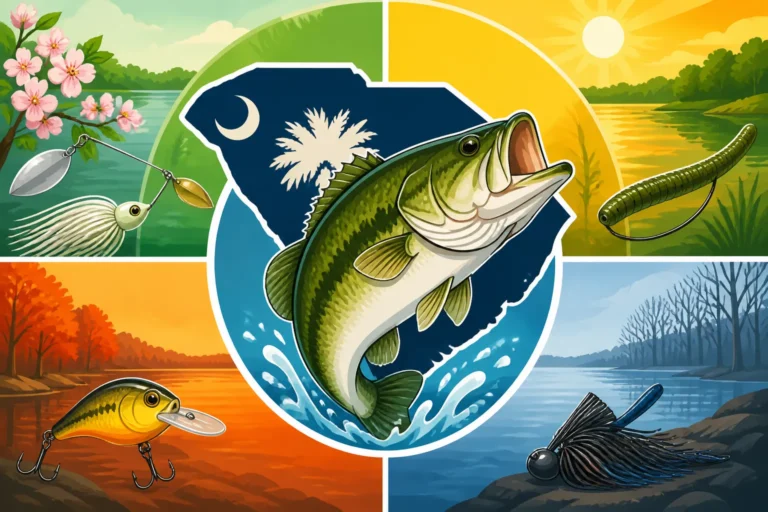
The low light conditions at dawn often dictate specific lure and bait choices. Many predatory fish rely on vibration, silhouette, and subtle color shifts to detect prey in dim light. Consider baits that create a strong profile or vibration. Topwater lures can be incredibly effective right at sunrise, especially for bass, as they mimic distressed baitfish on the surface. Darker colored lures, like black or blue, can create a more defined silhouette against the gray dawn sky, making them easier for fish to see from below.
For freshwater fishing, a slow-rolled spinnerbait or a chatterbait can be excellent choices for bass in low light, as they create a lot of vibration and flash. If you're using live bait, make sure it's active and presented naturally. For saltwater anglers, soft plastic paddle tails on a jig head or a popping cork with live shrimp or a Gulp! bait can be deadly for redfish and trout. As the sun rises and the light increases, you might transition to more natural colors or baits that offer more visual appeal. Your choices will vary depending on the specific South Carolina fish species you're targeting, but the general rule is to start with lures that stand out in the dim light.
Strategic Casting and Retrieval Techniques
Once you're on your spot, consider your casting strategy. Start by fan-casting to cover a wide area, paying close attention to any structure that might hold fish, like submerged timber, docks, or oyster beds. In freshwater, focus on points, creek channels, and the edges of weed beds. For coastal fishing, target marsh grass lines, oyster reefs, and tidal creeks.
The speed of your retrieve is also crucial. In colder water or immediately after a cold front, fish may be lethargic, requiring a slower presentation. As the water warms with the rising sun, you might be able to speed up your retrieve. Experiment with different depths and speeds until you find what triggers a bite. Pay attention to where you get bites – that will tell you where the fish are holding and what they're willing to strike. Remember, the fish are often actively feeding, so once you find a pattern, try to replicate it. Dawn fishing techniques for freshwater lakes often involve working lures slowly and methodically until the sun fully breaches the horizon.
Dealing with Early Morning Challenges and Making the Most of It
Let's be real, those early morning starts aren't always sunshine and rainbows. Sometimes it's foggy, sometimes it's surprisingly cold, and sometimes you just don't get that immediate bite. But don't let these challenges deter you; with a little preparation and a flexible mindset, you can overcome them and still have a fantastic time.
Navigating in the Dark and Fog
One of the biggest hurdles of pre-dawn fishing, especially on larger lakes or coastal waters, is navigating in low visibility. Fog can roll in quickly, turning a familiar area into a disorienting maze. This is where safety and preparation really pay off. Always have your boat's navigation lights in working order, and make sure you know how to use them. A reliable GPS unit or a chart plotter can be a lifesaver, allowing you to safely navigate channels and avoid hazards in the dark or fog.
If fog becomes too dense, the safest option is often to slow down, anchor, and wait it out, if possible. Better to lose a few minutes of fishing time than to risk an accident. Always tell someone your float plan – where you're going and when you expect to return. This simple safety measure is crucial any time you're on the water, but especially in challenging conditions. Investing in a good marine radio or having a fully charged cell phone on hand are also smart moves.
Dressing for Success: Layers are Your Friend
South Carolina mornings, even in the dead of summer, can be surprisingly cool right before dawn. But once that sun rises, temperatures can climb rapidly. The key to staying comfortable and focused on fishing is dressing in layers. Start with a moisture-wicking base layer, add a fleece or sweatshirt, and top it off with a light, wind-resistant jacket. You can always shed layers as the day warms up.
Don't forget a warm hat and gloves for those really chilly mornings. Even if you don't think you'll need them, having them readily available in a dry bag can save you from being miserable. Good quality rain gear is also a must-have, as pop-up showers are common. Being comfortable means you can concentrate on your fishing, not on shivering or sweating. Many anglers find durable, water-resistant clothing on Amazon that stands up to the demands of outdoor adventures.
Adjusting When the Fish Aren't Biting Immediately
Sometimes, despite all your planning and perfect timing, the fish just aren't cooperating right at sunrise. It happens to the best of us! Instead of getting frustrated, use it as an opportunity to adjust your strategy. Are you using the right bait? Is your presentation too fast or too slow? Are you in the right spot?
If your go-to lure isn't producing, don't be afraid to switch it up. Try a different color, a different size, or even a completely different type of bait. If you're not getting bites in shallow water, try moving to slightly deeper areas or targeting different types of structure. This is also a good time to consult your knowledge of the South Carolina Freshwater Fishing Calendar or the South Carolina Saltwater Fishing Seasons to understand if there are particular patterns for the time of year you're fishing. Remember, fishing is often about problem-solving. Stay patient, observe your surroundings, and be willing to adapt. The bite might turn on a little later, or you might discover a new technique that works wonders. Every trip, even a slow one, offers a chance to learn more about the water and the fish.
Disclaimer
This article is for general informational purposes only and does not constitute professional advice. Laws, prices and regulations vary by location and change over time. Consult a qualified professional for guidance on your specific situation.