Best Bass Lures for Fall Fishing
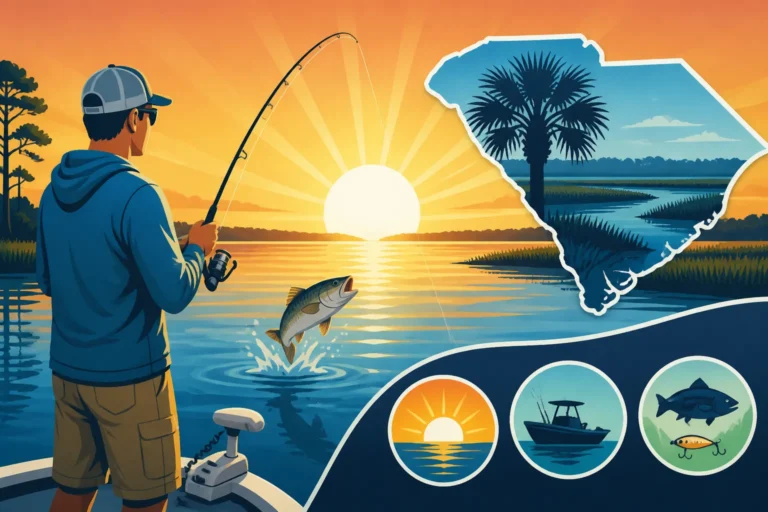
Fall fishing for bass in South Carolina can feel like a game of hide-and-seek, with the cooler weather hinting at a feeding frenzy but the fish often proving elusive. Anglers often struggle to pinpoint the right presentation as water temperatures fluctuate and baitfish migrate. This guide is here to untangle the complexities of autumn bass behavior and equip you with the best lure choices and techniques to make your fall fishing trips a roaring success, no matter if you're hitting Lake Murray or a smaller pond.
The Shifting Landscape of Fall Bass Fishing
As the scorching South Carolina summer heat finally begins to mellow, a profound change ripples through our lakes and rivers. This isn't just about cooler air; it's a complete ecosystem shift that dramatically influences where bass are, what they're doing, and most importantly, what they'll bite. Understanding these environmental cues is your first step to choosing the perfect fall bass lures. You can dive deeper into the overarching yearly patterns in our comprehensive guide on the South Carolina Bass Fishing Seasons Guide.
Understanding the Fall Turnover
One of the most significant, yet often unseen, changes in larger, deeper South Carolina lakes during autumn is the "fall turnover." Throughout summer, lakes stratify into distinct temperature layers: a warm, oxygen-rich top layer (epilimnion), a rapidly cooling middle layer (thermocline), and a cold, oxygen-depleted bottom layer (hypolimnion). As fall progresses and air temperatures drop, the surface water cools, becoming denser and eventually sinking. This mixes with the deeper layers, overturning the entire water column. This process can scatter bass, making them harder to locate. Suddenly, fish that were confined to a narrow band above the thermocline now have access to the entire water column, but they might also be disoriented by the shifting oxygen and temperature levels. It's a short, often chaotic period, but once it stabilizes, the fishing can really heat up.
The "Feeding Frenzy" Before Winter
After the turnover settles, usually when water temperatures consistently drop into the 60s Fahrenheit, a new, exciting phase begins: the pre-winter feeding frenzy. Bass know that winter is coming, and food will become scarcer and their metabolism will slow. They instinctively begin to bulk up, aggressively pursuing baitfish to pack on calories. This is when baitfish, like shad and herring, start schooling tightly, migrating from deep main lake basins into shallower coves and creeks, often pushed by predatory bass and stripers. This mass migration of baitfish is what every bass angler dreams of – it concentrates the food source and, consequently, the hungry bass. Your goal during this time is to "match the hatch" and present lures that mimic these abundant baitfish, capitalizing on the bass's intense desire to feed. For a broader overview of seasonal trends, take a look at the South Carolina Freshwater Fishing Calendar.
Essential Lure Categories for Autumn Anglers
With the fall transition in full swing, you need a diverse arsenal of lures to meet the bass wherever they choose to feed. Fall bass can be found from the shallowest pockets to the deepest main lake humps, meaning no single lure will always be the answer. Instead, think about categories of lures that excel in different situations.
Reaction Baits: Covering Water
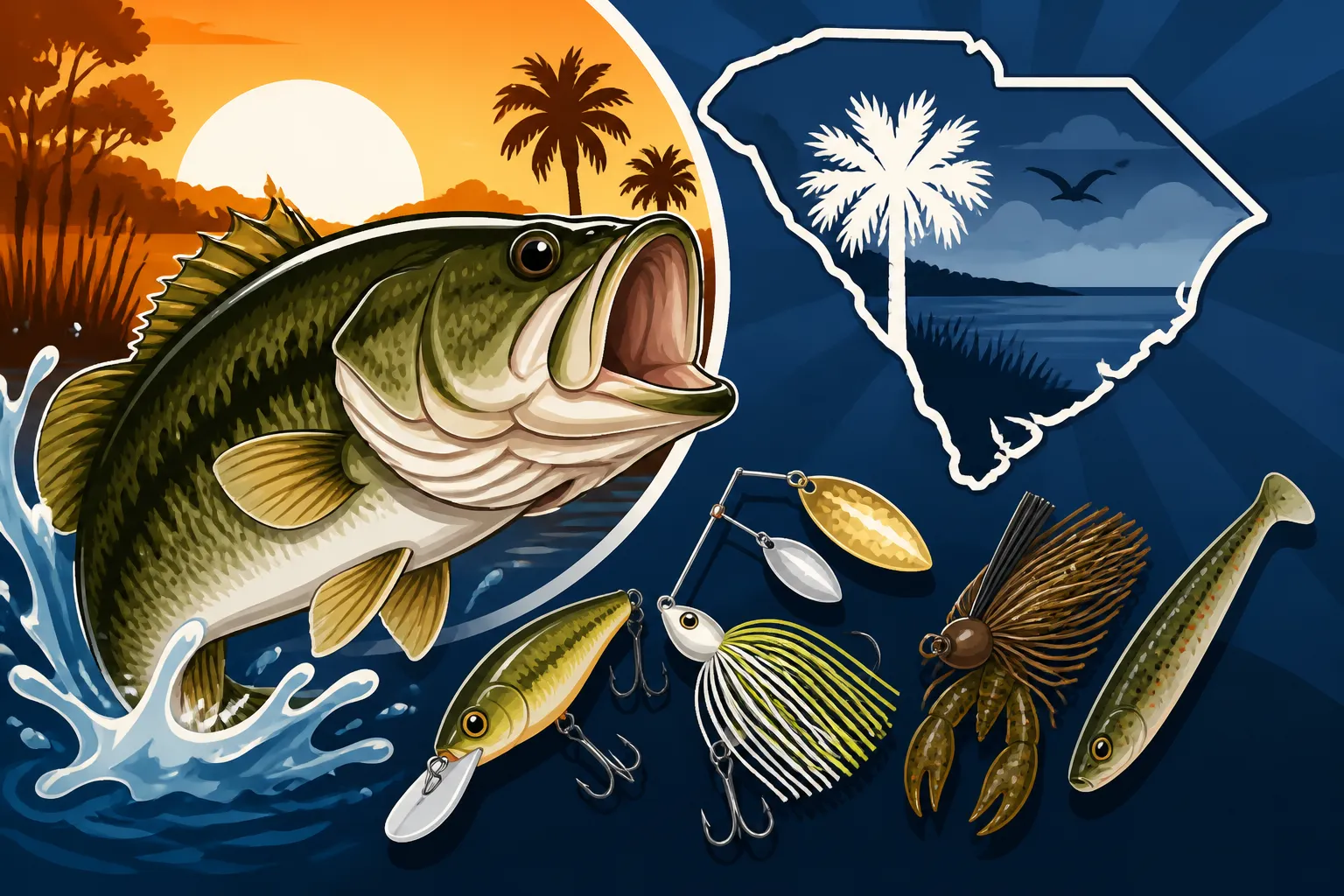
When bass are actively chasing baitfish, especially during the post-turnover feeding frenzy, reaction baits are your absolute best friend. These lures are designed to provoke an instinctive strike, often without the fish having much time to think about it. Spinnerbaits, chatterbaits, and crankbaits fall into this category, allowing you to cover vast amounts of water quickly to locate those active schools of bass. The key here is efficiency – getting your lure in front of as many fish as possible until you find the ones willing to bite. You might find a great selection of these on Amazon, often with various color and weight options to suit specific conditions.
Think about expansive flats, main lake points, and the mouths of creeks where baitfish are likely to be schooling up. A fast retrieve with a spinnerbait can draw strikes from fish that might not be visible on your electronics. Similarly, a crankbait, whether a shallow squarebill or a deeper diving model, can effectively mimic a fleeing baitfish and cover different depths, allowing you to find that "strike zone."
Finesse Baits: When the Bite Gets Tough
While the fall feeding frenzy is real, it's not constant. Cold fronts can sweep through, especially in late fall, shutting down the aggressive bite. When the water clears up and the fish become lethargic, or when the pressure is high, it's time to slow down and reach for your finesse baits. This includes jigs, shaky heads, drop shots, and small soft plastics. These lures are designed for slower, more subtle presentations, enticing less aggressive bass with a natural-looking meal.
Imagine a situation after a sharp cold front, where the bass have pulled off the main points and are hunkered down in brush piles or against submerged timber. A slow-crawled football jig or a shaky head worm meticulously worked through the cover can be exactly what it takes to tempt a finicky bass. These baits demand patience but can be incredibly rewarding when conditions dictate a more delicate approach. Our guide on How to Catch Bass After a Cold Front offers excellent strategies for these challenging days. You can also stock up on various finesse plastics and jig heads on Amazon to be prepared for any scenario.
Topwater Temptations: Early Fall Mornings
Even as autumn progresses, don't write off topwater lures, especially in the early morning hours or on overcast days in early to mid-fall. When water temperatures are still in the mid-60s or higher, and baitfish are actively dimpling the surface, a topwater bite can be explosive and incredibly fun. Buzzbaits, poppers, and walking baits (like a Heddon Super Spook) can draw incredible strikes from bass looking upwards for an easy meal. This bite window might be shorter than in summer, but it's often worth the effort.
Picture a calm, misty morning on Lake Hartwell as the sun just peeks over the horizon. Bass might be pushing baitfish to the surface in shallow coves or around shoreline cover. A well-placed popper or a buzzing buzzbait can trigger heart-stopping surface explosions. As the sun gets higher and the bite slows, you can then transition to other lure categories, but never underestimate the power of a topwater strike in fall.
Mastering Specific Lures for South Carolina Fall Bass
Knowing the categories is one thing; mastering the individual lures within them is another. Here, we'll break down some of the absolute best bass lures for fall fishing in South Carolina and how to get the most out of them. These are the workhorses that consistently produce big bass as the leaves change color. For a deeper understanding of adapting your methods to the changing year, refer to our guide on South Carolina Bass Fishing Techniques by Season.
Crankbaits for Varying Depths and Structures
Crankbaits are arguably the most versatile reaction bait for fall bass. They come in an incredible array of shapes, sizes, and diving depths, making them suitable for nearly any situation.
- Squarebill Crankbaits: These are shallow-running powerhouses, perfect for working around shallow cover like fallen trees, docks, and rocky banks. Brands like Strike King's KVD Squarebill or Rapala's DT Flat can be deadly. Their square lip helps them deflect off cover without snagging, triggering those reaction strikes. In early fall, on lakes like Lake Wateree, where bass might still be relatively shallow, burning a squarebill over submerged grass can be incredibly effective. Look for colors that mimic crawfish or shad, depending on the forage in your specific fishing spot.
- Medium and Deep Diving Crankbaits: As bass move off the banks and relate to deeper structures like ledges, humps, and points, especially on impoundments like Lake Murray or the Santee Cooper Lakes, medium and deep diving crankbaits become indispensable. Models like the Rapala DT series or Norman Deep Little N can reach depths of 10-20+ feet. The trick here is to "bottom out" the crankbait, making it deflect off the structure. This erratic action often triggers strikes from bass that are otherwise hesitant. Experiment with retrieve speeds; sometimes a steady grind works, other times a stop-and-go retrieve with pauses is more effective. The fall bite on Lake Hartwell Spring and Fall Bass Fishing Patterns in South Carolina often involves these deeper presentations.
Jig Fishing: Versatility for Any Situation
Jigs are the Swiss Army knife of bass fishing. They can be fished slow or fast, shallow or deep, and mimic everything from crawfish to baitfish.
- Football Jigs: Named for their head shape, football jigs are excellent for dragging across rocky bottoms, shell beds, or gravel points. They excel in deeper water, where their design helps them maintain contact with the bottom and prevent snagging between rocks. This makes them a prime choice for areas around rock piles on Lake Keowee. A slow, methodical retrieve, punctuated by short hops, is often best. Add a bulky soft plastic trailer that provides extra action and bulk, mimicking a crawfish scurrying along the bottom.
- Casting Jigs (Flipping and Pitching Jigs): These jigs are designed to be worked in and around heavy cover like dense brush piles, laydowns, and dock pilings. Their streamlined heads and weed guards allow them to penetrate thick cover where bass like to ambush prey. Black and blue, green pumpkin, and brown are classic colors. The technique involves precisely casting or pitching the jig into tight spots and slowly working it out, feeling for the subtle "thump" of a bass bite. This can be deadly in the back of creeks on the Congaree River.
- Swim Jigs: A swim jig is essentially a casting jig designed to be retrieved horizontally, mimicking a baitfish swimming through cover. Pair it with a paddle-tail swimbait trailer for maximum action. These are fantastic for covering shallow grass lines, docks, or even open water when bass are cruising. The versatility of jigs means you can tailor your presentation precisely to what the bass are feeding on.
Spinnerbaits and Chatterbaits: Flash and Vibration
These lures are all about getting attention. They combine flash, vibration, and an erratic action that can call bass from a distance, especially in stained or choppy water.
- Spinnerbaits: With their flashing blades (Colorado, Willow Leaf, or Indiana designs) and pulsating skirts, spinnerbaits are incredibly effective for covering water and fishing through sparse cover. They are excellent for working around submerged timber or grass beds. Tandem blade configurations often provide the most flash and vibration. Consider a chartreuse and white skirt for dingier water, or natural baitfish colors for clear water. Vary your retrieve speed – sometimes a fast retrieve just under the surface, known as "waking," can draw explosive strikes, while a slow-rolled retrieve in deeper water can tempt inactive fish.
- Chatterbaits (Bladed Jigs): These hybrids combine the vibration of a bladed lure with the profile of a jig and soft plastic trailer. The bladed front creates an intense vibration and erratic side-to-side action that bass absolutely cannot resist. Z-Man's ChatterBait JackHammer is a legendary example. They excel around grass, wood, and riprap, and are particularly effective after the turnover when bass are actively searching for food. Pair them with a matching soft plastic swimbait or craw trailer to enhance their action and profile. They’re a fantastic choice when bass are actively chasing shad in the shallower parts of reservoirs.
Adapting Your Lure Strategy to Fall Conditions
Fall in South Carolina isn't a monolithic season; it's a dynamic period with fluctuating weather patterns that demand flexibility in your lure choices and techniques. From crisp, clear mornings to sudden cold snaps, successful fall bass fishing hinges on your ability to adapt. To truly master the autumn bite, understanding the nuances of weather, water, and bass behavior is paramount, a topic further explored in our guide on what Time of Day Do Bass Bite Best?.
Post-Cold Front Adjustments
Ah, the dreaded fall cold front. One day you're experiencing an epic topwater bite, and the next, a cold front rolls through, dropping temperatures and bringing high pressure. This often means clear skies, but it also usually translates to a tough bite. Bass become lethargic and less willing to chase. This is when you need to slow way down and downsize your presentations.
- Slower Retrieves: Forget burning those crankbaits. Instead, crawl a football jig along the bottom, or slowly drag a shaky head worm. Let the bait sit for longer periods, giving the bass ample time to inspect it.
- Smaller Baits: Often, a smaller profile bait is more appealing to inactive bass. Think about switching from a 5-inch Senko to a 3-inch wacky rig, or from a large spinnerbait to a compact bladed jig.
- Deeper Presentations: Bass often pull off shallow cover and move to deeper humps, ledges, or channels after a cold front. Focus on these areas with vertical presentations like a drop shot or a slowly retrieved jig. This adjustment is critical, and you can learn even more about it in our article on How to Catch Bass After a Cold Front. Remember, bass are still eating, but they're not expending much energy to do it.
Color and Size Considerations
"Matching the hatch" is a timeless principle in fishing, and it's especially true in fall. With baitfish schooling up, mimicking the prevalent forage is crucial.
- Natural Colors: Shad, herring, and crawfish are the primary forage for bass in South Carolina. Therefore, colors like silver, white, chrome, grey, and natural greens and browns are often most effective. If you see shad jumping or schooling, a white or chrome lipless crankbait or spinnerbait can be deadly. If you're fishing rocky areas with known crawfish populations, a brown or green pumpkin jig or crankbait might be the ticket.
- Bold Colors for Stained Water: If you're fishing stained or muddy water (perhaps after a heavy rain, which affects How Water Temperature Affects Fish Feeding), don't be afraid to experiment with brighter, more aggressive colors. Chartreuse, fire tiger, or even bright orange can provide the contrast needed for bass to locate your lure. The added visibility helps bass zero in, even when their sight is impaired.
- Size Matters: Generally, if bass are aggressively feeding on large schools of bait, a larger lure that stands out can be advantageous. However, post-front or when the bite is tough, downsizing to a smaller profile often elicits more strikes. Observe the size of the baitfish you see in the water and try to replicate that with your lure.
Location, Location, Location
Understanding where bass are likely to be in the fall is just as important as your lure choice.
- Following the Baitfish: This is the golden rule of fall bass fishing. Bass will follow the baitfish. As shad move into shallower coves and creeks to feed on plankton, the bass will be right behind them, ambushing them along the way. Look for bird activity (gulls, terns) diving into the water, which often indicates schooling baitfish being pushed to the surface by predators.
- Main Lake Points and Humps: These structures act as highways for baitfish moving into and out of creeks, and bass will stack up on them to ambush prey. Long, tapering points are particularly productive, as bass can move up and down the point with ease to adjust to changing light or baitfish depths.
- Creek Mouths and Coves: As the fall progresses, these areas become increasingly important as baitfish migrate further into them. Focus on transition areas within the creeks, such as channel swings, brush piles, or rocky banks. For specific examples, explore areas like the Best Largemouth Bass Spots on Lake Murray, South Carolina. Even in rocky lakes, bass will use creek mouths. You might also find good action near the Fall Bass Fishing Around Rocky Points on South Carolina's Lake Hartwell.
Here's a quick guide to some top fall bass lures and their ideal uses:
| Lure Type | Ideal Conditions | Retrieve Speed | Target Zones |
|---|---|---|---|
| Squarebill Crankbait | Early-mid fall, shallow cover, active bass | Fast to Medium | Docks, laydowns, shallow rocky banks |
| Deep Diving Crankbait | Mid-late fall, deeper structure, post-turnover | Medium to Slow | Ledges, humps, deep points |
| Football Jig | Mid-late fall, cold fronts, clear water | Slow, crawling, hopping | Rocky bottoms, shell beds, deep points |
| Swim Jig | Early-mid fall, active bass, sparse cover | Medium, steady | Grass lines, docks, open water |
| Spinnerbait | Early-mid fall, stained water, windy conditions | Medium to Fast | Flats, grass beds, shallow cover, creek mouths |
| Chatterbait | Mid-fall, active bass, grass/wood transitions | Medium, erratic | Grass edges, brush piles, docks |
| Shaky Head Worm | Mid-late fall, tough bite, clear water | Very Slow, subtle shaking | Drop-offs, sparse cover, open bottom |
| Topwater (Popper/Walker) | Early fall, calm mornings, low light | Erratic, stop-and-go | Shallow coves, shoreline cover, main lake points |
As you can see, the diversity of fall situations demands a diverse approach. Don't be afraid to experiment, paying close attention to what the bass are telling you. Learning about different fish species, such as the Largemouth Bass Fishing in South Carolina: The Complete Guide or the Best Lures for Spotted Bass in Rocky Lakes, will further enhance your autumn fishing success.
Disclaimer
The information provided in this guide is for general informational purposes only and is subject to change. Always consult the latest regulations and conditions published by the South Carolina Department of Natural Resources (SCDNR) before engaging in any fishing activities. Fishing conditions, fish behavior, and regulations can vary significantly, and personal safety should always be your top priority.