Where to Fish From the Shore in Myrtle Beach?
It can feel a bit daunting, can't it? You've landed in Myrtle Beach, excited to cast a line, but maybe you don't have a boat, or perhaps you're just looking for that simple joy of fishing right from the sand or a pier. The good news is, you absolutely don't need a fancy boat to enjoy some fantastic fishing here. This comprehensive guide is here to unravel the best shore fishing spots in Myrtle Beach, helping you discover accessible and productive places to drop a line and reel in some unforgettable memories, all while keeping your feet on solid ground.
Embracing the Joys of Shore Fishing in Myrtle Beach
Myrtle Beach, with its sprawling coastline, offers a fantastic array of opportunities for anglers who prefer to keep their feet on solid ground. Shore fishing is not just about convenience; it's an experience in itself. There's a certain magic to feeling the sand between your toes as you cast out into the surf, or the communal camaraderie of a bustling pier. It's often more accessible, budget-friendly, and a wonderful way to enjoy the coastal environment without the complexities of boat ownership or charters. You'll find a surprising variety of species within casting distance, from common panfish to impressive game fish, making every trip a potential adventure.
One of the greatest appeals of shore fishing here is the sheer diversity of environments. You're not limited to just the wide-open beach. Myrtle Beach and its surrounding areas boast magnificent fishing piers stretching into the Atlantic, offering access to deeper waters and different fish species. Then there are the robust jetties, forming artificial reefs that attract a whole host of marine life. And, of course, the miles of sandy beaches themselves, perfect for classic surf fishing. Each of these unique settings presents its own challenges and rewards, ensuring that no two fishing trips feel exactly the same. It's a fantastic way to immerse yourself in the local angling scene, connect with nature, and simply relax by the water.
Popular Piers and Their Unique Charms
When it comes to shore fishing in Myrtle Beach, the piers are often the first place many anglers think of, and for good reason! These lengthy structures extend far out into the ocean, providing access to waters that might otherwise only be reachable by boat. They offer convenience, often having bait and tackle shops, restrooms, and even restaurants right on site. Plus, most licensed piers operate under a blanket fishing license, meaning you typically don't need your own South Carolina Fishing License Guide if you're fishing exclusively from their structure. It's always wise to double-check with the pier management, but this is a significant advantage for many visitors.
The variety of fish you can target from a pier is impressive, ranging from smaller panfish like spot and croaker to larger game fish like king mackerel, Spanish mackerel, flounder, red drum, and even sharks, especially during the warmer months. These structures create their own ecosystems, attracting baitfish and, consequently, the predators that feed on them. Many piers are open year-round, though the best fishing often corresponds with warmer water temperatures and seasonal migrations.
Myrtle Beach State Park Pier
Nestled within the beautiful Myrtle Beach State Park, this pier offers a serene and family-friendly fishing experience away from some of the city's busier sections. The pier itself is well-maintained and provides ample space for anglers. What makes this pier particularly special is its location within a state park, meaning you're surrounded by natural beauty, and it's an excellent spot for birdwatching or just enjoying the ocean breeze when the bite slows down.
Anglers here often target whiting, spot, croaker, and pompano closer to shore, especially when using bottom rigs with shrimp or pieces of cut bait. Further out, you might hook into Spanish mackerel, bluefish, or even king mackerel, particularly if you're casting spoons, Gotcha plugs, or live bait. There's a modest parking fee to enter the state park, and then a small per-person fee to fish from the pier. The pier house usually has bait, tackle, and snacks available. It's a fantastic choice for those looking for a relaxed atmosphere.
Apache Pier
Stretching an impressive 1,206 feet into the Atlantic, Apache Pier is one of the longest wooden piers on the East Coast and a true Myrtle Beach institution. Its sheer length gives anglers access to deeper waters and a wider range of species than many other shore-based spots. It's also known for its lively, almost festive atmosphere, with a bait and tackle shop, an arcade, and sometimes live music during peak season.
Because of its extensive reach, Apache Pier is a hotspot for a multitude of species. Near the pilings, you might find sheepshead and flounder. Further out, you'll be targeting your typical pier species like king mackerel, Spanish mackerel, bluefish, and even large drum. Many serious anglers come here specifically for the king mackerel runs in summer and fall, often using specialized king rigs with live bait. It's also a popular spot for catching sharks after dark, though specific regulations for shark fishing from piers often apply, so always check with the pier management.
Cherry Grove Pier
Located just north of the hustle and bustle in North Myrtle Beach, Cherry Grove Pier holds a special place in the hearts of many local anglers. Famous for its unique "twin-head" design at the end, which offers more fishing space and access to deeper waters, it's also renowned for some truly impressive record catches, including a 1,780-pound tiger shark caught in 1964 and a state record 98-pound red drum caught in 2016. The pier also boasts a two-story observation deck, a bait and tackle shop, and a restaurant.
Anglers at Cherry Grove can expect to catch many of the same species found at other piers, including spot, croaker, whiting, pompano, flounder, and various types of mackerel. However, its reputation for larger game fish, particularly king mackerel and big red drum, draws a dedicated crowd. You'll see anglers employing various techniques, from bottom fishing with shrimp or squid to casting spoons and plugs, or even deploying specialized rigs for larger pelagics. It's a must-visit for anyone interested in the history and potential of South Carolina's pier fishing scene.
Here's a quick comparison of these popular piers:
| Pier Name | Location | Length (approx.) | Primary Target Species | Key Features | Typical Fee (Approx.) |
|---|---|---|---|---|---|
| Myrtle Beach State Park Pier | Myrtle Beach State Park | 600 ft | Whiting, Spot, Croaker, Pompano, Mackerel, Flounder | State park setting, family-friendly, nature trails | $8 park entry + $1.50 fish/person |
| Apache Pier | North Myrtle Beach | 1,206 ft | King Mackerel, Spanish Mackerel, Bluefish, Drum, Shark | Longest wooden pier on East Coast, live music, arcade | $10-15 fish/person |
| Cherry Grove Pier | North Myrtle Beach | 985 ft | King Mackerel, Red Drum, Flounder, Trout, Mackerel | Twin-head design, record catches, 2-story observation | $10-15 fish/person |
Note: Fees are approximate and subject to change. Always confirm current rates and regulations before your visit.
Jetty Fishing: Where Structure Meets the Sea
If you're looking for shore fishing that offers a bit more challenge and potentially larger fish, then jetty fishing is definitely worth exploring in the Myrtle Beach area. Jetties are those long rock structures that extend out into the ocean, often at the mouth of an inlet or harbor. They serve to protect navigation channels, but for anglers, they act as magnificent artificial reefs, creating diverse habitats for a wide range of saltwater fish. The rocks provide shelter, ambush points, and a place for marine growth to attach, which in turn attracts baitfish and crustaceans – the primary food sources for many desirable species.
Fishing from a jetty requires a bit more care and attention to safety due to the uneven surfaces and slippery rocks, especially at high tide. Appropriate footwear with good grip is crucial. However, the rewards can be substantial. You'll often find species like redfish, flounder, sheepshead, and various types of sea trout congregating around these structures. The current around jetties can also be strong, which tends to concentrate bait and actively feeding fish. Understanding the tides is particularly important when fishing jetties, as fish behavior and access to fishing spots can change dramatically. For those interested in deeper insights, learning about Tide-Based Techniques for Inshore Fishing can significantly boost your success.
Murrells Inlet Jetties
When we talk about jetty fishing in the Myrtle Beach area, Murrells Inlet immediately comes to mind. This charming fishing village, just a short drive south of Myrtle Beach, is home to a robust set of jetties that protect the inlet's mouth. The jetties here are particularly productive because they are at the confluence of the ocean and the rich estuarine waters of Murrells Inlet, which is famous for its abundant marine life. You can access the south jetty from Huntington Beach State Park, and the north jetty from Garden City Beach.
Anglers targeting these jetties often find excellent opportunities for redfish, particularly during an incoming tide when they move into the rocks to forage. Flounder are also commonly caught, especially on the calmer, sandier side of the jetties or where the rocks meet the sand, often by slow-bouncing a jig or live mullet along the bottom. Sheepshead are masters of the jetty, using their unique teeth to scrape barnacles and oysters off the rocks. For these "convict fish," fiddler crabs or small pieces of shrimp are often the go-to baits, fished directly against the pilings. Just remember, these spots can get crowded, especially on weekends, so arriving early is a good strategy. If you're looking for specific locations, check out some Jetty Fishing Spots Near Myrtle Beach, South Carolina.
Surf Fishing the Open Beaches
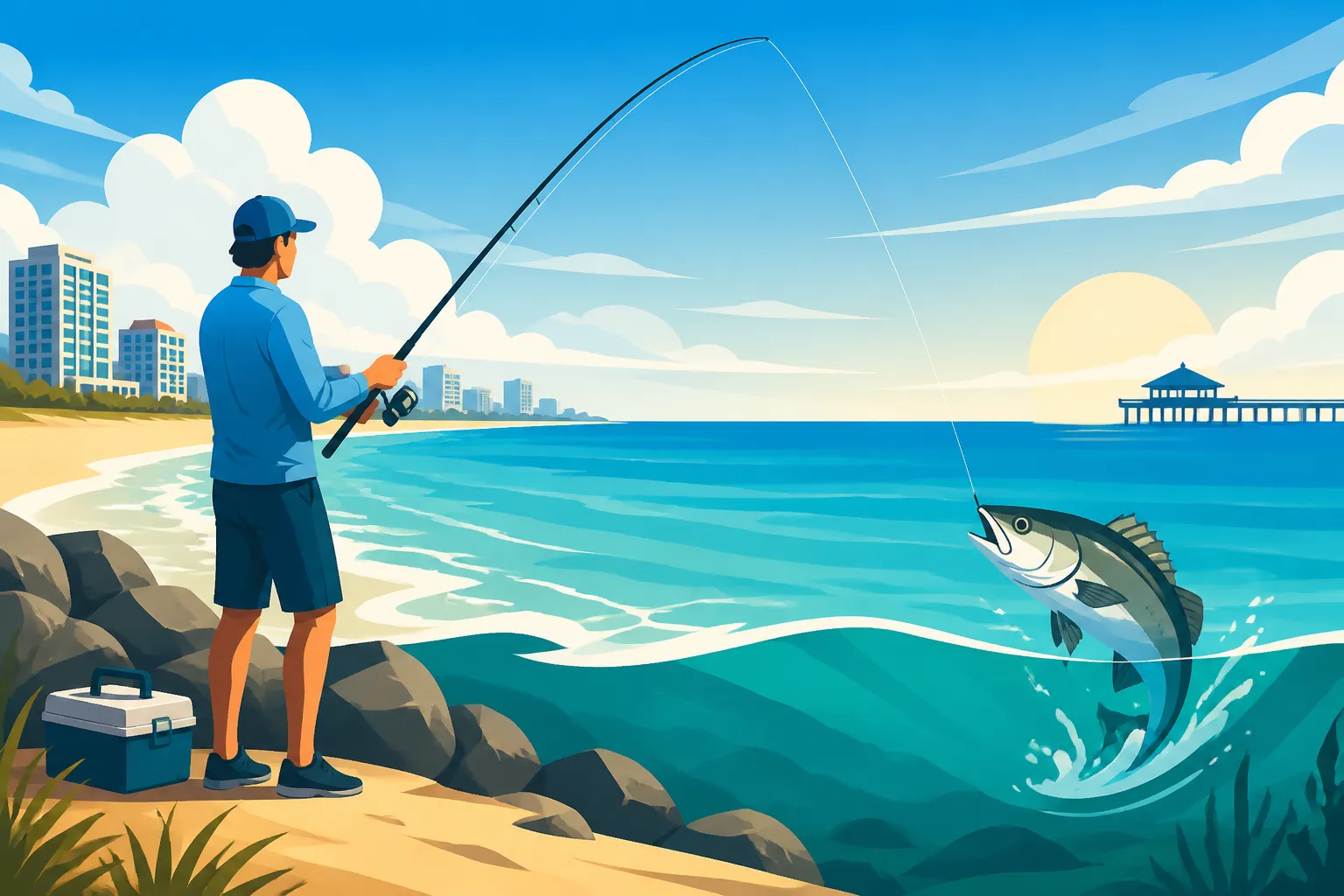
There's nothing quite like the primal satisfaction of surf fishing – casting your line directly into the ocean from the vast expanse of the beach. It's a highly accessible form of fishing, requiring minimal specialized gear beyond a sturdy surf rod and reel, some basic tackle, and a cooler for your catch and refreshments. The Myrtle Beach coastline offers miles of sandy beaches perfect for this pursuit, allowing you to find a quiet stretch away from the main crowds if you prefer. For more details on this, you can explore Myrtle Beach Surf Fishing Spots in South Carolina.
Surf fishing isn't just about throwing your line as far as you can. It involves understanding the dynamics of the beach – reading the water for sloughs, troughs, and cuts where fish might congregate. These subtle depressions and channels, often created by currents and waves, provide ideal feeding grounds for a variety of surf species. Common catches include whiting, pompano, croaker, flounder, and sometimes even red drum or bluefish, especially during migration periods. The early morning and late evening hours, or fishing around high tide, often yield the best results as fish move closer to shore to feed.
When planning your surf fishing trip, consider looking for less crowded sections of the beach. Areas slightly north or south of the main Myrtle Beach tourist hub can offer more solitude and undisturbed water. State park beaches, like those at Myrtle Beach State Park or Huntington Beach State Park, also provide excellent surf fishing access with the added benefit of amenities. Always be mindful of swimmers and beachgoers, especially during peak season. Using pyramid sinkers helps your bait hold in the surf, and a long-handled sand spike keeps your rod upright while you wait for a bite. For a broader overview of coastal opportunities, consider looking at the Best Beach Fishing Spots on the South Carolina Coast.
Important Regulations and Gear for Shore Anglers
Before you even think about casting a line in Myrtle Beach, it's crucial to understand the local regulations. South Carolina takes its marine and freshwater resources seriously, and abiding by the rules ensures sustainable fishing for everyone. Many first-time visitors mistakenly believe they don't need a license for shore fishing, but that's rarely the case. Being informed not only keeps you legal but also contributes to conservation efforts.
Licensing Requirements
Unless you are fishing from a pier that provides a blanket license (always confirm this directly with the pier staff!), you absolutely need a valid South Carolina fishing license to fish from the shore, jetties, or any public waters. This applies whether you're a resident or a nonresident, and whether you're fishing freshwater or saltwater. Since Myrtle Beach is coastal, you'll need a saltwater fishing license for surf and jetty fishing. For residents, annual licenses are very affordable, and for nonresidents, there are options like 14-day or annual licenses to suit your trip duration.
You can easily purchase a license online through the South Carolina Department of Natural Resources (SCDNR) website, from authorized license vendors like bait and tackle shops, or even at some hardware and sporting goods stores. Penalties for fishing without a license can include hefty fines, so it's not worth the risk. Always carry your license with you, either physically or digitally on your phone, as SCDNR enforcement officers regularly check anglers. You can find more detailed information on options like the South Carolina Annual Fishing License Price Breakdown.
Essential Gear for Shore Fishing
Having the right gear makes all the difference between a frustrating outing and a successful, enjoyable one. For shore fishing in Myrtle Beach, you don't need to break the bank, but a few key items will greatly enhance your experience.
- Rods and Reels: For surf fishing, a medium-heavy to heavy spinning rod, 9 to 12 feet in length, paired with a corrosion-resistant spinning reel (size 4000-6000) spooled with 15-30 lb monofilament or braided line is ideal. This setup allows for longer casts and handles the strain of waves and larger fish. For pier and jetty fishing, you might opt for slightly shorter, but still stout, rods, around 7-9 feet, depending on how close you want to fish to the structure.
- Terminal Tackle: Essential items include pyramid sinkers (2-4 oz to hold bottom in the surf), surf fishing rigs (often a two-hook dropper rig with a sinker at the bottom), swivels, and a variety of hooks (sizes 1/0 to 4/0 are versatile for many species). For flounder or redfish around jetties, jig heads (1/4 to 1 oz) with soft plastic lures or live bait hooks are crucial.
- Bait: Live shrimp, fresh dead shrimp, fiddler crabs, sand fleas, and cut pieces of mullet or finger mullet are all excellent choices. For Spanish mackerel or bluefish, casting spoons or Gotcha plugs can be incredibly effective.
- Accessories: Don't forget a sturdy rod holder (a sand spike for the beach), a cooler for your catch and drinks, a tackle box with pliers and line cutters, a rag, and adequate sun protection (hat, sunglasses, sunscreen). A small net can be handy for landing fish on the beach, while piers often have larger drop nets available. If you're really getting into it, consider reading up on Inshore Redfish Techniques for Beginners to fine-tune your approach.
Tips for a Successful Shore Fishing Trip in Myrtle Beach
Shore fishing in Myrtle Beach offers a unique blend of relaxation and excitement, but a little planning and local knowledge can go a long way in turning a hopeful cast into a memorable catch. It’s not just about showing up with a rod; it’s about understanding the subtle rhythms of the coast.
Timing is Everything
When it comes to fishing, especially in saltwater, timing is paramount. The general rule of thumb for most inshore and surf fishing is to focus on the incoming and outgoing tides, particularly around the changing of the tides. As the tide moves, it stirs up the bottom, dislodging baitfish and crustaceans, making them easy targets for hungry predators. This "feeding window" can be incredibly productive. Additionally, dawn and dusk often provide excellent fishing opportunities. The lower light conditions give fish a sense of security, encouraging them to feed more aggressively. During the heat of the day, fish often retreat to deeper, cooler waters or seek shelter in structure. Check local tide charts for Myrtle Beach; they are readily available online or in bait shops.
Weather also plays a role. Overcast days can extend the bite, while a sudden cold front might slow things down. Calm days are generally easier for casting and detecting subtle bites, but a little chop on the water can sometimes activate certain species.
Understanding Your Bait
Using the right bait for the right species is crucial. While live bait like shrimp, mullet, or fiddler crabs are often irresistible to many fish, fresh cut bait (like pieces of mullet, bluefish, or squid) can also be highly effective, especially for bottom feeders like whiting and croaker. Artificial lures, such as spoons, Gotcha plugs, and various soft plastics, excel when targeting active, predatory fish like Spanish mackerel, bluefish, or redfish.
- For panfish (whiting, croaker, spot): Small pieces of shrimp (live or fresh dead), bloodworms, or Fish Bites on a two-hook bottom rig.
- For pompano: Sand fleas (mole crabs) are a favorite, also small pieces of shrimp.
- For redfish and flounder: Live mud minnows, finger mullet, or shrimp, often on a Carolina rig or jig head. Soft plastic paddle tails or Gulp! shrimp can also be very effective.
- For Spanish mackerel and bluefish: Fast-retrieved casting spoons (like a Clarkspoon) or Gotcha plugs.
Don't be afraid to experiment! If one bait isn't working, try another. Observe what other successful anglers are using, and ask for tips at local bait shops – they're often a treasure trove of current information.
Being a Respectful Angler
Myrtle Beach is a popular tourist destination, and its beaches are shared spaces. When fishing from the shore, it's vital to be mindful of others. Cast away from swimmers and sunbathers, and always pick up your trash, discarded line, and bait packaging. Leaving hooks, weights, or line on the beach poses a significant danger to wildlife and people. If you’re fishing on a pier, give other anglers space, and be courteous when moving around.
Consider joining a charter if you want to explore beyond the shore, even if just for a half-day. This gives you the chance to learn from experienced captains and cover more ground. Websites like FishingBooker are excellent resources for finding reputable local guides and charters in the Myrtle Beach area, offering a different perspective on the region’s diverse fisheries. Whether you're targeting Redfish, Speckled Trout, or other inshore species, a charter can provide valuable insights and access to spots you wouldn't reach from the bank. Even if you're a seasoned angler, a guided trip can reveal new techniques and hotspots.
Disclaimer
Please note that fishing regulations, license requirements, and pier fees are subject to change. Always consult the latest South Carolina Department of Natural Resources (SCDNR) guidelines and contact specific piers or parks directly for the most up-to-date information before planning your fishing trip. This guide is for informational purposes only and does not constitute legal advice.