Santee River Fishing Spots for Catfish
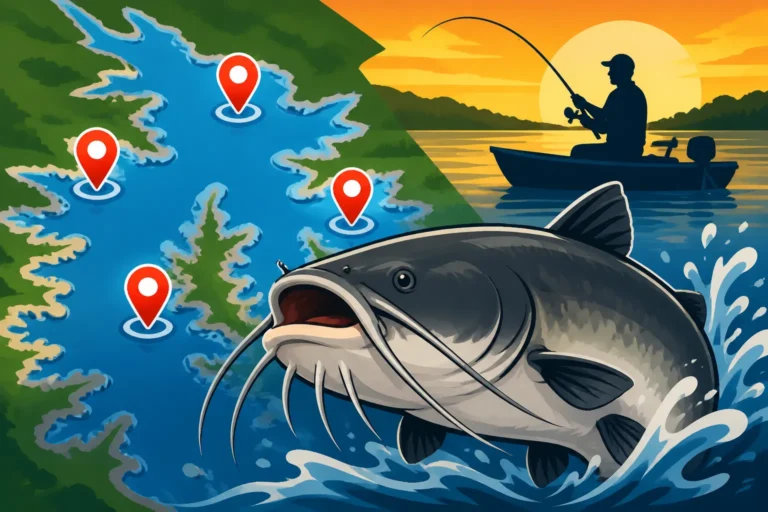
Oh, the Santee River! If you've ever dreamt of battling a truly monstrous catfish, or just enjoying a peaceful day reeling in some delicious whiskered fighters, you know how frustrating it can be to find those truly prime spots. It's not just about tossing a line anywhere; the Santee is vast, and knowing where the catfish really hang out makes all the difference between a slow day and an unforgettable one. This guide is all about cutting through the guesswork and pointing you directly to the Santee River's best catfish havens, so you can spend less time searching and more time reeling.
Understanding the Santee River System for Catfish
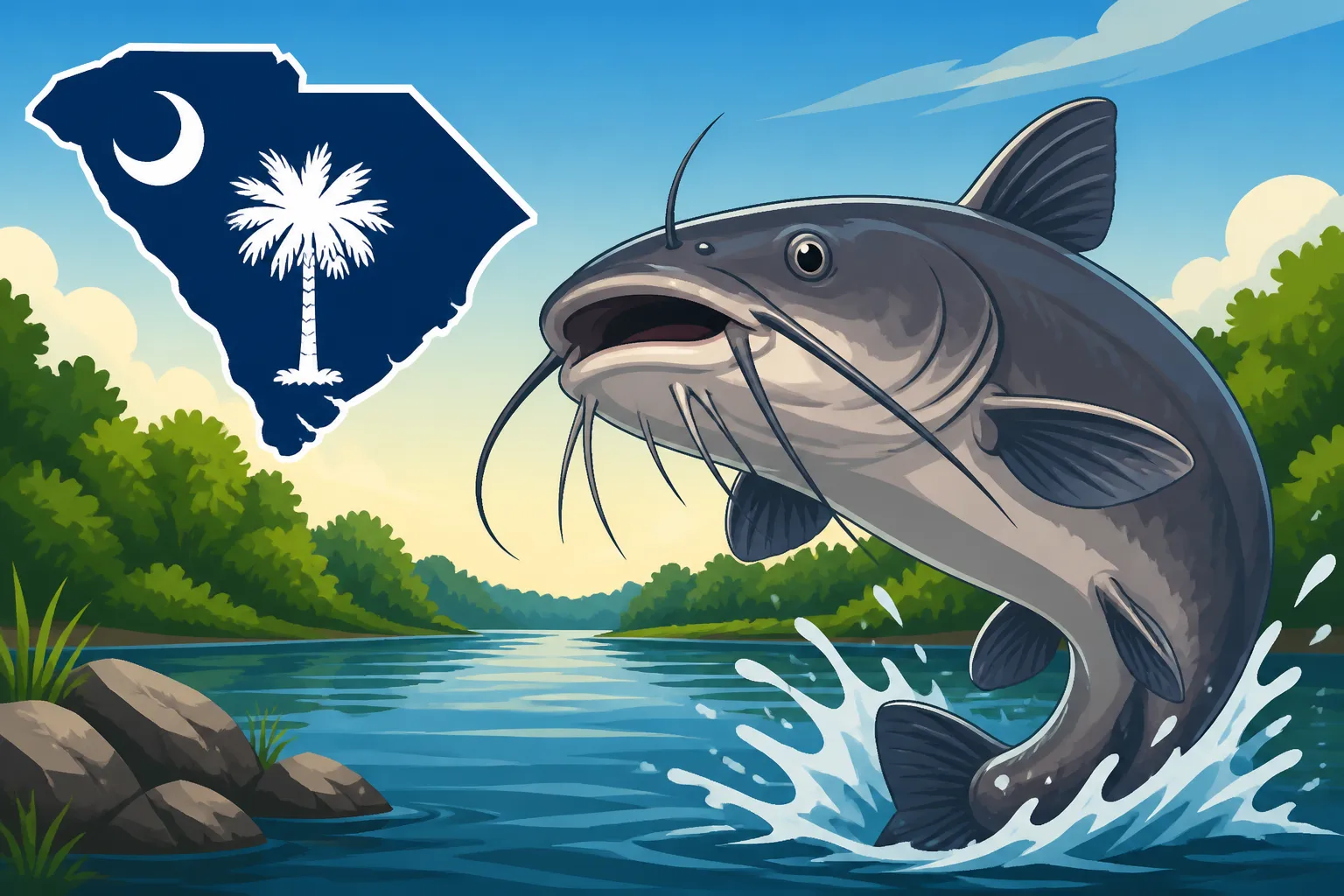
The Santee River system in South Carolina is an absolute legend among catfish anglers, and for good reason. It's not just one river; it's a massive, complex network that includes the mighty Santee River itself, plus the expansive Lake Marion and Lake Moultrie, famously known together as the Santee Cooper Lakes. This interconnectedness creates a unique and incredibly fertile environment perfect for growing some truly enormous catfish. Anglers come from all over, hoping to land a trophy blue or flathead, or to fill a cooler with channel cats for a family fish fry.
The Allure of the Santee's Catfish Population
What makes the Santee so special for catfish isn't just its size, but the sheer abundance and trophy potential of its whiskered residents. The constant flow of the river, combined with the vast, food-rich waters of the lakes, provides an ideal habitat. These waters are teeming with baitfish, mussels, and other natural forage, allowing catfish to grow to incredible sizes. It's not uncommon to hear tales of 50-pound flatheads or even larger blue catfish being pulled from these waters, making it a true bucket-list destination for many serious anglers.
Beyond the sheer size, the Santee offers consistent action. Whether you're targeting big blues in the deeper channels, patient flatheads tucked away in woody cover, or aggressive channel cats closer to the banks, there's always something biting. This consistent opportunity keeps anglers coming back, year after year, to experience the thrill of a Santee River catfish fight. It's a place where every cast holds the promise of something truly special, something you don't find just anywhere.
Key Features of the River that Attract Catfish
Catfish are drawn to specific types of structure and conditions within the river system. Understanding these preferences is key to finding them. Deep channels, especially those with significant current breaks, are prime hunting grounds for blue catfish. They love to ambush prey in these deeper, faster-moving waters. Look for areas where the riverbed drops sharply, creating ledges and holes that provide both shelter and ambush points.
Another crucial feature is submerged timber and brush piles. Flathead catfish, in particular, are notorious for preferring heavy cover. These solitary predators will stake out a log jam or a submerged tree, waiting for an unsuspecting baitfish to swim by. River bends and outside curves often have deeper scour holes and accumulated debris, making them magnets for these elusive giants. Additionally, areas with nutrient-rich inflows, like feeder creeks or agricultural runoff, can concentrate baitfish and, consequently, catfish.
The Three Major Catfish Species in the Santee
The Santee River is home to three main species of catfish, each with its own characteristics and preferred habitats.
First, the Blue Catfish is arguably the most sought-after species in the Santee. Known for their massive size and powerful fights, blue cats thrive in the main river channels and deeper sections of the lakes where current is present. They are primarily scavengers but will readily eat live or cut bait. Landing a 30-pound or even 60-pound blue catfish is a real possibility here, and they offer a challenging fight that will test your tackle and your endurance.
Next, we have the Flathead Catfish, a true trophy fish for many anglers. Flatheads are more predatory than blues, preferring live bait and often hiding in heavy cover like log jams, brush piles, and underwater caves. They are typically solitary and less common to catch than blues or channels, but when you hook into one, you know you're in for a serious battle. Their powerful, broad heads and stout bodies make them formidable opponents, especially in snag-filled areas.
Finally, the Channel Catfish is the most common and widespread species in the Santee. While they don't typically reach the gargantuan sizes of blues or flatheads, they offer consistent action and are excellent eating. Channel cats can be found throughout the river and lake system, often preferring moderate current and feeding on a variety of baits. They are a fantastic target for family fishing trips or for anglers looking for steady bites and a delicious meal. Learning the nuances of these different species will significantly increase your success on the Santee.
Prime Catfish Hotspots Along the Santee River
Identifying general areas is one thing, but knowing the specific spots that consistently produce catfish is where experience truly shines. The Santee River, with its expansive waters and diverse habitats, has a handful of locations that stand out as premier catfish destinations. These spots offer a combination of ideal conditions, good access, and a proven track record for yielding impressive catches.
Lake Marion and Lake Moultrie Confluence (Santee Cooper Diversion Canal)
Without a doubt, one of the most famous and productive catfish areas is the Santee Cooper Diversion Canal Fishing Spots. This man-made canal connects Lake Marion and Lake Moultrie, creating a constant flow of water and a unique ecosystem. The canal is relatively deep and often has strong currents, making it a perfect highway and feeding ground for blue catfish. The constant movement of water brings abundant forage, concentrating catfish in predictable areas.
Anglers often target the deeper holes and ledges along the canal, as well as the areas around bridges and culverts, where current creates eddies and ambush points. You'll find boats anchored up and down the canal, using heavy tackle and large cut baits to entice the big blues. It's an active fishery, sometimes crowded, but for good reason – the potential for a monster catch is very real. Many local guides, some of whom you can find on platforms like FishingBooker, specialize in this particular stretch of water, having honed their techniques over years of successful trips.
Lower Santee River: Delta and Estuary Areas
As the Santee River flows closer to the coast, it expands into a vast delta and estuarine system before emptying into the Atlantic. These brackish water areas are often overlooked by strictly freshwater anglers, but they can be incredibly productive for catfish, particularly blue and channel cats that tolerate a range of salinities. The convergence of freshwater and saltwater brings a tremendous amount of food, and the intricate network of tidal creeks, mud flats, and oyster beds provides endless cover and feeding opportunities.
Fishing the lower Santee involves understanding tidal movements. Catfish will often move into shallower creeks and flats on an incoming tide to feed, then retreat to deeper channels as the tide recedes. Look for areas where feeder creeks enter the main river, or where deep pockets exist near marsh edges. These areas are rich in crustaceans, small fish, and other organisms that catfish love. It's a different kind of challenge than the lakes, requiring a keen eye for subtle changes in current and depth, but the rewards can be substantial, often yielding a mix of catfish species.
Mid-River Bends and Deep Holes
Moving further upriver, the Santee carves out numerous bends and deep holes that are absolute magnets for catfish, especially flatheads and larger blue catfish. These natural river features act as collecting points for food and provide excellent cover. On the outside bends of the river, the current often scours out deeper pockets, creating perfect ambush points. Submerged timber, fallen trees, and underwater debris tend to accumulate in these slower-moving, deeper areas, offering prime habitat for reclusive flatheads.
When fishing these mid-river spots, a good depth finder is invaluable for identifying significant drop-offs, ledges, and submerged structure. Anchoring upstream from a promising hole and drifting baits down into it is a common and effective tactic. Focus your efforts on the transition zones between deeper and shallower water, where catfish often move to feed. Even spots that look unremarkable on the surface can hold trophy fish below, so don't be afraid to explore. Guides listed on FishingBooker who specialize in the Santee River will often have their secret honey holes in these less obvious, yet highly productive, stretches.
Here's a quick overview of these prime Santee catfish spots:
| Location Type | Primary Catfish Species | Key Features | Best Techniques |
|---|---|---|---|
| Santee Cooper Diversion Canal | Blue Catfish (Trophy) | Deep, strong currents, connection between Lake Marion & Lake Moultrie, bridges, culverts | Anchoring, bottom fishing with cut bait, heavy tackle, sensitive rod tips for subtle bites |
| Lower Santee Delta/Estuary | Blue, Channel Catfish | Brackish water, tidal creeks, mud flats, oyster beds, marsh edges, feeder creek mouths | Focus on tides, drift fishing, targeting deeper channels during outgoing tides, cut & live bait |
| Mid-River Bends & Deep Holes | Flathead, Blue Catfish | Outside bends, scour holes, submerged timber, log jams, underwater debris, ledges | Deep anchoring, vertical jigging (for flatheads), drifting baits, using live bait for flatheads |
Essential Techniques and Baits for Santee Catfish
Catching catfish on the Santee River isn't just about finding them; it's also about presenting your bait effectively and using the right gear. While catfish are often thought of as opportunistic eaters, the big ones can be surprisingly finicky, and employing the right techniques can drastically improve your odds of success. From your choice of rig to the type of bait you use, every detail can contribute to a more productive fishing trip.
Effective Rigs and Presentations
When it comes to rigging for Santee River catfish, durability and strength are paramount. Heavy-duty tackle is a must, especially if you're targeting the trophy blue or flathead catfish that frequent these waters. A classic Carolina Rig (also known as a slip sinker rig) is a go-to for many anglers. It consists of a leader, a swivel, and an egg sinker that slides freely on the main line above the swivel. This setup allows the fish to pick up the bait and move off without immediately feeling the weight of the sinker, giving you a better hook set. You'll want to use heavy mono or fluorocarbon leaders, typically 50-80 lb test, especially when fishing near submerged cover.
For targeting flatheads in heavy cover, a slip bobber rig can be effective if you need to suspend bait just above snags. However, most serious Santee anglers prefer a robust bottom rig. Some also use Santee Cooper rigs, which are essentially a slip sinker rig with a float added to the leader to keep the bait just off the bottom and visible to cruising catfish. These rigs are particularly popular for preventing baits from getting lost in muddy bottoms or small snags. For those looking into Catfish Fishing Techniques for South Carolina Lakes in Summer, these rigs are foundational and adapt well to river conditions.
Top Baits for Santee River Catfish
The Santee River's catfish have a diverse diet, and your bait choice should reflect what's naturally available and what the fish are actively feeding on. For blue catfish, fresh cut bait is king. Shad, herring, white perch, or even chunks of carp are incredibly effective. The fresher the better, as the oils and scent disperse quickly in the current, drawing in catfish from a distance. Many anglers will catch baitfish directly from the Santee system before their catfish trip to ensure maximum freshness.
Flathead catfish are primarily piscivores (fish-eaters) and strongly prefer live bait. Live bream, small carp, or robust shad are excellent choices. They like to ambush prey, so a lively bait struggling near their cover can be irresistible. Using a strong circle hook with a live bait rig, positioned near a log jam or deep hole, is your best bet for these elusive giants. For Best Bait for Summer Catfish Fishing, live bait options are often highlighted, and that holds true for the Santee.
Channel catfish are less picky and will hit a wider variety of baits. Cut bait works, but they also love stink baits, chicken livers, shrimp, and even hot dogs. These baits produce a strong scent trail that appeals to channel cats, making them a great option for targeting them with lighter tackle or when fishing with kids. Remember, presentation is key: ensure your bait is fresh, properly hooked, and presented in a way that looks natural in the current.
Seasonal Considerations for Catfish Angling
Catfish behavior on the Santee River, like any other fishery, is heavily influenced by the seasons and water temperature. Understanding these patterns can significantly impact your success.
Spring (March-May) is often considered one of the best times for Santee catfish. As water temperatures rise into the 60s, catfish become highly active and move into shallower areas to spawn. They are aggressive feeders during the pre-spawn, making them easier to target. Look for them in tributary mouths, shallower flats, and around submerged brush. This is a great time for both numbers and quality fish, as they're putting on weight before the spawn.
Summer (June-August) sees catfish move into deeper, cooler waters, especially during the heat of the day. They will often hold in the main river channels, deep holes, and around current breaks where oxygen levels are better. Night Fishing Techniques for Catfish become incredibly effective during summer, as catfish will move into shallower feeding grounds under the cover of darkness. Early mornings and late evenings can also be productive. Cut bait is still highly effective, but sometimes smaller baits or different presentations are needed to entice heat-stressed fish.
Fall (September-November) is another peak season. As water temperatures begin to cool, catfish embark on a pre-winter feeding frenzy, trying to fatten up. They will once again become more active and can be found transitioning between deep and shallow water, often following baitfish schools. This is an excellent time for trophy blue catfish, as they are aggressive and in prime condition. Look for them in deeper channel bends and areas where baitfish are abundant.
Winter (December-February) can be challenging but rewarding. Catfish become sluggish and congregate in deep holes, slack water, and around thermal refuges. While they don't feed as actively, they can still be caught by slowing down your presentation and fishing directly in their holding areas. Heavy jigs tipped with cut bait or slow-drifting large cut baits are common winter tactics. This is often when some of the absolute biggest blue catfish are caught, as they are concentrated and can be found if you pinpoint their wintering grounds.
Accessing the Santee River for Your Catfish Adventure
Embarking on a Santee River catfish trip requires knowing how to get to the water. The river system offers various access points, catering to different fishing styles, whether you prefer fishing from a boat or the bank. Planning your access in advance can save you a lot of time and frustration, ensuring your focus remains on catching fish.
Public Boat Ramps and Access Points
For serious catfish anglers looking to explore the vastness of the Santee River, a boat is almost essential. Fortunately, there are numerous public boat ramps scattered along the river and its associated lakes (Marion and Moultrie). These ramps provide critical access to some of the best fishing grounds, allowing you to reach those deep channels, secluded bends, and productive areas of the Santee Cooper Diversion Canal. You can find detailed information on Santee River Access Points in South Carolina which will list specific locations, amenities, and any potential fees.
Some popular ramps include those near the diversion canal, such as Blacks Camp Landing or Eutaw Springs, which put you right in the heart of prime blue cat territory. Further downriver, ramps like those near Georgetown offer access to the lower Santee delta. It's always a good idea to check local conditions, especially water levels, before heading out, as some ramps can become difficult to use during extreme highs or lows. Make sure your boat and trailer are in good working order, and always practice safe boating, especially in areas with strong currents or heavy boat traffic.
Bank Fishing Opportunities
While a boat offers the most flexibility, you absolutely don't need one to catch catfish on the Santee River. There are several excellent bank fishing opportunities, particularly for channel catfish and occasionally decent blues, especially in the spring. Areas around public landings, parks, and bridges often provide easy bank access. For example, some stretches of the Santee Cooper Diversion Canal have public access where you can cast from shore into productive waters.
When bank fishing, look for deeper pockets close to shore, current seams, or areas where tributaries enter the main river. These spots often concentrate baitfish, which in turn attract catfish. Using heavier sinkers to hold your bait in the current is usually necessary, and having a rod holder or two can make your experience much more comfortable. Don't forget to bring essentials like a comfortable chair, plenty of bait, and a cooler for your catch. Remember, you'll still need a valid South Carolina Fishing License Guide even when fishing from the bank.
Considering a Guided Catfish Trip
For those who are new to the Santee River, or simply want to maximize their chances of landing a trophy catfish without the learning curve, booking a guided catfish trip is an excellent option. A local fishing guide will have intimate knowledge of the river, its various catfish species, and the current hot spots. They provide all the necessary gear, bait, and most importantly, their expertise, dramatically increasing your chances of a successful outing. Platforms like FishingBooker are a fantastic resource for finding experienced Santee River catfish guides, allowing you to browse different options, read reviews, and book directly.
A guided trip is not just about catching fish; it's also a fantastic way to learn the nuances of Santee fishing. Guides can teach you specific techniques, how to read the water, and what baits are working best at that particular time. This can be invaluable knowledge for future unguided trips. Whether you're targeting giant flatheads or looking for a memorable family outing reeling in channel cats, a professional guide can tailor the experience to your preferences, making it a truly unforgettable Santee River adventure. Many guides even offer services that cover your fishing license requirements for the day, removing one more hassle from your trip.
Final Thoughts on Conquering the Santee's Catfish
The Santee River truly is a special place for catfish angling. It's a challenging, rewarding system that holds some of the biggest and most aggressive catfish you'll find anywhere. From the intricate network of the Santee Cooper Lakes and the powerful flows of the diversion canal to the vast tidal reaches of the lower delta, there's a lifetime of exploration for any serious angler. By understanding the different species, learning their preferred habitats, mastering essential techniques, and knowing how to access these waters, you're well on your way to a successful and memorable trip. Remember to always respect the resource, follow regulations, and enjoy the incredible fight these whiskered giants offer. The Santee River awaits your next cast, ready to deliver that trophy you've been dreaming of.
Disclaimer
Fishing conditions and regulations in South Carolina, especially concerning specific species like catfish, can change. Always consult the latest South Carolina Department of Natural Resources (SCDNR) regulations before heading out to fish. This guide provides general information and recommendations, but it is the angler's responsibility to adhere to all current laws and guidelines.