Murrells Inlet Redfish Fishing Spots in South Carolina
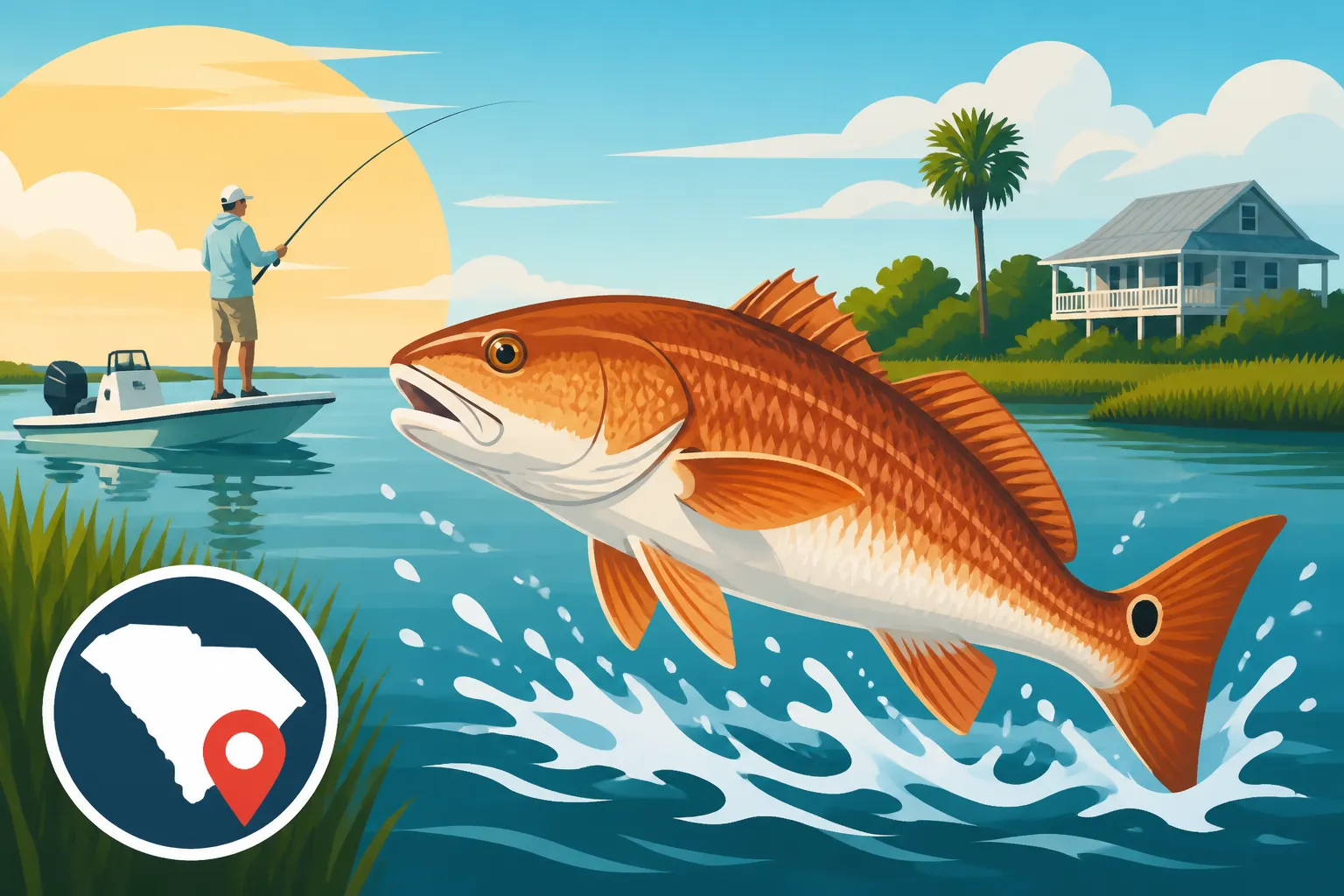
There's nothing quite like the thrill of chasing redfish in South Carolina's coastal waters, but figuring out where to find them, especially in a labyrinthine estuary like Murrells Inlet, can feel like solving a complex puzzle. Many anglers, both locals and visitors, get frustrated spending hours casting into seemingly promising waters only to come up empty-handed. This comprehensive guide is here to cut through that confusion, offering you an insider's look at the prime redfish fishing spots in Murrells Inlet, coupled with practical advice to help you land that bronze beauty.
Why Murrells Inlet is a Redfish Paradise
Murrells Inlet isn't just a picturesque fishing village; it's a vibrant, dynamic ecosystem perfectly tailored for redfish. Tucked just south of Myrtle Beach, this estuary system boasts an incredible network of marsh grass, oyster beds, and intricate creek systems that serve as both a nursery and a feeding ground for these prized game fish. It's a place where the rhythm of the tides truly dictates the movement and feeding habits of the fish, making local knowledge and understanding of the environment absolutely crucial for success.
The Dynamic Tides and Their Impact
One of the defining characteristics of Murrells Inlet, and what makes it such a rich redfish habitat, is its pronounced tidal flow. The ebb and flow of the tides sculpt the marsh, create feeding opportunities, and essentially "herd" baitfish for predators like redfish. When the tide is high, redfish will push deep into the flooded grass flats, often with their tails breaking the surface as they root for fiddler crabs and shrimp. This is a prime time for sight fishing, especially if you know where the shallowest, most productive grass is.
As the tide begins to fall, those redfish are forced out of the grass and into the deeper channels and creek mouths, creating a funnel effect. This concentrates them, making them easier targets for anglers. Understanding this push and pull is fundamental to unlocking the inlet's redfish potential. If you're not paying attention to the tide charts, you might be fishing the wrong spot at the wrong time, missing out on prime opportunities. Many seasoned anglers consider understanding the tides to be as important as their rod and reel, learning to anticipate where the fish will be at each stage.
Abundant Forage and Habitat
Beyond the tides, Murrells Inlet thrives with an incredible abundance of forage, which is naturally what attracts and sustains a healthy redfish population. Shrimp, fiddler crabs, mud minnows, and mullet are all staples in the redfish diet here, and the inlet provides ample hiding and breeding grounds for these bait species. The expansive Spartina grass marsh offers protection from predators and acts as a filter, keeping the water quality high, which is essential for a thriving fishery.
Every oyster shell and every blade of grass in Murrells Inlet contributes to this rich environment. These natural structures provide cover for juvenile fish, create ambush points for larger predators, and are hotspots for invertebrate life that redfish eagerly consume. This intricate web of life means that redfish aren't just passing through; they're actively living and feeding within these waters year-round, offering consistent opportunities for anglers who know how to tap into this natural pantry.
Top Murrells Inlet Spots for Redfish
Navigating Murrells Inlet can be daunting if you're unfamiliar with its twists and turns, but certain areas consistently hold redfish due to their unique features and food sources. While exact GPS coordinates are often kept secret by local guides, understanding the types of areas to target will drastically improve your chances. It’s all about reading the water and looking for those classic redfish indicators.
Main Creek Channels and Their Feeder Creeks
The main channels that snake through Murrells Inlet are highways for bait and, consequently, for redfish. These larger thoroughfares connect to dozens of smaller feeder creeks that drain the marsh. During falling tides, baitfish, shrimp, and crabs are flushed out of the shallow grass and into these deeper channels, creating a natural buffet line for hungry redfish. Look for areas where these smaller creeks converge with the main channels, especially those with noticeable current breaks or deeper holes.
One popular approach is to anchor or drift near the mouths of these feeder creeks, casting toward the outgoing current. Redfish will often stage themselves just outside these mouths, waiting for an easy meal to be delivered by the tide. Pay close attention to subtle signs like baitfish flickering on the surface or nervous water, which can indicate redfish are actively feeding. Don't overlook the bends in the main channels either; deeper pockets often form there, providing ambush points for larger redfish.
Grass Flats and Oyster Beds
When the tide is high, especially a strong incoming tide, the shallow grass flats become prime redfish territory. These are the areas where you'll often see "tailing" redfish, their tails breaking the surface as they root around in the mud for crabs and other crustaceans. The key here is stealth and patience. A quiet approach, whether by kayak, skiff, or even wading, is essential to avoid spooking these wary fish. The spartina grass provides camouflage for both the fish and the angler, making it a truly immersive experience.
Oyster beds are another redfish magnet within the inlet. These sharp, jagged clusters of oysters are natural filters, creating clean water, and are also teeming with small crabs, shrimp, and other organisms that redfish adore. Redfish will often cruise the edges of these beds or even lie within the deeper pockets formed around them. When fishing oyster beds, be prepared to lose a few rigs to the sharp shells, but the reward of a hard-fighting redfish is often worth it. These areas are excellent spots to explore if you're looking for How to Catch Redfish in South Carolina's Lowcountry.
Murrells Inlet Jetty and Nearshore Structure
While often associated with offshore fishing, the Murrells Inlet Jetty offers fantastic opportunities for redfish, particularly during cooler months or when larger schools are on the move. The rocks provide ample structure, attracting baitfish and creating current breaks where redfish can comfortably lie in wait. Anglers can fish from the jetty itself or target its edges from a boat. The deep water immediately adjacent to the jetty can hold big redfish, especially during tide changes when bait is flushed in or out.
Beyond the main jetty, there are other nearshore structures like submerged pilings, rock piles, or even artificial reefs just outside the inlet's mouth that can hold redfish. These spots often require a boat to access safely and effectively, but they can be incredibly productive, especially if you're looking for larger, more solitary redfish that prefer deeper water. Always consult local navigation charts and be aware of boat traffic, especially around the main inlet channel. Remember, the South Carolina Redfish Slot Limit Rules apply here, so measure your catch carefully.
Strategies for Targeting Redfish in Murrells Inlet
Successfully catching redfish in Murrells Inlet goes beyond just knowing where they are; it's about understanding how to present your bait or lure effectively and working with the natural rhythms of the estuary. The techniques often vary depending on the season, tide, and specific habitat you're targeting.
Best Baits and Lures for Murrells Inlet Redfish
When it comes to bait, it’s hard to beat what the redfish are already accustomed to eating naturally. Live bait such as shrimp, fiddler crabs, mud minnows, and finger mullet are consistently effective in Murrells Inlet. A live shrimp fished under a popping cork is a classic and deadly combination, especially around grass edges and oyster beds. The popping cork mimics the sound of feeding shrimp, attracting curious redfish from a distance. For those looking for a more robust offering, a live mud minnow or small finger mullet on a Carolina rig or a light jig head can entice larger, more hesitant redfish.
For artificial lures, soft plastics are king. Scented jerk baits, paddle tails, and grub tails in natural colors like "new penny," "chartreuse," or "root beer" are incredibly productive. Rigging them on a weedless hook or a jig head (1/8 oz to 1/4 oz is common, depending on current and depth) allows you to work them effectively around the snaggy oyster beds and grass. Topwater lures, particularly walk-the-dog style baits or poppers, can provide explosive strikes during early morning or late evening hours over shallow flats. For those targeting tailing fish, weedless gold spoons are another excellent choice, as they mimic fleeing baitfish without getting hung up in the grass. Check out the Best Lures for Tailing Redfish in Grass Flats for more detailed recommendations.
Understanding Tidal Movements for Optimal Success
As mentioned earlier, the tides are your best friend when redfishing in Murrells Inlet. They dictate not only where the fish will be but also how they will be feeding. A strong incoming tide will push redfish into the flooded grass, where they are often actively tailing and rooting. This is a prime time for sight casting with weedless lures or natural baits. The challenge here is making accurate, quiet casts without spooking the fish in shallow water.
On a falling tide, redfish retreat from the grass and congregate in the deeper channels, creek mouths, and along oyster rakes. This is when bait presentation becomes key, often involving Carolina rigs with live bait or jig heads worked along the bottom. The moving water also concentrates bait, making it easier for redfish to ambush. It's truly a dance with the tide, and learning its rhythm in Murrells Inlet will drastically improve your catch rates. Many anglers find that the last two hours of the outgoing tide and the first two hours of the incoming tide are often the most productive. It's definitely worth studying if Does Tide Timing Matter for South Carolina Redfish?
Essential Gear for Murrells Inlet Redfishing
Having the right gear makes all the difference when tackling Murrells Inlet's redfish. A medium-light to medium-action spinning rod (7' to 7'6" in length) paired with a 2500-4000 series reel is a versatile setup that handles everything from casting soft plastics to fighting a strong redfish in tight quarters. Spool your reel with 10-20 lb braided line for its sensitivity and casting distance, and add a 2-3 foot leader of 20-30 lb fluorocarbon for abrasion resistance against oyster shells and stealth in clear water.
Beyond the rod and reel, a good pair of polarized sunglasses is non-negotiable for spotting fish in the clear shallow water of the flats. A wide-brimmed hat and sun-protective clothing are also essential for long days on the water. A good pair of pliers or side cutters for hooks and a net with rubber mesh (to protect the fish) are also invaluable. And, of course, don't forget your South Carolina Fishing License Guide! Having a tackle box stocked with a variety of jig heads, popping corks, soft plastics, and hooks will ensure you're prepared for whatever the redfish demand.
Planning Your Murrells Inlet Redfish Trip
A successful fishing trip is often made long before you ever wet a line. For Murrells Inlet, this means understanding the rules, knowing the best times to go, and deciding whether to go it alone or enlist the help of a professional.
Navigating South Carolina Redfish Regulations
Before heading out, it's absolutely crucial to be up-to-date on South Carolina's fishing regulations, especially for redfish. Regulations can change, so always check the latest SCDNR guidelines. Currently, redfish have a specific slot limit, meaning they must fall within a certain size range to be legally harvested. This is designed to protect both juvenile and large spawning fish, ensuring a healthy population for the future. There's also a daily bag limit per person and often a vessel limit, which is particularly important if you're fishing with a group or on a charter. Understanding the South Carolina Redfish Vessel Limit Explained can save you from a costly mistake.
Ignorance of the law is no excuse, and wardens regularly patrol Murrells Inlet. Having a measuring device handy and being prepared to release oversized or undersized fish quickly and carefully is part of responsible angling. Many anglers choose to practice catch-and-release, especially for the larger "bull reds," which are important breeders. Respecting these regulations is key to preserving Murrells Inlet as a premier redfish fishery for generations to come. For the most current information, always refer to the official Current Redfish Regulations for Coastal Waters.
Finding a Reputable Guide or Charter
For visitors or those new to Murrells Inlet, hiring a local fishing guide can be an absolute game-changer. These professionals spend countless hours on the water and possess an intimate knowledge of the inlet's intricate channels, oyster beds, and migratory patterns of the redfish. They can put you on fish when you might struggle to find them on your own, teach you effective local techniques, and ensure you're compliant with all regulations. Services like FishingBooker are excellent resources for finding reputable Murrells Inlet Inshore Fishing Charters. You can browse through various guides, read reviews, and find a trip that fits your budget and preferences.
When choosing a guide, look for someone who specializes in inshore redfish fishing and has a solid reputation. Don't be afraid to ask questions about their experience, the type of boat they use, and what's included in the trip (bait, tackle, and sometimes even your fishing license are often covered). A good guide will prioritize your experience, ensuring you have a fun, safe, and productive day on the water, whether you're a seasoned angler or a complete beginner. Utilizing platforms like FishingBooker makes booking a South Carolina Redfish Fishing Charter straightforward and reliable.
Table: Murrells Inlet Redfish Seasonality & Target Areas
| Season | Best Tidal Stage | Primary Target Areas | Recommended Baits/Lures | Key Considerations |
|---|---|---|---|---|
| Spring (March-May) | Incoming & Outgoing | Creek Mouths, Grass Flats, Oyster Beds | Live Shrimp, Mud Minnows, Soft Plastics (paddle tails) | Fish become more active as water warms; look for tailing fish on high tides. |
| Summer (June-August) | Early Morning/Late Evening High Tide | Deep Creek Channels, Shady Oyster Rakes, Jetty | Live Finger Mullet, Scented Soft Plastics, Topwater | Fish are more lethargic mid-day; focus on low-light hours and deeper, cooler water. |
| Fall (September-November) | Incoming & Outgoing | Grass Flats, Main Channels, Jetty | Live Mullet, Large Soft Plastics, Gold Spoons | "Bull Reds" congregate near the inlet; active feeding before winter. |
| Winter (December-February) | Slow Outgoing Tide | Deeper Pockets, Protected Channels, Dark Mud Flats | Live Mud Minnows, Slow-worked Soft Plastics (jerk baits) | Fish school up in deep, warm pockets; slow retrieves are essential. |
This table provides a general overview, but remember that conditions can change rapidly. Always check local forecasts and recent fishing reports. Understanding the South Carolina Saltwater Fishing Seasons in detail will further enhance your planning.
Disclaimer
Fishing regulations and conditions can change. Always consult the latest South Carolina Department of Natural Resources (SCDNR) guidelines before heading out on the water. This guide is for informational purposes only and does not constitute legal advice. Adhere to all local, state, and federal laws and practice safe boating and fishing techniques.