Lake Wateree Bass Fishing Spots for Beginners
Stepping onto the shores of a large, unfamiliar lake like Wateree can feel like looking for a needle in a haystack when all you want to do is catch some bass. It’s easy to get overwhelmed by the sheer size and all the different spots, leaving many beginner anglers feeling lost before they even cast a line. This comprehensive guide is designed to demystify bass fishing on Lake Wateree, offering a clear path to finding those elusive fish and making your first experiences both enjoyable and successful.
Understanding Lake Wateree's Bass Landscape for Beginners
Lake Wateree, nestled in the heart of South Carolina, is a sprawling reservoir known for its fantastic fishing opportunities, especially for bass. But for someone just starting out, its vastness can be daunting. Understanding the basic makeup of the lake and how bass interact with it is your first step to success. It's not just a big bowl of water; it has distinct features that attract bass.
Lake Wateree's Unique Features for Bass
Lake Wateree covers over 13,000 acres, fed primarily by the Catawba River. This means it’s a fertile, productive lake with a good current flow in certain areas, which helps oxygenate the water and keeps baitfish active. For bass, current can be a huge draw, concentrating bait and providing ambush points. Beginners often overlook how current affects fish, but even subtle flows around points or submerged structure can be magnets for bass.
The lake's depth varies quite a bit, from shallow flats and coves to deeper main lake channels. What's crucial for bass are the abundant submerged structures: old timber, stump fields, brush piles, ledges, and rocky points. These features offer cover, shade, and excellent ambush points for bass waiting to strike unsuspecting baitfish. As a beginner, focusing on areas with visible cover, like standing timber or the edges of lily pads, can simplify your search. These visual cues are much easier to interpret than trying to read complex sonar graphs.
Key Bass Species in Lake Wateree
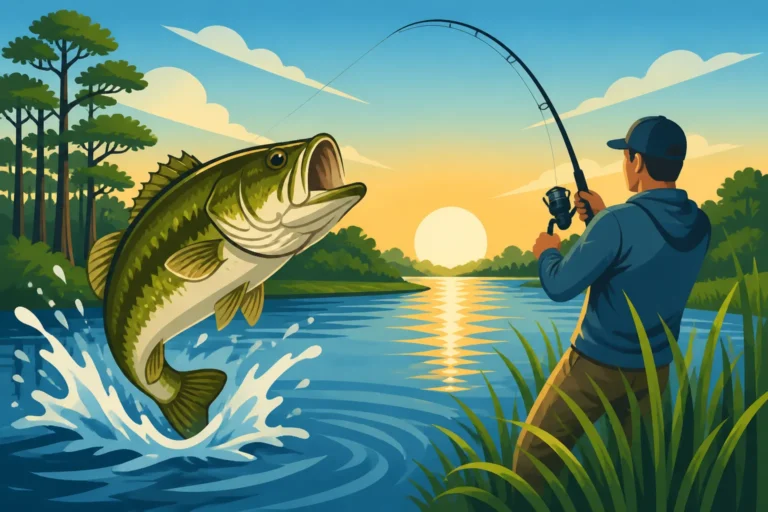
When you're fishing for bass on Lake Wateree, you'll primarily be targeting Largemouth Bass. These are the classic "bucketmouth" bass that most people envision when they think of freshwater fishing. Largemouth Bass are masters of ambush, preferring to hide in cover and dart out to snatch their prey. They're often found around weed lines, submerged logs, docks, and brush piles, especially in shallower waters. Their diet is quite varied, including baitfish, crawfish, frogs, and even small birds or mammals, making them susceptible to a wide range of lures.
While Largemouths are the main event, you might also encounter Spotted Bass, though they are less prevalent and typically prefer clearer, rockier areas, often found a bit deeper than their largemouth cousins. For a beginner, it’s best to concentrate on the habits of Largemouth Bass, as they are more common in the types of cover you’ll easily find and fish effectively. Understanding what Largemouth Bass eat in South Carolina ponds and lakes will give you a big advantage in choosing the right bait.
Top Easy-Access Bass Fishing Spots on Lake Wateree
Finding the fish can be the hardest part, especially on a new body of water. For beginners, the best approach is to start with easy-to-access areas that are known to hold bass. These spots often offer visible cover and don't require advanced boat handling or electronics.
Public Boat Ramps and Nearby Structures
Public boat ramps are excellent starting points for a few reasons. First, they provide easy access to the water, which is a blessing for anyone launching a boat for the first time or simply fishing from the bank nearby. Second, these areas often have surrounding features that attract bass. For instance, the June Creek Boat Ramp on the western side of the lake offers access to a creek arm that features plenty of shallow coves and submerged timber. Fishing near the entrance of the creek or along its deeper bends can be highly productive.
Another great option is the Beaver Creek Boat Ramp on the eastern side. This area opens up to Beaver Creek, which provides diverse habitats from shallow grassy flats to deeper channels, all of which can hold bass. Always pay attention to any riprap or rocky areas around the ramps themselves; these structures provide habitat for crawfish and baitfish, which, in turn, attract bass. Don't overlook the obvious spots; bass are often closer than you think. You can find more information about these and other launch points in our guide to Lake Wateree Boat Ramps for South Carolina Anglers.
Popular Coves and Creeks for Beginner Bass Anglers
Lake Wateree is dotted with numerous coves and the mouths of feeder creeks that are perfect for beginner bass fishing. These areas tend to be shallower, warmer, and hold more aquatic vegetation, which is prime bass habitat. Look for large, relatively protected coves off the main lake. For example, the areas around the mouth of Wateree Creek itself offer extensive shallow flats, submerged grass, and standing timber, especially in the upper reaches. Bass love to cruise these shallows, especially during the spring and fall, looking for an easy meal.
Another prime example is Little River, which forms a significant arm on the western side of the lake. The numerous smaller coves and pockets within the Little River arm are excellent places to explore. These sheltered waters protect baitfish, making them attractive to bass. When exploring these areas, look for transitions in depth, points, or any visible cover like fallen trees. Similar to how anglers target specific areas on other large reservoirs, understanding the nuances of these spots can greatly improve your success. For comparison, you can read about techniques for targeting bass in specific areas like Best Largemouth Bass Spots on Lake Murray, South Carolina, to gain broader insights into bass behavior in different lake environments.
Fishing Near Docks and Piers
Docks and piers are man-made structures that provide fantastic habitat for bass. They offer shade, especially on bright, sunny days, which bass absolutely love. They also create ambush points and attract baitfish seeking shelter. For a beginner, fishing around docks is a simple and effective strategy. Cast your lure parallel to the dock, or skip it underneath the structure if you can. The deeper ends of docks, or those with brush piles sunk nearby by homeowners, can be particularly productive.
When fishing docks, always be mindful of private property. Stick to public fishing piers if available, or ensure you're in public waters if fishing from a boat. If you plan to fish from a pier, it’s always good to check local regulations to see if a license is required, as outlined in our guide: Do You Need a Fishing License to Fish From a Pier?. These structures are often overlooked by more experienced anglers rushing to offshore spots, making them excellent, less-pressured areas for beginners.
Basic Techniques and Baits for Lake Wateree Bass
You don't need a boatload of fancy gear or complex techniques to catch bass on Lake Wateree. Focusing on simple, effective methods and baits will get you hooked up faster and build your confidence.
Simple Lures for Largemouth Bass
For beginners, simplicity is key. Start with lures that are easy to cast and retrieve, and that consistently catch fish. A plastic worm, rigged Texas-style, is a must-have. This weedless setup can be dragged through grass and timber without snagging, making it perfect for Wateree's abundant cover. Colors like green pumpkin, junebug, or black and blue are always reliable. To learn more about this versatile rig, check out our detailed guide on How to Rig a Texas-Rig Worm for Bass. Cast it out, let it sink, and slowly drag or hop it along the bottom.
Spinnerbaits are another excellent choice, especially for covering water. Their flashing blades and vibrating skirt attract bass from a distance. A 1/2-ounce spinnerbait with tandem blades (one willow, one Colorado) in white, chartreuse, or a combination, retrieved steadily, can be incredibly effective, particularly around submerged brush or in cloudy water. Finally, shallow-diving crankbaits in shad or crawfish patterns are great for bumping off submerged stumps or fishing along rocky banks. These lures create a lot of commotion, triggering aggressive strikes from bass.
Live Bait Options and Rigs
While artificial lures are exciting, sometimes live bait is just unbeatable, especially for beginners or when the bite is tough. Shiners or small minnows are excellent choices for bass. You can rig them under a bobber near cover or slowly drift them along drop-offs. The natural movement of live bait is often irresistible to bass, even when they're not actively feeding on artificial presentations. Using a simple hook, split shot, and a bobber allows the bait to suspend naturally in the water column, making it easy for bass to find and strike.
Another classic live bait for bass is the humble nightcrawler or large earthworm. Rigged weightless or with a small split shot, they can be cast near cover and allowed to sink slowly. The scent and natural wiggling motion are potent bass attractants. You'll find that many guides, even those found through platforms like FishingBooker, will often have some live bait on hand as a backup, particularly for getting clients on their first fish. For more comprehensive insights into bait selection, you might find our guide on Best Bait for Largemouth Bass in South Carolina Lakes very helpful.
Essential Gear for New Bass Anglers
You don't need to break the bank to start bass fishing. A basic spinning rod and reel combo is perfect for beginners. Look for a medium-action rod, about 6'6" to 7' long, paired with a reliable spinning reel spooled with 10-15 lb monofilament or fluorocarbon line. This setup is versatile enough for a variety of lures and techniques. A quality rod and reel from brands like Ugly Stik or Penn will serve you well without being overly expensive.
Beyond the rod and reel, a small tackle box stocked with a variety of plastic worms, a few spinnerbaits, crankbaits, extra hooks (worm hooks, circle hooks for live bait), weights (bullet weights for Texas rigs, split shots), bobbers, and a pair of pliers for removing hooks are essential. Don't forget polarized sunglasses, which are invaluable for spotting submerged cover and fish, and a hat for sun protection. Remember, less is often more when you're starting out; master a few basic lures before accumulating too much gear.
Seasonal Considerations for Beginner Bass Anglers on Lake Wateree
Bass behavior changes dramatically with the seasons, mainly driven by water temperature and their spawning cycle. Understanding these patterns will help you know where to look and what techniques to use throughout the year.
Spring (Pre-spawn and Spawn)
Spring on Lake Wateree is arguably the best time for beginner bass anglers. As water temperatures rise, typically from March through May, bass move from deeper wintering grounds into shallower coves and flats. This "pre-spawn" period sees bass aggressively feeding to build energy for spawning. They'll congregate around points, submerged humps, and the entrances to spawning pockets. This is when lures like spinnerbaits, shallow crankbaits, and even lipless crankbaits can be incredibly effective, as bass are actively chasing bait.
Once the water temperature consistently hits the mid-60s, the "spawn" begins. Bass will be on beds in very shallow, protected areas, often visible from the bank or boat. They become highly territorial. Sight fishing for bedding bass with soft plastics like lizards or creature baits, pitched right onto their beds, can be a thrilling experience. However, remember that these fish are vulnerable, so practice catch and release during this critical time. For a deeper dive into this important period, consult our guide on Largemouth Bass Spawning Season Explained.
Summer (Post-spawn and Deep Water)
As summer arrives and water temperatures soar, especially from June to August, bass on Lake Wateree generally move deeper. They'll seek out cooler, more oxygenated water in the main lake channel, around deep points, ledges, and submerged timber. The "post-spawn" funk can make fishing tough for a bit, but then they establish summer patterns. Early mornings and late evenings often offer the best bite in shallower water, especially with topwater lures, as bass come up to feed. During the heat of the day, focus on fishing deeper structures.
This means fishing jigs, Texas-rigged worms, or drop shots around these deeper areas. Finding underwater contours and humps can be key. Many experienced anglers, including those leading charters you might find on FishingBooker, will use sonar to pinpoint these deep structures. If you're fishing from the bank, target shady areas near deeper water, like bridges or large fallen trees. Our article on How to Fish Deep Structure for Bass in Summer offers excellent strategies for this time of year.
Fall (Feeding Frenzy)
Fall on Lake Wateree, typically September through November, is another fantastic time for bass fishing. As water temperatures begin to cool, baitfish schools move into shallower creeks and coves, and bass follow them, initiating a major feeding spree. This is a time when bass are incredibly active and can be caught on a wide variety of lures. Look for schooling activity on the surface, where bass are chasing baitfish.
Moving baits like spinnerbaits, crankbaits, and topwater lures (especially early in the morning) are very productive. Bass will be concentrated around creek channels, points, and humps where they can ambush baitfish. Fishing main lake points and the mouths of major creeks can be particularly rewarding. The cooler temperatures also mean bass are more willing to chase a lure. To maximize your success during this active period, consider trying some of the recommendations in our guide to Best Bass Lures for Fall Fishing.
Winter (Slow and Deep)
Winter, from December through February, presents a slower, more challenging bite on Lake Wateree, but trophy bass can still be caught with patience. As water temperatures drop, bass become lethargic and generally retreat to the deepest, most stable water they can find. This means looking for them in the main river channel, deep creek channels, and around significant submerged structure like large timber piles or bridge pilings.
Slow presentations are key during winter. Jigs, slow-rolled spinnerbaits, and Alabama rigs fished painstakingly slowly can tempt a cold-water bass. Vertical jigging spoons can also be effective over deep bait schools. It’s a time for patience and precision. Don't expect to catch a lot of fish, but the ones you do catch can be large. Understanding whether Do Largemouth Bass Bite in Cold Weather? will help temper expectations and guide your winter approach.
| Season | Typical Water Temperature | Bass Behavior | Recommended Lures/Techniques |
|---|---|---|---|
| Spring | 55-70°F (13-21°C) | Aggressive feeding, spawning | Spinnerbaits, shallow crankbaits, plastic worms, jigs |
| Summer | 75-90°F (24-32°C) | Deeper water, early/late bites | Jigs, Texas-rigged worms, topwater (low light) |
| Fall | 60-75°F (16-24°C) | Active feeding on baitfish schools | Spinnerbaits, crankbaits, topwater, jerkbaits |
| Winter | 40-55°F (4-13°C) | Lethargic, deep water | Jigs, slow-rolled spinnerbaits, spoons, Alabama rigs |
Disclaimer
Fishing conditions and regulations in South Carolina can change. Always consult the latest South Carolina Department of Natural Resources (SCDNR) guidelines before heading out on the water. This guide is for informational purposes only and should not replace official regulations or professional advice.