Santee Cooper Diversion Canal Fishing Spots
Navigating the vastness of the Santee Cooper Lakes system can feel overwhelming, especially when you're trying to pinpoint those elusive honey holes. Anglers often struggle to identify specific productive areas within such an expansive fishery. This guide is designed to cut through that confusion, focusing specifically on the incredible fishing opportunities found in the Santee Cooper Diversion Canal, detailing key spots and strategies to help you hook more fish.
Understanding the Santee Cooper Diversion Canal
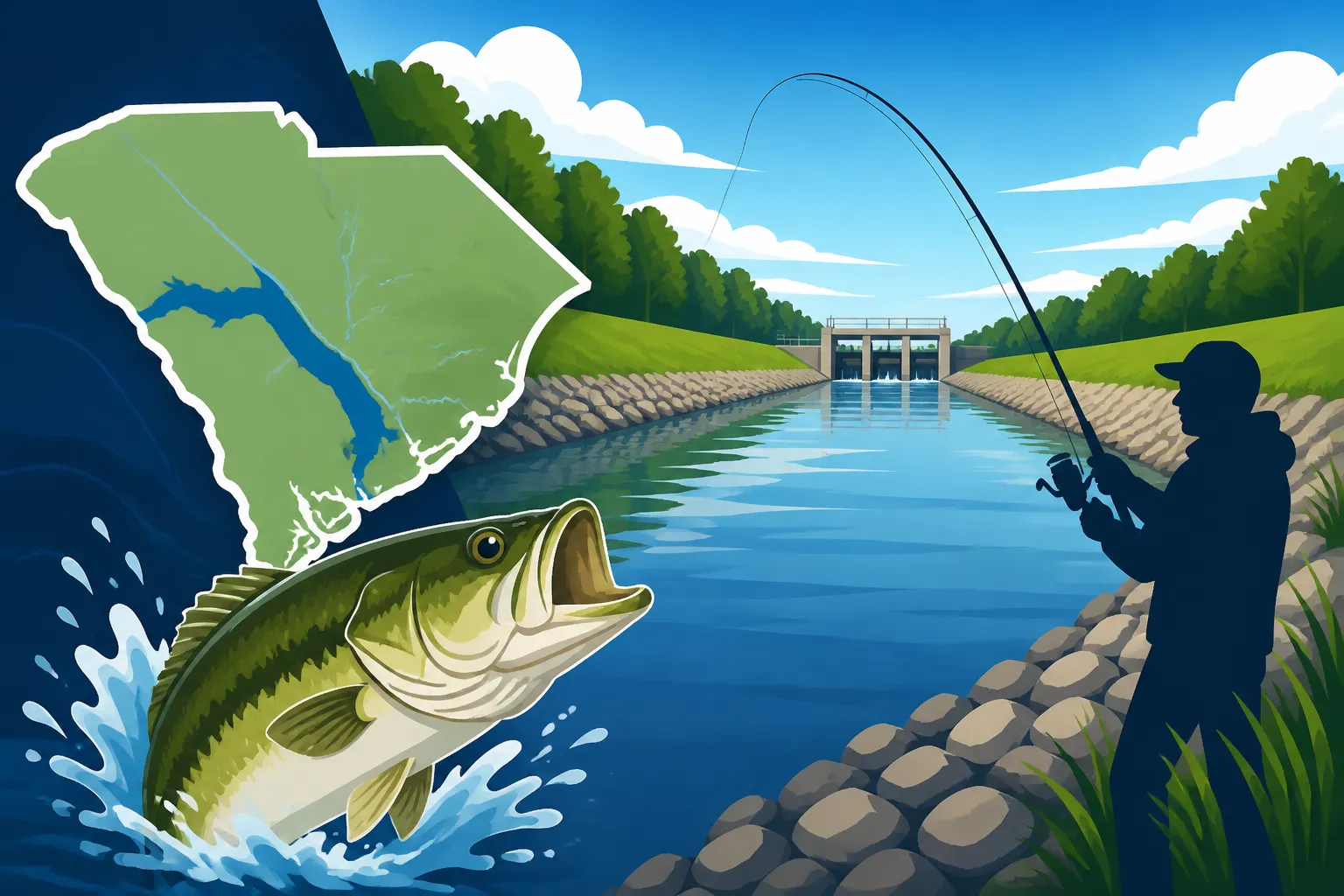
The Santee Cooper Diversion Canal isn't just a waterway; it's a critical artery that connects the two massive impoundments of the Santee Cooper Lakes system: Lake Marion and Lake Moultrie. This engineering marvel was created to facilitate power generation and allow for navigation between the two lakes, but for anglers, it's a dynamic and incredibly fertile fishing ground. Understanding its unique characteristics is the first step to unlocking its potential.
A Unique Waterway Connection
Stretching approximately 7.5 miles, the Diversion Canal is far from a stagnant ditch. It's a living, breathing river system that experiences significant water flow, dictated by the operations of the Santee Cooper hydroelectric project. This constant movement of water plays a huge role in fish behavior, concentrating baitfish and predators alike. Unlike a typical lake, the canal has distinct banks, varying depths, and often strong currents that create unique habitats. It's not uncommon to see the water levels fluctuate, particularly around the lock system, which can profoundly impact where fish decide to hold. This continuous current also keeps the water well-oxygenated, which is vital for fish health, especially during the warmer months when lake temperatures can soar.
Why the Canal is a Fishing Hotspot
So, what makes this canal such a magnet for fish? It comes down to a few key factors: current, structure, and bait. The moving water acts like a conveyor belt, carrying nutrients and baitfish, which in turn attracts larger predatory species. Think of it like a natural feeding lane. The canal features a mix of depths, from shallower edges to deeper channels, offering a variety of thermal and oxygenated refuges. Furthermore, the construction of the canal left behind plenty of submerged structure – old timber, rock formations, and ledges – that provide excellent ambush points for bass, crappie, and catfish. Because it connects Lake Marion and Lake Moultrie, the canal serves as a migratory route for many species, especially during seasonal changes or spawning periods. It’s truly a bottleneck of activity, making it one of the most consistent fishing spots in the entire Santee Cooper system, drawing anglers year-round seeking everything from trophy catfish to hard-fighting largemouth bass. If you're looking for productive waters within the broader Santee Cooper Lakes: South Carolina's Legendary Bass Fishery, the Diversion Canal is an absolute must-explore.
Key Fishing Spots Along the Diversion Canal
While the entire canal holds fish, certain areas consistently produce more action due to specific structural features or water flow dynamics. Knowing these prime locations can significantly increase your chances of a successful outing. Don't just cast anywhere; learn where the fish are most likely to congregate.
The Lock and Dam Area
At the southwestern end of the canal, where it connects to Lake Moultrie, lies the Pinopolis Lock and Dam. This area is arguably one of the most productive and dynamic fishing spots on the entire canal. The constant flow of water through the lock system creates turbulent currents, eddies, and nutrient-rich churn that baitfish absolutely love. Where there's bait, predators are never far behind. Anglers often find large schools of striped bass and catfish congregating directly below the spillways or near the lock gates, waiting to ambush anything that gets swept through. It's a powerful environment, so safety is paramount, especially if you're in a smaller boat. Fishing the slack water areas just outside the main current breaks can also be highly effective, as fish use these zones to rest and conserve energy while still being close to the feeding frenzy. Many local guides, some available through services like FishingBooker, specialize in navigating these complex currents and can show you exactly where and how to present your bait effectively.
Bridges and Road Crossings
Several bridges span the Diversion Canal, including the prominent US-176 bridge near Moncks Corner. These structures are more than just transit routes; they're artificial reefs that attract an incredible amount of aquatic life. The bridge pilings themselves provide vertical structure, offering shade and current breaks that fish absolutely love. From the smallest baitfish to trophy-sized catfish, these pilings act as natural gathering points. Furthermore, the riprap (rocky banks) that often accompanies bridge approaches provides additional habitat for crawfish and other invertebrates, further enticing predatory fish. Casting jigs, crankbaits, or live bait around these pilings, especially during periods of strong current, can be incredibly productive. Shore anglers can also find good access and casting opportunities from designated areas around these bridge crossings, making them accessible to those without a boat.
Deep Water Bends and Drop-Offs
The Diversion Canal, despite its relatively straight course, features several subtle bends and pronounced drop-offs that create essential fish habitat. These deeper sections often hold cooler, more stable water temperatures, making them prime refuges for fish, particularly during the hot South Carolina summers or cold winters. As the current navigates these bends, it carves out deeper holes on the outside turns and deposits debris and sediment on the inside, creating ledges and humps. Fish will stack up on these underwater contours, using them as highways or ambush points. Using your boat's sonar to identify these changes in depth and structure is crucial. Look for abrupt depth changes, submerged brush piles, or schooling baitfish in these areas. Drifting live bait or slow-trolling deep-diving crankbaits along these bends and drop-offs can be particularly effective for targeting large catfish and stripers. These spots are often less pressured than the lock area but can yield equally impressive catches for those willing to explore.
Targeting Specific Species in the Canal
The Santee Cooper Diversion Canal is a diverse fishery, teeming with various popular game fish. While you might stumble upon a surprising catch, most anglers come here with a specific target in mind. Knowing the preferred habitats and feeding behaviors of each species will help you tailor your approach for maximum success.
Largemouth Bass Strategies
Largemouth bass in the Diversion Canal are often found relating to structure and current breaks. They aren't usually in the heaviest current but will position themselves in eddies, behind submerged timber, or along riprap edges where they can ambush passing baitfish without expending too much energy. During the warmer months, targeting shaded areas created by overhanging trees or bridge pilings can be highly effective. During the spring, as bass move into shallower areas for the spawn, the canal's shallower banks and lily pad fields can become prime territory. For lure choices, consider soft plastics like Texas-rigged worms or Senkos pitched into cover. Crankbaits and spinnerbaits are excellent for covering water along channel edges and current breaks. For those targeting trophy bass in this system, remember that the Santee Cooper lakes are known for their giants, and fishing Lake Marion Bass Fishing Spots in South Carolina can offer similar thrills to the canal. Always pay attention to the flow; a slight decrease in current can sometimes trigger a more aggressive bite.
Crappie and Panfish Tactics
Crappie and other panfish like bluegill and shellcrackers are abundant in the Diversion Canal, offering fantastic light-tackle opportunities. These species tend to gravitate towards submerged cover and brush piles, especially in deeper, calmer sections of the canal. The areas around bridge pilings, fallen trees, and even boat docks can be crappie havens. Vertical jigging with small jigs (1/16 to 1/8 ounce) tipped with minnows or crappie nibblers is a deadly technique. Slow trolling multiple poles with jigs or minnows at different depths is also very effective for locating schools. For bluegill and shellcrackers, look for shallower, sun-warmed areas with vegetation, especially in the spring and early summer. A simple bobber rig with a live worm or crickets is often all it takes to fill a cooler with these tasty panfish. The Diversion Canal truly offers some of the Best Crappie Spots on the Santee Cooper Lakes, providing consistent action for anglers of all skill levels.
Catfish Havens
If you're after trophy catfish – flatheads, blues, or channel cats – the Santee Cooper Diversion Canal is a renowned destination. These powerful bottom dwellers thrive in the canal's rich environment, with its abundant forage and diverse depths. Catfish often hold in the deepest parts of the canal, particularly in the bends and scour holes created by the current. The lock and dam area is a particularly famous spot for large blue catfish, which are drawn to the churning water and easy meals. Bottom fishing with fresh cut bait (like shad, mullet, or herring), chicken livers, or commercial stink baits is the most popular and effective method. Heavy tackle is essential, as these fish can grow to immense sizes. Consider using a fish-finder rig with a heavy sinker to keep your bait on the bottom in the strong current. Night fishing for catfish can be especially productive, as these nocturnal feeders become more active. Many anglers also utilize trotlines or jug fishing techniques in the canal's slower-moving sections, particularly for those seeking larger quantities. For a comprehensive guide on where to find these giants, check out Catfish Fishing Spots on Lake Moultrie which details similar strategies for the connecting lake.
Essential Tips for Fishing the Diversion Canal
Fishing the Santee Cooper Diversion Canal isn't just about knowing where to cast; it's also about understanding the unique conditions and preparing properly. From managing strong currents to knowing the best times to visit, these tips can make your trip safer and more successful.
Navigating the Currents
The most distinctive feature of the Diversion Canal is its strong and often unpredictable current. This current is directly influenced by the operations of the Santee Cooper power plants, meaning it can change in strength and direction throughout the day. For boaters, this means exercising extreme caution. Always wear your life jacket, especially near the lock and dam where currents are strongest. Understanding how to position your boat to mitigate the current, whether by anchoring upstream or using your trolling motor, is crucial for effective fishing. For shore anglers, strong currents can make presentation challenging, often requiring heavier weights to keep your bait down. Pay attention to the water flow before you cast; fish will almost always face upstream, waiting for food to be carried to them. A good rule of thumb is to cast upstream and let your bait drift naturally downstream through prime holding areas. Always check local forecasts and water release schedules from Santee Cooper for the most up-to-date information on current conditions.
Best Times to Fish
Like any fishery, the Diversion Canal has its peak seasons and times of day. While you can catch fish year-round, certain periods offer better opportunities. Spring and fall are often considered prime times for bass and crappie, as water temperatures are mild, and fish are actively feeding in preparation for spawning or winter. Early morning and late evening, particularly during the warmer summer months, tend to be most productive when the sun is less intense, and fish move into shallower waters to feed. Catfish, however, often bite well throughout the day and into the night, especially in the deeper sections of the canal. Winter fishing can also be surprisingly good for larger stripers and catfish, as they congregate in deeper, more stable water. For a broader overview of seasonal changes, consulting a South Carolina Fishing Seasons Guide or specifically looking into Santee Cooper Bass Fishing Seasons in South Carolina can provide excellent insights. Keep an eye on local fishing reports, too, as conditions can vary year to year.
Table: Seasonal Fishing Guide for Santee Cooper Diversion Canal
| Species | Spring (Mar-May) | Summer (Jun-Aug) | Fall (Sep-Nov) | Winter (Dec-Feb) |
|---|---|---|---|---|
| Largemouth Bass | Excellent (Pre/Post-spawn, shallow cover) | Good (Early/late day, deep structure, shade) | Excellent (Active feeding, schooling) | Fair (Slow, deep, current breaks) |
| Crappie | Excellent (Shallow cover, brush piles) | Good (Deeper brush, early/late day) | Excellent (Schooling, deep holes) | Good (Deep, stable water) |
| Catfish | Very Good (Active feeding) | Excellent (Deep channels, night fishing) | Excellent (Active feeding, prepare for cold) | Very Good (Deeper holes, cut bait) |
| Striped Bass | Good (Upstream migration, current breaks) | Very Good (Deep, current-influenced areas) | Excellent (Active schooling, topwater) | Good (Deeper, stable water) |
Access Points and Facilities
The Santee Cooper Diversion Canal offers several convenient access points for both boaters and shore anglers. The primary boating access is often found near the lock and dam area, with public boat ramps that can handle a variety of vessel sizes. For instance, the public boat landing near the Pinopolis Lock provides ample parking and easy access to the lower end of the canal and Lake Moultrie. On the Lake Marion side, access points related to Lake Marion Fishing Spots and Access Points can be used to reach the upper end of the canal. Shoreline access is available at several bridge crossings, often with designated parking areas or small pull-offs. However, always be mindful of private property and posted signs. Before heading out, it's wise to check with the South Carolina Department of Natural Resources (SCDNR) website or local tackle shops for the most current information on ramp conditions, public access, and any potential closures. Don't forget, a valid South Carolina Fishing License Guide is a must for anyone over 16, whether fishing from a boat or the bank.
Disclaimer
Fishing inherently carries risks, including but not limited to adverse weather conditions, boating hazards, and interactions with wildlife. Always prioritize safety, wear appropriate personal flotation devices, and be aware of your surroundings. Regulations regarding fishing licenses, bag limits, and size restrictions are subject to change; always consult the latest rules and regulations from the South Carolina Department of Natural Resources (SCDNR) before fishing. The information provided in this guide is for informational purposes only and should not be considered a substitute for professional advice or local expertise.