Charleston Harbor Fishing Spots for South Carolina Anglers
The sheer size and intricate network of creeks, marshes, and open water in Charleston Harbor can be incredibly daunting for any angler, especially if you’re not a local. It’s easy to feel lost amidst the vastness, wondering where the fish are hiding and what techniques will actually work. This comprehensive guide is here to unravel those complexities, providing you with the inside scoop on the best Charleston Harbor fishing spots, the species you'll encounter, and the strategies to make your next trip a resounding success.
Why Charleston Harbor is a Premier Fishing Destination
Charleston Harbor isn't just a pretty face with historic charm; it's a vibrant, thriving ecosystem that makes it one of the best fishing destinations in the Southeast. Its unique blend of freshwater inflow and saltwater tides creates a dynamic environment perfect for a diverse array of fish species. If you've ever cast a line here, you know the potential for a truly memorable day is always high.
The Unique Estuary System and Its Inhabitants
The heart of Charleston Harbor's allure lies in its sprawling estuary system. Here, the freshwaters from rivers like the Ashley and Cooper mingle with the salty Atlantic, creating a nutrient-rich brackish soup. This dynamic mixing zone supports an incredible food chain, from microscopic organisms to large predatory fish. Think of it as a massive, natural buffet for everything that swims.
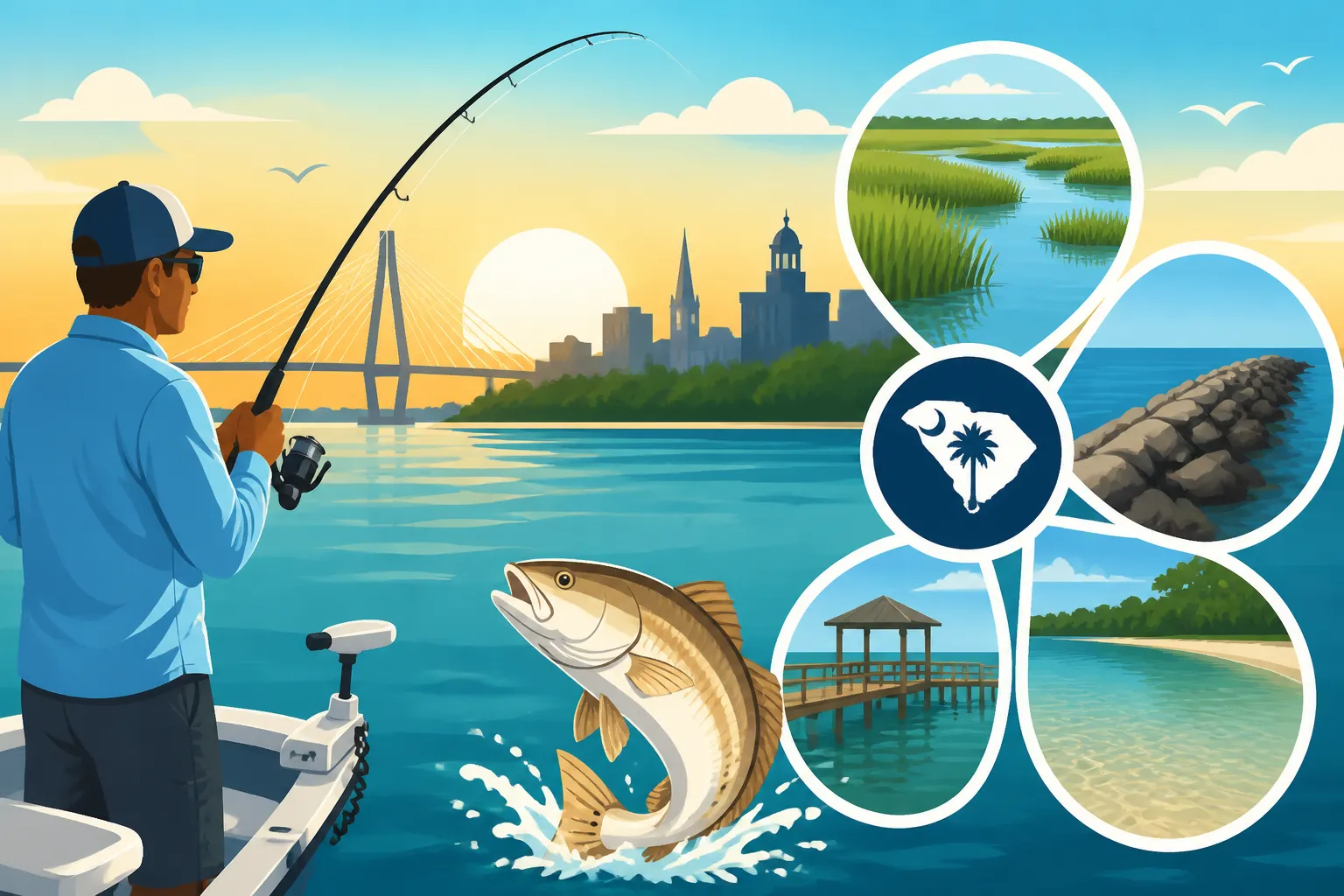
This diverse habitat includes vast marsh grass flats, intricate oyster beds, deep shipping channels, submerged wrecks, and countless dock pilings. Each of these micro-habitats offers shelter, feeding grounds, and spawning areas for different species throughout the year. It's this complexity that keeps anglers coming back, knowing there's always a new nook or cranny to explore and a different challenge to tackle. The variety of cover means fish always have a place to hide, making it crucial for anglers to understand these different zones.
Accessibility and Year-Round Angling Opportunities
One of the biggest advantages of fishing Charleston Harbor is its accessibility. You don't need a huge offshore boat to get into prime fishing territory. Many of the best spots are reachable by kayak, paddleboard, small skiff, or even from shore. Public boat ramps are plentiful, especially around areas like Mount Pleasant and West Ashley, making it easy to launch your vessel and get straight into the action. Even if you're visiting and don't have your own boat, countless local fishing charters operate daily, ready to show you the ropes and put you on the fish. You can easily find and book these experienced guides through platforms like FishingBooker, ensuring you have a hassle-free experience.
Beyond accessibility, Charleston Harbor offers fantastic fishing opportunities virtually year-round. While specific target species and techniques might shift with the seasons, there’s rarely a "bad" time to wet a line. Mild winters mean resident fish like redfish and spotted seatrout remain active, often congregating in deeper holes or sun-warmed shallows. Spring brings explosive feeding as water temperatures rise, and summer and fall offer a bounty of migratory species alongside the regulars. This consistent action means you can plan a trip almost any time and expect to find something biting.
Top Inshore Fishing Hotspots Within Charleston Harbor
Charleston Harbor is massive, and simply saying "fish the harbor" isn't going to cut it. To truly maximize your chances, you need to know the specific areas that consistently hold fish. These aren't secret spots, but rather well-known productive zones that every local angler understands. Learning these areas is key to unlocking the harbor's full potential.
Targeting Redfish in the Marsh Creeks and Oyster Beds
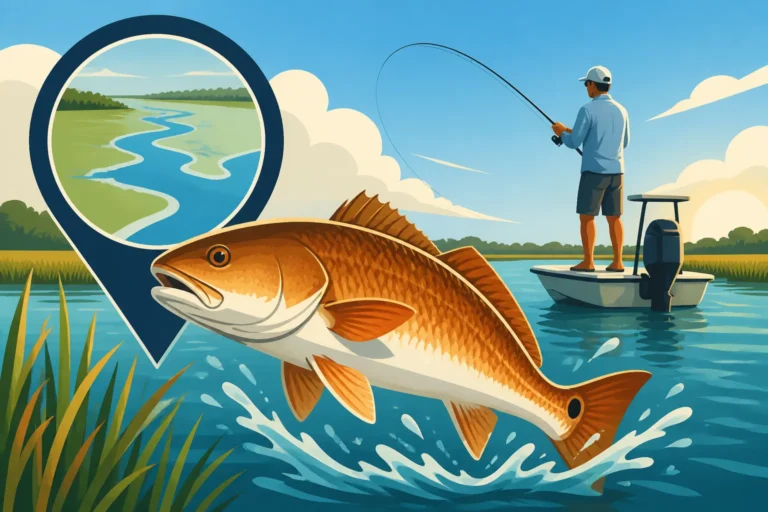
If there's one fish that defines inshore angling in Charleston Harbor, it's the redfish, or red drum. These powerful, copper-colored fighters are abundant here, especially in the vast network of marsh creeks that feed into the main harbor. Areas like the creeks off Shem Creek in Mount Pleasant, the expansive flats near Folly Beach, and the intricate maze around the Isle of Palms are absolute goldmines. Redfish love to cruise these shallow, grassy areas, particularly during an incoming tide, searching for shrimp, crabs, and small baitfish.
When targeting redfish in these zones, focus on points, oyster rakes, and the mouths of smaller feeder creeks. These are ambush points where redfish will wait for bait to be swept by the current. On low tide, look for deeper pockets or potholes where they might be staging. A classic technique is to cast Gulp! Shrimp or live shrimp on a jig head into these areas, allowing it to bounce along the bottom. For a detailed look at the rules, make sure you understand the current South Carolina Redfish Slot Limit Rules, which are crucial for responsible angling. Many anglers also find success using a popping cork to present live or artificial baits just above the grass.
Finding Spotted Seatrout in Grassy Flats and Deeper Channels
Spotted seatrout, often affectionately called "specks" by locals, are another cornerstone of Charleston Harbor's inshore fishery. These beautiful fish, with their distinctive spots, thrive in many of the same areas as redfish but often prefer slightly different conditions or depths. You'll find them schooling over submerged grass beds and along the edges of deeper channels where they can ambush passing baitfish. Key areas include the expansive grass flats north of Sullivan's Island and the deeper holes found throughout the Cooper River tributaries.
For spotted seatrout, a lighter touch is often best. They have delicate mouths, so a smooth drag and gentle hookset are important. Live shrimp under a popping cork is incredibly effective, especially in spring and fall. Soft plastic jerkbaits or paddletail grubs, retrieved slowly or with a twitch-pause action, can also be deadly. Pay close attention to current seams and areas where baitfish are congregating. These predators will often stack up in these zones, waiting for an easy meal. Always be aware of the Spotted Seatrout Size and Bag Limits in South Carolina to ensure you're fishing legally and sustainably.
Sheepshead Havens Around Structures and Docks
If you enjoy a challenging fight and some of the best-tasting fish in the harbor, then sheepshead should be on your target list. These striped "convict fish" are notorious bait stealers, but once you hook into one, you're in for a serious battle. Sheepshead are structure-oriented fish, meaning they'll almost always be found around pilings, docks, bridge supports, and oyster-covered rocks. Essentially, any hard structure where barnacles and crabs can thrive is a potential sheepshead haven.
Some of the best Sheepshead Fishing Spots in Charleston Harbor include the pilings of the Ravenel Bridge, the myriad docks along Shem Creek, and the rocky jetties that protect the harbor entrance. The key to catching sheepshead is patience and precision. They have a small mouth with human-like teeth, designed for crushing crustaceans. Small, sharp hooks (like a #1 or #2 kahle hook) baited with fiddler crabs, sand fleas, or small pieces of shrimp are essential. Drop your bait right against the structure and be ready for a subtle tap, which is often all the bite you'll get before they strip your hook clean. It’s a game of feel, and it's incredibly rewarding when you master it.
Navigating Charleston Harbor: Access Points and Strategies
Getting onto the water in Charleston Harbor is relatively easy, but knowing where to launch and how to fish effectively from different access points can make all the difference. Whether you're a seasoned boat owner or a land-based angler, there are plenty of options available.
Public Boat Ramps and Marinas for Easy Launch
For those with their own boats, Charleston Harbor boasts numerous well-maintained public boat ramps and full-service marinas. These facilities offer convenience and direct access to various parts of the harbor, cutting down on travel time to your preferred fishing grounds.
One of the most popular and centrally located is the Cooper River Boat Launch, often referred to as the "Charleston County Wappoo Cut Boat Landing" or just "Wappoo Cut." It offers multiple ramps, ample parking, and immediate access to the Wappoo Cut which connects directly to the Stono River and Charleston Harbor. This spot is a favorite for anglers heading out for both inshore and nearshore adventures. Another excellent option is the Mount Pleasant Boat Landing on Shem Creek, providing access to the fantastic marsh system of Shem Creek and the Intracoastal Waterway, leading directly to the harbor. Further south, the Folly Beach Boat Landing offers quick access to the Folly River and the productive inlets around Folly Beach. When planning your trip, consider your target species and desired fishing grounds to select the most convenient launch point. Many of these ramps can get busy, especially on weekends, so arriving early is often a smart move.
Pier and Bank Fishing Opportunities for Land-Based Anglers
Not everyone has a boat, and that's perfectly fine! Charleston Harbor offers some fantastic opportunities for pier and bank fishing, allowing you to enjoy the sport without the need for a vessel. These spots are often bustling with activity and can be surprisingly productive.
The Folly Beach Pier is arguably the most famous and accessible spot for land-based anglers in the Charleston area. Stretching over 1,000 feet into the ocean, it provides access to deeper waters and often sees catches of king mackerel, Spanish mackerel, flounder, and various bottom fish. It has bait shops, restrooms, and a fishing license is typically covered by the pier fee. Another excellent option is the Mount Pleasant Pier, located under the Ravenel Bridge. This pier extends into Charleston Harbor, offering incredible views and opportunities to catch redfish, spotted seatrout, flounder, and even sheepshead around its pilings. For those looking for more tranquil bank fishing, various spots along the West Ashley Greenway or the waterfront parks offer limited but sometimes productive access. Just remember to check for local regulations and signage, as some areas may be restricted or require a separate fishing license.
Charleston Harbor Target Species & Best Baits
| Species | Preferred Habitat | Best Live Bait | Best Artificial Lures | Key Characteristics for Anglers |
|---|---|---|---|---|
| Redfish | Marsh creeks, oyster beds, shallow grass flats | Live shrimp, mud minnows, fiddler crabs | Gold spoons, Gulp! Shrimp, paddletail grubs | Powerful fight, strong runs, found in shallow water. |
| Spotted Seatrout | Grass flats, deeper channels, creek mouths | Live shrimp, finger mullet | Soft plastic jerkbaits, paddletail grubs, popping corks | Delicate bite, good fighters, excellent table fare. |
| Sheepshead | Around pilings, docks, jetties, oyster beds, bridge supports | Fiddler crabs, sand fleas, small shrimp | Small jigs (rarely artificial) | Masterful bait thieves, subtle bite, hard fighting. |
| Flounder | Sandy bottoms, creek mouths, near structures | Live mud minnows, mullet, shrimp | Soft plastic grubs, bucktail jigs | Flatfish, ambush predators, often found near bottom transitions. |
| Black Drum | Deeper channels, oyster beds, muddy bottoms | Blue crabs, clam, shrimp | Heavy jigs with shrimp (rarely artificial) | Similar to redfish but larger, often found in deeper areas. |
Essential Gear and Techniques for Charleston Harbor Success
Having the right gear and knowing the most effective techniques are paramount to a successful fishing trip in Charleston Harbor. While you don't need the most expensive equipment, having reliable tackle suited to the conditions and species will significantly improve your experience.
Recommended Rods, Reels, and Line for Inshore Species
For the majority of inshore fishing in Charleston Harbor, you'll want a versatile setup that can handle everything from a feisty redfish to a delicate-biting trout. A medium-light to medium power spinning rod, typically 6'6" to 7'6" in length, is a great all-around choice. This length provides good casting distance in open areas but is still manageable in tighter creek systems. A rod with a fast action tip will allow you to feel those subtle bites and quickly set the hook.
Pair your rod with a reliable spinning reel in the 2500 to 3000 size range. This size offers a good balance of line capacity, retrieve speed, and cranking power for inshore species. For line, 10 to 15 lb braided line is highly recommended. Braid offers superior sensitivity, incredible strength for its diameter, and excellent casting distance. The low stretch of braid is a huge advantage when feeling light bites or pulling fish away from oyster shells. Always tie on a 20 to 30 lb fluorocarbon leader (about 18-24 inches long) with a strong knot like an FG knot or a Double Uni knot. The fluorocarbon leader is less visible to fish and provides abrasion resistance against oyster shells and sharp teeth. This setup is perfect for the diverse range of species you'll encounter, from the powerful pull of a redfish to the nuanced bite of a flounder.
Best Baits and Lures for Local Game Fish
The bait and lure choices in Charleston Harbor are as varied as the fish themselves, but a few stand out as consistent producers. Knowing what to throw and when can significantly increase your catch rates.
Live bait is often king, especially for species like redfish, spotted seatrout, and sheepshead. Live shrimp are a universal favorite and can be fished under a popping cork, on a jig head, or free-lined. They are a go-to choice for almost any inshore species. Mud minnows and finger mullet are also excellent live bait options, particularly for larger redfish and flounder. These can be fished on a Carolina rig near the bottom or free-lined in current. For sheepshead, fiddler crabs are the absolute best choice, but small pieces of cut shrimp can work in a pinch. You can often purchase these live baits at local tackle shops around Charleston, Mount Pleasant, and Folly Beach.
When it comes to artificial lures, soft plastics are incredibly versatile. Paddletail grubs like those from Z-Man or Gulp! Shrimp patterns are irresistible to redfish and spotted seatrout. Rig them on a 1/8 to 1/4 ounce jig head and work them with a slow retrieve and occasional twitch. Gold spoons are another classic for redfish, especially when they're actively feeding in shallow water. For topwater action, particularly in low light conditions, walk-the-dog style lures can produce explosive strikes from both redfish and trout. Experimentation is key, but starting with these proven options will give you a solid foundation for success. For more specific advice on artificials for a particular target, check out resources like the guide on the Best Redfish Spots in Charleston Harbor, South Carolina.
Understanding Tides and Regulations in Charleston Harbor
Fishing in Charleston Harbor is inextricably linked to the tides. Ignoring them is like trying to drive a car without knowing where the accelerator is – you might move, but you won't get anywhere fast or efficiently. Moreover, adhering to local regulations is not just about avoiding fines; it's about preserving this incredible fishery for generations to come.
The Impact of Tidal Flow on Fish Behavior
Tides are the lifeblood of Charleston Harbor, dictating water levels, currents, and fish feeding patterns. Understanding the tidal cycle is arguably the single most important factor for consistent success in these waters. Generally, an incoming (rising) tide brings cleaner, cooler water from the ocean into the creeks and flats, often stirring up bait and making fish more active. As the tide floods into the marshes, redfish will often follow the water, pushing deep into the grass to forage for crabs and shrimp.
Conversely, an outgoing (falling) tide concentrates baitfish and shrimp into feeder creeks and along channel edges as the water drains out of the marsh. This is a prime time for ambush predators like redfish and spotted seatrout to stake out strategic positions. They'll often sit at the mouths of these creeks, waiting for the current to deliver an easy meal. Slack tide, both high and low, can sometimes be slower as the current dissipates, but it can also be a good time to target deeper holes or structures where fish might be staging. Learning to read the tides and adjust your approach accordingly is a hallmark of a truly skilled inshore angler in South Carolina. Resources like a guide to Tide-Based Techniques for Inshore Fishing can further help you master this critical aspect.
Key South Carolina Fishing Regulations to Know
Staying informed about current South Carolina fishing regulations is not just a recommendation; it's a legal requirement. Regulations can change, so always check the latest rules from the South Carolina Department of Natural Resources (SCDNR) before you head out. Ignorance of the law is not a valid excuse, and penalties for violations can be steep, as detailed in articles like Penalties for Fishing Without a License in South Carolina.
A fundamental requirement is having a valid fishing license. For saltwater fishing in Charleston Harbor, all anglers 16 years of age and older need a South Carolina saltwater fishing license. There are different options, including annual and 14-day licenses, for both residents and non-residents. Beyond the license, pay close attention to species-specific regulations. These include minimum and maximum size limits (slot limits), daily bag limits, and sometimes even vessel limits. For instance, the South Carolina Redfish Slot Limit Rules specify that redfish must be between 18 and 25 inches in length to be kept, with a daily bag limit of two per person and a maximum of four per boat. Similarly, the Spotted Seatrout Size and Bag Limits in South Carolina define a 14-inch minimum size and a 10-fish daily bag limit. Flounder also have specific rules, including a season closure and size limits. It's your responsibility to know these rules to ensure sustainable fishing practices.
Planning Your Charleston Harbor Fishing Adventure
A well-planned fishing trip to Charleston Harbor can greatly enhance your enjoyment and success. Whether you're a seasoned pro or a first-time visitor, considering a few key aspects will help you make the most of your time on the water.
Hiring a Local Fishing Charter or Guide
For many, especially visitors or those new to the area, hiring a local fishing charter or guide is the best way to experience Charleston Harbor's incredible fishery. These professionals spend hundreds of days a year on the water and possess invaluable local knowledge that takes years to acquire. They know where the fish are, what they're biting on, and how to navigate the complex creek systems safely. A good guide will provide all the necessary gear, bait, and often even cover your fishing license requirements for the day.
When considering a charter, think about what you want to target (e.g., redfish, trout, sharks), your group size, and your budget. Half-day trips (4-5 hours) are popular for inshore fishing, while full-day trips (7-8 hours) offer more time to explore and target a wider variety of species. Platforms like FishingBooker make it incredibly easy to compare different guides, read reviews, and book your trip with confidence. Many excellent local captains, like Captain Christiaan of Fish Charleston Charters or Captain Kevin of Charleston Inshore Charters, offer trips tailored to all skill levels, from complete beginners to experienced anglers seeking trophy fish. They'll teach you the techniques and ensure you have a memorable and productive day on the water. For more information on what to expect financially, check out resources on Charleston Inshore Fishing Charter Cost.
Seasonal Considerations for Peak Fishing
While Charleston Harbor offers year-round fishing, understanding the seasonal patterns can significantly improve your chances of targeting specific species at their peak. Each season brings different opportunities and challenges, influencing fish behavior and location. A comprehensive South Carolina Fishing Seasons Guide is invaluable for planning.
- Spring (March – May): This is often considered one of the best times to fish the harbor. Water temperatures rise, and fish become highly active. Redfish move onto the flats, spotted seatrout are abundant, and flounder become more active as they transition from offshore. Baitfish start to appear in large schools, and migratory species begin to arrive.
- Summer (June – August): The heat can make mid-day fishing challenging, but early mornings, late evenings, and night fishing can be incredibly productive. Redfish remain strong, often retreating to deeper water or shaded areas during the hottest parts of the day. Tarpon can be found in the harbor and surrounding waters, offering a true trophy challenge. Sharks are also plentiful.
- Fall (September – November): Another prime season! As water temperatures cool, fish feed aggressively in preparation for winter. The "bull redfish" run often occurs near the harbor jetties and offshore, while slot-sized reds are plentiful in the creeks. Spotted seatrout fishing can be phenomenal, with large schools congregating in predictable areas. Flounder fishing is also excellent.
- Winter (December – February): Don't discount winter! While some species move out, resident redfish and spotted seatrout remain. They often school up in deeper holes, protected creeks, or dark-bottomed areas that warm quickly in the sun. This can lead to incredible "gator trout" catches and large schools of redfish. It's a great time for sight-fishing on clear, calm days. Booking a charter through FishingBooker during these shoulder seasons can often lead to less crowded waters and excellent fishing.
By understanding these seasonal shifts, you can tailor your trip to target your desired species when they are most active and accessible, ensuring a more rewarding experience in the stunning waters of Charleston Harbor.
Disclaimer
Fishing regulations, species populations, and local conditions in South Carolina can change. Always consult the latest South Carolina Department of Natural Resources (SCDNR) guidelines before fishing. This guide provides general information and should not be considered a substitute for official regulations.