South Carolina’s Best Striped Bass Waters
Trying to pin down the best places to chase those magnificent striped bass in South Carolina can feel like a never-ending quest, especially with so many incredible waters to explore. It's easy to get overwhelmed by all the options, from vast inland lakes to tidal rivers. This comprehensive guide is here to cut through the noise, breaking down exactly where you need to go and what you need to know to find the most productive striped bass waters in the Palmetto State, ensuring your next fishing trip is a memorable one.
Understanding South Carolina's Striped Bass Fishery
South Carolina holds a special place in the hearts of striped bass anglers, and for good reason. Our waters are home to a thriving population of these powerful, hard-fighting fish, making them a top target for recreational and trophy anglers alike. But it's not just about their fight; understanding their habits and habitats is key to consistent success.
Why Striped Bass are so Popular Here
Striped bass, often simply called "stripers," are iconic in South Carolina, and it's not hard to see why they're so beloved. They are a genuinely thrilling fish to catch, renowned for their incredible strength and stubborn refusal to give up once hooked. Imagine battling a powerful fish that makes long, drag-screaming runs, leaving your arms burning and your heart pounding – that's a typical striper encounter here. We have both landlocked populations in our major reservoirs and anadromous populations that migrate from the ocean into our coastal rivers, offering diverse fishing opportunities. These fish grow to impressive sizes, with trophy-class stripers in the 30-50 pound range being a real possibility in some of our larger lakes, making every cast feel like it could connect you to the fish of a lifetime. The sheer accessibility, combined with the challenge and reward, firmly cements their status as a premier sportfish. In fact, the striped bass is so important to us that it's recognized as the official state fish, a testament to its cultural and recreational significance.
Key Characteristics and Behavior of Striped Bass in South Carolina
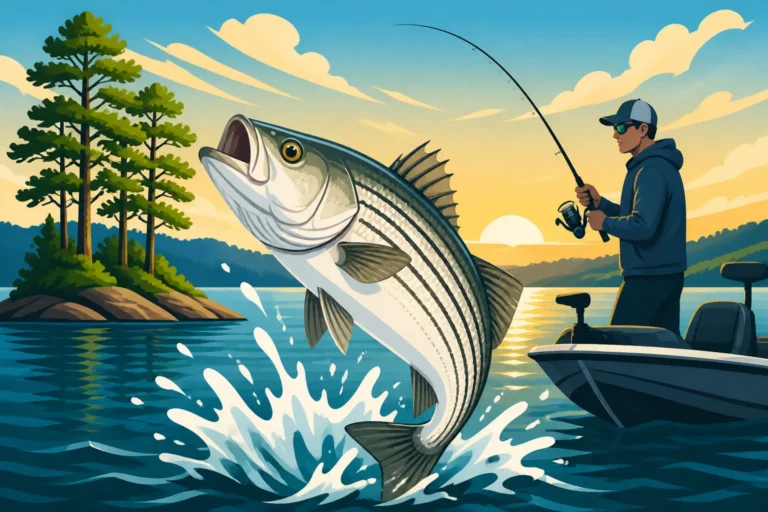
Striped bass are fascinating creatures, and understanding their typical characteristics and behavior patterns in South Carolina waters can dramatically improve your chances of finding them. These fish are generally elongated with seven or eight prominent dark stripes running horizontally along their silver bodies, making them quite distinctive. They are opportunistic predators, constantly on the hunt for baitfish like shad, herring, and smaller panfish. Their behavior is heavily influenced by water temperature, oxygen levels, and the availability of their preferred forage. In our large reservoirs, especially during the warmer months, stripers tend to move to deeper, cooler, more oxygenated waters, often suspending over ledges, humps, and submerged timber. As temperatures cool in the fall and winter, they become more active throughout the water column and can often be found chasing bait in shallower areas. On the other hand, the anadromous populations in our coastal rivers exhibit strong migratory patterns, moving upriver from the ocean to spawn in the spring before returning to brackish or saltwater estuaries. Knowing these patterns, such as when and where they migrate, is crucial for targeting them successfully.
Lake Murray: The Striped Bass Capital
When you talk about striped bass in South Carolina, Lake Murray almost always comes up first. This massive 50,000-acre reservoir, nestled just west of Columbia, is widely regarded as the state's premier striped bass fishery, producing both immense numbers of fish and true giants. The sheer volume of stripers here is staggering, making it a bucket-list destination for many anglers.
Overview of Lake Murray's Importance for Stripers
Lake Murray isn't just a lake; it's a striper factory, a true powerhouse for these incredible fish. It’s got everything they need: vast expanses of deep, cool water, abundant baitfish populations like blueback herring and gizzard shad, and plenty of underwater structure for them to ambush prey. The South Carolina Department of Natural Resources (SCDNR) actively manages the fishery here, stocking hundreds of thousands of fingerlings annually to maintain its robust population. This consistent stocking, combined with excellent habitat, means that Lake Murray consistently produces not only a high number of catchable fish but also some truly massive trophy stripers that can push the scales. Anglers from all over the country flock to Lake Murray specifically for the chance to hook into one of its legendary beasts. The lake's reputation precedes it, often being the first place seasoned anglers recommend for anyone serious about catching big striped bass in South Carolina.
Specific Hot Spots and Strategies on Lake Murray
Lake Murray is huge, so knowing where to start can be daunting. But a few key areas consistently produce fantastic striper action. One of the most famous areas is around Dreher Island State Park. The submerged humps and ledges in the vicinity of Dreher Island are classic holding patterns for stripers, especially during the warmer months. These fish will often suspend over these structures, waiting to ambush schools of baitfish. Trolling with downriggers or planer boards, using live herring or large artificial lures like bucktail jigs or deep-diving crankbaits, can be incredibly effective here.
Another prime area is the Saluda River arm of the lake. This section tends to be deeper and offers more consistent cooler water temperatures, which stripers absolutely love, especially as the summer heat sets in. The deep channels and points along this arm are ideal for drifting live bait or vertical jigging. You’ll often find large schools of stripers relating to the thermocline (the layer where water temperature changes rapidly with depth), so having good electronics to mark both fish and bait is a game-changer. For those who enjoy the thrill of the chase, look for active bird play or surface boils, which indicate stripers pushing bait to the surface – a prime opportunity for casting topwater lures or soft plastics. It takes a bit of local knowledge to really dial in the patterns, but focusing on these well-known areas can give you a significant head start. For more specific insights, you might find guides focused on Lake Murray Summer Striped Bass Techniques in South Carolina especially helpful.
Santee Cooper Lakes: A Legacy Fishery
Just south of Lake Murray, the Santee Cooper Lakes system – comprised of Lake Marion and Lake Moultrie – offers another phenomenal, albeit different, striped bass experience. These two massive lakes, connected by a diversion canal, represent one of the most significant freshwater fisheries in the Southeast, and their striper population is a major draw.
Focus on Lake Marion and Lake Moultrie for Stripers
Lake Marion, the largest lake in South Carolina, and its smaller but equally productive sister, Lake Moultrie, form the legendary Santee Cooper system. These lakes are distinct from Murray in their character, featuring vast stump fields, cypress trees, and shallower, often darker, waters. While Lake Murray is famous for its landlocked stripers that never see saltwater, the Santee Cooper lakes are known for a unique strain of true anadromous striped bass that have adapted to a completely freshwater existence, though their lineage still carries the ocean-going instinct. Both lakes hold impressive numbers of stripers, with Lake Moultrie often touted for producing larger fish due to its deeper areas and strong current flow from the diversion canal. Anglers here often find success by targeting ledges, creek channels, and submerged timber, where stripers can ambush the abundant baitfish, particularly threadfin and gizzard shad. The sheer size and diverse habitat mean there are always new areas to explore and patterns to unlock.
Seasonal Patterns and Techniques on Santee Cooper
Fishing for striped bass on the Santee Cooper lakes is very much a seasonal affair, with tactics shifting significantly throughout the year. In the spring, as water temperatures begin to rise, stripers become highly active and can be found chasing bait in shallower areas, often near spawning grounds. This is a fantastic time for casting swimbaits, jerkbaits, and even topwater lures early in the morning or late in the evening. As summer heats up, just like on Lake Murray, the stripers will move to deeper, cooler water, often concentrating in the lower end of Lake Moultrie or in the main river channels of Lake Marion. Trolling with downriggers, using live herring or shad, is a highly effective method during these warm months, allowing you to present baits at precise depths.
Come fall, as the water cools, the stripers really turn on again, becoming much more aggressive and spreading out across the lakes. This is when you'll see explosive surface activity, with birds diving and stripers corralling schools of bait. Casting jigs, spoons, or topwater lures into these feeding frenzies can be incredibly exciting. Winter fishing can also be productive, with stripers schooling tightly in deep pockets and bends in the old river channels. Vertical jigging or slow-trolling live bait become primary tactics during the colder months. Regardless of the season, electronics are your best friend here, helping you locate schools of bait and the stripers lurking beneath them.
Lake Hartwell: Upstate Striper Opportunities
Moving further north and west, straddling the border with Georgia, you'll find Lake Hartwell, another fantastic South Carolina striper destination. While perhaps not as universally famous for striped bass as Lake Murray, Hartwell still offers exceptional opportunities, particularly for anglers in the Upstate region. It’s a vast, clear-water lake known for its deep coves and rocky points, presenting a different challenge and reward.
The Tugaloo River Arm and Other Productive Areas
Lake Hartwell is characterized by its deep, clear waters and extensive shoreline with numerous coves and fingers, making it a picturesque place to fish. For striped bass anglers, the Tugaloo River arm is often considered the most productive section of the lake. This arm, along with the Seneca River arm, feeds the main body of Hartwell and provides consistent current flow and deeper channels that stripers favor. Look for areas where these river channels intersect with large creek channels or where submerged timber fields create ambush points for baitfish. The main lake points and humps, especially those with good depth changes, are also critical areas to target. Like other reservoirs, stripers here follow schools of blueback herring and gizzard shad, so finding the bait is often the first step to finding the fish. Local guides often focus their efforts around areas with strong current or where thermoclines form during the summer, as these spots concentrate both bait and predator.
Differences from the Midlands Lakes
Fishing Lake Hartwell for striped bass presents a slightly different scenario compared to the midlands lakes like Murray or Santee Cooper. Hartwell's water is generally much clearer, which can make the fish a bit more wary, especially during daylight hours. This often means fishing deeper, using lighter lines, or focusing on low-light conditions. While trolling with live bait remains a highly effective strategy, especially with downriggers or planer boards to get your bait down to specific depths, artificial lure presentations might need a bit more finesse.
The lake also sees a strong seasonal pattern, with stripers moving from deep, open water in summer to shallower feeding grounds in the spring and fall. The fall bite can be particularly explosive on Hartwell, with massive schools of stripers crashing bait on the surface, creating those thrilling "boils" that anglers dream of. During these times, having a casting rod ready with a topwater plug, a spoon, or a jig can lead to incredible action. The cold winter months will find fish congregating in deeper holes, often near the dam or in the main river channels. Adaptability is key on Hartwell; understanding the nuances of its clearer water and varied topography will lead to greater success.
Coastal Rivers: Migratory Striper Runs
While our big inland lakes get a lot of attention for their incredible landlocked populations, South Carolina's coastal rivers offer a truly unique and exciting opportunity to intercept migratory striped bass. These fish, often larger and even more powerful, make seasonal runs upriver from the Atlantic Ocean to spawn, providing a brief but intense window of world-class fishing.
Seasonal Runs and Brackish Water Fishing
The coastal rivers of South Carolina are a different ball game entirely when it comes to striped bass. Unlike their landlocked cousins, these are anadromous fish, meaning they spend most of their lives in the saltwater ocean but migrate into freshwater rivers to spawn. This behavior creates incredible, but fleeting, opportunities for anglers. The most prominent rivers for these runs include the Santee River, the Cooper River, and the Broad River. Typically, these migrations begin in late winter or early spring as water temperatures rise, peaking around March and April, though this can vary year to year based on weather patterns.
During these runs, the stripers move far upstream into the brackish and then purely freshwater sections of the rivers. They are primarily focused on spawning, but they will feed aggressively both before and after this event. Targeting them in these riverine environments requires different tactics than lake fishing. Look for them in deeper bends, current breaks, and around submerged structure like logs or rock piles. The presence of herring, shad, or other baitfish in the river is a sure sign that stripers are nearby. This is an exciting time to be on the water, but it's crucial to be aware of and follow specific seasonal regulations that might apply to these migratory fish to ensure the sustainability of the fishery.
Best Rivers for Anadromous Stripers
Among South Carolina's coastal rivers, the Santee River system (including both the North and South Santee rivers) is legendary for its anadromous striped bass runs. Fish here can be incredibly large, sometimes exceeding 40 or 50 pounds, making it a top destination for trophy hunters during the spring migration. Anglers often target these fish using large artificial lures like bucktail jigs, swimbaits, or even live bait such as eels or large shad, especially in the deeper holes and strong currents.
The Cooper River, particularly the section above Charleston, also experiences a strong striper run. This river is influenced by tides much further upstream, adding another layer of complexity to the fishing. Understanding how the tides affect current and bait movement is critical here. The freshwater sections of the Cooper, closer to lakes Moultrie and Marion, can hold resident stripers year-round, but the big anadromous fish are the star attraction in spring.
Further north, the Broad River and its tributaries, while smaller, also see migratory stripers. These river runs offer a unique opportunity to catch truly wild, ocean-run stripers that test tackle and skill. It's a fishery that rewards persistence and a deep understanding of river dynamics. Always check the latest South Carolina's Freshwater Fishing Regulations before heading out, as rules for migratory stripers can differ from landlocked populations.
Essential Gear and Techniques for Striped Bass
Chasing striped bass in South Carolina, whether on vast reservoirs or tidal rivers, demands a specific approach to gear and technique. These are powerful fish, and being prepared with the right setup can make all the difference between a triumphant catch and a heartbreaking lost battle.
Rods, Reels, and Lines for Big Stripers
When targeting South Carolina's striped bass, particularly the larger specimens that our waters are known for, you'll need robust gear that can handle the intense fight. For rods, a medium-heavy to heavy action rod, typically 7 to 8 feet long, is a good starting point. This length provides excellent casting distance for artificials and enough backbone to handle a powerful fish, whether you're trolling or casting from the bank. St. Croix and Ugly Stik are popular choices for their durability and sensitivity.
Matching that rod with a high-quality spinning reel in the 4000 to 6000 size range, or a baitcasting reel capable of holding a good amount of line and offering a smooth, strong drag system, is crucial. Brands like Penn, Shimano, or Daiwa are often favored for their reliability in striper fishing. For line, braided line is almost universally preferred due to its strength-to-diameter ratio and lack of stretch, which provides superior sensitivity and hook-setting power. A 30 to 50-pound test braided line is common, often paired with a 20 to 40-pound fluorocarbon leader for abrasion resistance and invisibility in clearer water. Having a setup that inspires confidence in your gear is paramount when a trophy striper decides to commit to your bait.
Popular Lures and Live Bait Strategies
Striped bass are aggressive predators, and they respond well to a variety of presentations. When it comes to artificials, a few categories consistently produce. Jigs, particularly bucktail jigs in white, chartreuse, or natural baitfish colors, are incredibly versatile. They can be cast, retrieved, or vertical jigged. Large swimbaits (both soft plastic and hard-bodied) mimicking shad or herring are also deadly, especially when fish are suspending or actively chasing bait. For surface action, especially during those thrilling topwater blitzes, big popper or walk-the-dog style topwater plugs can incite explosive strikes. In deeper water or when fish are less active, deep-diving crankbaits or heavy spoons can be trolled or cast effectively.
However, for many serious striper anglers, especially those targeting trophy fish in our lakes, nothing beats live bait. Blueback herring are the bait of choice on lakes like Murray and Hartwell, while gizzard shad or even large shiners can be effective elsewhere. These are typically fished on a free-lined hook, under a planer board, or on a downrigger to present them at the desired depth. For coastal river stripers, live eels can be incredibly effective, especially after dark. Knowing the best bait for Striped Bass in freshwater lakes and how to present it naturally will often yield the best results.
Effective Fishing Techniques
The techniques used for striped bass in South Carolina are as varied as the waters they inhabit. Trolling is a highly effective method, particularly on the large reservoirs like Lake Murray and the Santee Cooper lakes, allowing anglers to cover vast amounts of water and present multiple baits at precise depths. This can involve downriggers, planer boards, or simply long-lining deep-diving crankbaits. For schooling fish, especially when they are pushing bait to the surface, casting artificials like topwater plugs, swimbaits, or metal spoons into the fray is an adrenaline-pumping experience.
Live bait fishing often involves drifting or slow-trolling live herring or shad, particularly over submerged humps, ledges, or deep channels. This method allows the live bait to swim naturally, enticing wary stripers. On the coastal rivers, vertical jigging or bottom fishing with cut bait or live eels can be productive in deeper holes and current seams during the migratory runs. Night fishing can also be incredibly effective, especially in the warmer months, as stripers often become more active under the cover of darkness. The key is to be adaptable and ready to switch techniques based on conditions, bait presence, and fish behavior. Many anglers also rely on fishing charters to leverage the expertise of local guides who are intimately familiar with these South Carolina Striped Bass Fishing Techniques by Season.
Navigating Regulations and Conservation
Fishing for striped bass in South Carolina isn't just about the thrill of the catch; it's also about being a responsible angler and ensuring the health and sustainability of this incredible fishery for generations to come. This means understanding and adhering to the regulations set forth by the South Carolina Department of Natural Resources (SCDNR).
Understanding License Requirements and Bag Limits
Before you even make your first cast, securing the proper fishing license is absolutely essential. Whether you're a resident or a nonresident, and whether you're targeting freshwater stripers in the lakes or migratory stripers in coastal rivers, you'll need the correct authorization. For instance, a basic freshwater fishing license covers you for Lake Murray, Lake Hartwell, and the Santee Cooper Lakes. However, if you plan to fish brackish or saltwater portions of coastal rivers, you'll need a saltwater license. It's not uncommon for anglers to need a combination license if they plan to fish a variety of water types. You can find detailed information on the South Carolina Fishing License Guide and where to buy a fishing license in South Carolina through the SCDNR website or authorized vendors.
Beyond the license, it's critical to be aware of the specific bag limits and size restrictions for striped bass. These regulations are subject to change based on the health of the fishery and are designed to protect the population. For example, landlocked striped bass in the Santee Cooper lakes and Lake Murray often have specific slot limits and daily creel limits that can differ from those in Lake Hartwell or the coastal rivers. There might be minimum size requirements, and in some cases, certain sections of a river or lake might even have catch-and-release only rules during critical spawning periods. It’s always your responsibility to know the current South Carolina's Freshwater Fishing Regulations, and particularly the South Carolina Fishing Bag Limits Explained before each trip to avoid any fines or penalties.
The Importance of Conservation and Sustainable Practices
The robust striped bass fishery we enjoy in South Carolina didn't happen by accident; it's the result of dedicated conservation efforts and the cooperation of responsible anglers. Practicing catch-and-release, especially for large breeding-size fish, is incredibly important. While it's thrilling to keep a trophy, releasing these bigger fish allows them to contribute to the next generation, bolstering the population. When practicing catch-and-release, handle fish gently, minimize their time out of the water, and use proper dehooking tools to ensure their survival.
Beyond individual actions, supporting organizations like the SCDNR, who actively manage and stock our lakes, is vital. This includes purchasing your fishing license, as the revenue often goes directly back into conservation programs. Understanding why certain rules are in place, like closed seasons or specific gear restrictions, helps foster a culture of respect for the resource. By following regulations, practicing ethical angling, and participating in conservation discussions, we can all play a part in preserving South Carolina's incredible striped bass fishing for future generations to enjoy. After all, we want our kids and grandkids to experience the same thrill of chasing these majestic fish.
Hiring a Guide: Boosting Your Success
Let's be honest, sometimes you just need a helping hand, especially when you're exploring new waters or trying to crack a tough striper pattern. South Carolina's striped bass fisheries are vast and complex, and a good fishing guide can be an absolute game-changer, turning a potentially frustrating day into an unforgettable success.
Benefits of Fishing with an Expert Guide
Think about it: a seasoned fishing guide spends hundreds of days a year on the water, intimately learning the nuances of a particular lake or river. They know where the fish are holding, what they're biting on, and what techniques are producing results, often adapting to conditions on the fly. This local knowledge is invaluable, especially for striped bass, which can be highly migratory and sensitive to environmental changes. A guide provides all the necessary, high-quality gear, from specialized rods and reels to the freshest live bait, eliminating the need for you to invest in expensive equipment or guess what tackle to use.
Beyond just finding fish, a good guide acts as a teacher. They'll explain patterns, demonstrate techniques, and offer tips to improve your angling skills, whether it's perfecting your knot tying or understanding how to read your electronics. This learning experience is priceless. Plus, they handle all the tricky stuff, like boat navigation, safety, and making sure you're compliant with all the South Carolina Fishing Regulations, allowing you to relax and focus purely on the fishing. If you're visiting and want to make the most of your trip, or if you're a local looking to expand your knowledge, a guide can significantly enhance your chances of landing that trophy striper. It's not just a fishing trip; it's an educational adventure.
How to Find and Book a Reputable Guide
Finding the right guide for your striped bass adventure in South Carolina requires a bit of research, but it's well worth the effort. The best place to start is often through word-of-mouth recommendations from fellow anglers or by asking at local bait and tackle shops, which usually know the most respected guides in the area. Another excellent resource is online booking platforms like FishingBooker. These sites allow you to browse numerous local South Carolina fishing charters, compare their services, read genuine customer reviews, and check their availability. You can filter by species, location (e.g., Lake Murray, Charleston), and even trip length, making it incredibly convenient.
When you're looking, pay attention to a few key things:
- Experience: How long have they been guiding for stripers on that specific body of water?
- Reviews: What do past clients say about their professionalism, fish-finding ability, and overall experience? A guide with consistently positive reviews on platforms like FishingBooker is a good sign.
- Specialization: Does the guide specialize in striped bass? Some guides are generalists, while others are striper fanatics.
- Communication: A good guide will be responsive and happy to answer your questions about what to expect, what to bring, and their approach to fishing.
Don't be afraid to reach out and ask questions before booking. A reputable guide will be transparent about their pricing, what's included (gear, bait, cleaning fish), and their cancellation policy. Booking through a trusted platform like FishingBooker also offers an added layer of security and convenience, ensuring you're connecting with legitimate, licensed operators. For a deeper dive into the process, check out our guide on how to book a fishing charter in South Carolina.
Comparing South Carolina's Premier Striped Bass Lakes
To help you visualize the differences and choose your next striper adventure, here's a quick comparison of South Carolina's top striped bass lakes.
| Feature | Lake Murray | Santee Cooper Lakes (Marion & Moultrie) | Lake Hartwell |
|---|---|---|---|
| Primary Location | Central Midlands (near Columbia) | Eastern Midlands (near Moncks Corner) | Upstate (near Anderson/Clemson) |
| Primary Striper Type | Landlocked | Landlocked (anadromous strain adapted) | Landlocked |
| Typical Water Clarity | Clear to moderately clear | Moderately stained to stained | Clear |
| Key Habitats | Deep humps, ledges, creek channels, Saluda River arm | Extensive stump fields, cypress trees, old river beds, diversion canal | Deep coves, rocky points, Tugaloo & Seneca River arms |
| Best Seasons | Fall, Winter, Summer (deep) | Spring, Fall, Winter, Summer (deep) | Spring, Fall, Winter |
| Common Techniques | Trolling live bait (herring), jigging, topwater | Trolling live bait (shad), jigging, casting artificials | Trolling live bait (herring), topwater, casting soft plastics |
| Trophy Potential | Excellent, high numbers of large fish | Excellent, known for large fish, especially in Moultrie | Very good, solid numbers of large fish |
| Crowd Level | High, especially on weekends | Moderate to High | Moderate |
Disclaimer
Fishing conditions, regulations, and fish populations can change. Always consult the official South Carolina Department of Natural Resources (SCDNR) website for the most current rules and information before planning your fishing trip. This guide is for informational purposes only and does not constitute legal advice.