Fishing License Age Requirements for Minors
There’s nothing quite like introducing a child to the joys of fishing – the thrill of the first bite, the patience learned, and the pure excitement of reeling in a catch. But for many parents, grandparents, or guardians in South Carolina, a common question pops up: do kids actually need a fishing license? It can be a real head-scratcher, trying to navigate regulations that seem geared more towards adults. This guide is here to clear up all that confusion, offering a comprehensive look at South Carolina's fishing license age requirements for minors, ensuring your next family fishing trip is all fun and no unexpected fines.
The Basics: South Carolina's Age Cut-Off for Fishing Licenses
Understanding the fundamental age requirement is the first step to a worry-free fishing experience for your younger crew. South Carolina has a clear standard, designed to encourage youth participation while maintaining responsible angling practices.
The Magic Number: Under 16 Rules
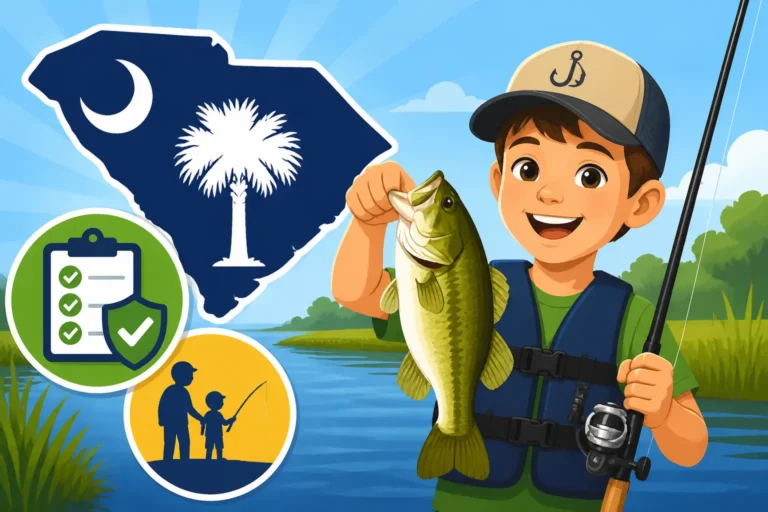
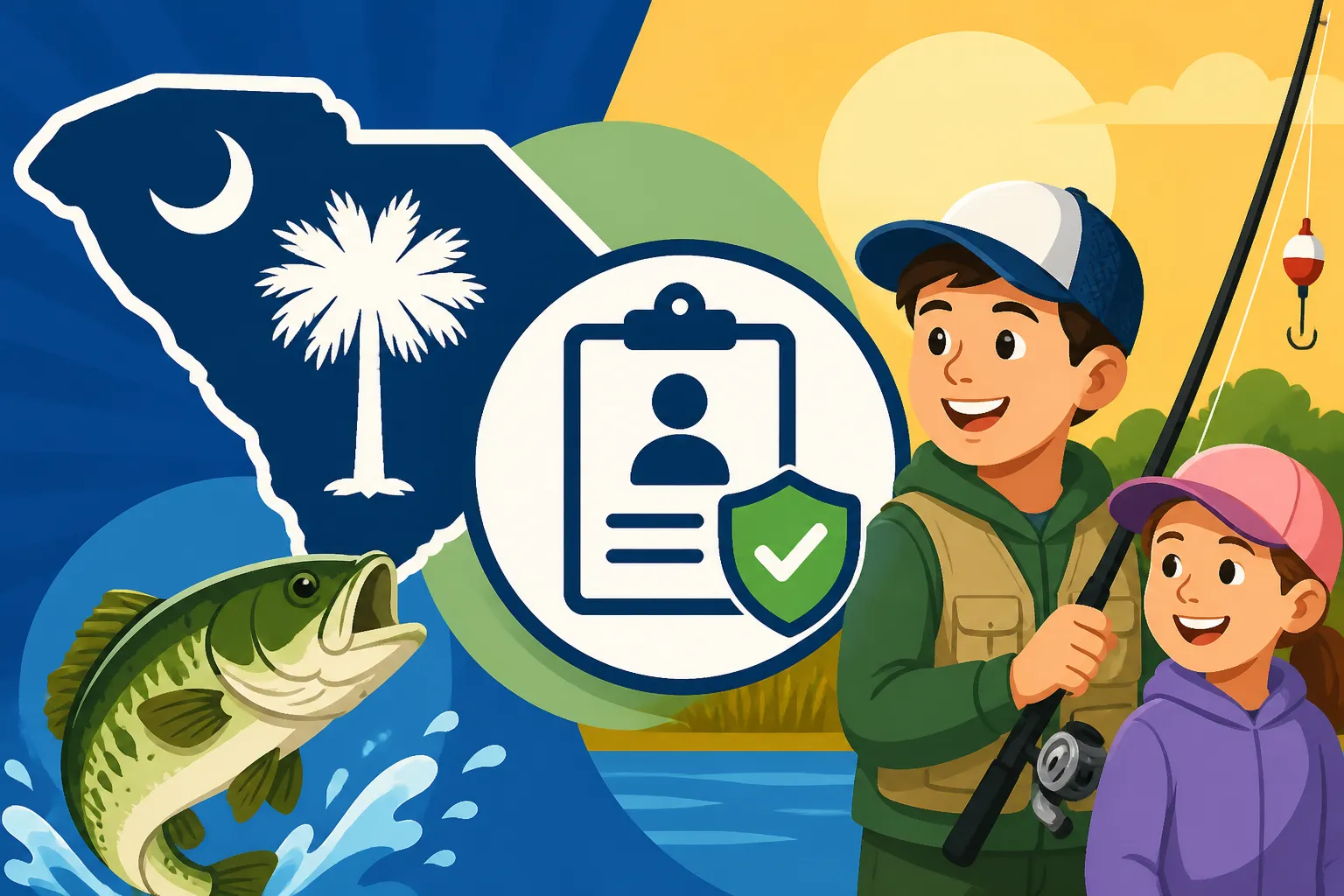
In South Carolina, the good news for parents and young aspiring anglers is that children under the age of 16 are generally exempt from needing a fishing license. This applies to both freshwater and saltwater fishing. Imagine the relief! You don't have to scramble to get a license for your 8-year-old before heading out to Lake Murray or the coastal marshes around Charleston. This thoughtful approach by the state is fantastic for fostering a love for the outdoors from an early age, removing one more barrier for families wanting to share this timeless activity.
This exemption means that if your child is 15 years old or younger, they can enjoy casting a line in most public waters without you needing to purchase a separate license for them. Whether they're fishing with a parent, a grandparent, or on a supervised school outing, the focus can remain purely on the experience itself. It's a wonderful way to encourage the next generation of anglers. For a deeper dive into these rules, check out our guide on Fishing License Rules for Kids in South Carolina.
When 16 Changes Everything
While the under-16 rule offers a lot of freedom, that magic number of 16 brings a shift in licensing requirements. Once a young person celebrates their 16th birthday, they are officially considered an adult in the eyes of South Carolina's fishing regulations. This means that from that day forward, they will need to purchase and carry their own valid South Carolina fishing license to fish in public waters, just like any other adult.
This transition can sometimes catch families off guard. One day your teenager is fishing freely, the next they need to invest in their own permit. It's a key milestone in their angling journey, signifying a step up in responsibility. It's important to have this conversation with your child as they approach this age, explaining that it’s part of becoming a more independent and responsible angler. You can find more details on general age rules in our comprehensive article about South Carolina Fishing License Age Requirements.
Common Scenarios and Exemptions for Young Anglers
Beyond the basic age cutoff, there are a few specific scenarios where the rules might apply differently or where additional exemptions come into play. It's always a good idea to be aware of these to ensure you're fully compliant, no matter where your fishing adventures take you.
Fishing on Piers and Charter Boats
When it comes to specialized fishing experiences like hitting up a public pier or booking a guided charter trip, the licensing rules for minors often become a bit simpler.
Most licensed public fishing piers in South Carolina operate under a blanket license that covers all anglers fishing from that specific structure. This means that if your child (regardless of age, even if they're 16 or older) is only fishing from a pier that holds such a license, they typically won't need their own individual fishing license. This is a huge convenience for families enjoying a vacation at spots like the Myrtle Beach State Park Pier or the Folly Beach Pier. However, it's always smart to double-check with the specific pier's management, as rules can occasionally vary or change. If you're wondering more about this, we have a helpful piece on Do You Need a Fishing License to Fish From a Pier?.
Similarly, if you book a fishing charter with a licensed captain in South Carolina, the captain's commercial license usually covers everyone on board, including all minors and adults. This is a fantastic benefit of charter trips, as it means you don't have to worry about individual licenses for anyone in your party. The focus can stay entirely on enjoying the day on the water and catching fish. This makes charters an excellent option for family outings, especially with younger kids. For detailed information on this, check out License Requirements for Fishing Charter Passengers.
Private Ponds and Free Fishing Days
South Carolina also offers some additional opportunities for young anglers to fish without a license under certain conditions.
If you're lucky enough to have access to a completely private pond that is located entirely on private land, and you have the landowner's permission to fish there, neither minors nor adults typically need a fishing license. This is because the water body is not considered public water. This often applies to farm ponds or ponds within private residential communities. Just be absolutely sure it’s truly private and you have permission! For more on this, our guide on Do You Need a License to Fish From a Private Pond can provide clarity.
Another fantastic opportunity for aspiring young anglers (and adults!) are South Carolina's designated Free Fishing Days. These are special days each year when residents (and sometimes non-residents, depending on the specific event) can fish without needing a license. These days are perfect for introducing new anglers to the sport or for families to enjoy a casual fishing trip without the added cost or paperwork of a license. It's an excellent initiative to promote fishing and conservation. Keep an eye on the South Carolina Department of Natural Resources (SCDNR) website for specific dates, as they can change annually. We’ve covered these in detail in South Carolina Free Fishing Days Explained and Do You Need a License on South Carolina's Free Fishing Days.
Here’s a handy table summarizing these scenarios:
| Scenario | Age 0-15 (Minor) | Age 16+ (Adult) | Notes |
|---|---|---|---|
| General Freshwater/Saltwater Fishing | No License Required | License Required | All other fishing regulations (bag, size limits) still apply to everyone. |
| Fishing from a Licensed Public Pier | No License Required | No License Required | Covered by the pier's blanket license. Always confirm with the specific pier. |
| Fishing on a Chartered Boat | No License Required | No License Required | Covered by the captain's commercial license. |
| Fishing in a Truly Private Pond | No License Required | No License Required | Pond must be entirely on private land with owner's permission. |
| South Carolina Free Fishing Days | No License Required | No License Required | Applies to everyone on designated dates. Check SCDNR for specific dates/rules. |
Getting Ready for That 16th Birthday
That 16th birthday is a landmark moment, not just for life but also for fishing in South Carolina! It's a good idea to prepare for this transition so there are no surprises or missed fishing opportunities.
Planning Ahead for a Smooth Transition
As your child approaches their 16th birthday, it's wise to start thinking about their first fishing license. This proactive approach ensures a seamless transition and keeps them on the water without interruption. You might want to consider what type of fishing they primarily enjoy. Do they prefer freshwater fishing in the lakes and rivers of the Upstate, or are they more drawn to the saltwater action along the coast? South Carolina offers various license types, including freshwater, saltwater, and combination licenses. Understanding these options beforehand can save time and ensure you get the most appropriate license for their angling pursuits.
For instance, if your teen loves chasing largemouth bass on Lake Murray, a freshwater license will be their go-to. If redfish and speckled trout in the Lowcountry estuaries are their passion, a saltwater license is essential. It's often more economical to purchase an annual license if they plan to fish frequently, but short-term options (like 14-day licenses) are available for occasional trips. Compare costs and benefits with resources like our article on Freshwater vs Saltwater Fishing License Costs Compared or get a full breakdown of the South Carolina Annual Fishing License Price Breakdown. Thinking about these details in advance can help them embrace their new responsibility with enthusiasm.
Where and How to Purchase a License
Once the time comes to purchase that first adult fishing license, South Carolina makes the process fairly straightforward. The most convenient method for many is through the Go Outdoors South Carolina online portal. This platform allows you to purchase and manage licenses from the comfort of your home, using a computer or even a smartphone. It's quick, efficient, and you can usually print a temporary license immediately or save a digital copy to your phone, which is perfectly acceptable proof of license.
If you prefer a more traditional route, licenses can also be purchased in person at various authorized vendors across the state. These often include local tackle shops, bait and hardware stores, and even some Walmarts. These locations can be helpful if you have questions or need some local advice. Regardless of where you buy it, ensure your newly licensed 16-year-old keeps their license readily accessible whenever they’re fishing. A simple waterproof holder, perhaps one you can find on Amazon, can protect a printed copy, or they can always rely on the digital version on their phone. Learn more about how to use the online system with our guide, How to Buy a Fishing License on Go Outdoors South Carolina, or explore the general process of Buying a South Carolina Fishing License Online.
Educating Young Anglers on Regulations
Getting a license is a crucial step, but it's just one piece of the puzzle for becoming a truly responsible and ethical angler. Educating young people about broader fishing regulations is just as important, if not more so, than the license itself.
Beyond the License: Understanding the Rules
A fishing license grants the privilege to fish, but it doesn't automatically impart knowledge of the rules. As minors transition into licensed anglers, it's vital to teach them about more than just having a piece of paper. This includes understanding bag limits – how many fish of a certain species they can keep in a day – and size limits, which dictate the minimum or sometimes maximum length a fish must be to be legally harvested. For instance, knowing the South Carolina Fishing Bag Limits Explained is critical for a successful and legal outing.
Different species have different rules, and these can even vary by location (e.g., specific lakes or coastal zones). For example, the rules for freshwater species like bass or crappie are distinct from those for saltwater species like redfish or speckled trout. Learning to identify fish correctly, measure them accurately, and count their catch are essential skills that every angler, especially young ones, should master. Reviewing resources like South Carolina's Freshwater Fishing Regulations and Saltwater Fishing Rules in South Carolina together can be a great bonding and learning experience. This knowledge not only keeps them compliant but also makes them better, more informed stewards of our natural resources.
Fostering a Love for Conservation
Teaching young anglers about regulations isn't just about avoiding penalties; it's about instilling a deep appreciation for conservation. When they understand why limits exist – to protect fish populations, ensure sustainable fishing for future generations, and maintain healthy ecosystems – the rules gain a much deeper meaning. It's a lesson in stewardship, showing them how their actions directly impact the environment they love to enjoy.
Encourage practices like catch-and-release for certain species, especially if they've already met their bag limit or caught a trophy-sized fish they wish to preserve. Teach them proper handling techniques to minimize stress on released fish. Discuss how regulations, like changes in the Understanding Redfish Slot Limit Changes Over Time, are often implemented to respond to scientific data and ensure the long-term health of our fisheries. By fostering this conservation mindset, we're not just creating licensed anglers; we're cultivating environmental ambassadors who will protect South Carolina's incredible fishing heritage for decades to come.
Disclaimer
Please note that fishing regulations in South Carolina can change. While every effort has been made to provide accurate and up-to-date information, it is the angler's responsibility to verify current regulations with the South Carolina Department of Natural Resources (SCDNR) before fishing. This guide is for informational purposes only and should not be considered legal advice.